Monument Valley (Tse’Bii’Ndzisgaii in Navajo) is one of the most recognisable landscapes on the planet, made famous by films about the Wild West. With its towering red sandstone buttes and mesas, vast desert plains and cinematic beauty, this iconic corner of the American Southwest has captivated filmmakers, photographers and travellers alike for generations. Don’t miss a chance to experience this incredible landscape Utah and Arizona or dreaming up a bucket list adventure, here’s everything you need to know to plan your unforgettable visit.
Disclosure: I may earn compensation from the purchase of any product or service linked on this website, at no extra cost to you. I only link to products I use and love, therefore feel comfortable recommending.
Is Monument Valley Worth It?
In 1849, Captain John G. Walker described Monument Valley: “as desolate and repulsive looking a country as can be imagined.” Someone needed to remind ol’ Captain Walker that beauty is in the eye of the beholder, because there is nothing repulsive about this incredible desertscape.
If you’re drawn to dramatic desert landscapes, Native American culture, or the Old West mystique, this place will knock your socks off. Monument Valley, USA offers jaw-dropping views, rich cultural heritage, geologic wonders and the chance to reconnect with the raw beauty of nature. And it’s not just a drive-by photo op—there are a variety of ways to explore the area in depth, from scenic drives to guided cultural tours.
Where is Monument Valley Located?
This striking region straddles the border of southeastern Utah and northeastern Arizona, within the Monument Valley Navajo Tribal Park. While many assume it’s a National Park, Monument Valley is actually a Tribal Park managed by the Navajo Nation. The nearest town to the Tribal Park entrance is Kayenta, Arizona (about 74-km/26-mi south), and Mexican Hat, Utah (40-km/25-mi north).
How to Get to Monument Valley
Monument Valley is remote, so any way you slice it, you’re going to need to do some road tripping (get our Vegas to Albuquerque road trip itinerary here). There are several scenic routes leading into the region from surrounding cities and National Parks. The closest airports to Monument Valley are:
Page Municipal Airport (PGA), Arizona – 2.25-hours (200-km/125-mi)
A small airport with limited flights, often via Phoenix or Las Vegas. Best for connecting regional trips.
Flagstaff Pulliam Airport (FLG), Arizona – 3-hours (290km/180-mi)
A convenient regional airport with connections to Phoenix, Dallas, and Denver. Ideal for access to both the Grand Canyon and Monument Valley.
Durango–La Plata County Airport (DRO), Colorado – 3.5-hours (295-km/183-mi)
A good option if you’re combining a visit to Mesa Verde National Park or the Colorado Rockies.
Albuquerque International Sunport (ABQ), New Mexico – 5.25-hours (525km/326mi)
A major airport with numerous domestic and some international flights. Offers rental car options and is ideal for road trips through New Mexico and the Four Corners region.
Las Vegas Harry Reid International (LAS), Nevada – 6.5-hours (651-km/405-mi)
A popular entry point for Southwest road trips. Great if you plan to combine Monument Valley with Zion, Bryce, and the Grand Canyon.
Drive times from popular Southwest destinations
Travelling by car is the best way to access and explore Monument Valley, USA. Here are approximate drive times from nearby attractions:
Page, AZ (Antelope Canyon, Horseshoe Bend, Lake Powell): 2.25-hours (200-km/125-mi)
Moab, UT (Arches and Canyonlands National Parks): 2.75-hours (241-km/150-mi)
Grand Canyon South Rim: 3.5-hours (181-mi)
Lake Powell, AZ: 2.25-hours (200-km/125-mi)
Springdale, UT (Zion National Park): 5-hours (450-km/280-mi)
Bryce Canyon City, UT (Bryce Canyon National Park): 5-hours (450-km/280-mi)
Four Corners Monument: 2-hours (158-km/98-mi)

The best time to visit Monument Valley
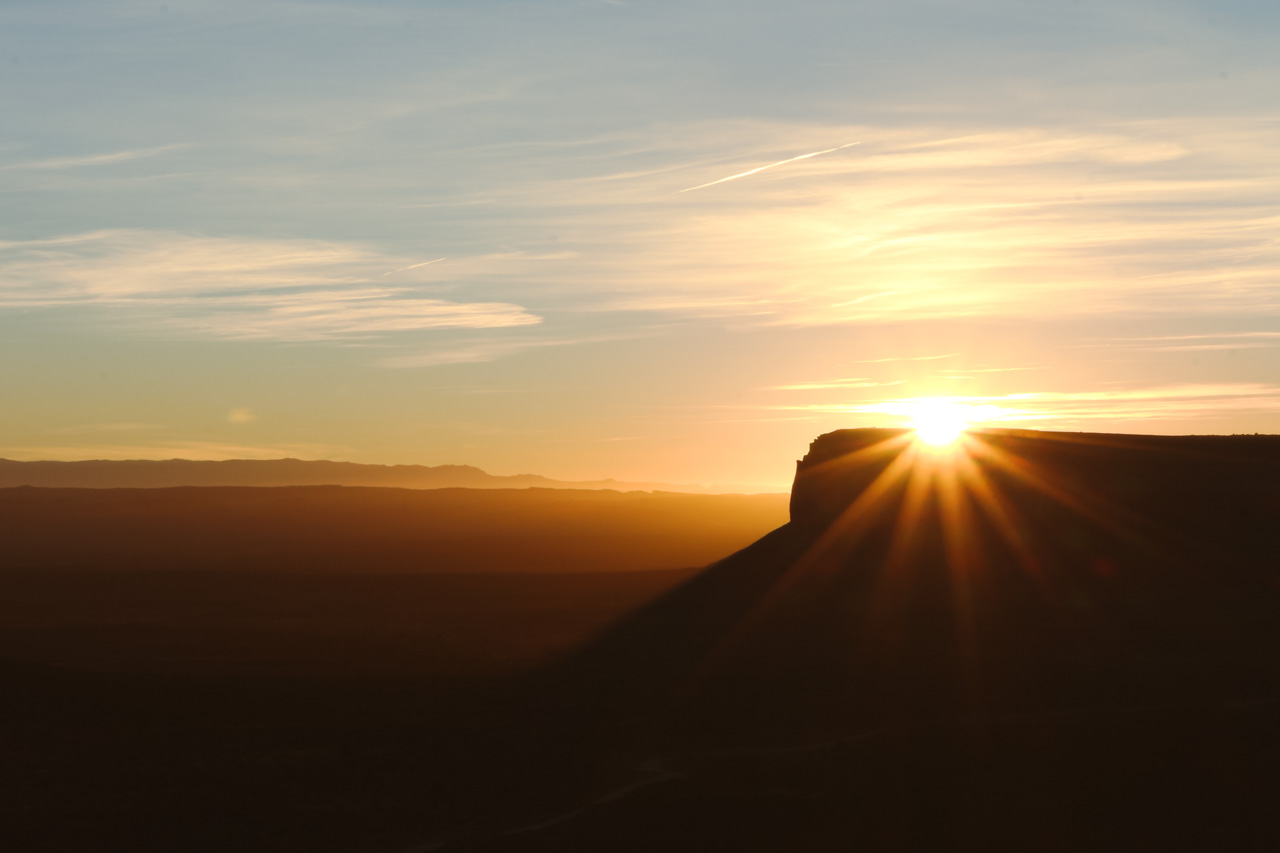
For the best mix of weather, access, and stunning views, spring (March–May) and autumn (September–November) are generally the best times to visit Monument Valley USA. You’ll enjoy pleasant temperatures, fewer crowds, and optimal light for exploring and photography. Book in advance through the summer—especially around holidays and long weekends. We visited in late November, and were greeted with sunny, clear skies and cool temperatures, few other visitors and prices less than peak.
Monument Valley loop road: self-guided touring
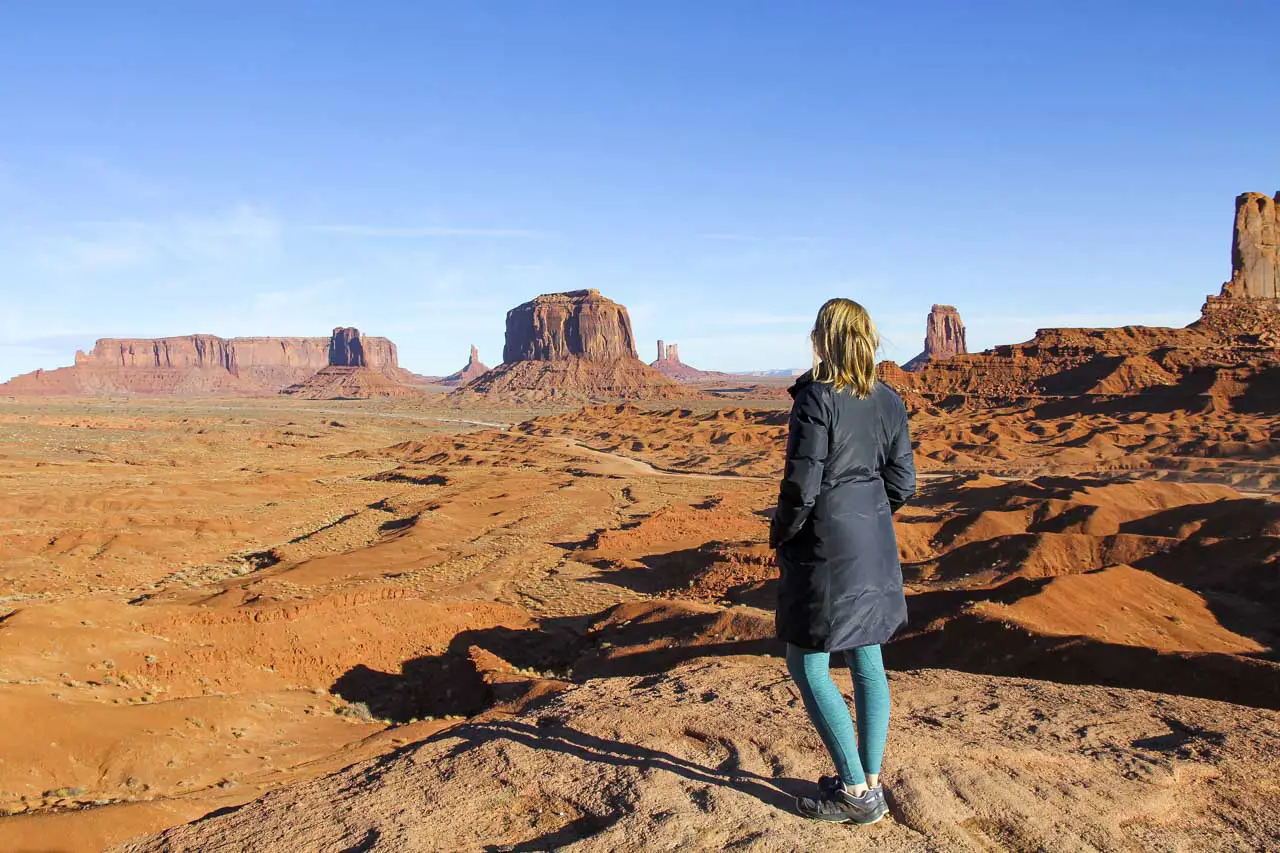
The Monument Valley loop road, also known as the Valley Drive, is a 27-km (17-mi) unpaved route that winds through some of the Park’s most spectacular scenery. This is the road gives you access to viewpoints of famous formations like the Mittens, Three Sisters, Totem Pole, and John Ford’s Point (named after the director who filmed numerous Westerns here).
The loop road is open to private vehicles, but a high-clearance car is recommended—especially after rain. Drive slowly, bring plenty of water, and plan at least 2-3-hours to complete the circuit with stops for photos.
Monument Valley tours: going beyond the loop road
For those wanting to go deeper or access restricted areas, Monument Valley tours led by Navajo guides are a must. These tours allow you to explore sacred sites off-limits to the general public and offer cultural context you won’t get on your own. Options include sunrise or sunset photography tours, backcountry jeep safaris, hiking experiences, and even horseback rides.
Booking in advance is recommended, especially during peak seasons from spring to autumn. Some tours also include storytelling, traditional music and even Navajo meals—a brilliant way to support the local community and enhance your experience.
Top viewpoints and rock formations in Monument Valley
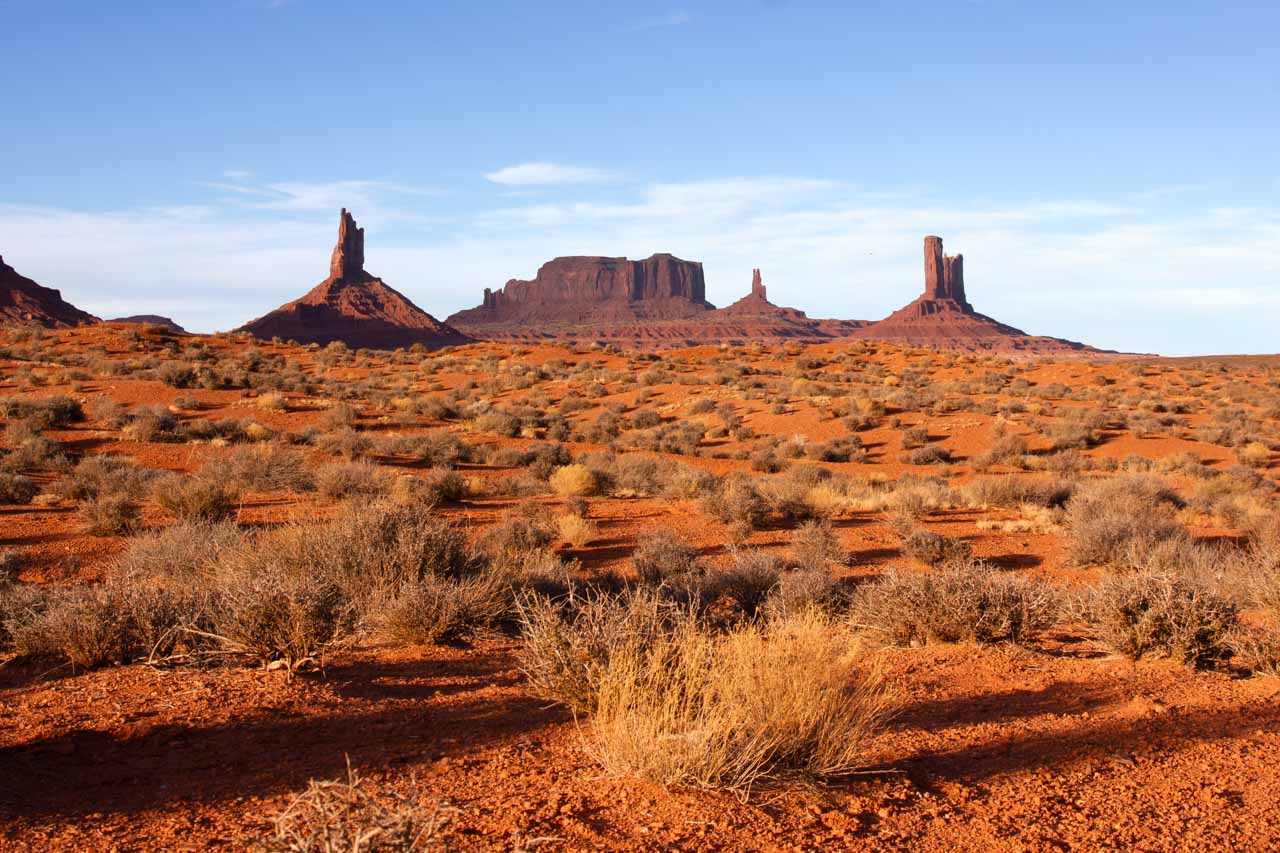
The striking sandstone formations of Monument Valley USA aren’t just beautiful—they’re geological wonders sculpted over millions of years. The landscape is part of the Colorado Plateau, where layers of sedimentary rock have been uplifted, eroded, and shaped into the iconic buttes, mesa, and spires we see today. Here are some of the top formations to look out for along the Monument Valley loop road and beyond.
The Mittens (East and West)
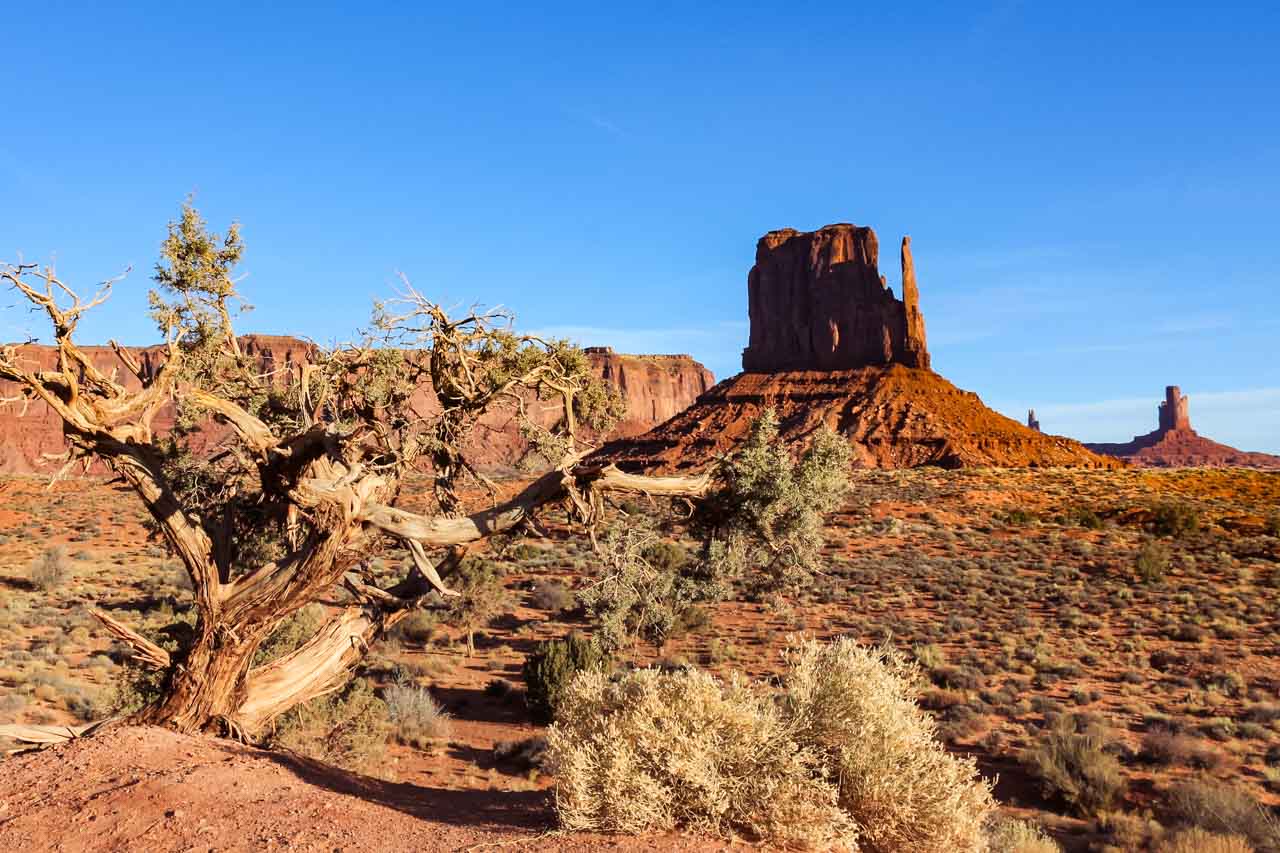
If you’ve ever seen a photo of Monument Valley, chances are you’ve seen the Mittens. These two towering buttes resemble a pair of hands (or mittens) rising from the desert floor. They’re visible right from the Visitor Centre and serve as the unofficial mascots of the valley.
Merrick Butte
Located just south of the Mittens, Merrick Butte stands tall and solitary. It’s named after prospector Jack Merrick, who, along with his partner, was allegedly killed in the area during the late 1800s.
Three Sisters
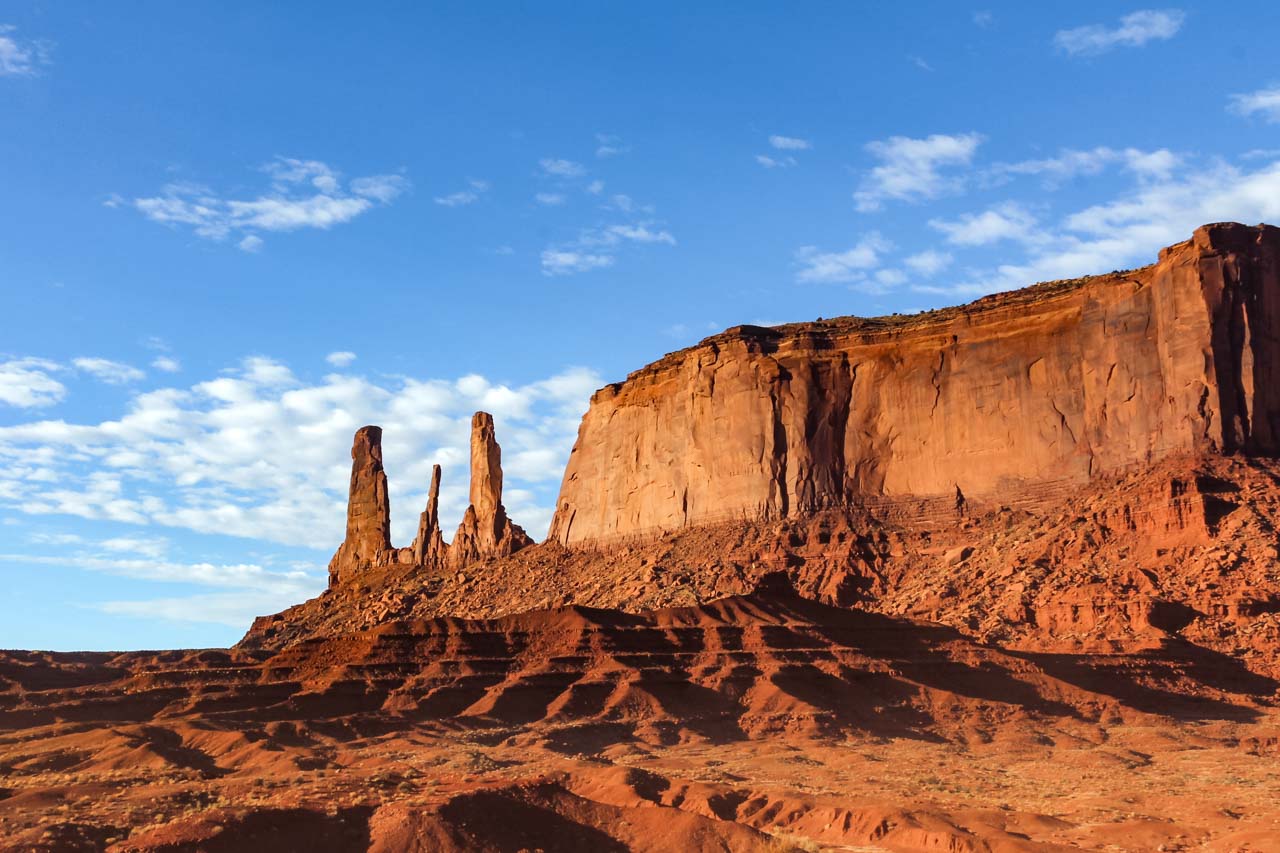
The Three Sisters are a small cluster of spires, best seen from the John Ford’s Point area and is a favourite among photographers for its vertical drama.
Totem Pole and Yei Bi Chei
Totem Pole, an isolated spire, along with a nearby cluster of more rounded columns known as Yei Bi Chei represent Navajo spiritual dancers. These formations are especially popular with photographers during sunrise and sunset.
John Ford’s Point
This iconic viewpoint is named after the Hollywood director who shot many Westerns here, including Stagecoach and The Searchers. From this vantage, you get sweeping views of the valley floor with the Mittens and Merrick Butte in the distance.

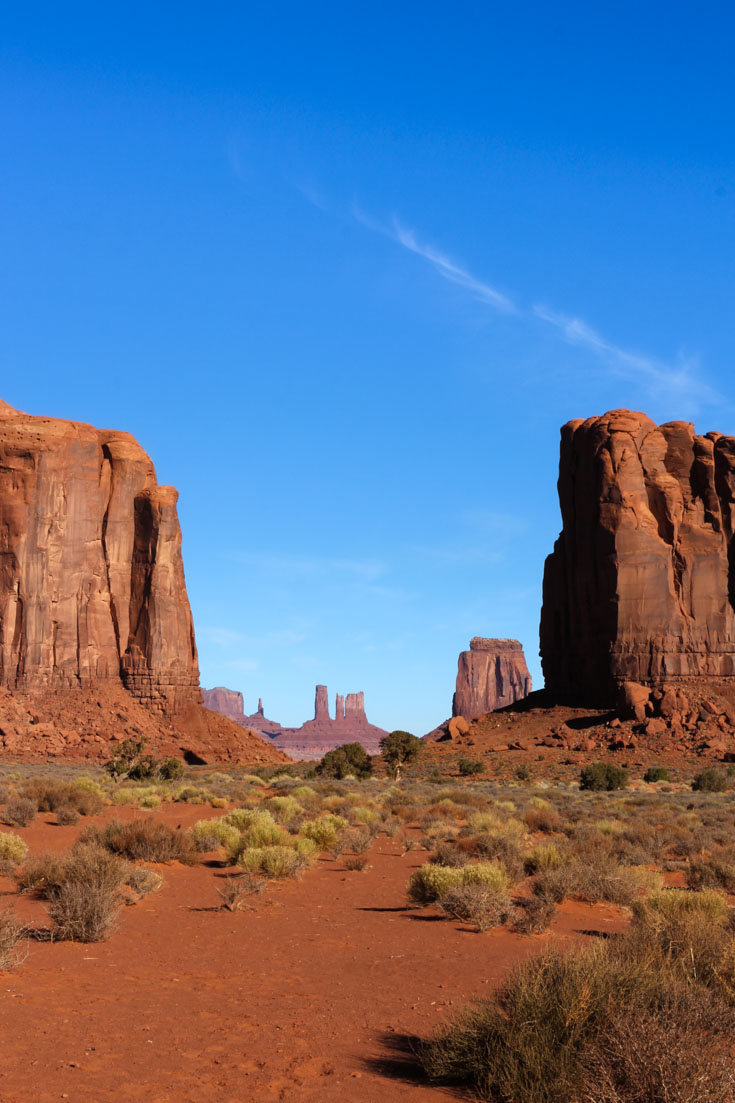

Elephant Butte
Seen from the Valley Drive, Elephant Butte vaguely resembles its namesake creature. With a bit of imagination (and the right angle), the ears, trunk and body come into view.
Camel Butte and Camel Rock
Like Elephant Butte, Camel Butte gets its name from its likeness to a resting camel. These formations are smaller than the Mittens but offer intriguing shapes against the sky, especially in the late afternoon light.
Rain God Mesa
This sacred site rises near the centre of Monument Valley, and is named for the Navajo rain god Tó Neinilii, to whom prayers are offered by Navajo medicine men.
Forest Gump viewpoint
This classic, Hollywood view of Monument Valley is not within the Tribal Park, but along U.S. Route 163, heading northeast towards Mexican Hat.
Artist’s Point
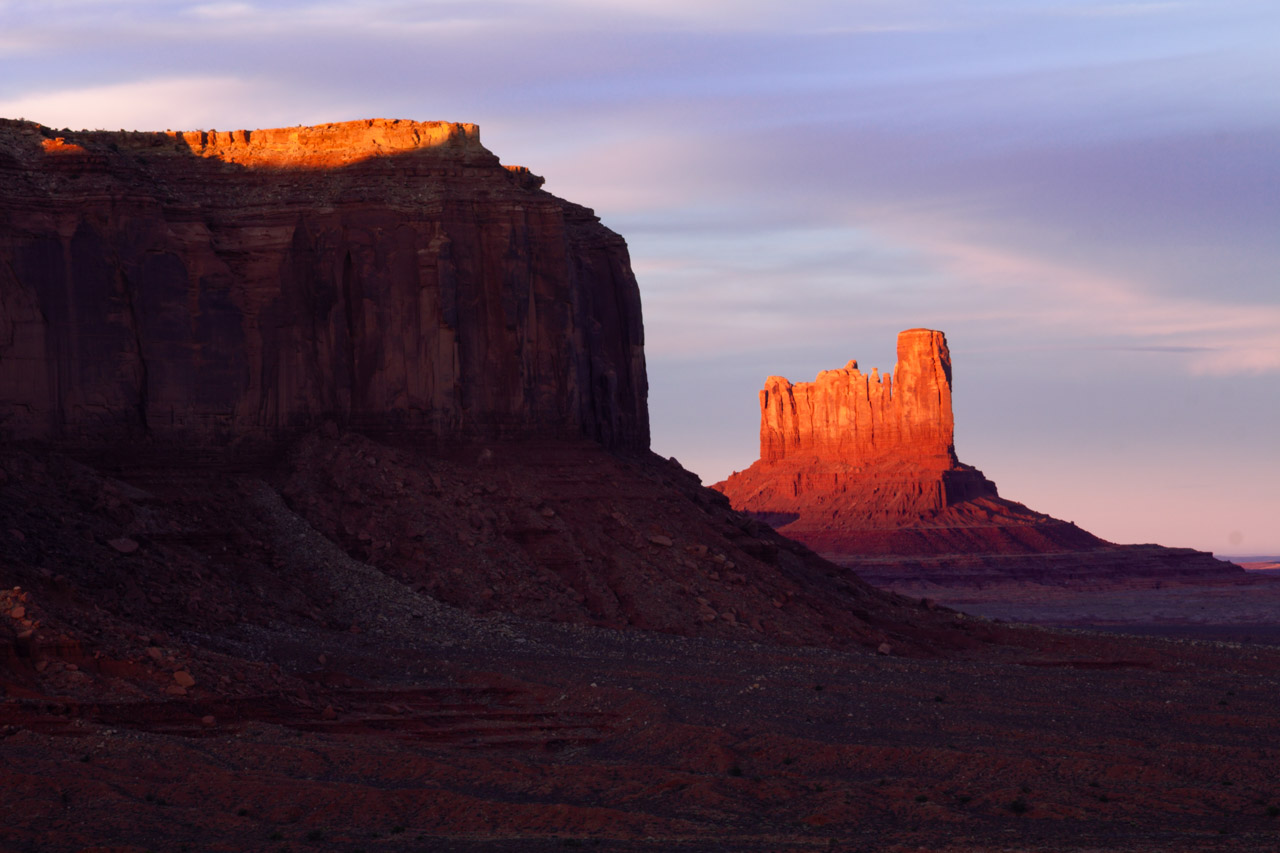
This spot lives up to its name, offering one of the most expansive panoramas in the valley. From this elevated vantage, you’ll take in layered mesas and buttes fading into the distance, often under a sky painted with soft pastels or stormy desert clouds.
North Window Viewpoint
North Window is one of the most dramatic spots on the Monument Valley loop road. Two large buttes—East Mitten and Elephant Butte—frame a view of rock formations in the distance, creating a natural composition for photographers.
Monument Valley entrance fee and hours
Entry to Monument Valley USA requires payment of the Monument Valley entrance fee, which directly supports the Navajo Nation. As of this writing, the fee is USD $8 per person per day (children under 6 are free). You’ll pay this at the Visitor Centre gate. Note that the Monument Valley entrance fee is separate from any tour costs and is not covered by the US National Parks Pass.
The park is open daily, typically from 6am to 8pm in summer (last entry 4:30) and 8am to 5pm in winter (last entry 2:30). The Park is closed on Thanksgiving, Christmas and New Year’s Day. Hours may change depending on weather or tribal events. Always check the official Monument Valley Navajo Tribal Park website for current information before you go.
Monument Valley lodging and camping options
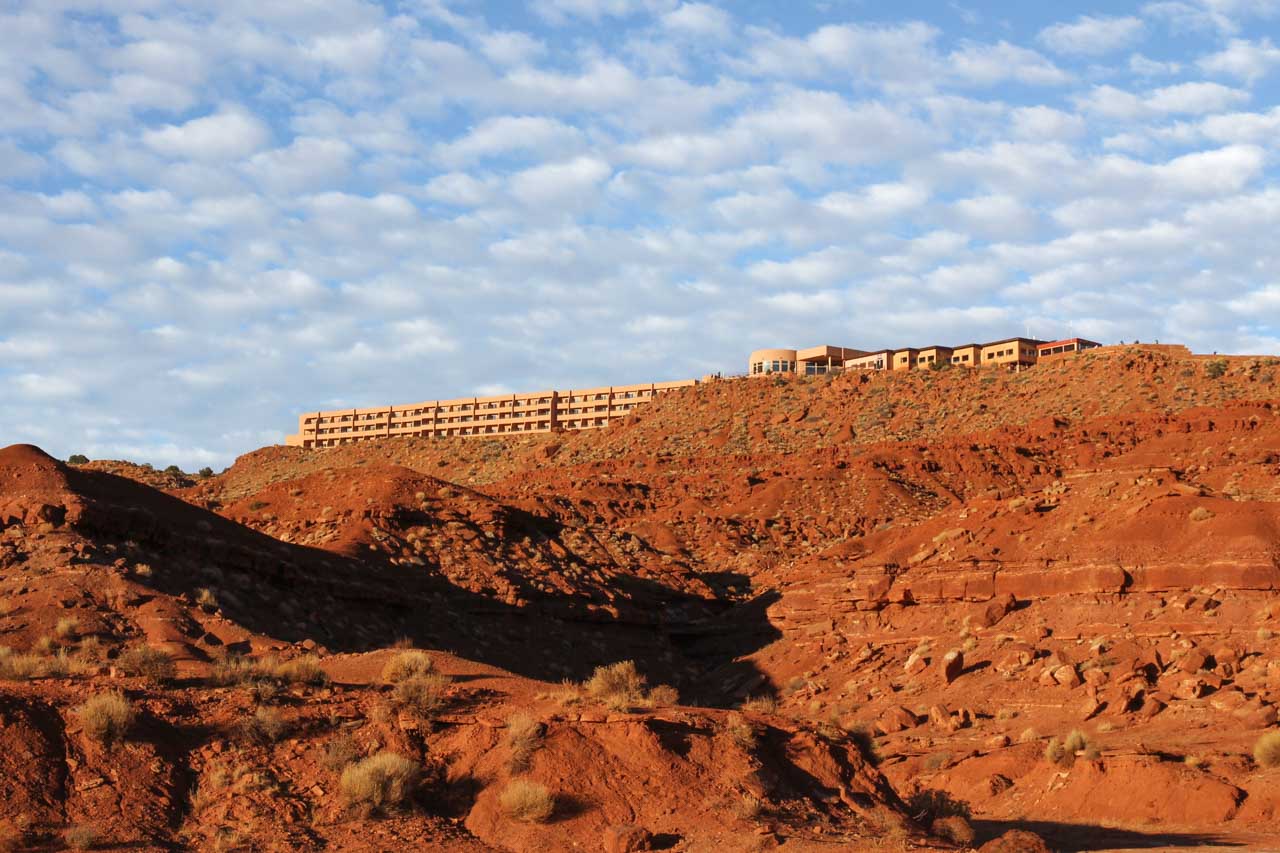
If you want to stay in or near the park, there are several Monument Valley lodging options. The View Hotel is the only accommodation within the Tribal Park boundaries and offers front-row seats to the stunning landscape—every room faces the Mittens. This was our “splurge accommodation” for our road trip and it was worth every cent.
Just outside the park, you’ll find Goulding’s Lodge, a historic property with a museum, restaurant, and various accommodation options from hotel rooms to RV sites. Other choices for Monument Valley lodging include motels in Kayenta or Mexican Hat. A little further along the San Juan River, Bluff, UT provides additional lodging options and more amenities.
Travel tips for visiting Monument Valley USA
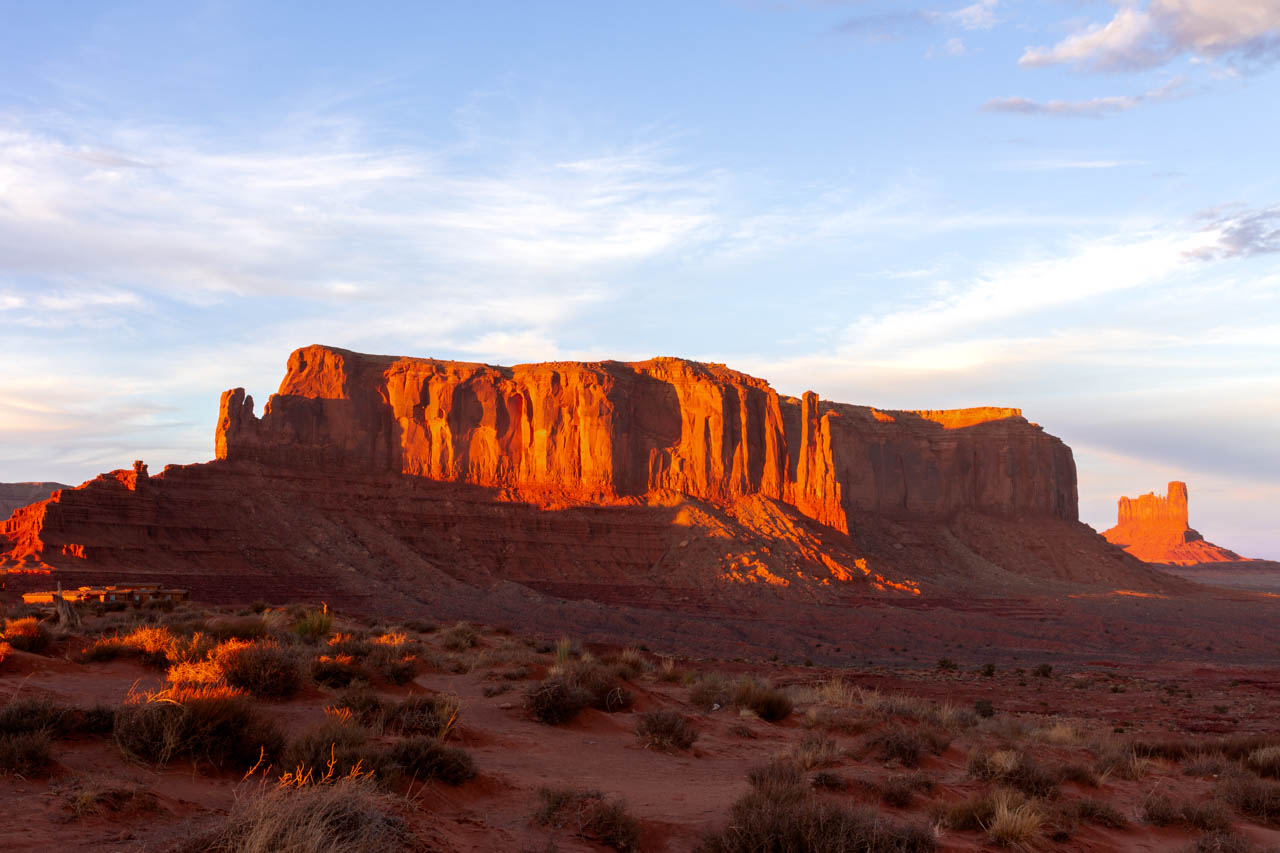
- Start early or stay late: Sunrise and sunset are magical in Monument Valley. Golden hour light makes the red rocks glow, and you’ll avoid the midday heat.
- Respect Navajo culture: Always follow posted signs, stay on designated trails and roads, and be mindful when photographing locals—ask permission first.
- Prepare for remote conditions: There’s limited mobile service, few dining options and basic amenities. Pack water (more than you think you’ll need), snacks and fill your fuel tank before arriving.
- Weather matters: Summer can be extremely hot and bring rain, while winter may be snowy. Check the forecast and road conditions before setting out.
From epic Western movie locations to the spiritual heart of Navajo culture, Monument Valley, USA is a destination like no other. Its soaring sandstone formations and expansive desert scenery will leave you speechless and humbled. Drive the Monument Valley loop road, follow the glow of golden hour and absorb spectacular starry skies, this is a place to slow down and take it all in.
Peace, love & inspiring travel,
Madam ZoZo
Pin for later…