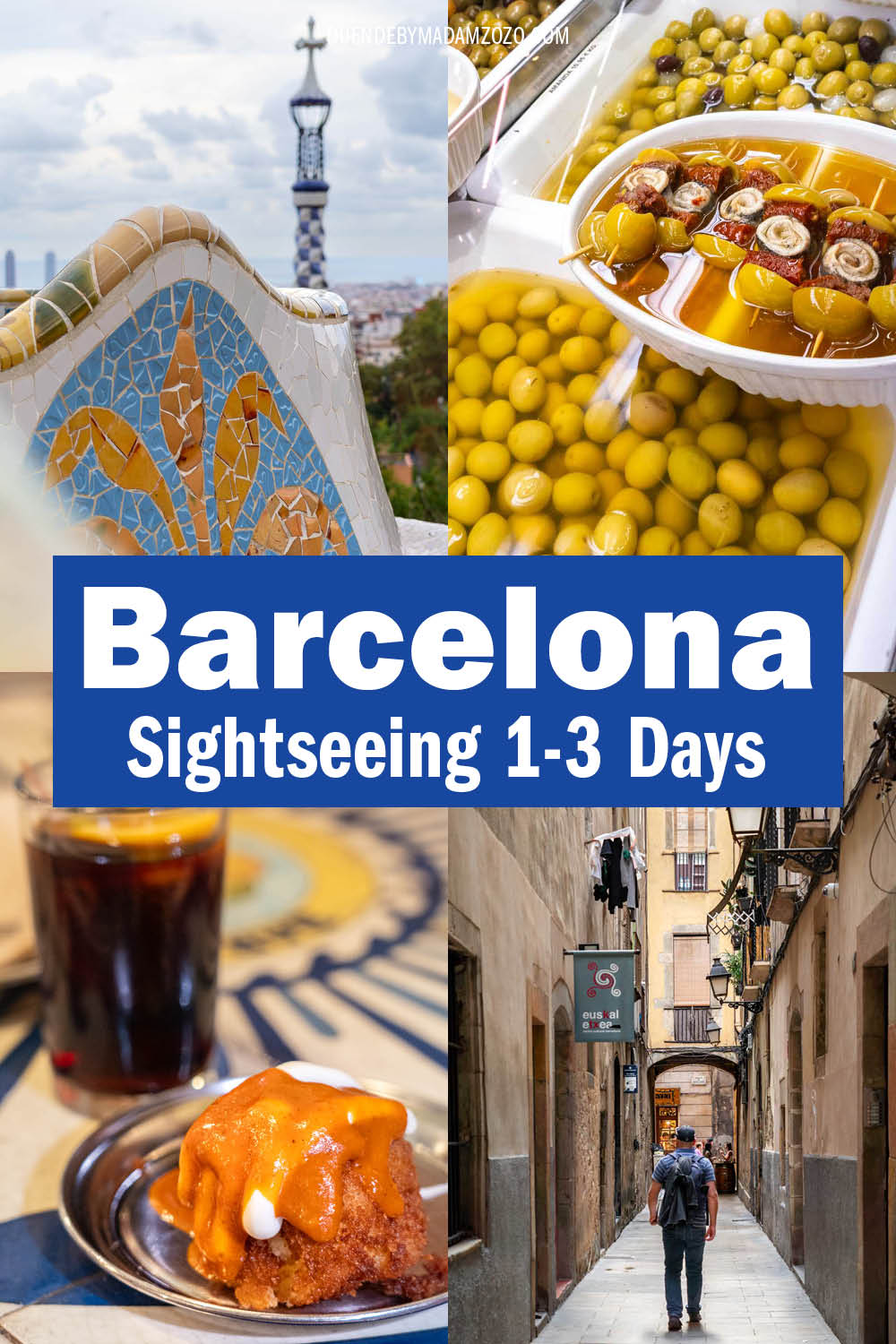
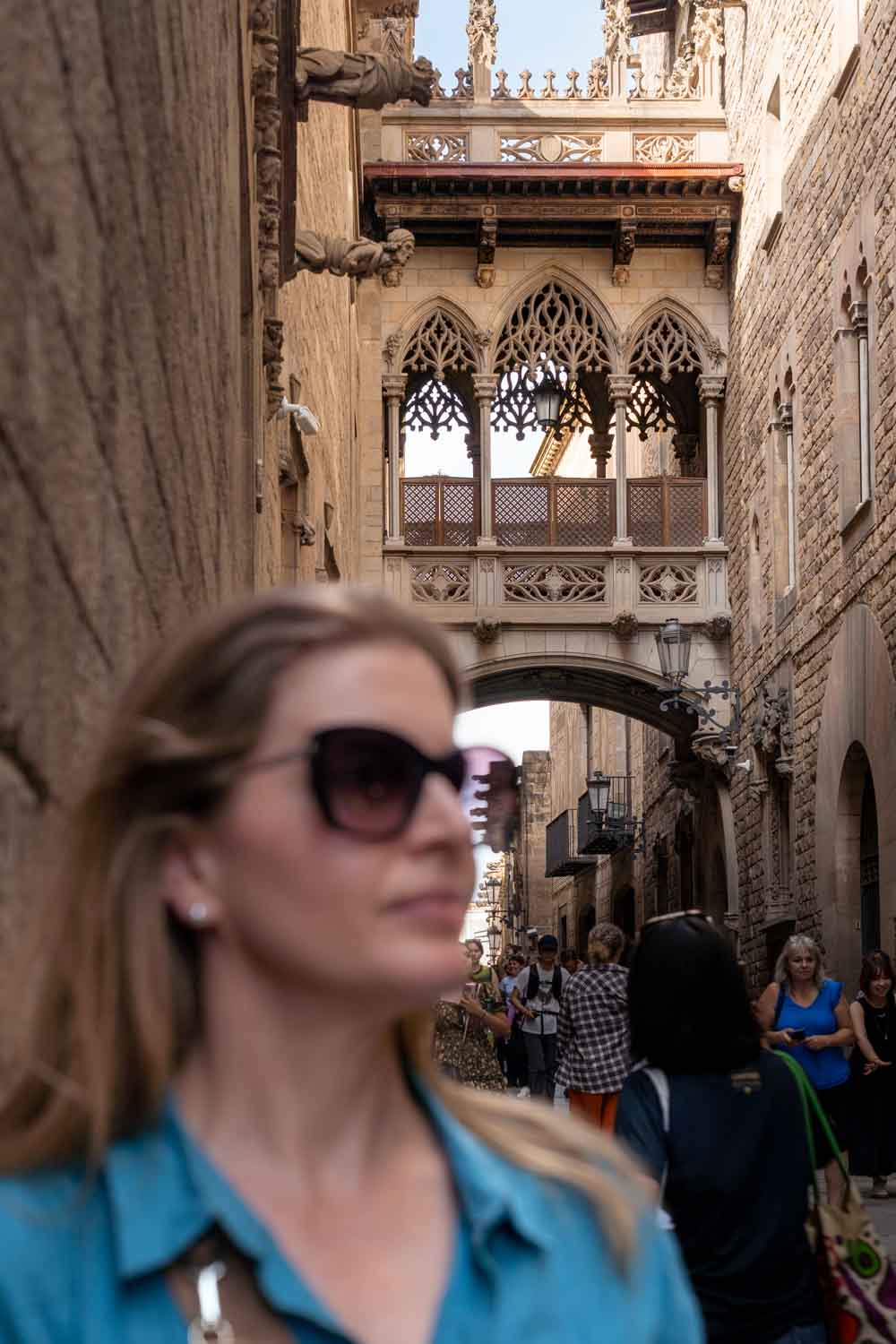
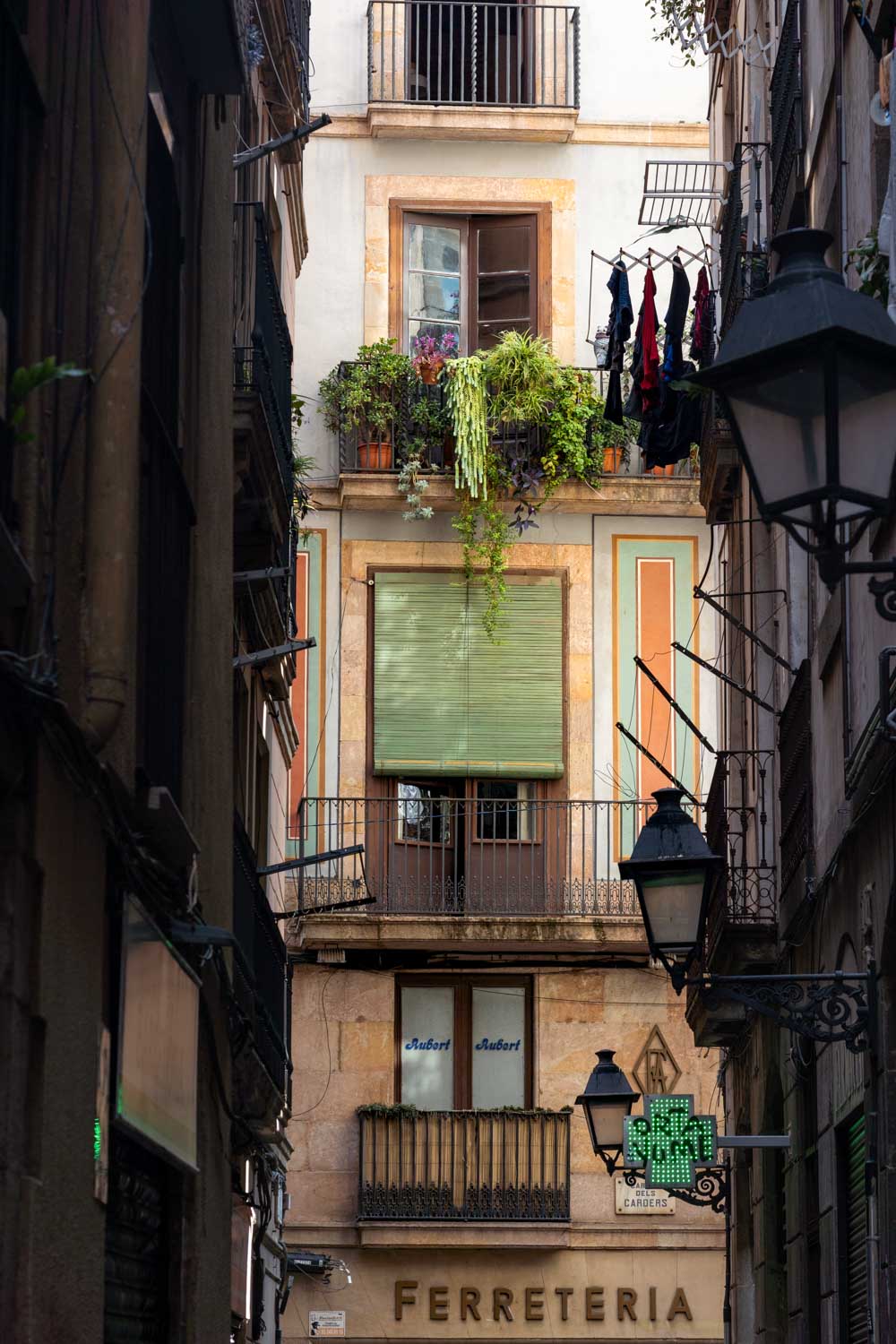
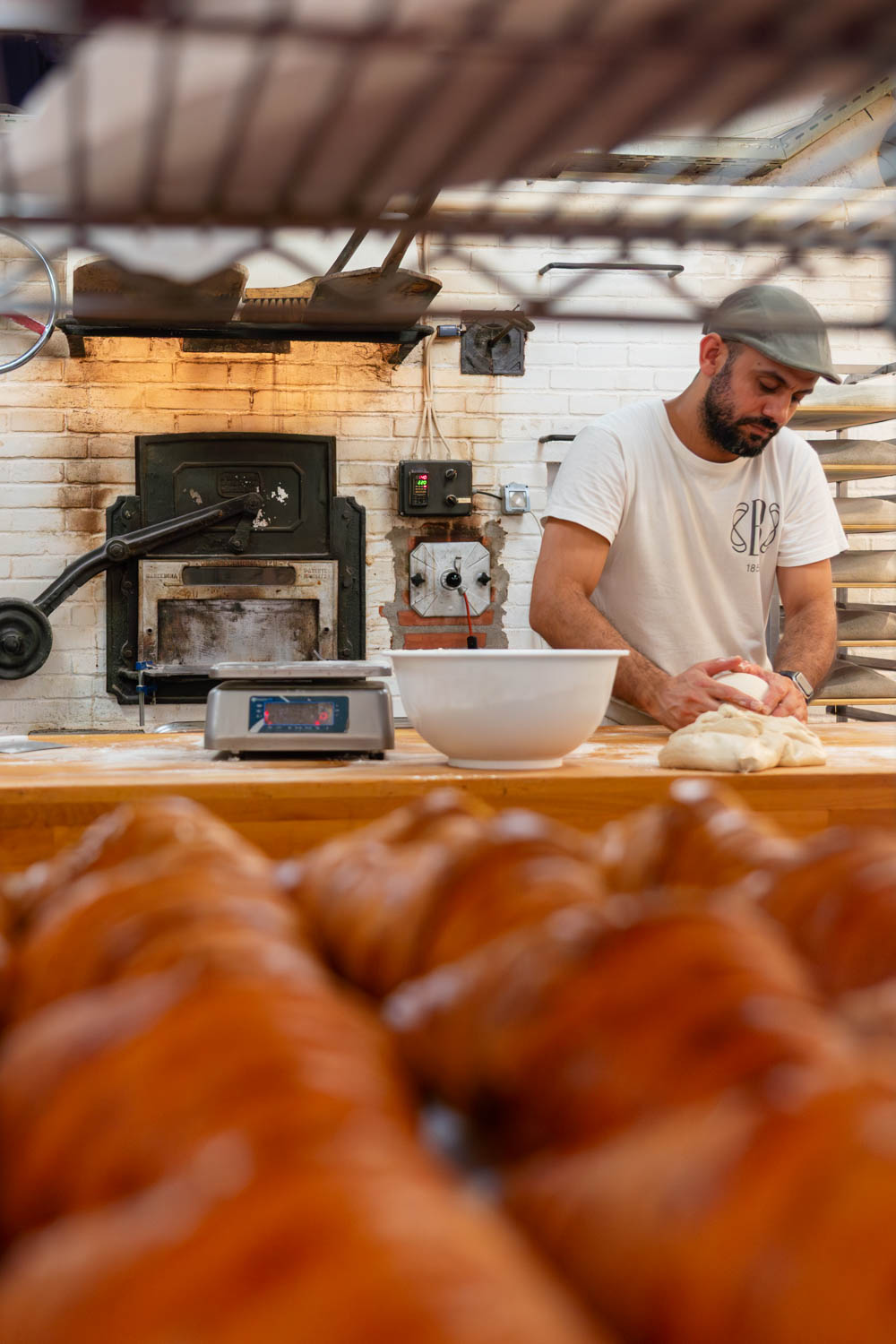
Barcelona: salted breeze, mosaic sun, whispered with history and echoed by the sea. A city full of sharp angles and soft corners, where Gothic cathedrals rise above café chatter and Gaudí’s imagination spill across rooftops in undulating tiles. It’s a place that pulls you in – through the narrow alleys of the Barri Gòtic, through laughter and tapas, between shadows and light. If you’re wondering what to do in Barcelona, know this: it’s not just the sights, but the moments between them — the scent of baking bread in El Born, the clink of vermouth glasses, the sparkle of the Mediterranean at golden hour — that make the city unforgettable.
Disclosure: I may earn compensation from the purchase of any product or service linked on this website, at no extra cost to you. I only link to products I use and love, therefore feel comfortable recommending.
Is Barcelona worth visiting?
Absolutely. Barcelona is a city that glows with creativity, history and charisma. It’s known for its unusual Modernista architecture, Mediterranean charm and fútbol fervour. What Barcelona is known for extends beyond the Sagrada Família and Park Güell — it’s a living tapestry woven from Roman roots, medieval guilds, Catalan pride, and the avant-garde spirit that reshaped 20th-century design.
The history of Barcelona reaches back to ancient Barcino, a Roman colony founded almost two millennia ago. Through Muslim rule, the maritime dominance of the Crown of Aragon, textile-industry-driven industrialisation, civil war and hosting the 1992 Olympics, Barcelona has reinvented itself over and over again. If you’re asking is Barcelona worth visiting, the answer is yes.
Best time to visit Barcelona
The best time to visit Barcelona depends on your travel style. Spring (April–June) and autumn (September–October) are the golden windows: warm enough to stroll by the sea, cool enough to explore comfortably, with lively festivals but fewer crowds. These shoulder seasons offer lower prices and a local feel.
Summer (July–August) is beach-perfect but crowded and pricey. The city hums with festivals, open-air concerts, and long Mediterranean nights, though midday heat and queues are part of the deal. Winter (November–February) brings mild temperatures, off-season deals, and fewer tourists, though some attractions shorten their hours.
For ideal balance, visit in late May to early June or mid-September to late-October, when the weather, crowds and prices align beautifully.
How long to spend in Barcelona
How long to spend in Barcelona depends on how deeply you want to dive in. If you’re short on time, two days will give you the highlights (barely); but how many days in Barcelona is ideal? Three-four full days let you savour Gaudí’s architecture, the Gothic Quarter, museums and food culture.
If you can stay five to seven days, you’ll have a more relaxed itinerary open for neighbourhood wandering and day trips. Barcelona is a great base for trips to places beyond the city like Montserrat and Figueres (Salvador Dali’s home town).
Getting to Barcelona
By air
Barcelona is served by Barcelona-El Prat Airport (BCN), located about 15-km (9-mi) southwest of the city centre. It’s the primary gateway for international travellers, with frequent connections across Europe and major intercontinental hubs. Budget airlines also operate flights to Girona-Costa Brava (GRO) from several European cities. Though the airport is about 90-km (55-mi) from central Barcelona and better suited to travellers exploring Catalonia more broadly.
By train
High-speed rail offers a comfortable and scenic alternative. Renfe-SNCF trains link Barcelona with Paris, Lyon and Marseille, while domestic AVE lines connect the city to Madrid and Valencia in under 3-hours, Seville in under 6-hours. Most long-distance trains arrive at Barcelona Sants station, well connected to metro lines and taxis for an easy onward journey.

Navigating Barcelona
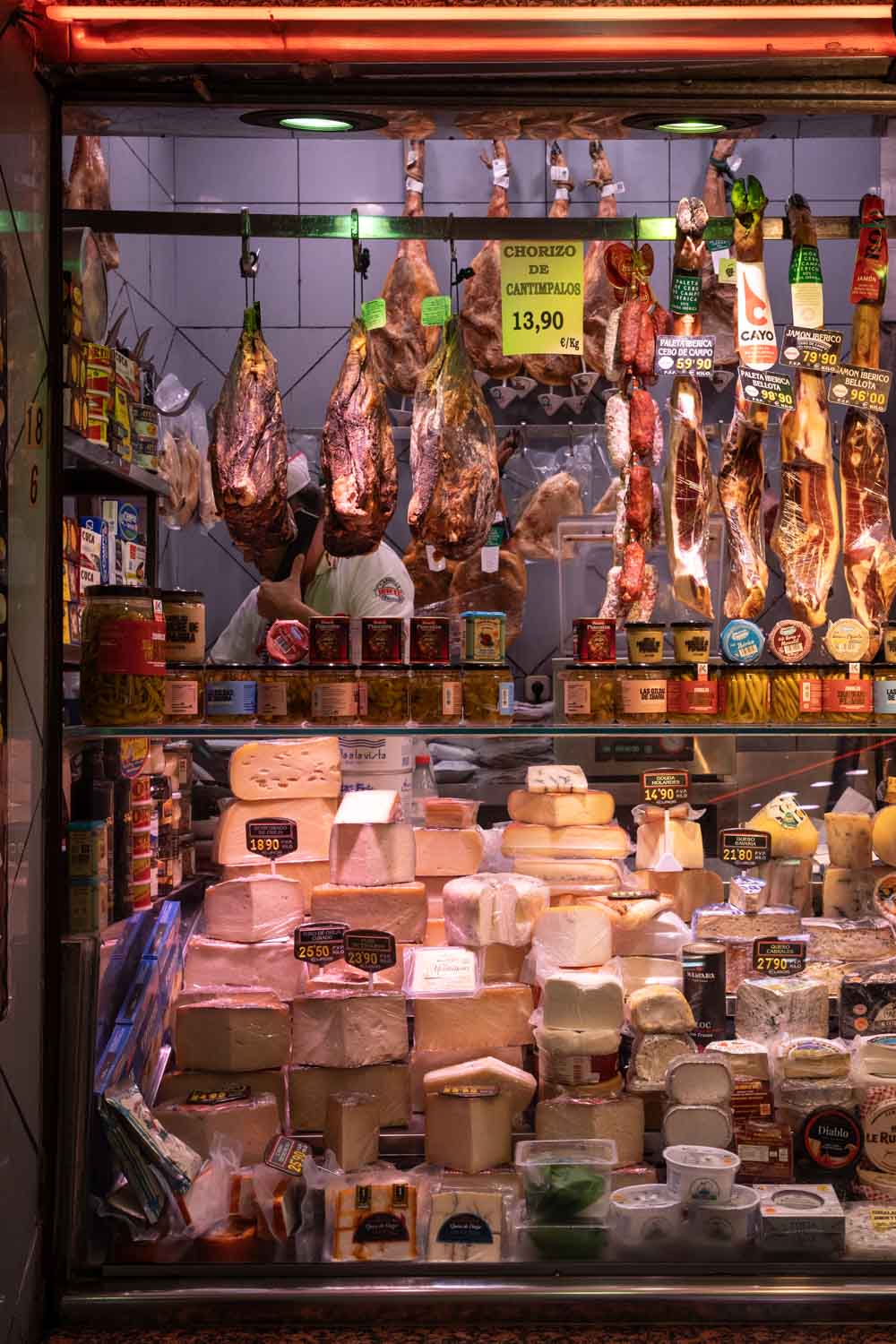
Getting around Barcelona is efficient, safe and straightforward. The city’s public transport network — metro, bus, and tram — is extensive and reliable. Purchase a Hola BCN! (unlimited travel) card for flexible access across all systems. The metro is fast, while buses offer scenic rides through neighbourhoods.
The best app for getting a ride in Barcelona is FREENOW (owned by Lyft), which gives you rideshare-like access to the city’s taxis. FREENOW is the most reliable through various parts of Spain, if Barcelona is only one stop on your itinerary. For short distances, walking is ideal — districts like El Born, Barri Gòtic, and Gràcia are best explored on foot.
Driving is not recommended for most visitors. Traffic, narrow one-way streets and limited parking make it more hassle than freedom. Unless you’re planning day trips outside the city, skip the rental car.
Where to stay in Barcelona
Location makes all the difference in Barcelona. Choose a neighbourhood that suits your pace and personality:
Eixample – Elegant, grid-planned, and filled with Modernista architecture. Close to major architectural attractions like Casa Batlló and La Pedrera. Excellent restaurants and boutique hotels abound. Pronounced: “ay-SHAM-plah”
El Born – Stylish, artistic, and walkable, with tapas bars, galleries, and proximity to the Gothic Quarter and Barceloneta Beach.
Barri Gòtic (Gothic Quarter) – The medieval heart of the city, full of history and atmosphere. Expect narrow lanes and some late-night noise.
Gràcia – A bohemian village within the city. Quieter, local, with leafy squares and independent cafés.
Montjuïc / El Poble-Sec – For panoramic views, gardens, and a more residential vibe near key museums and the Magic Fountain.
Travel tips for Barcelona
Validate your transport tickets each trip/ride (even the Hola BCN!) — fines apply if you forget.
Beware of pickpockets in busy areas like La Rambla, metro stations, and beaches. Keep valuables secure.
Book timed-entry tickets in advance for major sites like Sagrada Família and Park Güell.
Observe local hours — many shops and restaurants close from 2:00-4:00pm daily for siesta and on are closed completely on Sundays.
Respect local etiquette — greet in Spanish or Catalan, keep voices low indoors, and tip modestly if at all(rounding up is fine).
Stay hydrated and wear sunscreen — a hat is also advisable, especially at the beach.
Use official sources like the Ajuntament de Barcelona for safety updates.
Learn a few Catalan words — locals appreciate the effort.

Top Things to do in Barcelona
Sagrada Família
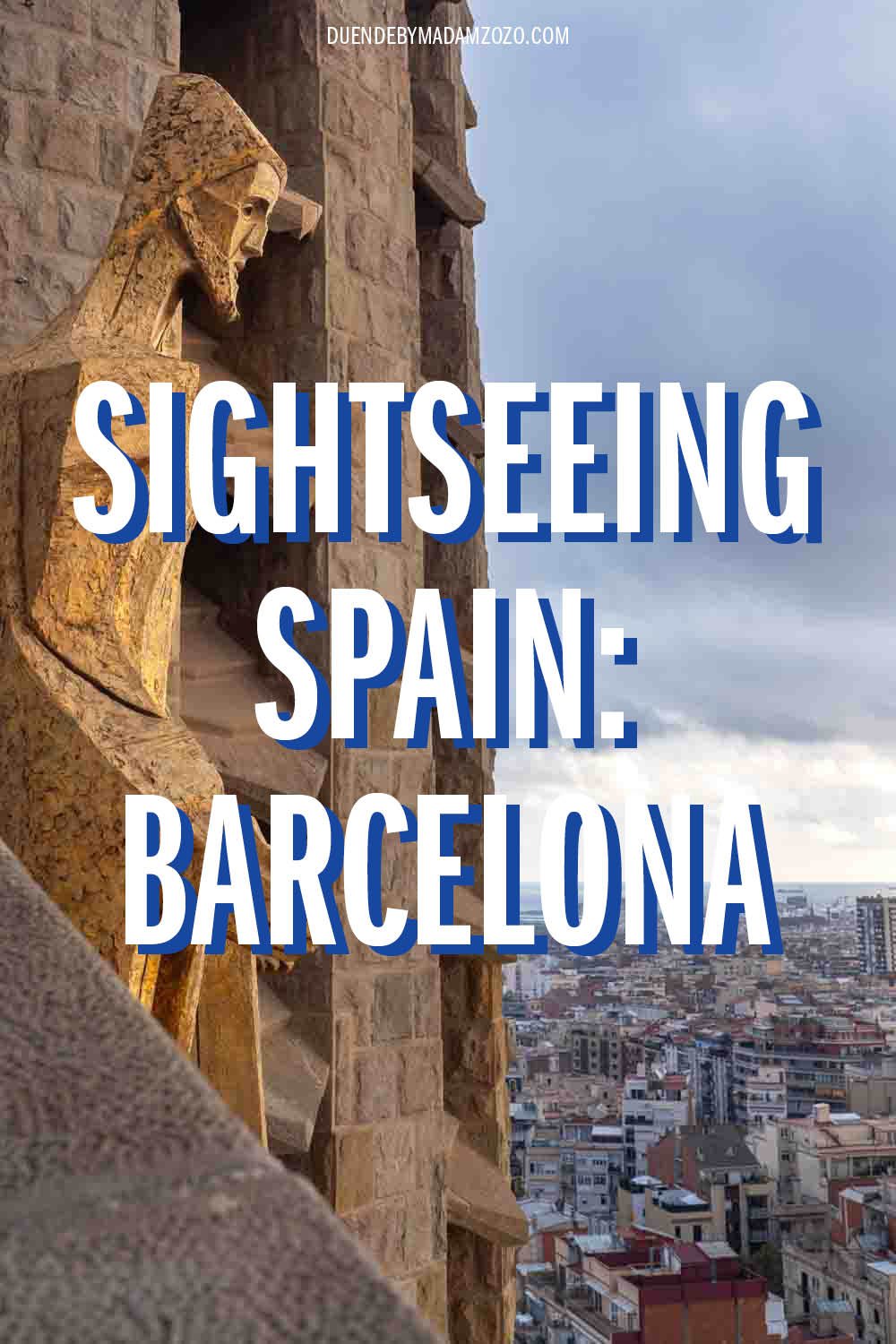
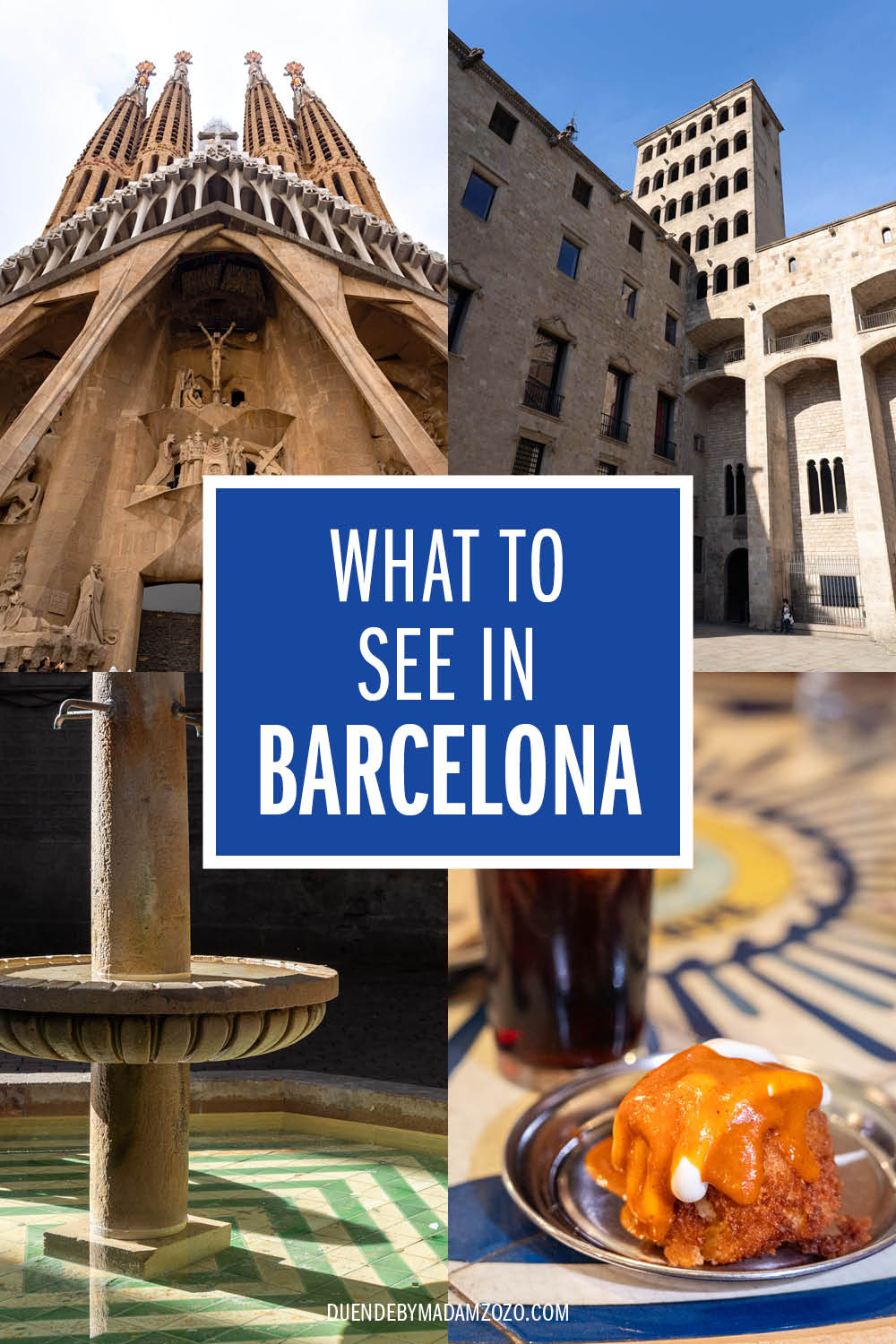
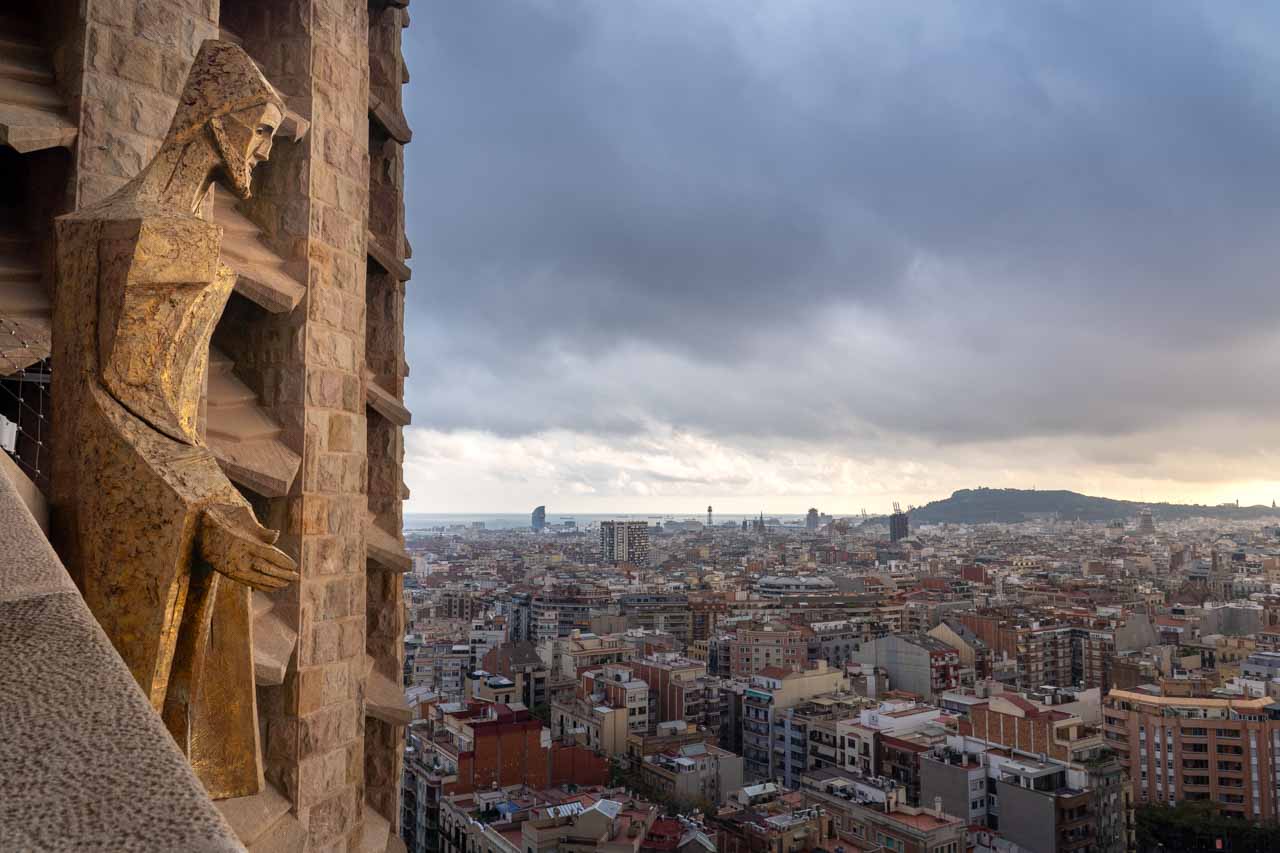
Gaudí’s still-incomplete masterpiece defines the city skyline. Inside, sunlight filters through kaleidoscopic stained glass, casting rainbow light on dendritic columns. Every detail is symbolic, blending nature, faith and geometry. Honestly, it’s far from my favourite building in the world, but you have to respect the imagination, creativity and engineering.
Pre-book your ticket months in advance— this is Barcelona’s most visited attraction. You may also choose to go up one of the towers. The Passion Tower is better for city and Mediterranean views, while the Nativity Tower looks to the Monserrat and is the tower built during Gaudi’s lifetime.
Park Güell
Originally designed as a housing estate, this park is a fairytale of mosaics and curves overlooking Barcelona. It became one of Gaudí’s most imaginative public spaces and is among the Gaudi works Heritage Listed by UNESCO. Wander through the serpentine benches, and tree-lined pathways for sweeping views of Barcelona and the Mediterranean.
The most popular section of the Park is ticketed and it is wise to book your timeslot in advance. Also, grab a paper map or download one while you’re still in town, because connectivity in the Park is limited. This goes for using rideshare apps too. You’ll probably hail a cab the old-fashioned way cab- for your return trip.
Hint: There are two accepted ways of pronouncing the Park’s name: in Catalan “Gw-ay” and in Spanish “Gw-ehl”.
Casa Batlló and Casa Milà (La Pedrera)
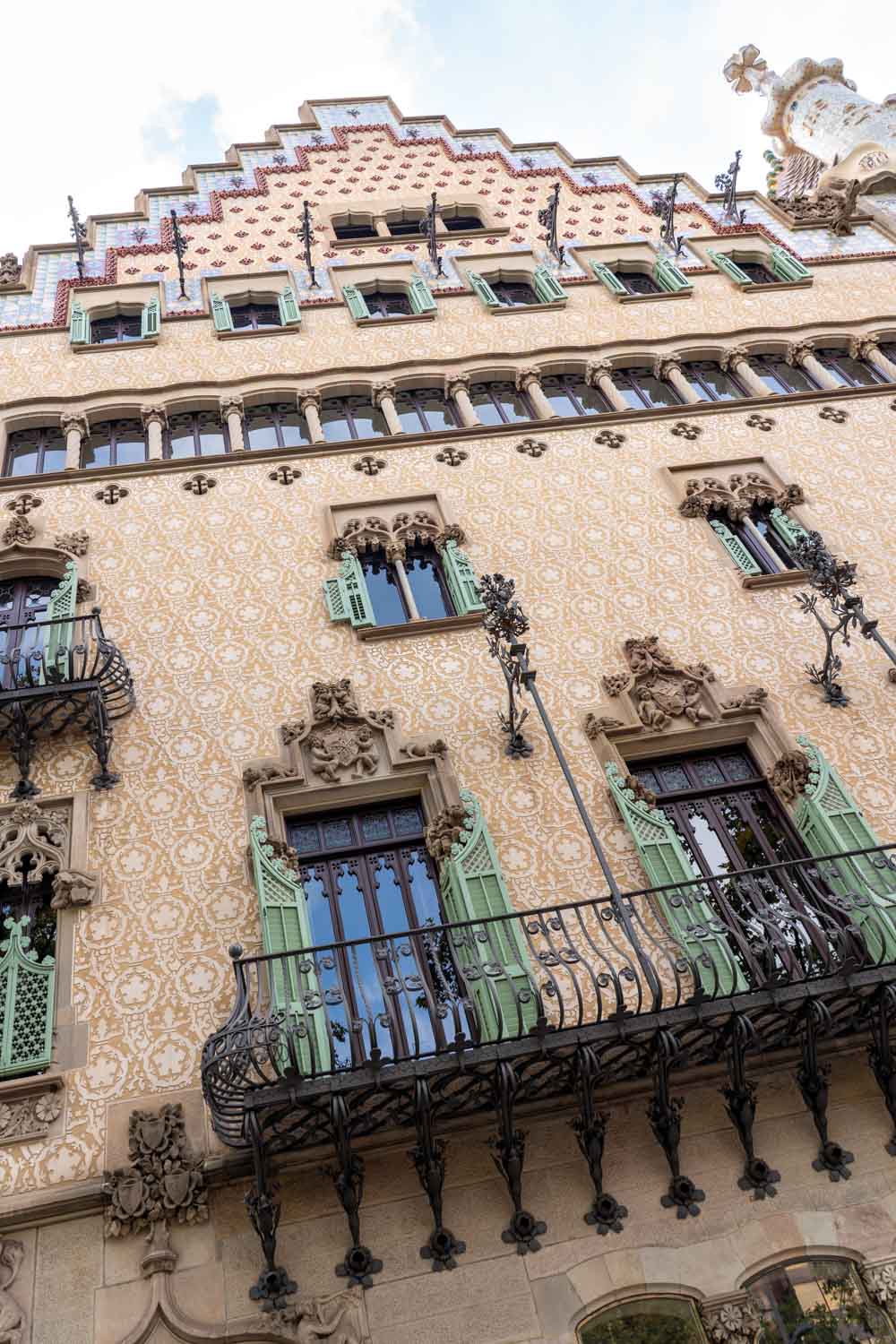
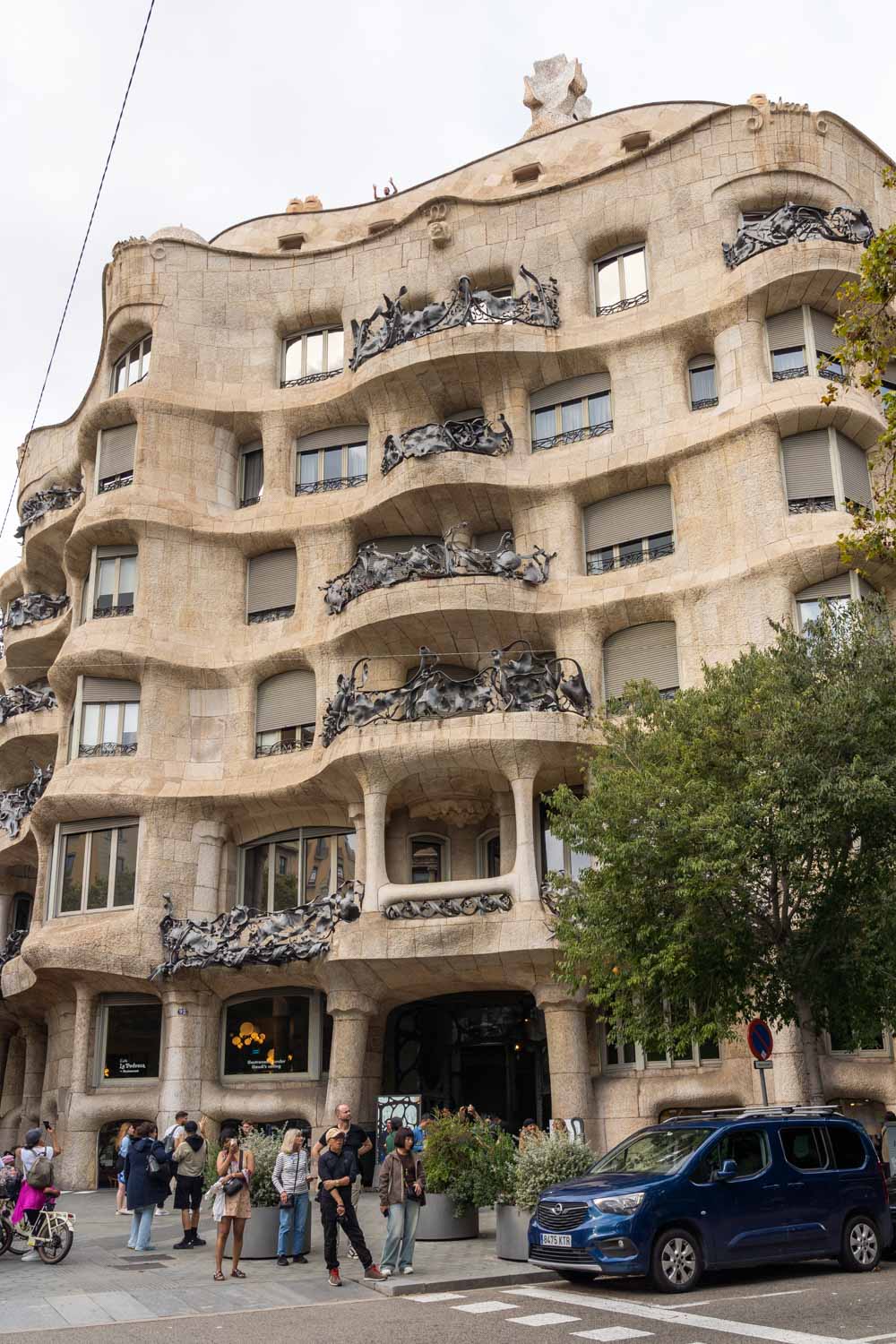
There are various examples of Gaudi architecture available to visit throughout Barcelona. These two icons of Modernisme along Passeig de Gràcia are among the most popular. Casa Batlló shimmers like a dragon’s back, while La Pedrera’s undulating stone façade and sculpted rooftop chimneys showcase Gaudí’s genius for organic form and light. We did not have time to explore the interiors of these buildings, but from my research, Casa Batlló is the most loved among Gaudi enthusiasts.
Barri Gòtic and the Cathedral of Barcelona
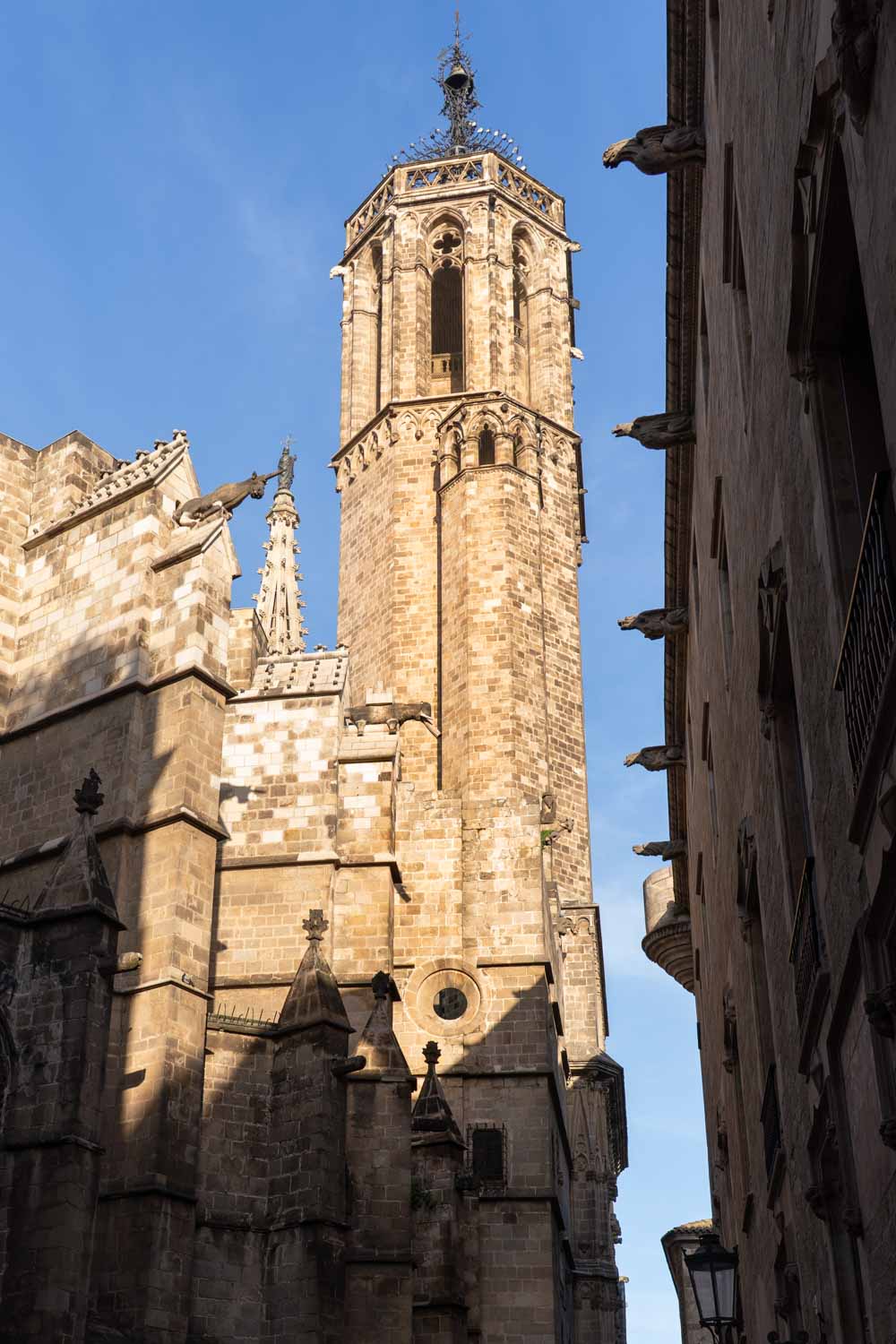
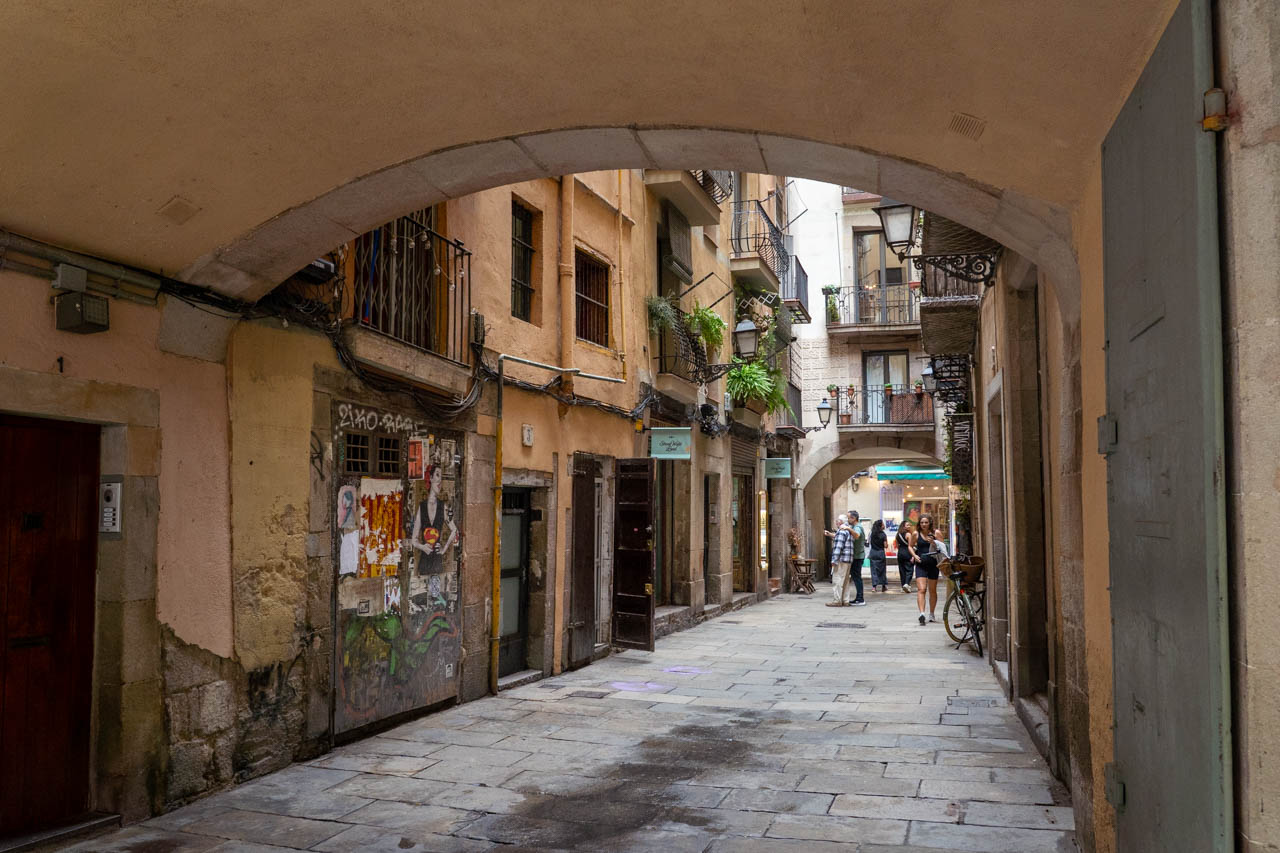
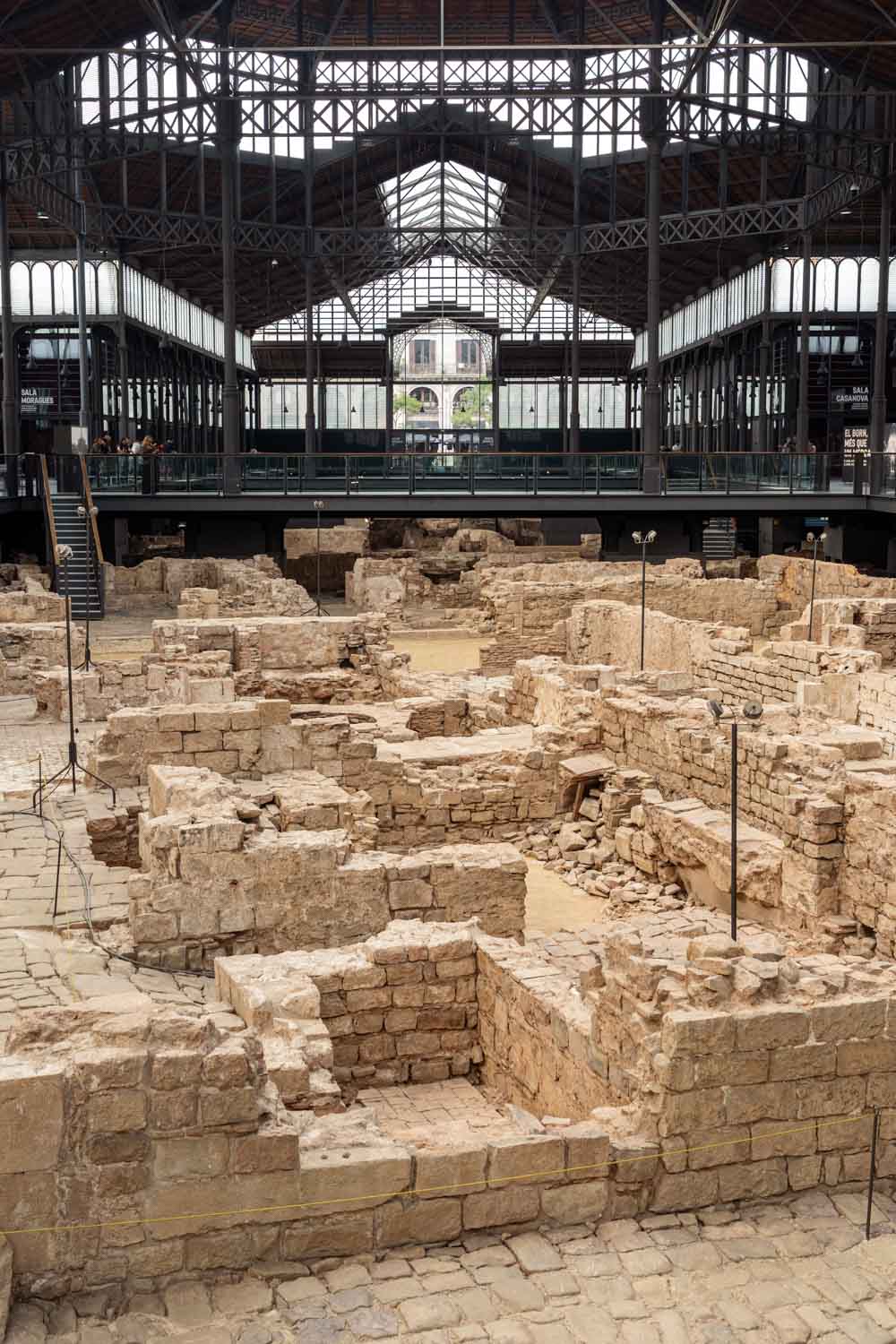
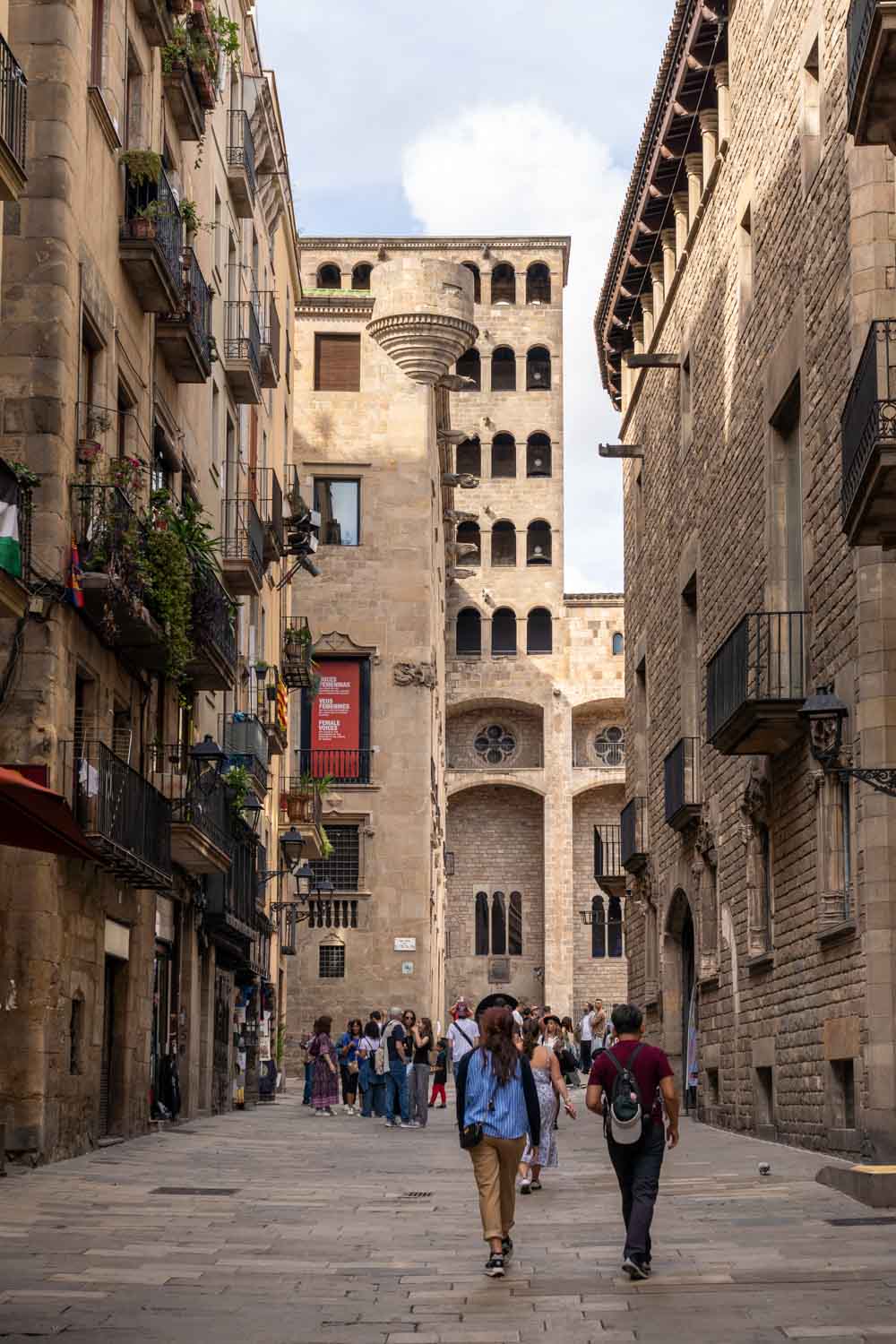
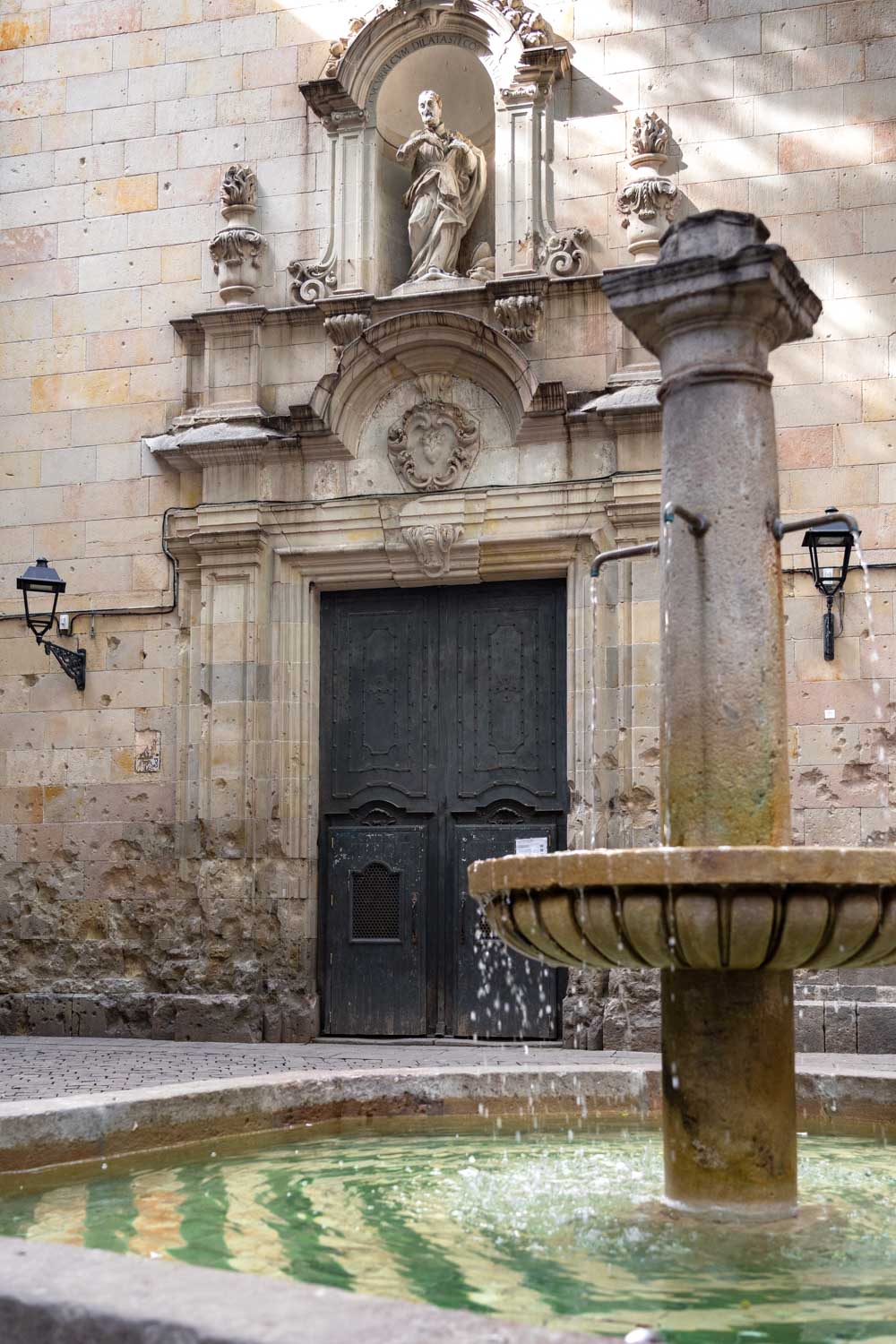
Wander the quirky maze of alleys in the Gothic Quarter, where medieval façades conceal Roman ruins and centuries-old courtyards. Don’t miss Barcelona Cathedral and its cloister, home to thirteen white geese – one for each year of Saint Eulalia’s life. Also, take advantage of the free El Born Culture and Memory Center, where an archeaological site was found under a historic marketplace. Jump on a pay-as-you-wish tour to get the most out of your Gothic Quarter explorations.
Food tour
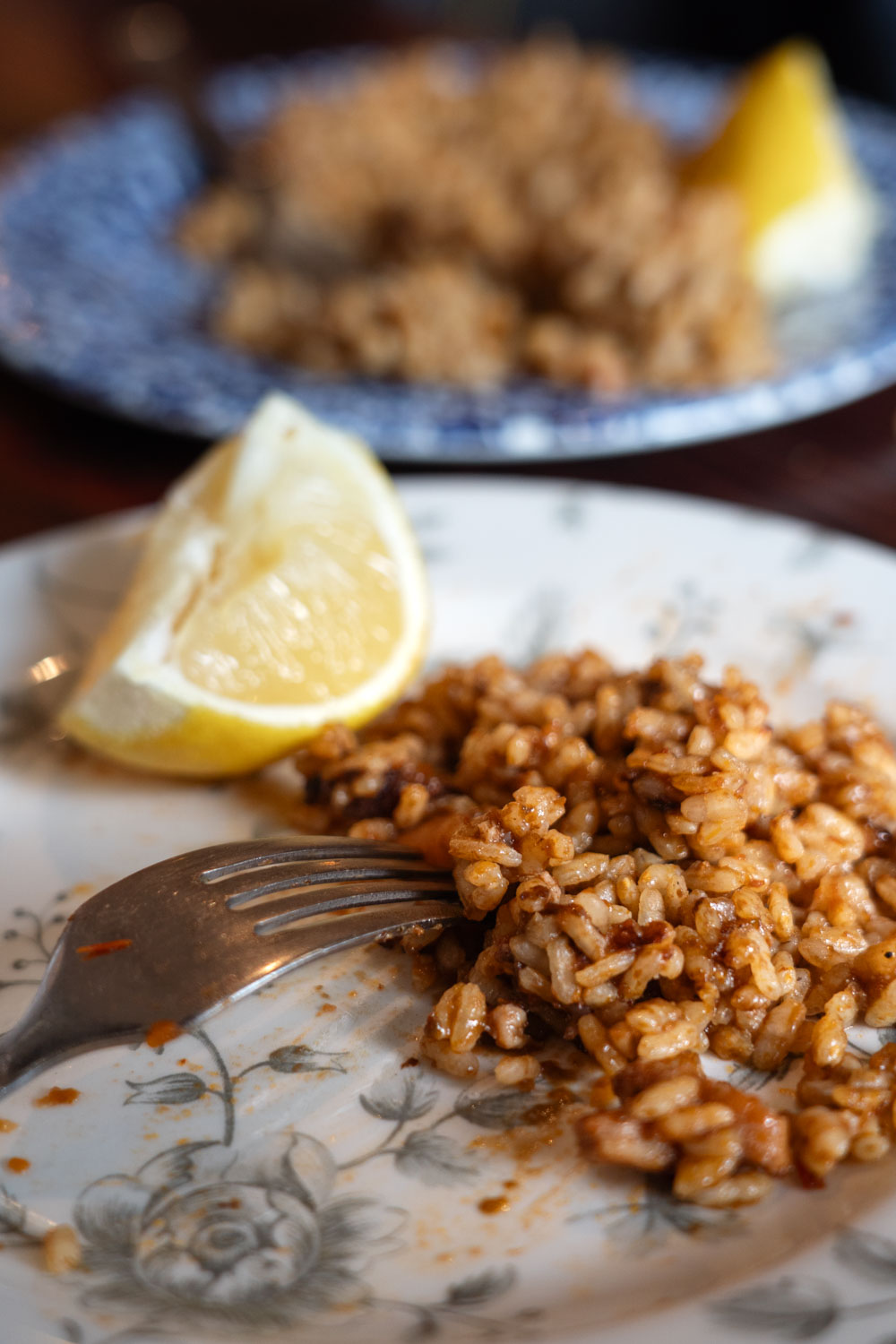
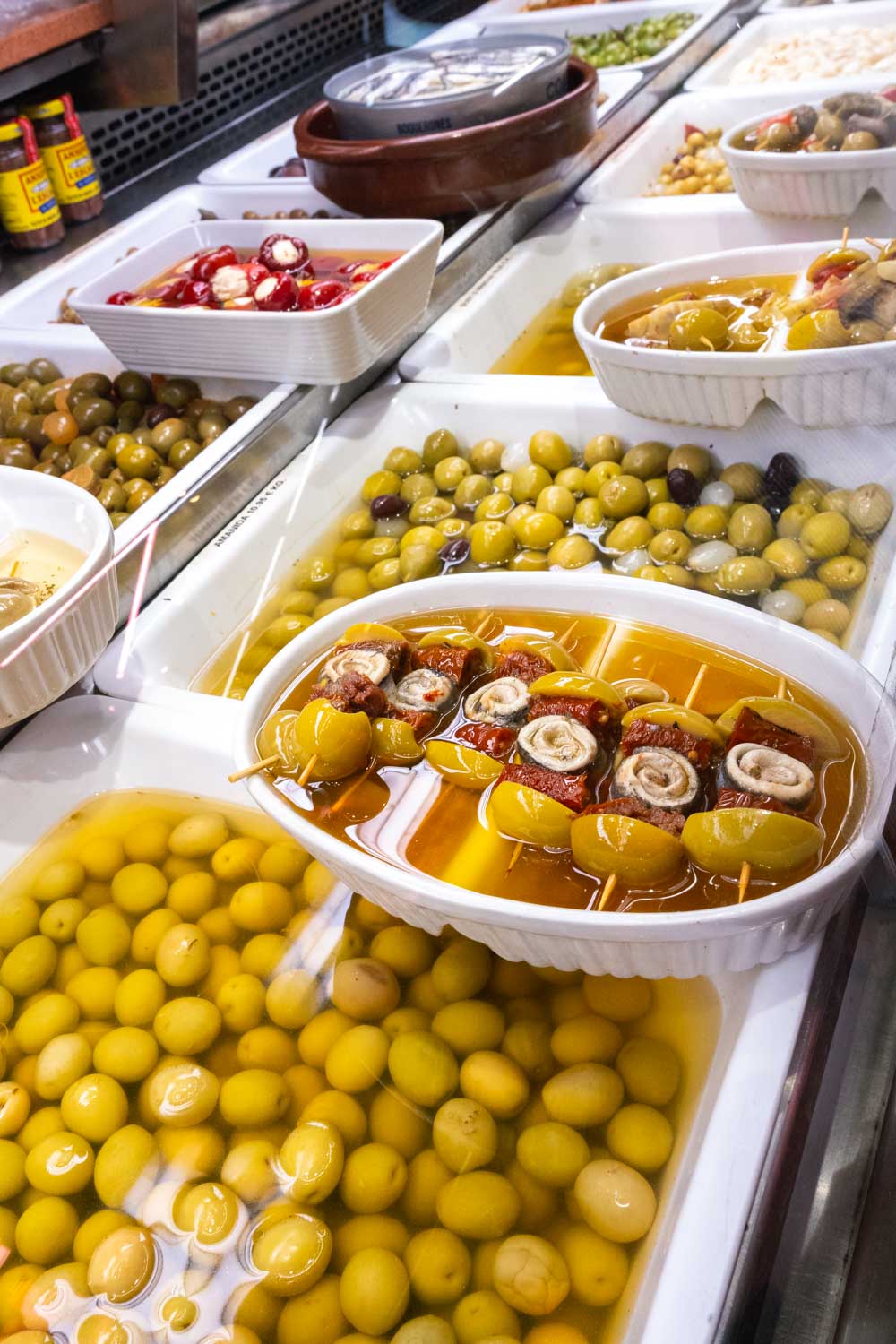
A Barcelona food tour—like this one we did with Devour Tours—is the perfect intro to the city and Spain in general. The tour provided us a general history of the city and more specifically for Spanish and Catalan cuisine. We were introduced to foods, outlets and restaurants that it is highly unlikely we would have found on our own. It was also an important crash course into seeking out more authentic, higher quality ingredients and dishes. Plus, an etiquette lesson on how to be respectful visitors in local markets, shops and restaurants.
More things to do in Barcelona
We only had two full days in Barcelona, but if we had more time, here’s what we would add to our itinerary:
Montjuïc and the Magic Fountain – Ride the cable car up Montjuïc for gardens, museums, and panoramic views. Visit the MNAC for Spanish art and in the evening, watch the Magic Fountain light-and-music show.
Ciutadella Park – The city’s oldest green space containing highlights such as the city zoo, Parliament of Catalonia and Cascada fountain.
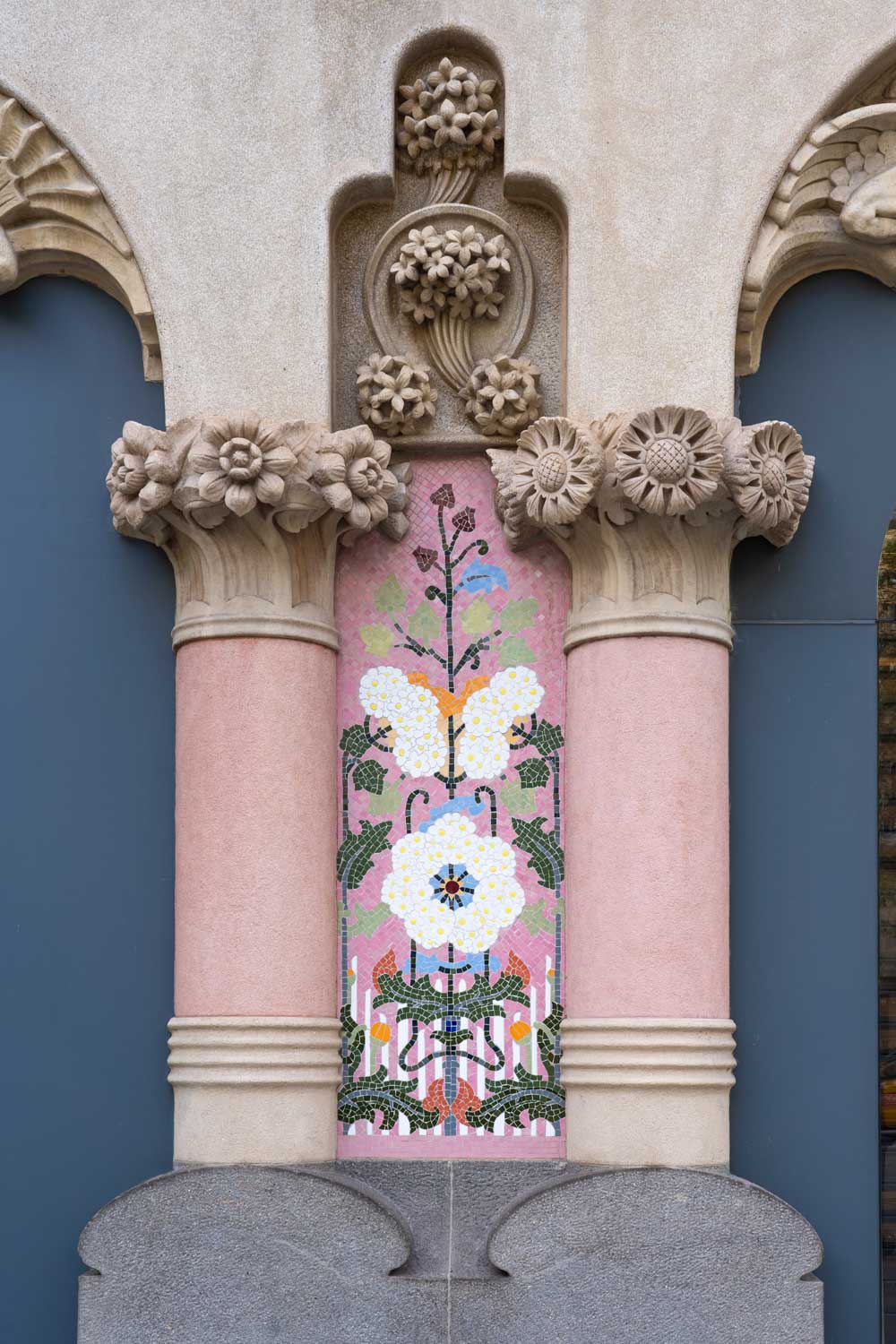
Palau de la Música Catalana – Tour the jewel of Catalan Modernisme designed by Lluís Domènech i Montaner.
Hospital de Sant Pau – Explore another Domènech i Montaner design and UNESCO-listed hospital complex.
Picasso Museum – See some of Picasso’s early works that are said to reveal his formative connection to Barcelona.
Barceloneta Beach – As Australians, we’re pretty snobby about beaches, so we opted to skip this. Barceloneta Beach was created in the lead up to the 1992 Olympics, when industrial shoreline was redeveloped with sand imported from Egypt. We’d prefer to save our time for Spain’s better beaches and shorelines.
Sample itineraries for Barcelona
One day in Barcelona
If you only have one day in Barcelona, start with a walking tour of the Gothic Quarter and lunch in El Born. Follow up at Sagrada Família (book ahead) and finish at Park Güell.
Two days in Barcelona
Spend your second morning wandering Passeig de Gràcia to admire the exteriors of Barcelona’s impressive architecture. Select one interior to enjoy, such as Gaudi’s Casa Batlló or La Pedrera, then enjoy a leisurely lunch nearby, or eat, learn and sightsee on a food tour. In early evening, head to the Picasso Museum.
Three days in Barcelona
Explore Barcelona Cathedral and Palau de la Música Catalana. In the late afternoon, take the cable car up Montjuïc for museums and gardens. Enjoy the Magic Fountain show after dark.
Barcelona is easy to love. From architectural masterpieces to medieval streets, lively markets to artistic city parks. Allow longer than you think, Barcelona rewards curiosity, creativity and a slow pace. Wherever you wander, you’ll find there’s always more to discover.
Peace, love & inspiring travels,
Madam ZoZo
Pin for later…