Packing for Spain can be trickier than it seems. This is a country of contrasts—spanning sunny beaches to snow-capped peaks, cosmopolitan cities to sleepy villages. Knowing what to pack for Spain depends on when and where you go. From summer festivals in Barcelona to hiking in the Pyrenees or strolling Andalusian plazas, this all-season Spain packing guide covers what to wear, what to expect, and the extras that will make your trip easier and more enjoyable. If you’re planning an itinerary, check out my 10-day highlights of Spain for inspiration.
Disclosure: I may earn compensation from the purchase of any product or service linked on this website, at no extra cost to you. I only link to products I use and love, therefore feel comfortable recommending.
Spain’s climate
Spain is a large and diverse country with wide ranging climates and topography. You need to research and consider the climate of your specific destinations. Here’s a brief overview:
Mediterranean Coast (Barcelona, Valencia, Costa del Sol)
Summers are hot and dry, with average minimums around 18°C (64°F) and maximums reaching 31°C (88°F). Winters are mild, averaging 5–16°C (41–61°F). Rainfall is generally light, though spring and autumn months can be wetter. Barcelona only experiences about 55 rainy days per year, so precipitation year-round is on the lower end of the scale.
Inland (Madrid, Castilla-La Mancha)
This region experiences big seasonal swings. Summers are scorching, with lows around 17°C (63°F) and highs up to 36°C (97°F). Winters can be surprisingly cold, averaging 2–12°C (36–54°F). A place like Madrid experiences about 85 rainy days per year, still relatively low versus say…
North (Basque Country, Asturias, Galicia)
The north is cooler and wetter, with a lush, green landscape year-round. Summer temperatures are mild, with averages of 11–25°C (52–77°F). Winters are chilly and damp, averaging 4–14°C (39–57°F). Rain is frequent throughout the year. The capital of Basque Country, Bilbao, experiences about 128 rainy days annually. If you’re familiar with the Pacific Northwest U.S.A., the north of Spain is climatically similar.
South (Andalucía)
Andalucía’s summers are blistering, averaging 16–35°C (61–95°F), while winters are very mild, ranging from 0–17°C (32–63°F). Summers are dry and there is only 20-30% chance of rain on any given day, in the wettest months.
Islands
The Balearics (Mallorca, Ibiza, Menorca) mirror the Mediterranean coast, with summer averages of 19–31°C (66–88°F) and mild winter temperatures of 7–16°C (45–61°F). The hotter months are dry and cooler seasons see higher precipitation, especially autumn.
The Canary Islands enjoy a mild climate year-round. Summers are dry with minimums around 21°C (70°F) and highs near 28°C (82°F). Winter temperatures range from minimums of 16°C (61°F) to maximums around 24°C (75°F), with some rainfall.

Clothing and comfort
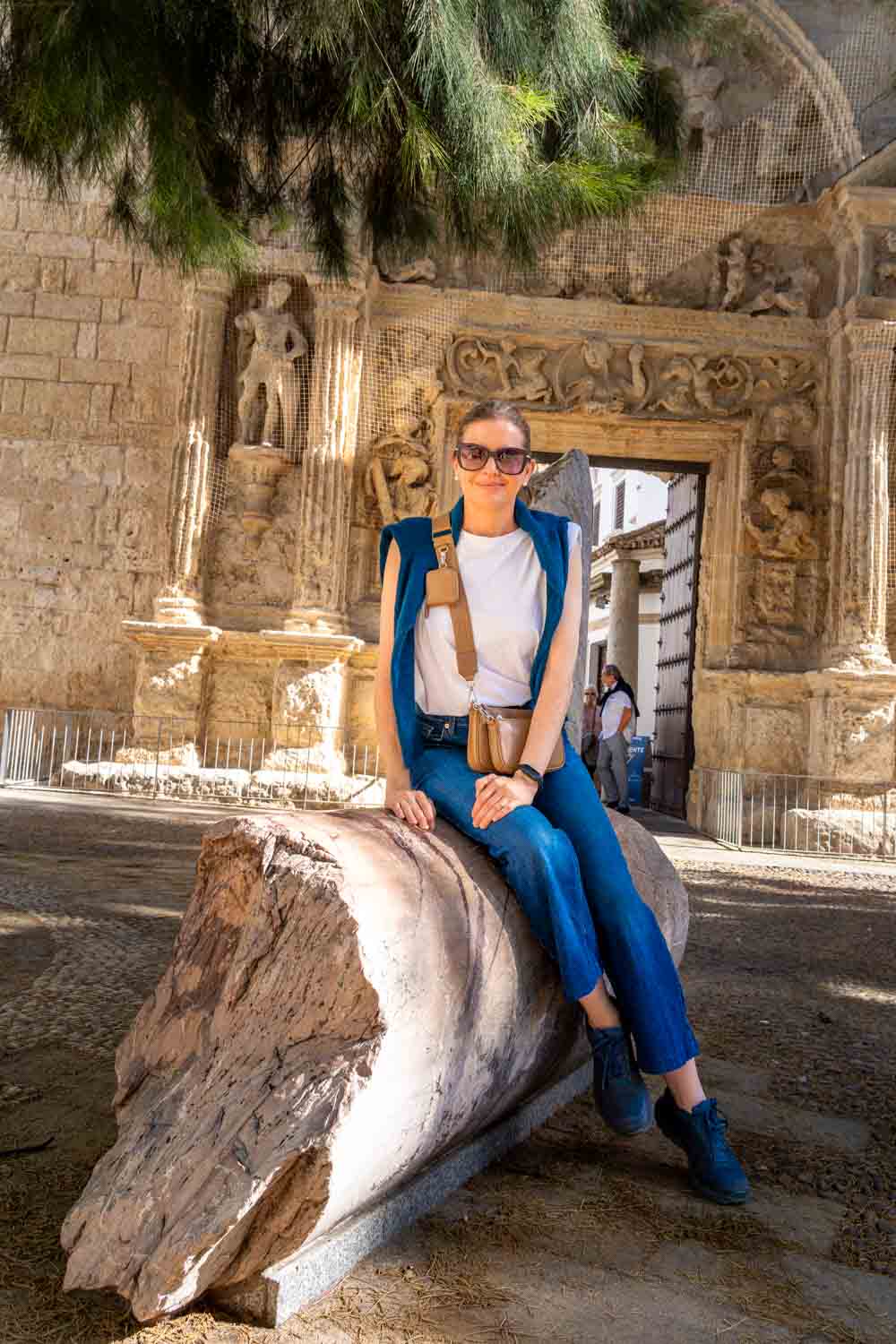
Comfort starts with layers. Spain’s diverse climates mean mornings may feel cool while and by the afternoon you are baking. Bring breathable clothing that adapts easily. Merino wool is a great option for winter, along with synthetic blends. In summer, opt for linen, cotton or hemp. Always have a sweater and/or scarf on standby for the mornings and evenings when the temperature can drop.
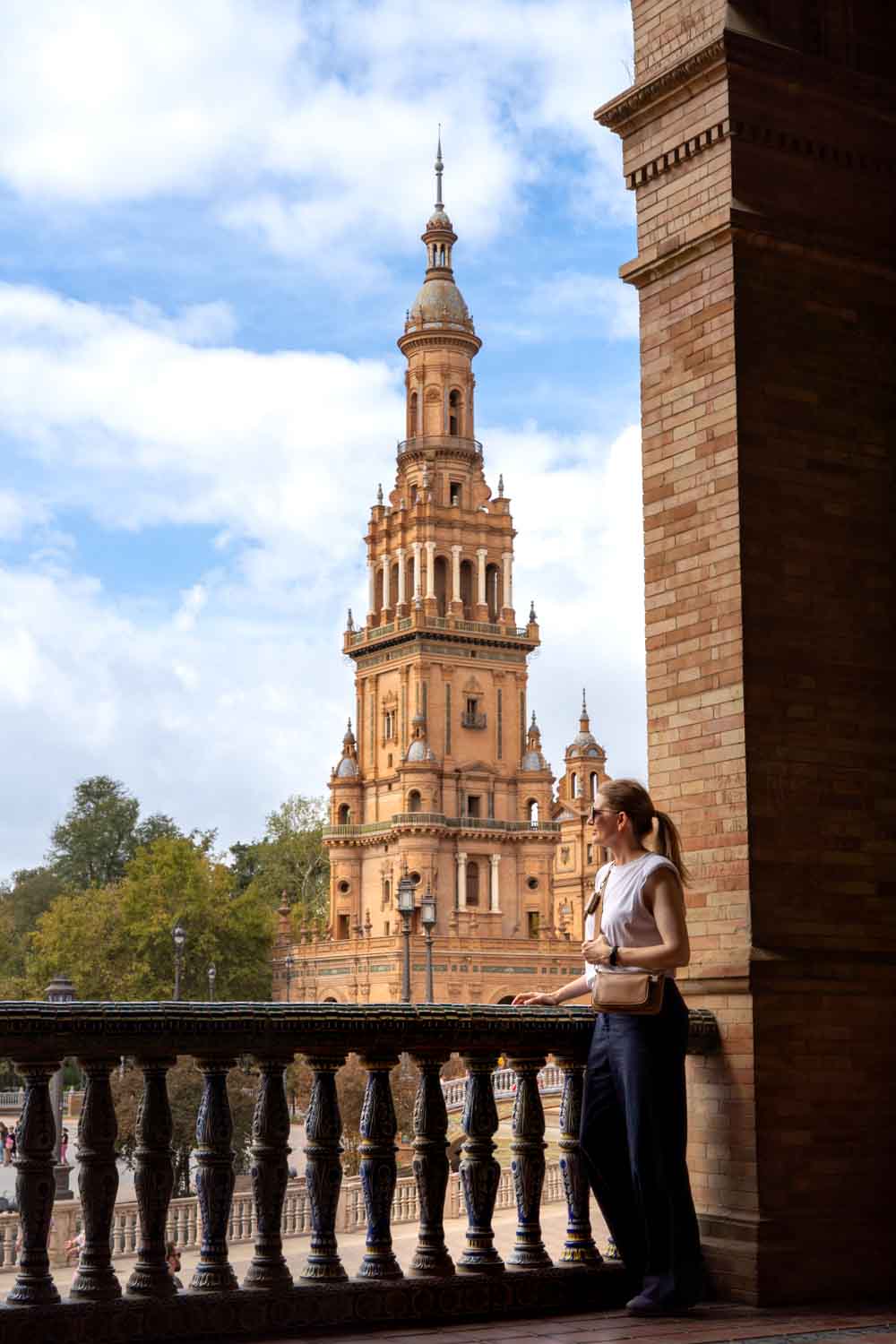
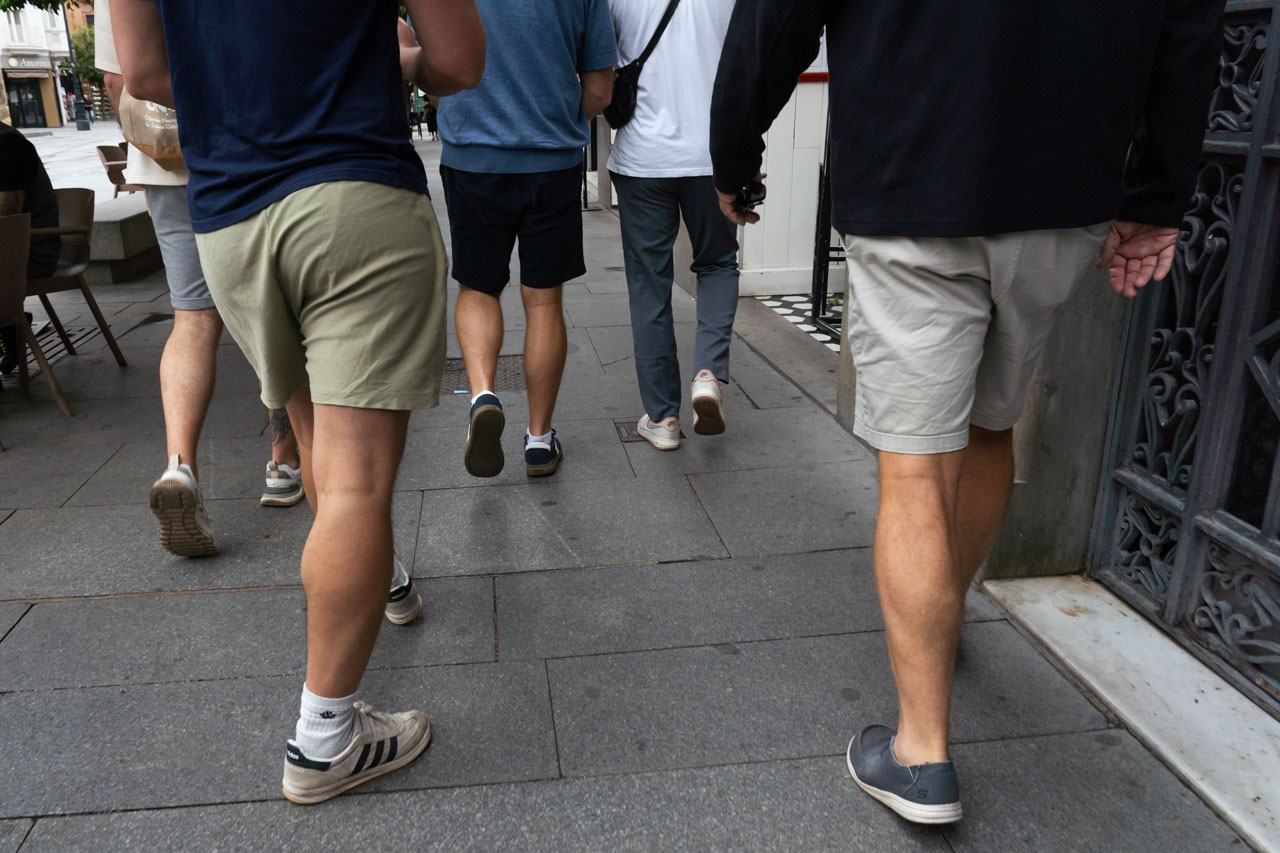
In cities, locals usually favour a smart-casual style. While shorts and sneakers are fine for the beach, you’ll blend in better in Barcelona or Madrid with neat, well-fitted outfits.
Good shoes are non-negotiable: between cobbled streets, hills and long days exploring, your feet will thank you for sturdy walking footwear. Air-conditioning is not as common or strong as in places like North America, Australia and Singapore, so choose breathable fabrics for summer.
Communication
Spain’s official language is Spanish (Castellano), though you’ll also encounter regional languages such as Catalan in Catalonia, Basque in the Basque Country, and Galician in Galicia. English proficiency varies across the country—major cities and tourist hubs generally have good English comprehension, while smaller towns and rural areas may have more limited ability, so a few polite Spanish phrases go a long way.
When it comes to everyday communication, Spaniards overwhelmingly favour WhatsApp for messaging and even for making reservations at restaurants, tours and small businesses, so it’s worth having the app installed before you arrive.
Free Wi-Fi is easy to find in cafés, hotels, transport hubs, and many public spaces, though speeds and reliability can vary. For seamless navigation, translation, and staying connected on the go, consider using an eSIM during your trip. It saves you hunting down a local SIM card on arrival and keeps your data active from the moment you land. See my full, top to bottom eSIM guide here.
Currency and payment methods
Spain uses the Euro (€), and cash is still useful in some situations. ATMs are easy to find, and withdrawing directly usually gives better rates than currency exchange desks.
Credit and debit cards are widely accepted, particularly Visa and Mastercard, though American Express is less so. Even small purchases at cafés and bakeries can often be paid with a card. Mobile payments like Apple Pay and Google Pay are increasingly popular, especially in big cities. That said, carrying a little cash is still wise for markets, rural towns and emergencies.
Etiquette
Dressing neatly is appreciated, especially in cities, and modest clothing is expected when entering religious sites such as cathedrals or monasteries. Cover your chest, midriff, shoulders and upper legs to the knee when visiting such sites.
Though flamenco dresses and matador often symbolise Spain abroad, these are traditional outfits tied to specific cultural events in one region of the country, Andalucia. Pack practically and aim for versatility rather than stereotypes.
Electronics
Spain operates on 220-volt, 50Hz electricity, so most modern phones, laptops, and tablets will work without issue if you have the right plug adaptor. The country uses Type C and Type F plugs with two round pins, as you will find in most of Europe. Unlike the UK or Australia, outlets typically don’t have switches, so unplugging devices when they’re not in use saves power. A universal adaptor is a smart investment if you’re planning to travel more widely.
Environment
Shops and supermarkets charge for plastic bags, so packing a lightweight tote for groceries or market finds is useful.
Think about minimizing other packaging and disposables as much as possible – these guides will provide some ideas: 8 Essential Eco-Friendly Travel Products and 5 Steps to More Sustainable Travel.
Health
Spain’s healthcare is excellent, but it’s important to travel with insurance that covers medical care. EU citizens can use their EHIC or GHIC (UK) cards, and everyone should carry their travel health insurance details with them.
Pharmacies, marked with a green cross, are easy to find and well-stocked. Pharmacists are knowledgeable and can often help with minor ailments.
Remember that legal and/or prescribed medication in your home country, may be a controlled substance in another. Be informed about the substances that you take across borders. Always carry a copy of your prescription and leave your medication in its original packaging.
Sunscreen is available but tends to be expensive, so it’s worth packing your own. Remember that smaller towns may still observe siesta hours, and you may find pharmacies closed in the mid-afternoon.
If you’re visiting during summer, take extra care in the midday heat: wear a wide-brimmed hat, apply sunscreen generously, and seek shade during the hottest hours.
Tap water in Spain is safe to drink. Carry a refillable water bottle to stay hydrated and reduce plastic waste. In restaurants, you need to specifically request tap wate, as the default is the bottled stuff and it can be quite expensive.
Passport, visas and insurance
Your passport should be valid for at least 3-months beyond your intended travel dates. That’s 3-months from your departure date from Spain. See this government website for a full, detailed list of official entry requirements.
Spain is part of the Schengen Area, which allows travellers from countries like Australia, Canada, the UK and the US to stay visa-free for up to 90-days within a 180-day period. Always confirm requirements based on your nationality before travelling. Border officials may also request to see your return ticket, tour reservations, proof of accommodation and sufficient financial means.
Travel insurance is strongly recommended—not just for medical reasons, but also to redeem financial losses in case of theft, travel delays or cancellations. Here’s a few instances where we’ve been relieved to have good travel insurance.
Security
Spain is a safe country, but like most popular destinations, pickpocketing and theft are something to be aware of. Big cities, like Barcelona and Madrid in particular, are known for pickpockets, especially in crowded spaces like metros, markets and tourist areas.
Keep valuables secure in a zipped cross-body bag and avoid leaving phones or wallets on café tables. It’s best to store passports and spare cash in your hotel safe rather than carrying them all day. However, everyone in Spain (including citizens) is required to carry valid, government-issued ID at all times. If this is your passport, carry it securely.
Get more tips on keeping safe and secure in Spain over here.
Tipping in Spain
Tipping in Spain is not customary. In restaurants, rounding up the bill or leaving up to 10% for exceptional service is considered generous. In cafés and bars, locals usually just leave small change. For taxis, rounding up to the nearest euro is normal.
In international hotels, tipping is more common because staff have been conditioned by North American visitors. Don’t feel obliged. We should all stick to the cultural norms of the country we are visiting, not impose our own.

All-season essentials
Before we get into season-specific Spain packing lists, there are a few things that you should pack no matter what time of year you are visiting.
Underwear, bras and socks – pack just a week’s worth and wash in the shower or bathroom sink.
Sleepwear – including sleep mask and earplugs if you’re a sensitive sleeper.
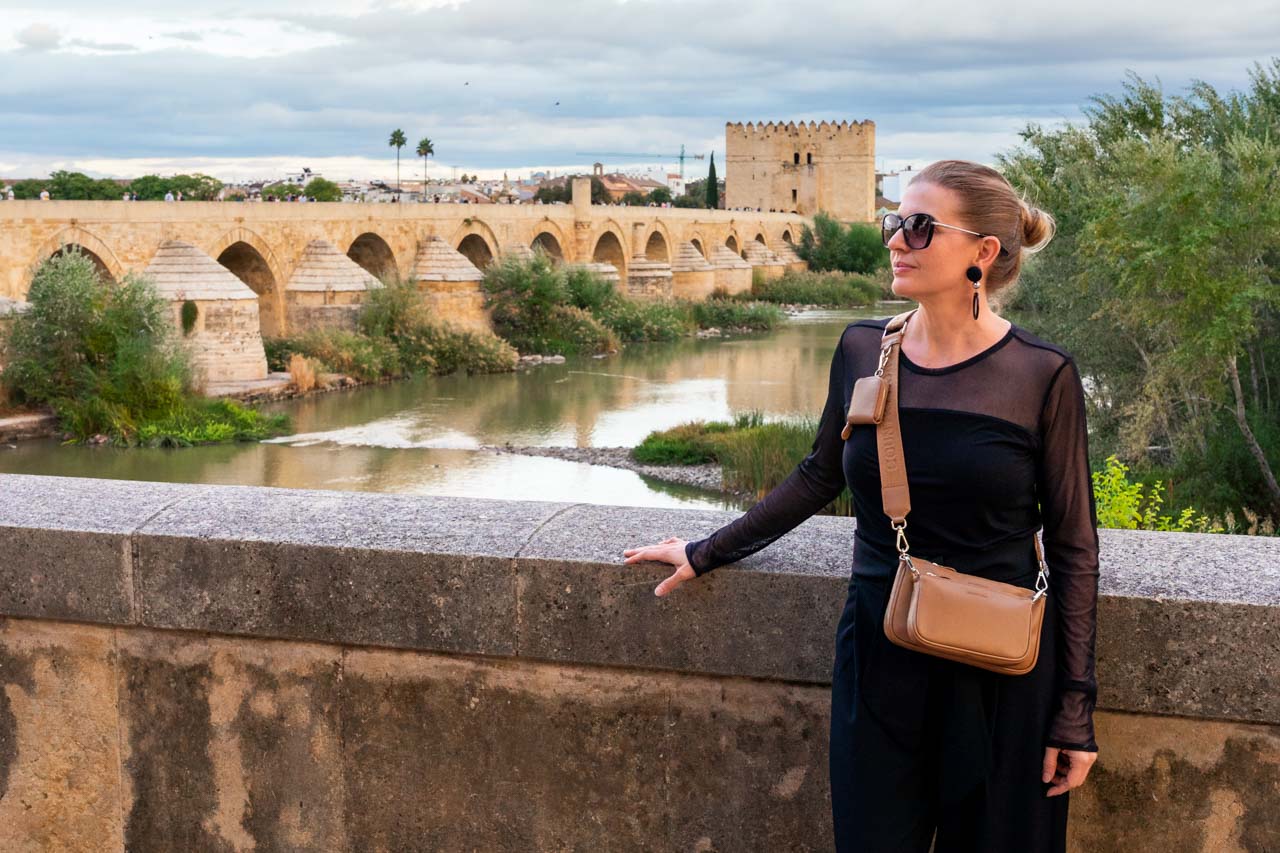
Day bag – Depending on the size of your camera, you can get away with a medium-sized day bag. Choose one with a crossbody strap for extra security and the convenience of being hands-free – better still, a small to medium-sized backpack.
Sunglasses – preferably UV-rated to protect your eyes , especially if you’re spending time near water or snow.
Accessories – A handbag, jewellery (preferably costume jewellery rather than valuables) or other accessories are great for varying the same few pieces of clothing.
Gadgets – Headphones, chargers, adapters, camera, batteries, SD card and phone. A portable charger may be necessary if you are using your phone as a camera, which drains the battery.
Hand sanitiser – Stay healthy while on vacation and always carry hand sanitizer in your day bag for when handwashing facilities aren’t available.
Seasonal Packing Lists
What to wear in Spain in winter (December – February)
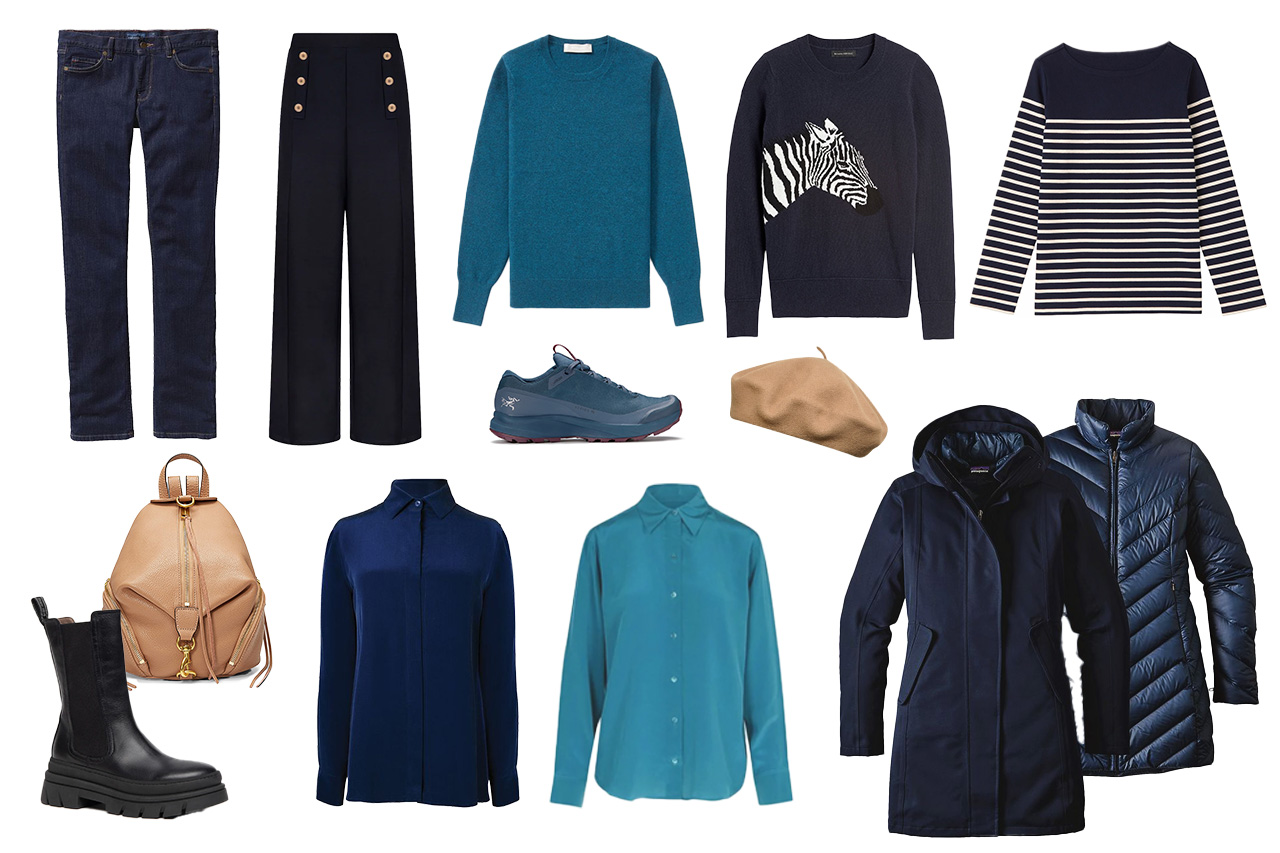
Spanish winters vary by region. In the north and inland areas like Madrid, temperatures can drop close to freezing, while Andalucía remains comparatively mild. In the mountains, expect snow and pack accordingly. Bring a warm coat, sweaters, trousers, scarves, gloves and comfortable boots. Coastal areas are milder but still cool—think lightweight layers and a jacket.
Wool or thermal base layers
Long-sleeve shirts (1 for every 2–3 days)
2 sweaters (Merino wool or cashmere work well for city breaks, polar fleece for more adventurous pursuits)
2-3 pairs of jeans or long pants
Warm coat (ideally also waterproof)
Rain jacket or poncho if your outerwear above is not waterfproof
Scarf, gloves and warm hat
Waterproof walking shoes or boots
What to wear in Spain in spring (March – May)
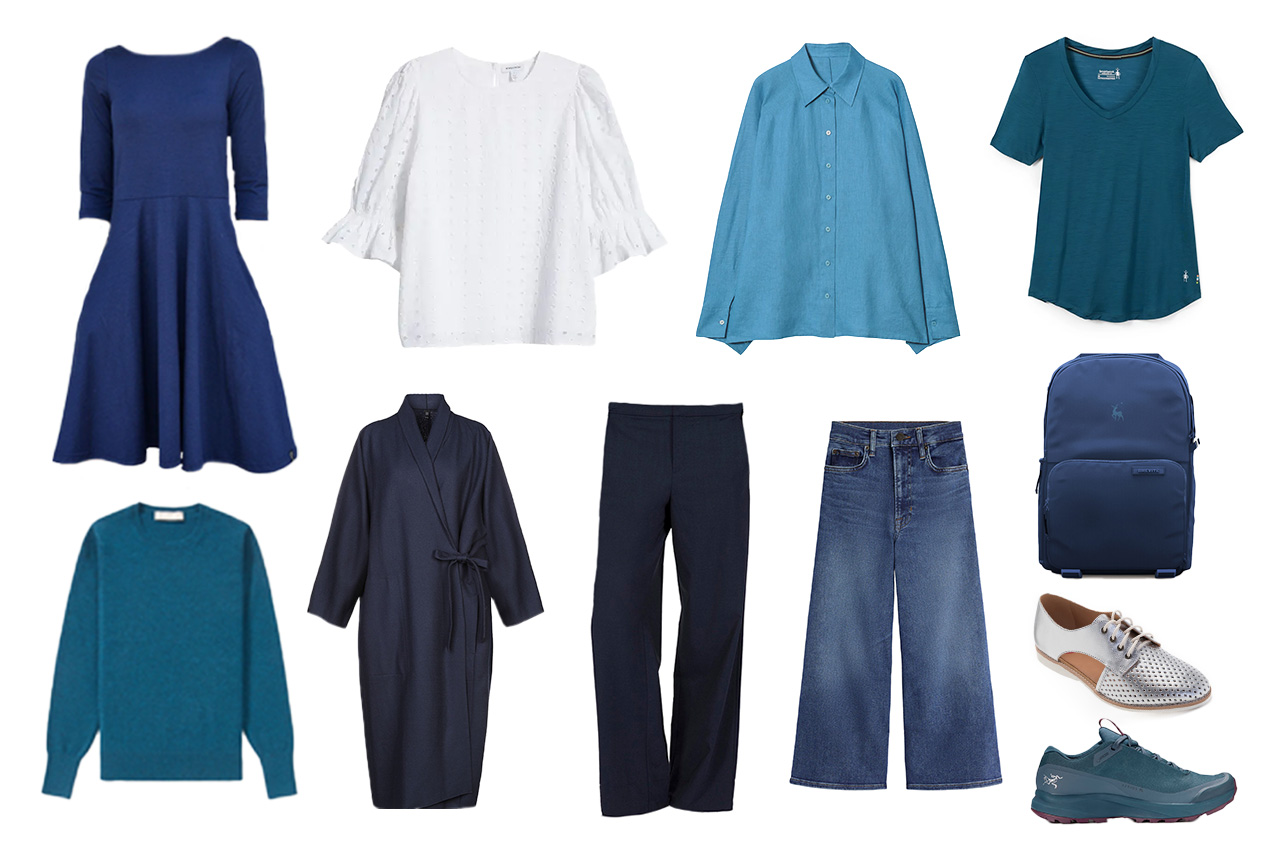
Spring is one of the best times to visit Spain, with blooming landscapes and mild temperatures. Layers are your best friend as mornings and evenings can be cool, while afternoons are warm. Pack jeans or trousers, t-shirts, long-sleeve tops, a light sweater, and a jacket. Comfortable walking shoes are a must, as this is an ideal season for sightseeing. Don’t forget a rain jacket or umbrella, especially if you’re heading north.
1 light base layer for cooler mornings
1–2 pairs of jeans or chinos
1 pair of tailored trousers or skirt for evenings
4 long-sleeve or mid-weight tops
1 sweater or cardigan
1 medium-weight coat or trench
1 rain jacket
1–2 light scarves (cotton or silk)
Comfortable walking shoes plus dressy flats or loafers

What to wear in Spain in summer (June – August)
Summers in Spain can be scorching, particularly in the south and inland. Lightweight, breathable clothing is essential. Think shorts, skirts, dresses, t-shirts, sandals, and a hat for sun protection. Sunglasses and plenty of sunscreen are non-negotiable. In coastal areas, pack swimwear for beach days. Remember that air-conditioning may not always be strong, so breathable fabrics will keep you more comfortable indoors too.
2–3 pairs of lightweight trousers, skirts, or shorts
3–4 breathable tops (e.g. cotton or linen), sleeves and collar for sun protection
2 casual dresses or jumpsuits
1 light sweater for evenings
1 lightweight rain jacket or poncho (for northern Spain)
1 wide-brimmed hat
Swimwear and cover-up
Comfortable sandals and walking shoes
Sunscreen, after-sun lotion, lip balm SPF
What to wear in Spain in autumn (September – November)
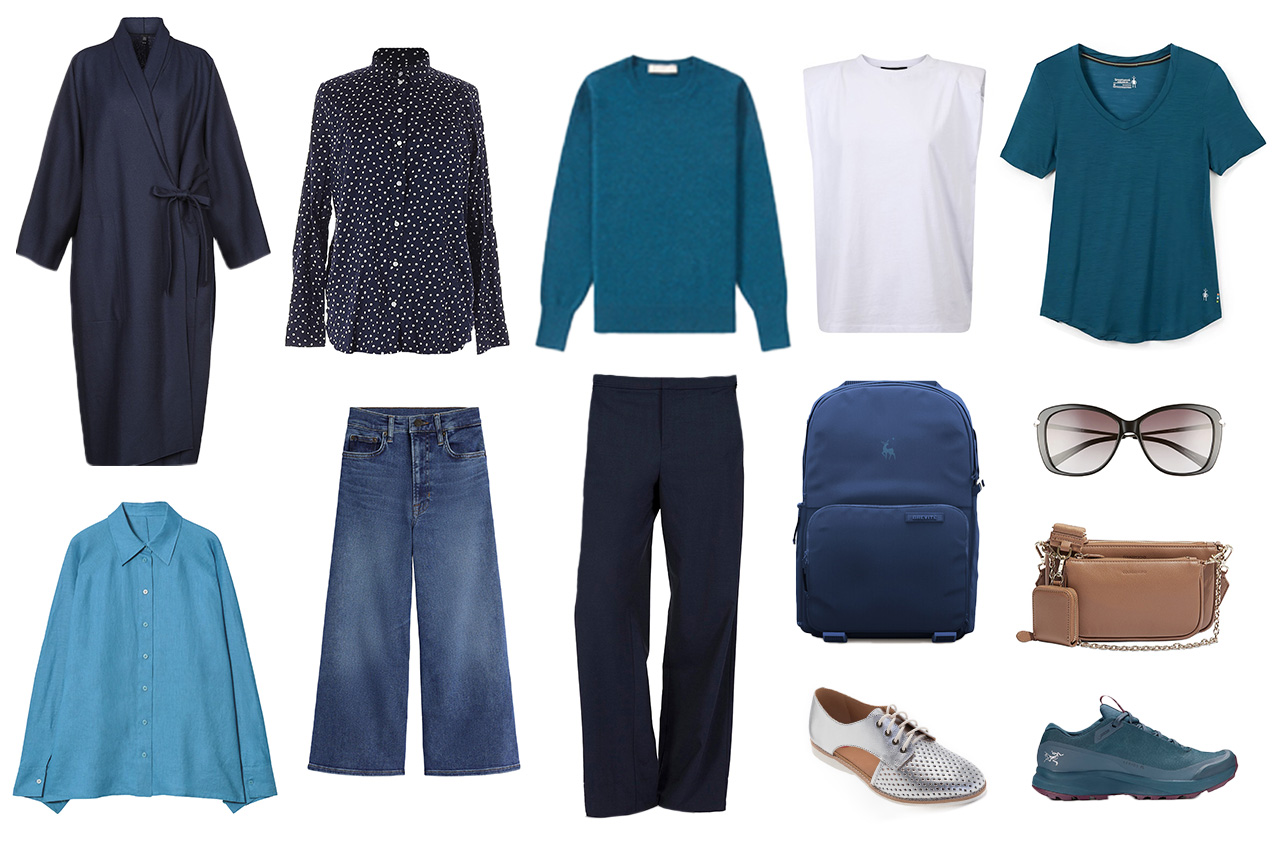
Autumn is another great season to explore Spain, with comfortable temperatures and fewer crowds. Early autumn still feels like summer, especially in the south, so pack lightweight clothing. As the season progresses, add layers such as cardigans, light jackets, and trousers. In northern and inland regions, evenings can be chilly, so a warmer layer is essential.
1 thermal base layer for late autumn trips
1–2 pairs of jeans or long pants
1 pair of tailored trousers/skirt for evenings
4 tops (mix of short and long sleeves)
1 medium-weight sweater
1 trench or medium coat
1 lightweight rain jacket
Scarf, light gloves (October/November)
Waterproof walking shoes or boots
Toiletries & Extras
Deodorant
Toothbrush, toothpaste & floss
Shampoo & conditioner
Face/body wash
Moisturiser
Sunscreen
Hair accessories
Menstrual products
Makeup & perfume
Laundry soap bar (handy for washing smalls and spot cleaning)
Spain’s variety means no single packing list fits all, but with versatile layers, comfortable shoes, and a few practical extras, you’ll be ready for anything from beach days to mountain hikes. Pack with the season and region in mind, keep valuables secure, and embrace some dressy styling.
Peace, love & inspiring travel,
Madam ZoZo
Pin for later…