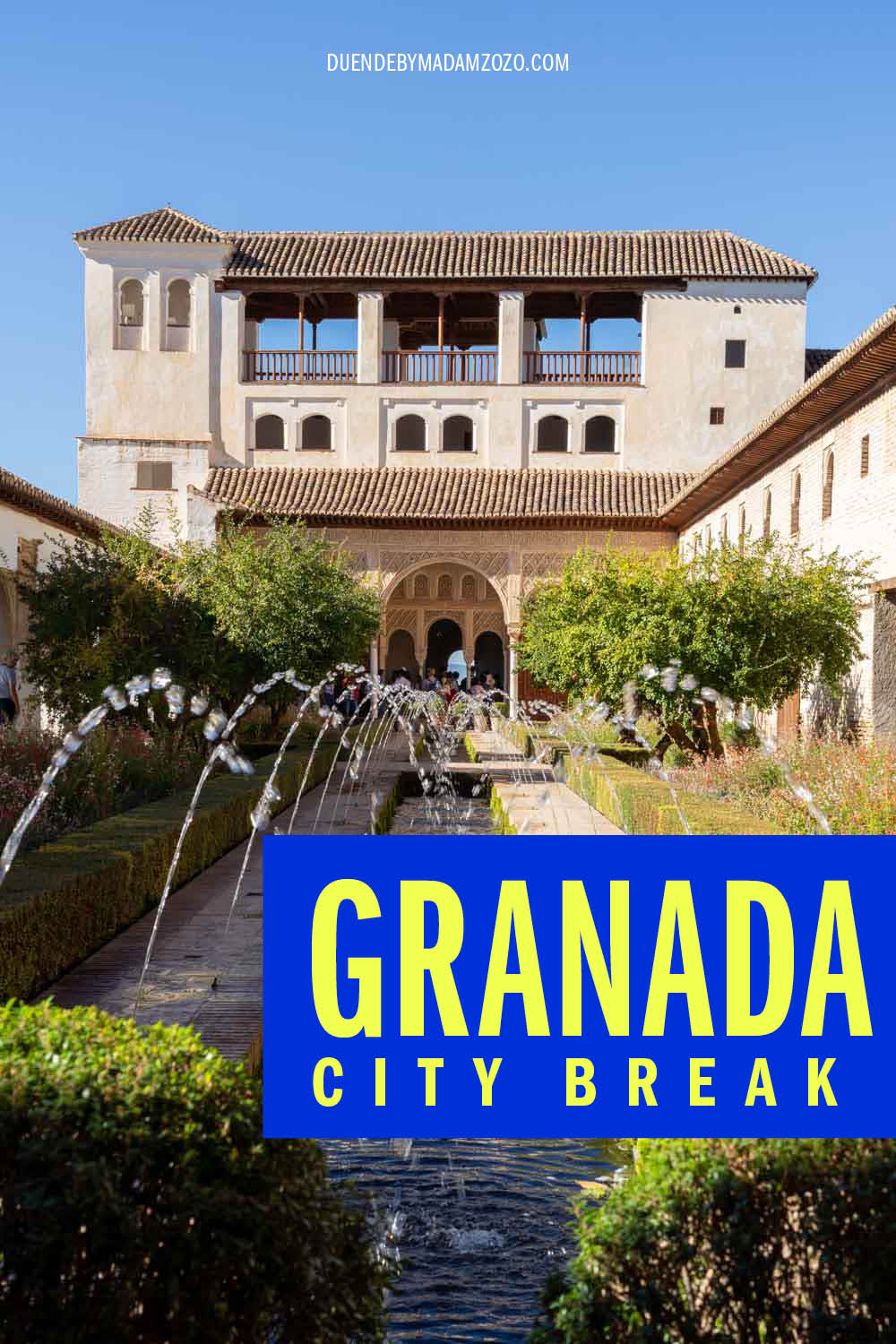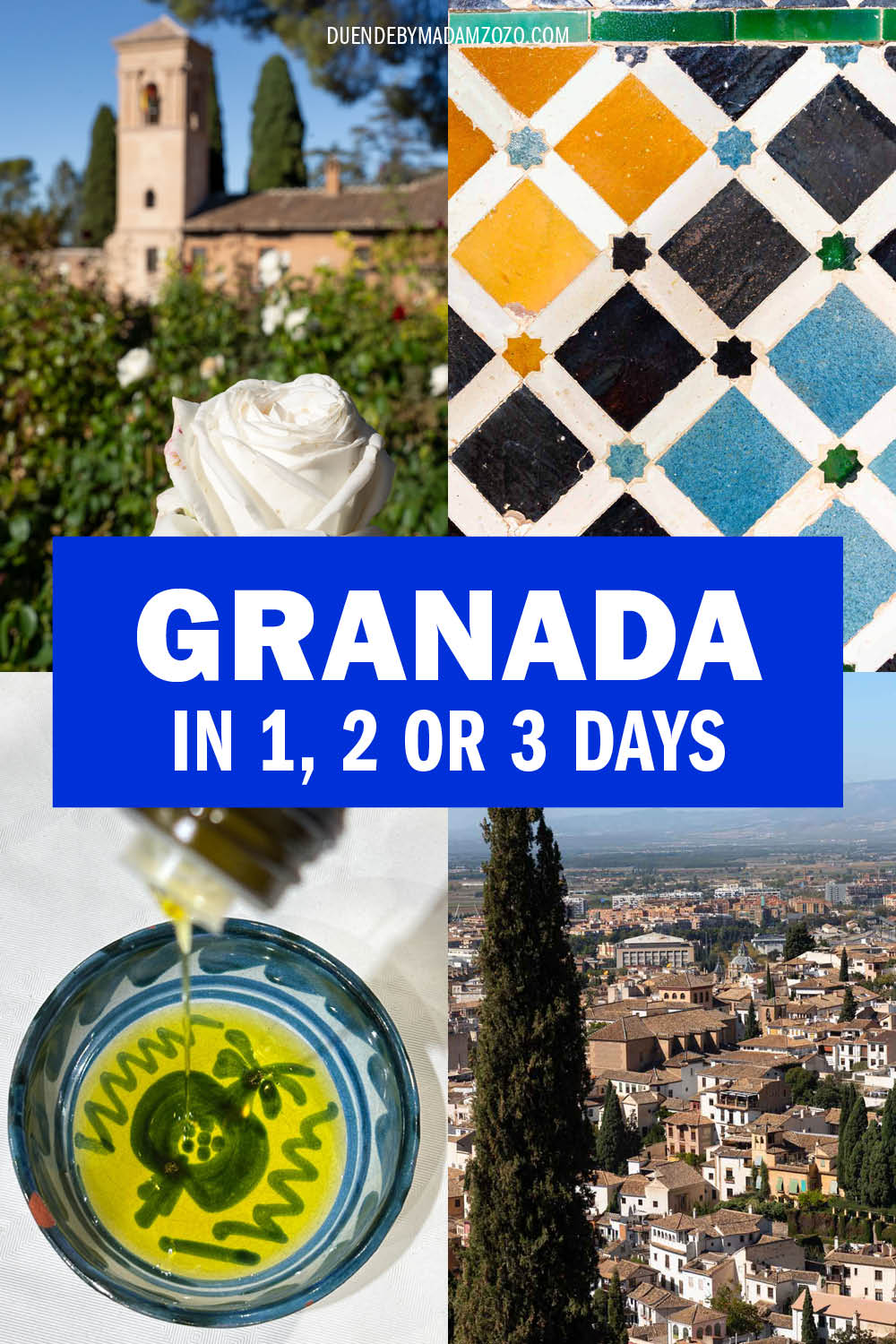
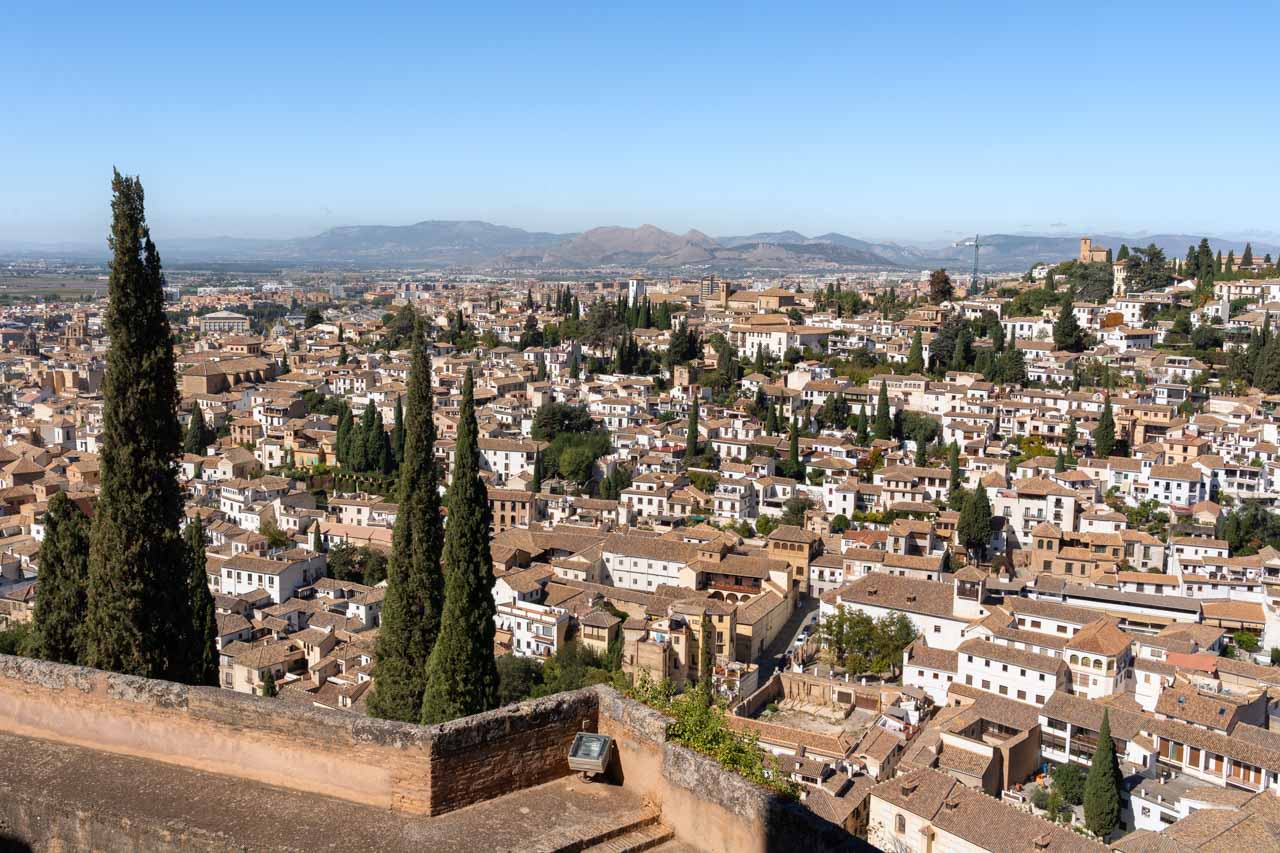
Granada is a city with smalltown vibes and bigtime sights! While its crowning glory, Alhambra, is prominent and well known, there’s more. Small treasures are hidden throughout its burrow of narrow streets and historic neighbourhoods. It’s mountainous backdrop and sunshine are ever-present, making it a joy to explore at all times of year. Here’s what to do in Granada and some sample itineraries for short city breaks.
Disclosure: I may earn compensation from the purchase of any product or service linked on this website, at no extra cost to you. I only link to products I use and love, therefore feel comfortable recommending.
Is Granada worth visiting?
Emphatically, yes. Granada is known for the Alhambra — one of the most extraordinary palace complexes in the world — but reducing the city to a single sight does it a disservice. The history of Granada spans millenia, culminating in 1492 when it became the last Moorish stronghold to fall during the Reconquista. That layered past still shapes daily life, architecture and identity.
What Granada is known for today is its lived-in authenticity. Unlike larger Spanish cities, it hasn’t polished away its rough edges. Albaicín neighbours still greet each other from balconies, flamenco pulses through Sacromonte caves, and tapas arrive unprompted with every drink. If you’re asking is Granada worth visiting, the answer lies in its ability to feel both monumental and intimate at once.
Best time to visit Granada, Spain
The best time to visit Granada Spain is broadly spring (April–May) and autumn (September–October). During these months, temperatures are comfortable for walking, the Sierra Nevada remain visible without the fierce heat of an Andalucian summer, and crowds — while present — are manageable with good planning.
Summer in Granada can be brutal. July and August regularly exceed 35°C (95°F), and the city’s inland position offers little relief. While prices may dip slightly, sightseeing becomes physically demanding.
Winter, on the other hand, brings cooler temperatures and fewer visitors. The Alhambra is quieter, and you can even ski in the nearby mountains — less than an hour’s drive from the city.
Local events also influence crowds. Semana Santa (Easter) and Corpus Christi bring vibrant processions but higher accommodation prices. For balance — good weather, fair pricing and cultural energy — late April, May and October are your sweet spots.
How long to spend in Granada
I recommend an absolute minimum of two nights (one full day) in Granada. One full day allows you to see the highlights, but it’s rushed. Two full days offers time to squeeze in some more sights and a half-day trip to a local olive farm and oil mill. Three full days allows for a more relaxed pace, with true siesta time during the hottest hours of the day (especially in summer) and maybe some smaller museums and monuments.
Getting to Granada
Granada is well connected domestically. Federico García Lorca Granada Airport (GRX) handles 11 destinations including 9 domestic routes to/from Madrid (MAD), Barcelona (BCN) and Palma de Mallorca (PMI). For international travellers arriving from Europe, Málaga Airport (AGP) is often the most efficient gateway, roughly 1.5–2 hours away by car or bus.
Train travel is an excellent option too. Granada is connected to Madrid via high-speed AVE services (around 3.5 hours) and to Seville by regional trains in roughly 2.5–3 hours. Trains arrive at Granada’s station, a short 12-minute taxi from the historic centre.
Getting around Granada
Granada is compact and highly walkable, particularly within the historic core. Expect hills and uneven surfaces — sturdy footwear is essential. Local buses are reliable, inexpensive and cover areas like Albaicín and Sacromonte where walking uphill can be taxing.
Taxis are plentiful, regulated and safe. If you prefer rideshare-style services, use the Freenow app to call a taxi in the manor to which you’re accustomed. Other rideshare services and apps don’t operate in Granada.
Driving is not recommended within the old town; narrow streets, limited parking and traffic restrictions make it more hassle than it’s worth. If you’re planning day trips, rent a car only for those days.
The Granada Metro is a single tram route that traverses the city north-south. It connects the bus and railway stations, but doesn’t pass through the historic part of town.
A Tourist Train offers hop-on, hop-off services that loop regularly throughout the day. The carts are slow, cramped, open-air (no air conditioning), and the commentary provided by the pre-recorded audio guide is less than inciteful. If you want to listen, BYO headphones with a 3.5mm (1/8”) jack to save yourself an extra couple of Euros.
Where to stay in Granada
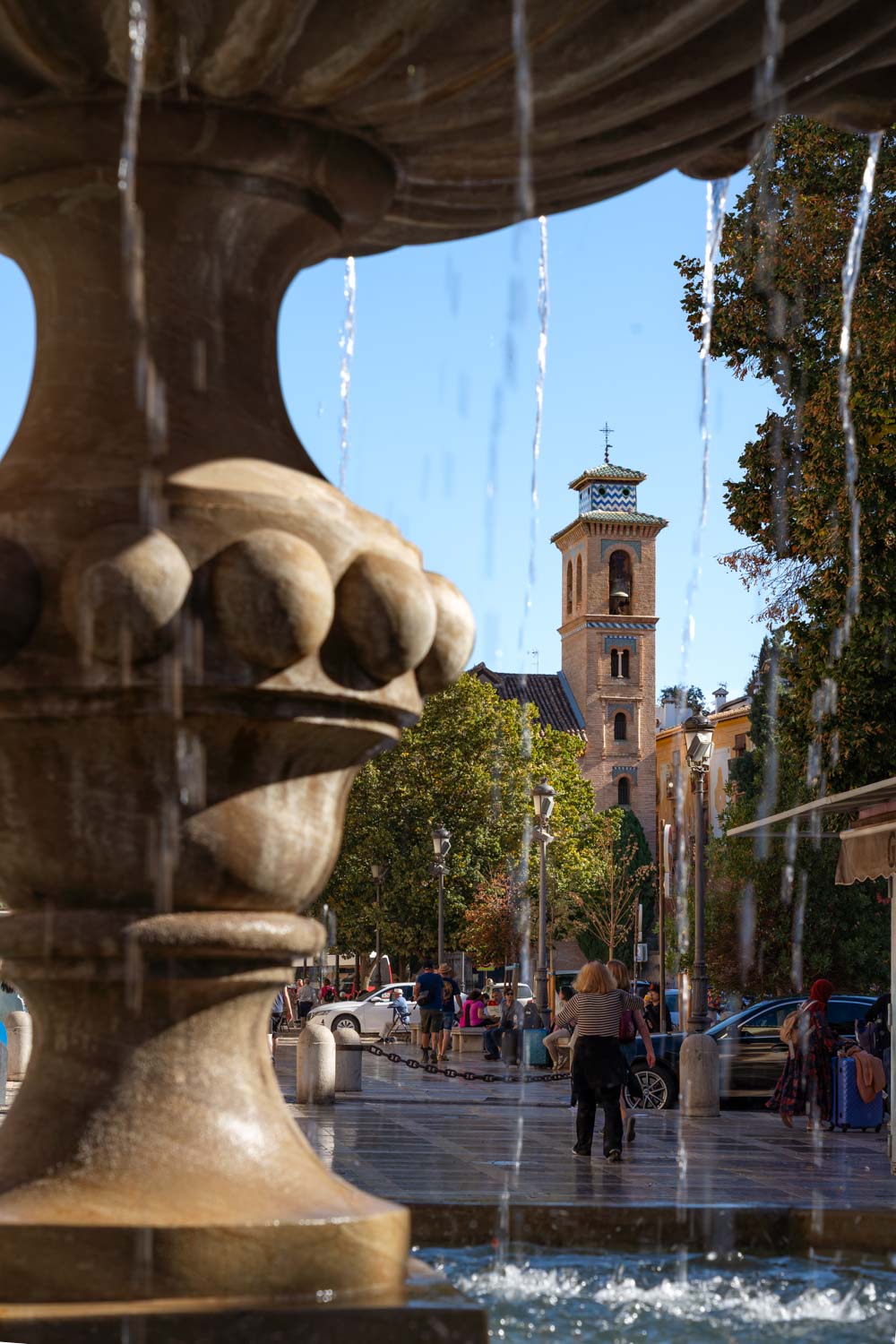
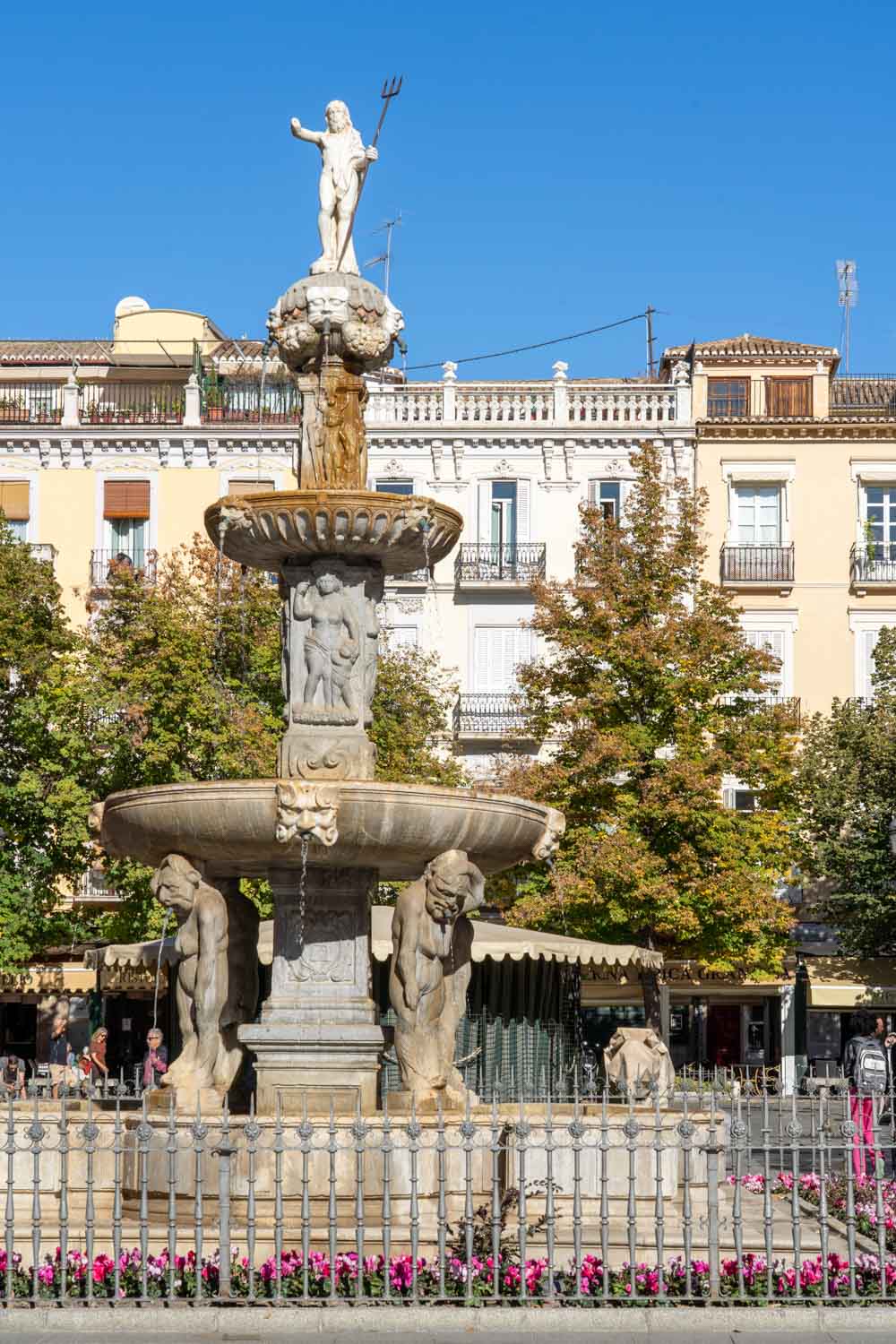
For first-time visitors, staying centrally is key. The Centro Realejo offers convenience, relatively flat streets and easy access to major sights. Realejo is still central, with easy access to sights, but a little more hilly. Albaicín is atmospheric and unforgettable, though steep — ideal if you value character over convenience.
Granada excels in boutique and historic accommodation. Converted palacios, cave hotels in Sacromonte, and intimate riads-style guesthouses reflect the city’s Moorish heritage. Look for places within walking distance of Plaza Nueva or Carrera del Darro for the best balance of access and ambience.
Top things to do in Granada
Visit the Alhambra
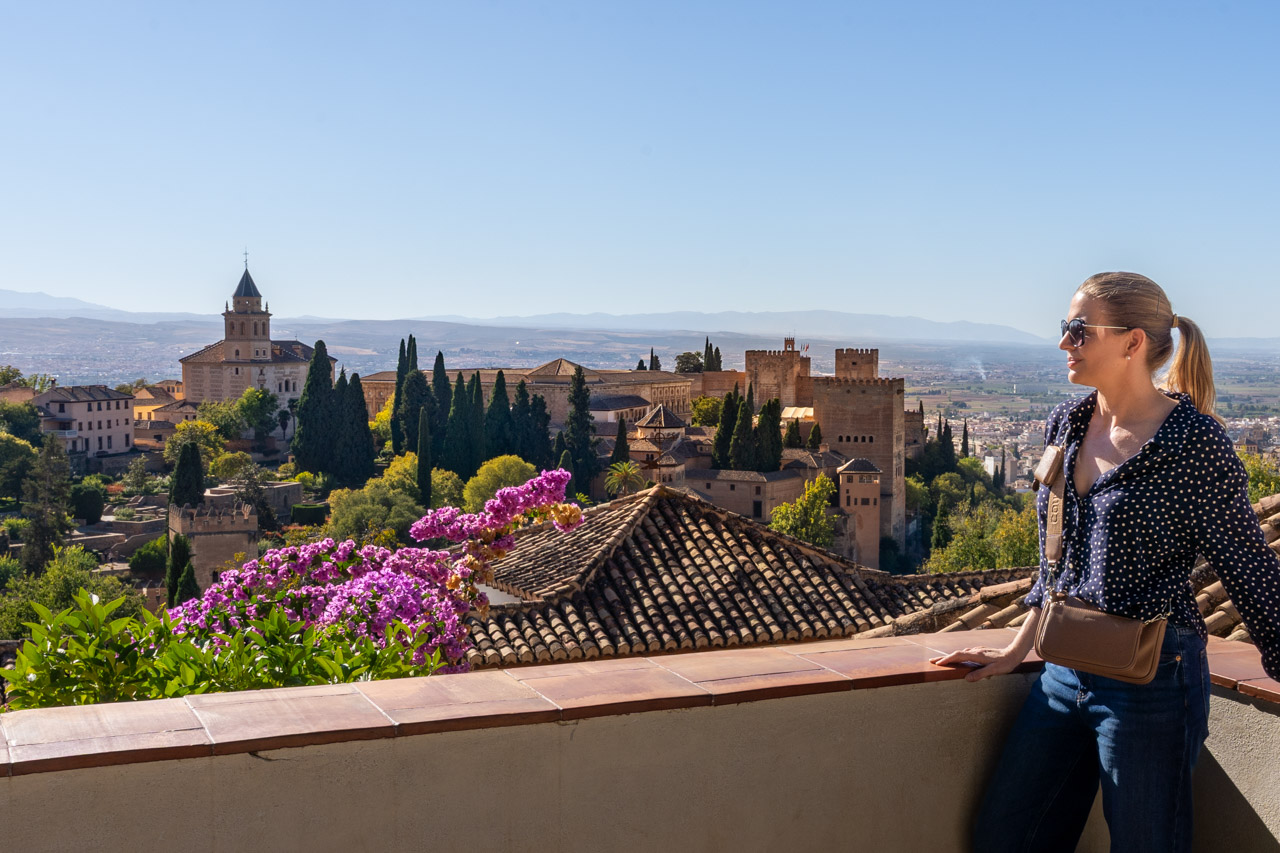
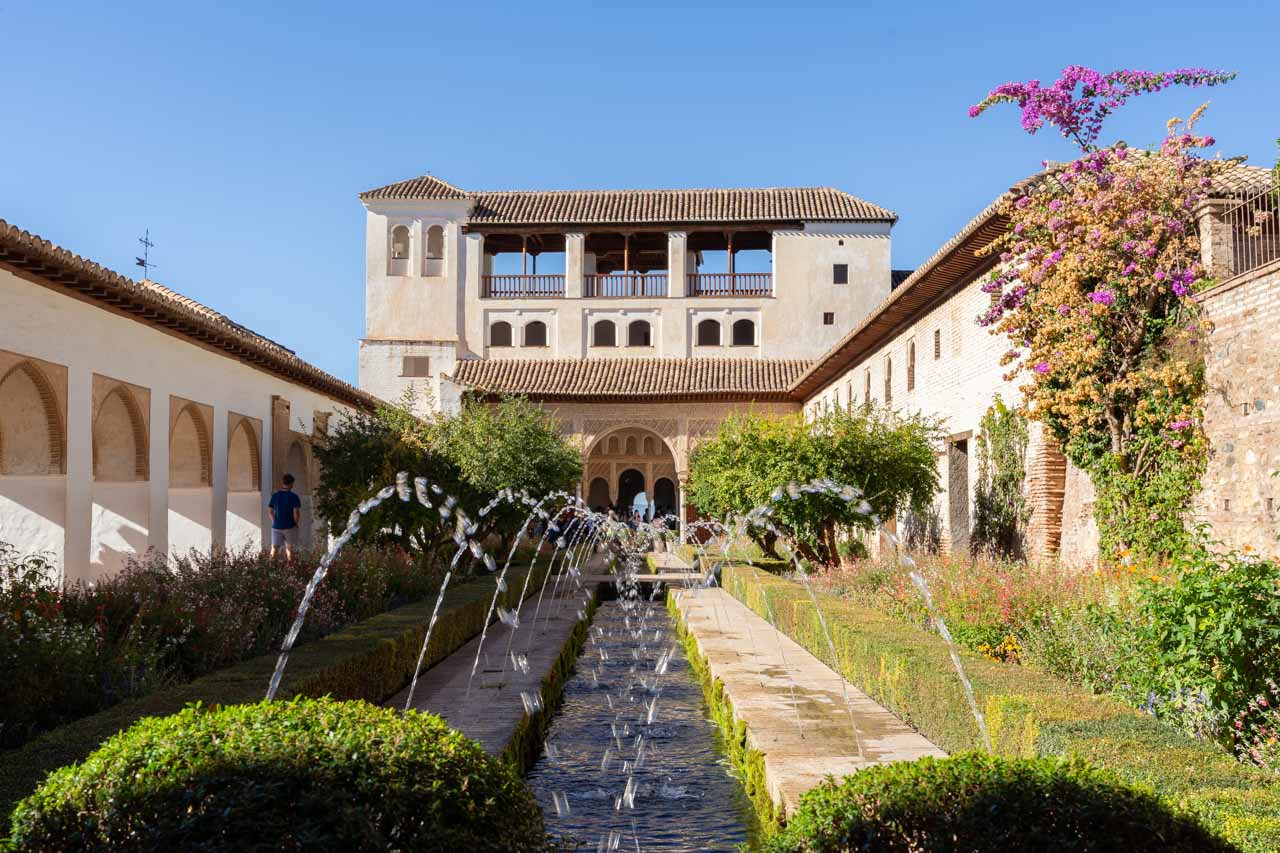
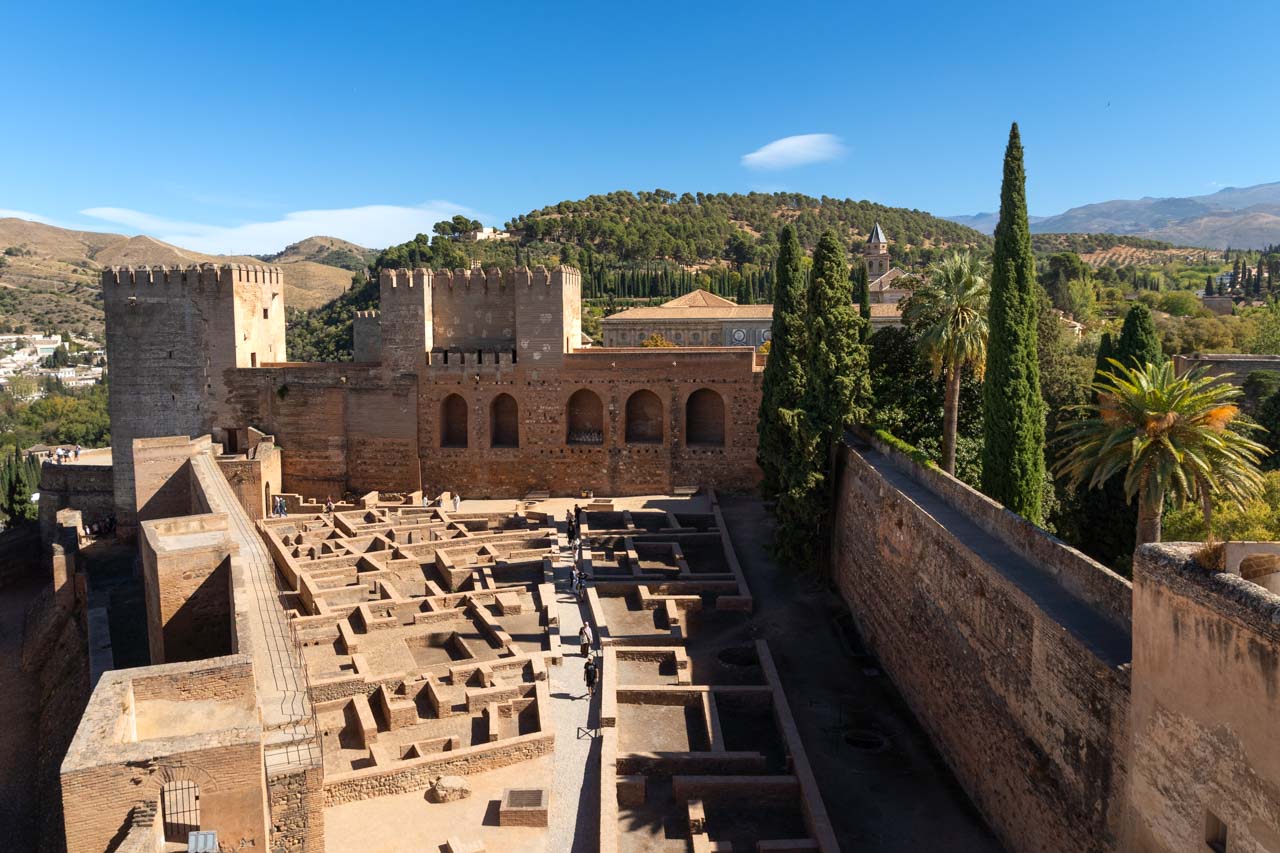
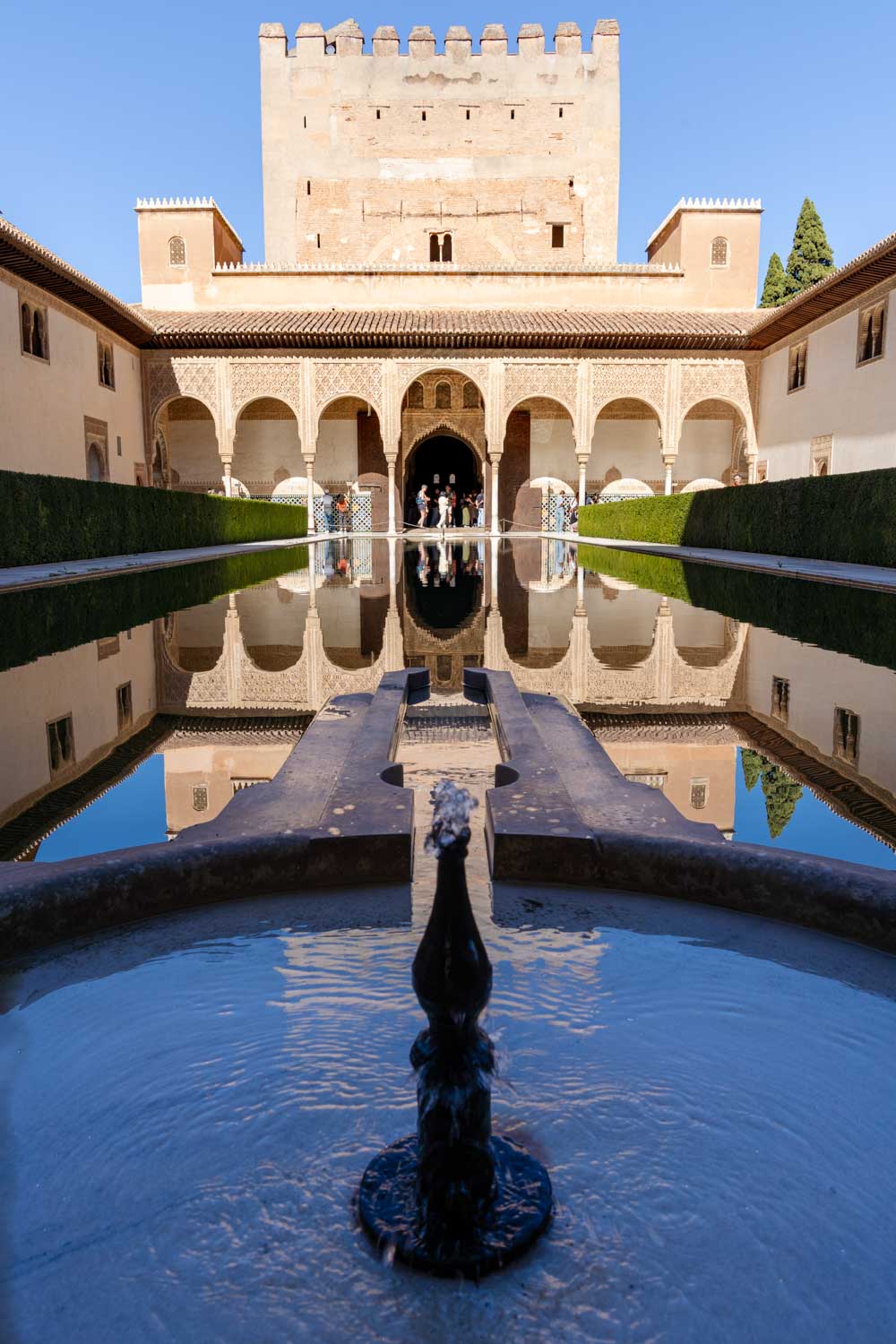
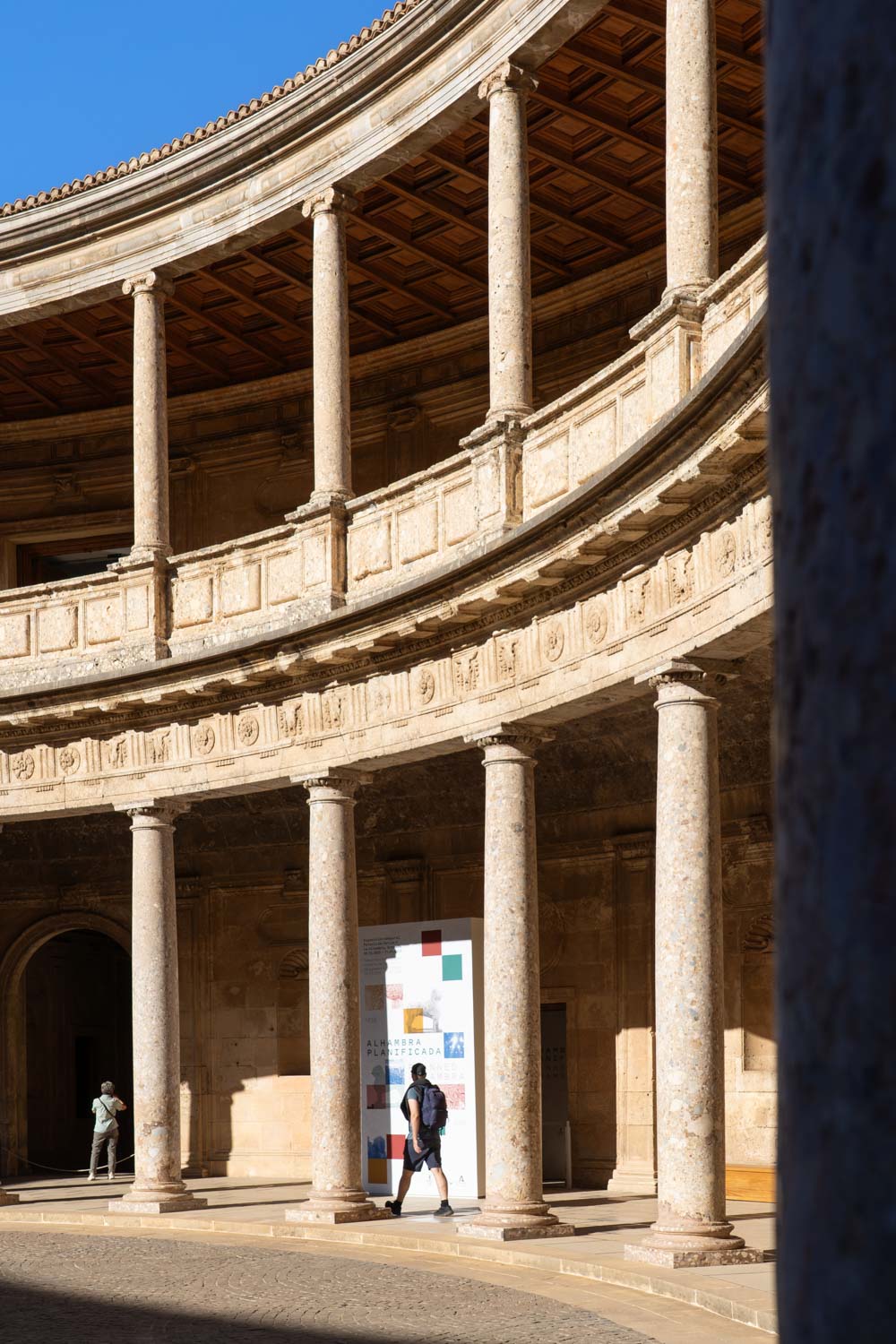
Granada’s crown jewel is a UNESCO World Heritage Site for good reason. It is one of the most important surviving symbols of Al-Andalus, the period of Islamic rule in the Iberian Peninsula that lasted nearly 800-years. Built primarily during the 13th and 14th centuries under the Nasrid dynasty, the complex functioned as a royal city, fortress, seat of power and retreat.
What makes the Alhambra unique is not just its scale, but its philosophy. Architecture here prioritises harmony, proportion and sensory experience— intricate stucco, mosaic-adorned courtyards, and tranquil water features designed to mirror paradise. Water cools the air and reflects light; calligraphy replaces figurative art; geometry expresses divine order.
Visiting the Alhambra is essential to understanding Granada’s history — particularly the abrupt end of Muslim rule in 1492 — and the profound cultural loss and legacy that followed.
Tip: If you miss out on tickets for Alhambra, you may still be able to get a Granada Card which includes timed entry to the monument. It will cost you more, as it includes various sights around the city and public transportation, depending which option you choose. However, it is a genuine alternative to a straight Alhambra ticket and is handy for sightseeing around town.
Wander the Albaicín
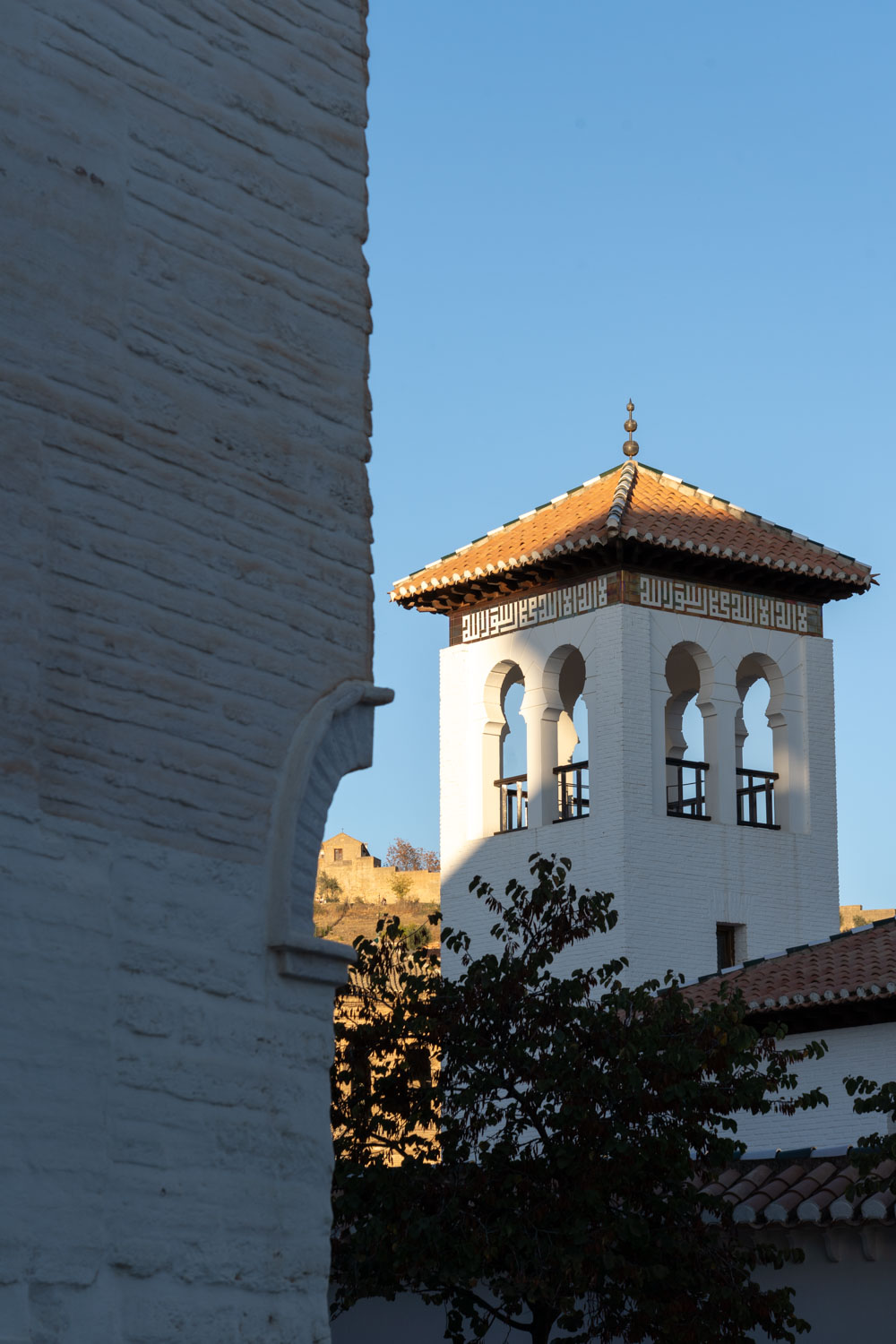
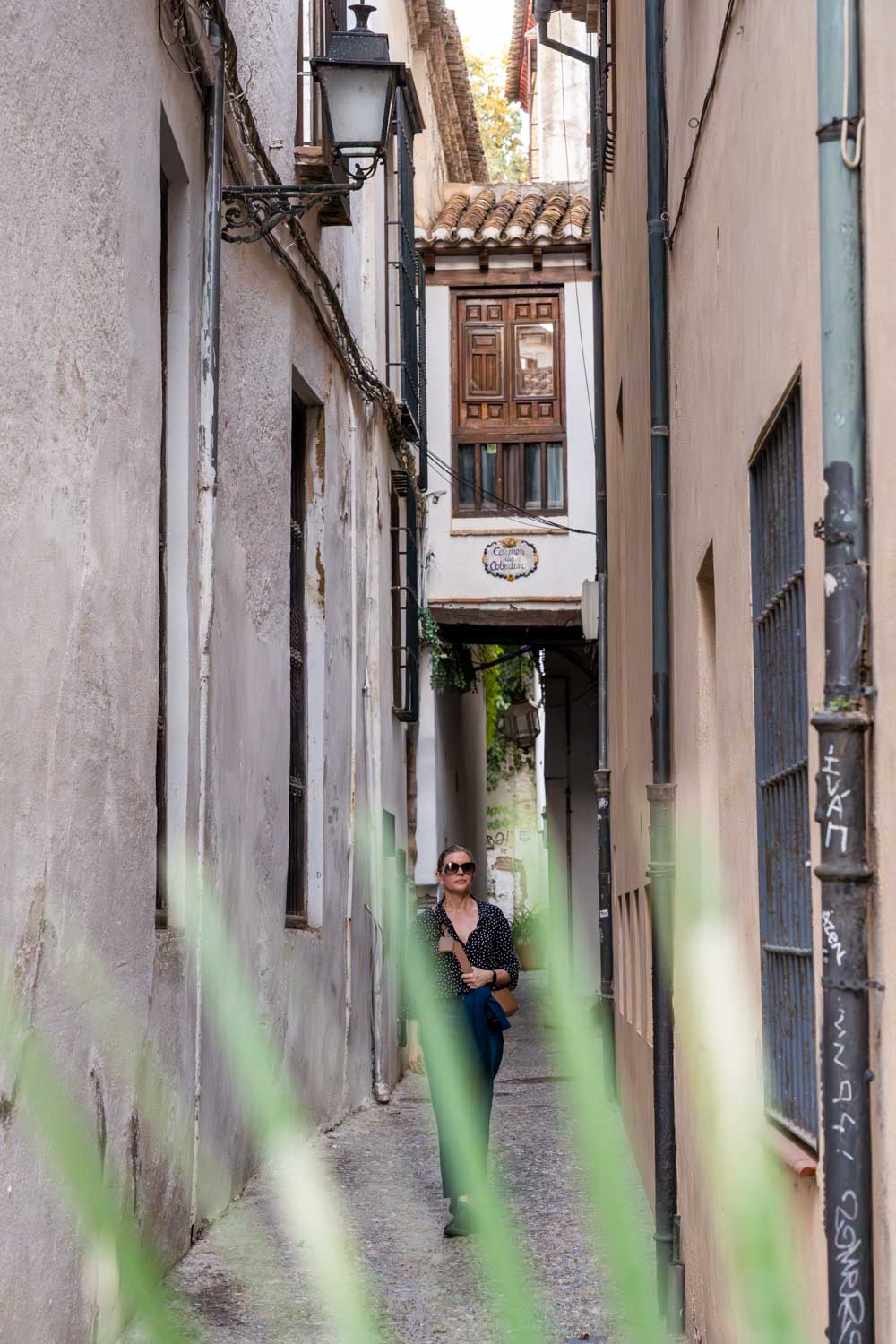
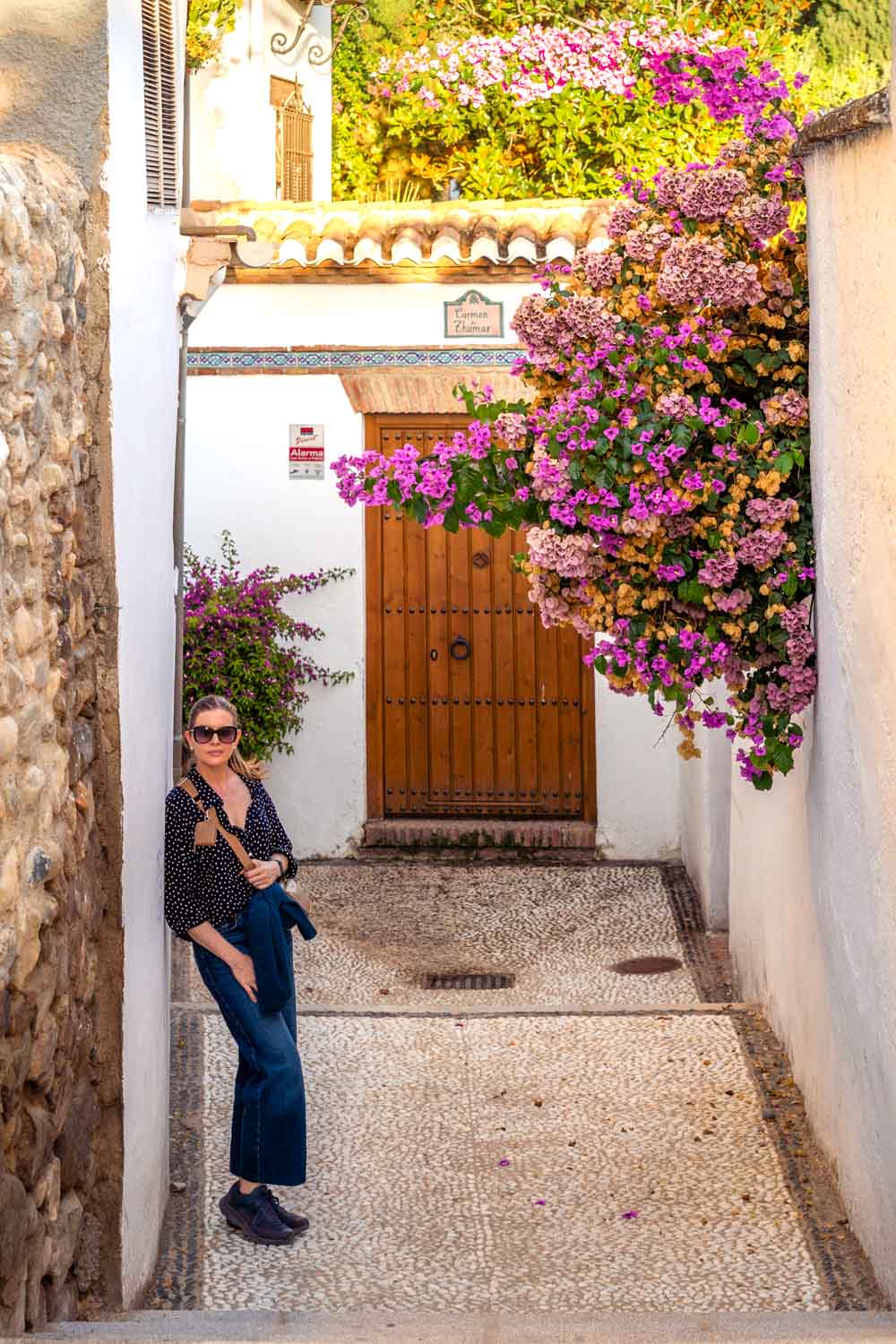
Albaicín is the oldest neighbourhood in Granada. This maze of whitewashed houses, hidden plazas and miradors predates Alhambra and is UNESCO-listed along with the palace-fortress. The Moorish quarter retains its medieval street layout — narrow, winding lanes designed to provide shade, privacy and defence. It’s a charming neighbourhood perfect for wandering aimlessly.
Albaicín architecture reflects Islamic domestic traditions: inward-facing homes, discreet entrances, shared courtyards. After the Christian conquest, the neighbourhood became home to Moriscos (Muslims forcibly converted to Christianity), making it a site of quiet resistance and cultural survival.
Watch sunset at Mirador de San Nicolás
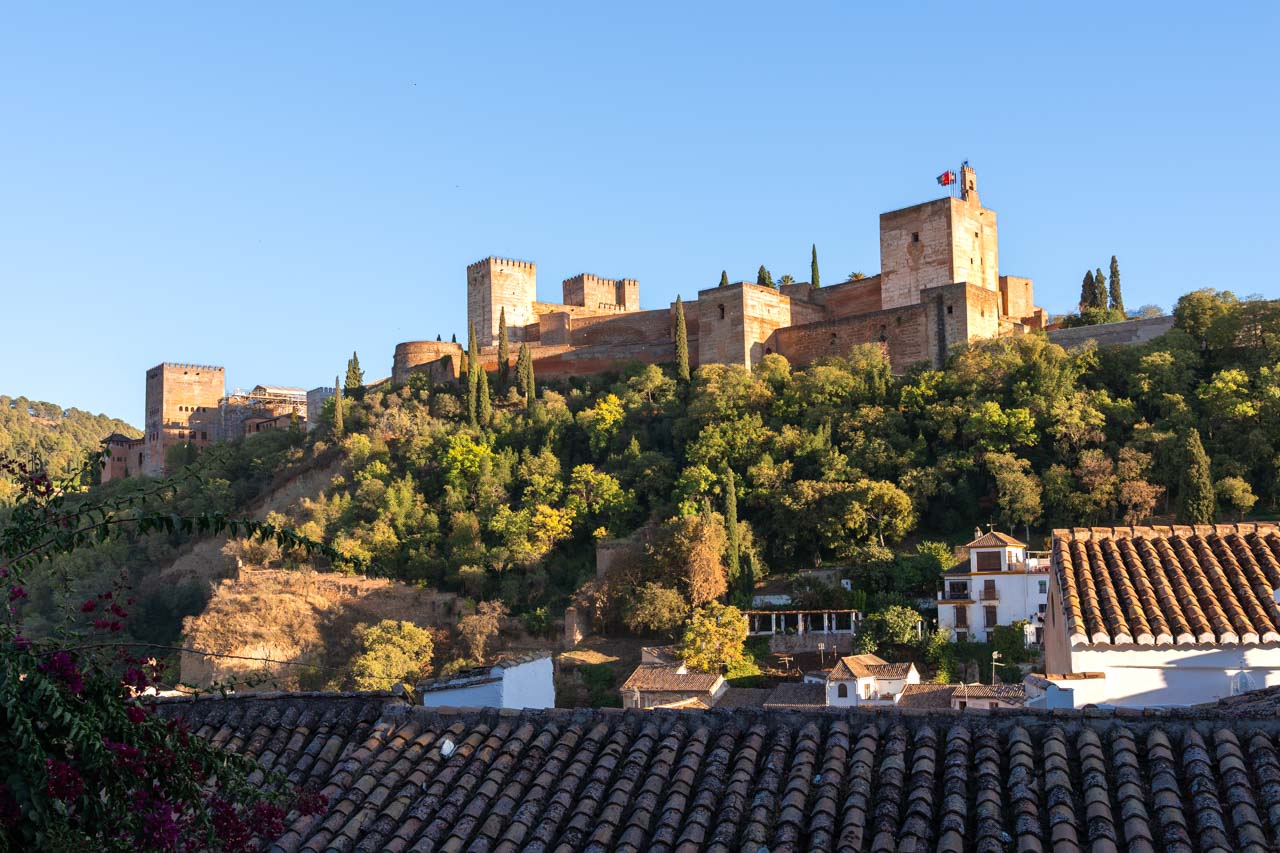
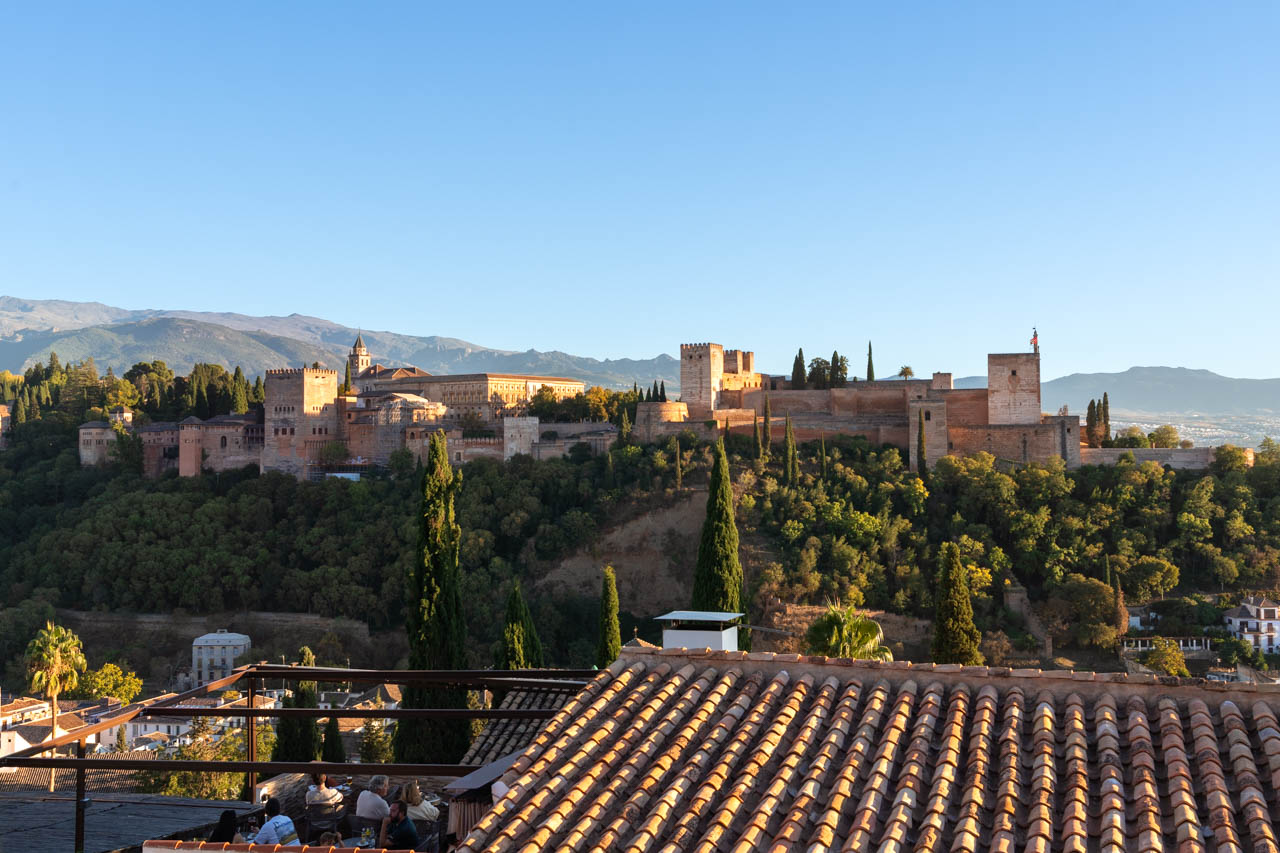
The most iconic view in Granada (apparently). People come here to watch the Alhambra glowing as the sun goes down. Yes, it’s busy and probably rife with pickpockets. Yes, it’s a great view, but go early.
The beauty of this spot is not the sunset itself, but the view of the golden-hour light on Alhambra, which slowly casts itself in shade as the sun gets lower. Arrive an hour before sunset time to catch the best light and stake out a spot at the popular overlook.
Tip: Mirador de San Nicolás is not the only option for viewing Alhambra at sunset. I actually prefer Mirador Placeta de Carvajales. It’s less popular, probably because its lower elevation means you’re looking up Alhambra, rather than across. However, it’s less crowded and has a more westerly position relative to Alhambra, so you can see the illuminated walls of the fort for longer as the sun dips.
Experience flamenco in Sacromonte
Cave venues in Sacromonte offer intimate flamenco performances rooted in Romani culture. We didn’t do this because we had limited time and had already seen a flamenco show in Seville, but the atmosphere of the caves sounds unreal! Sacromonte is also said to be a good place for zambra, a form of flamenco where the singer also dances—that’s next level talent and skill!
Explore Granada Cathedral & Royal Chapel
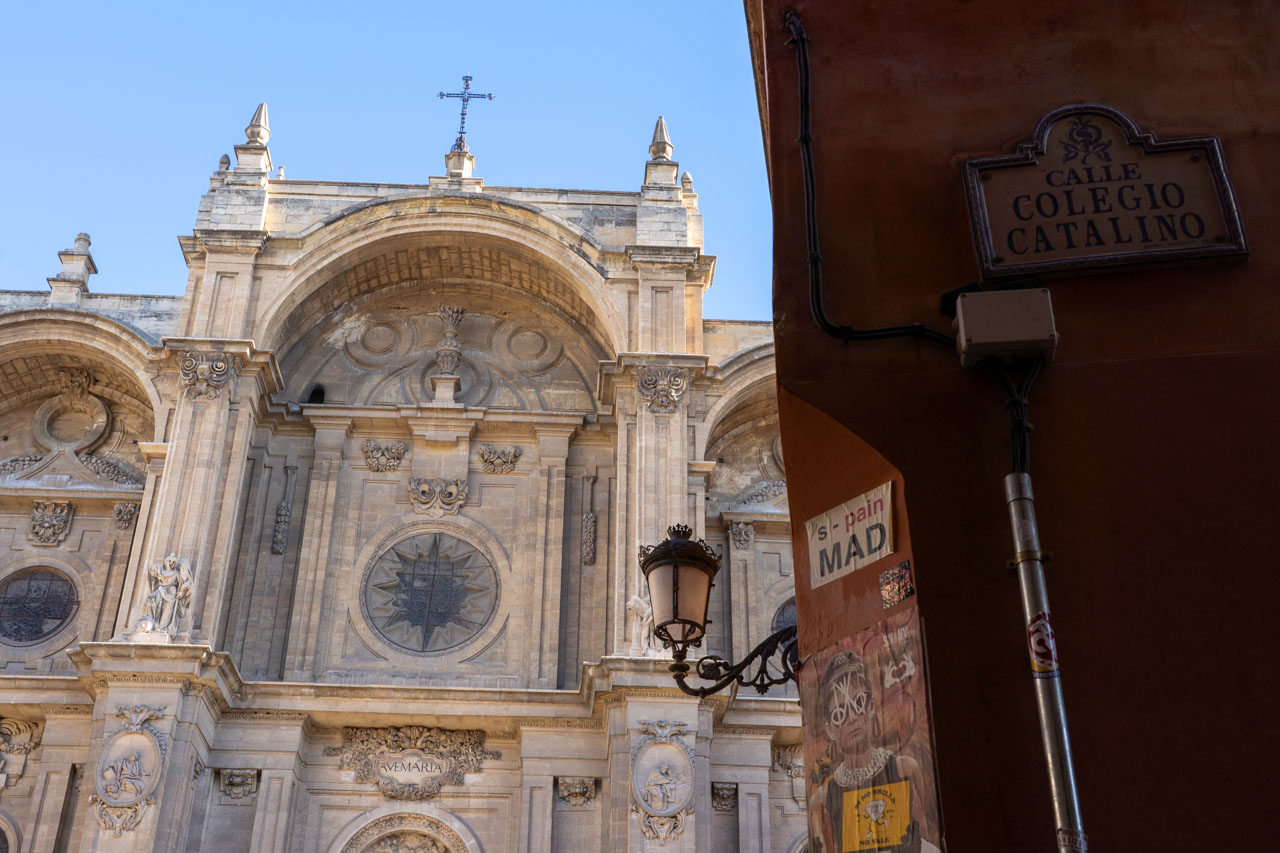
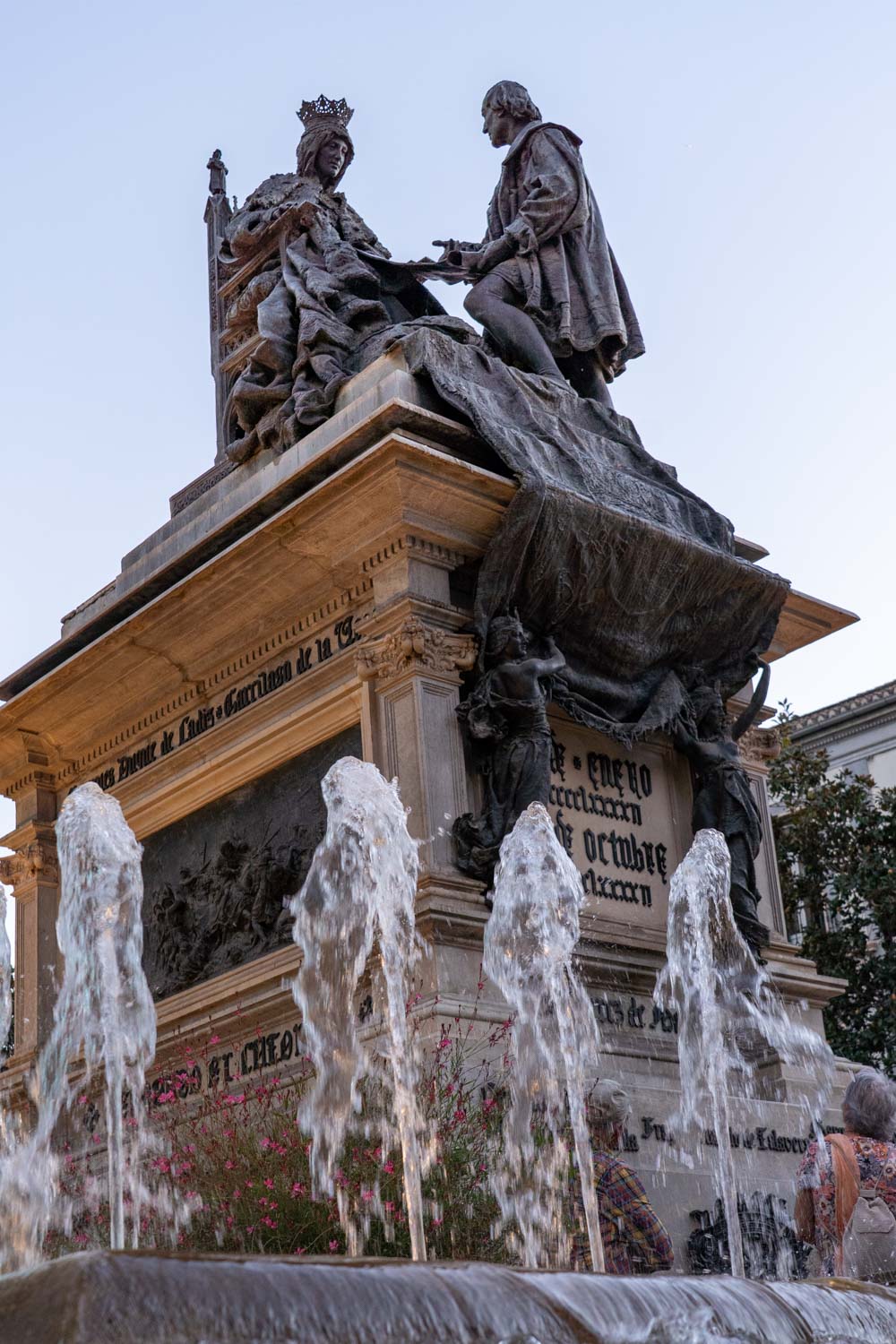
Granada Cathedral and the adjacent Royal Chapel mark one of the most consequential moments in European history: the unification of Spain under Catholic rule. The Royal Chapel houses the tombs of Ferdinand and Isabella, whose reign ended Muslim rule and funded Columbus’s voyage to the Americas.
Architecturally, the transition from Gothic to Renaissance styles mirrors Spain’s shifting worldview — from medieval religiosity to imperial ambition. Visiting these sites contextualises Granada’s dramatic transformation after 1492 and the far-reaching consequences that followed.
Stroll Carrera del Darro
Often cited as one of Granada’s most beautiful streets, Carrera del Darro traces the river beneath the Alhambra’s walls. Roman foundations, Moorish bridges and Renaissance buildings coexist within metres of each other. While certainly a lovely and interesting, walk “most beautiful” is a bit of a stretch—so temper your expectations.
Enjoy free tapas
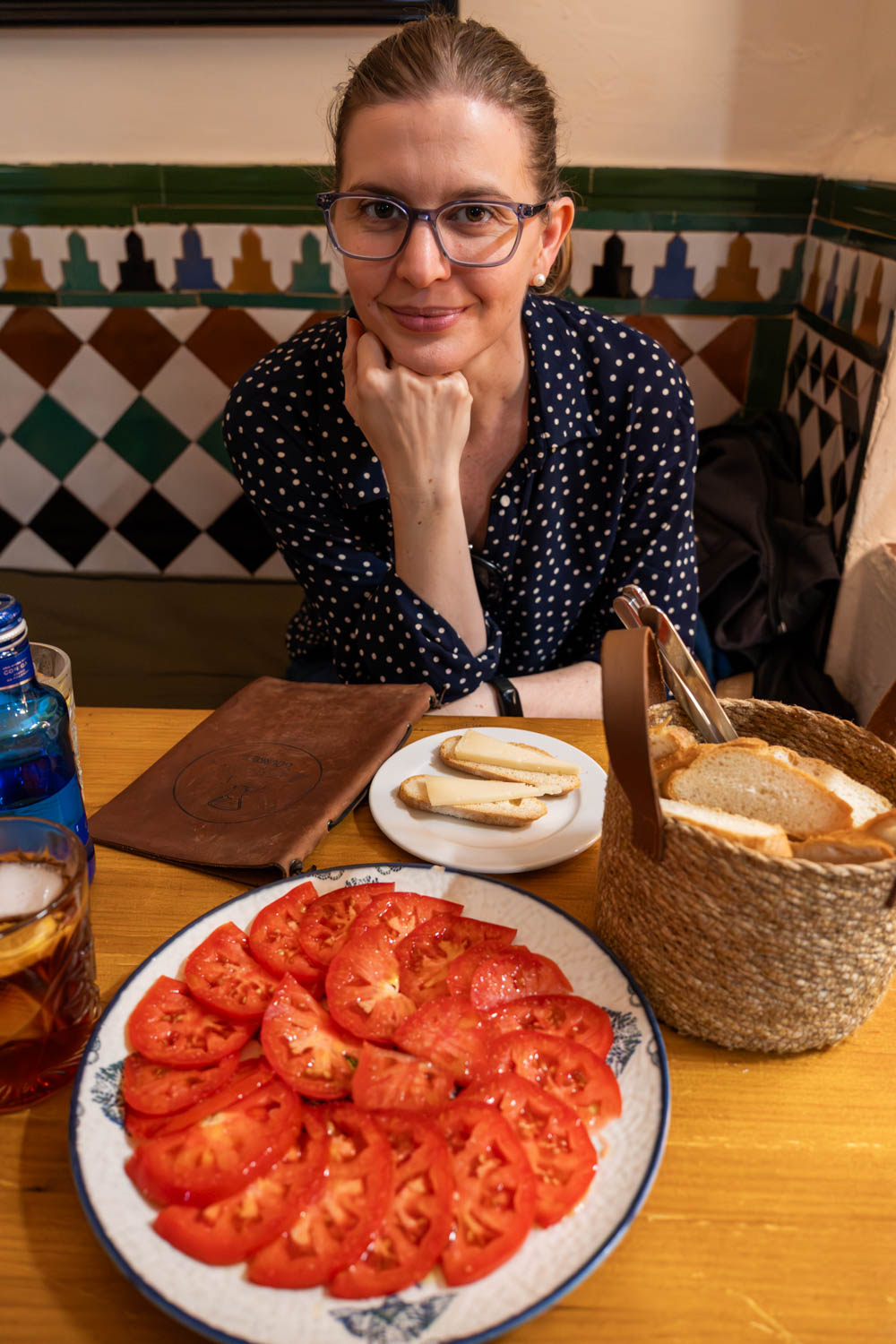
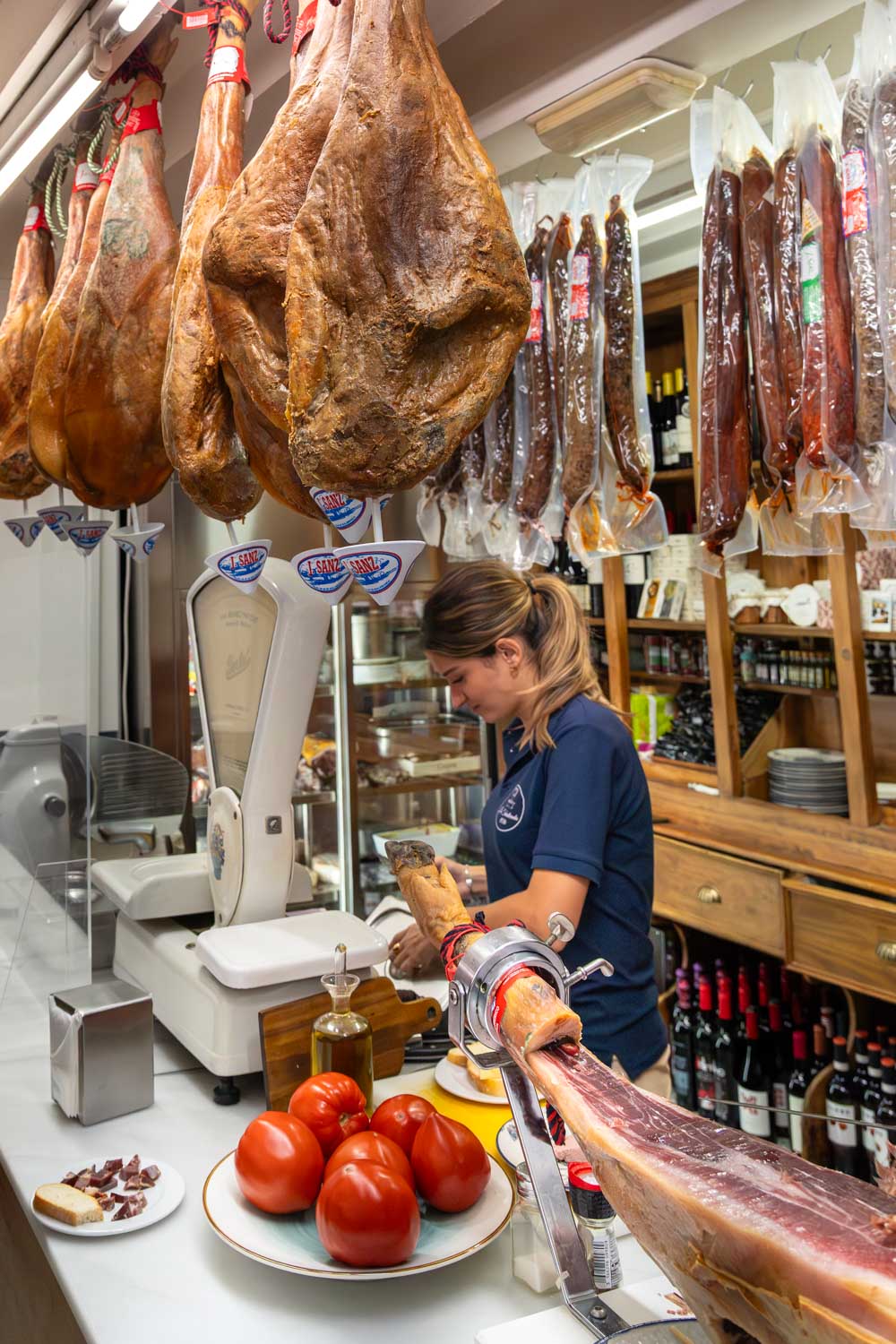
Granada is one of the last cities where tapas come free with drinks. Bar-hop and let the kitchen decide, or stay for a few in one location, as the tapas improve in quality the more your drink (ahem, money you spend) in a certain establishment.

Relax at a Hammam
Soak in candlelit baths inspired by Moorish traditions — a restorative pause amid sightseeing. Public baths were central to Islamic cities, serving hygienic, social and spiritual functions. Granada has several Arab bathhouses, offering a sensory retreat inspired these traditions.
Olive oil tasting and farm visit
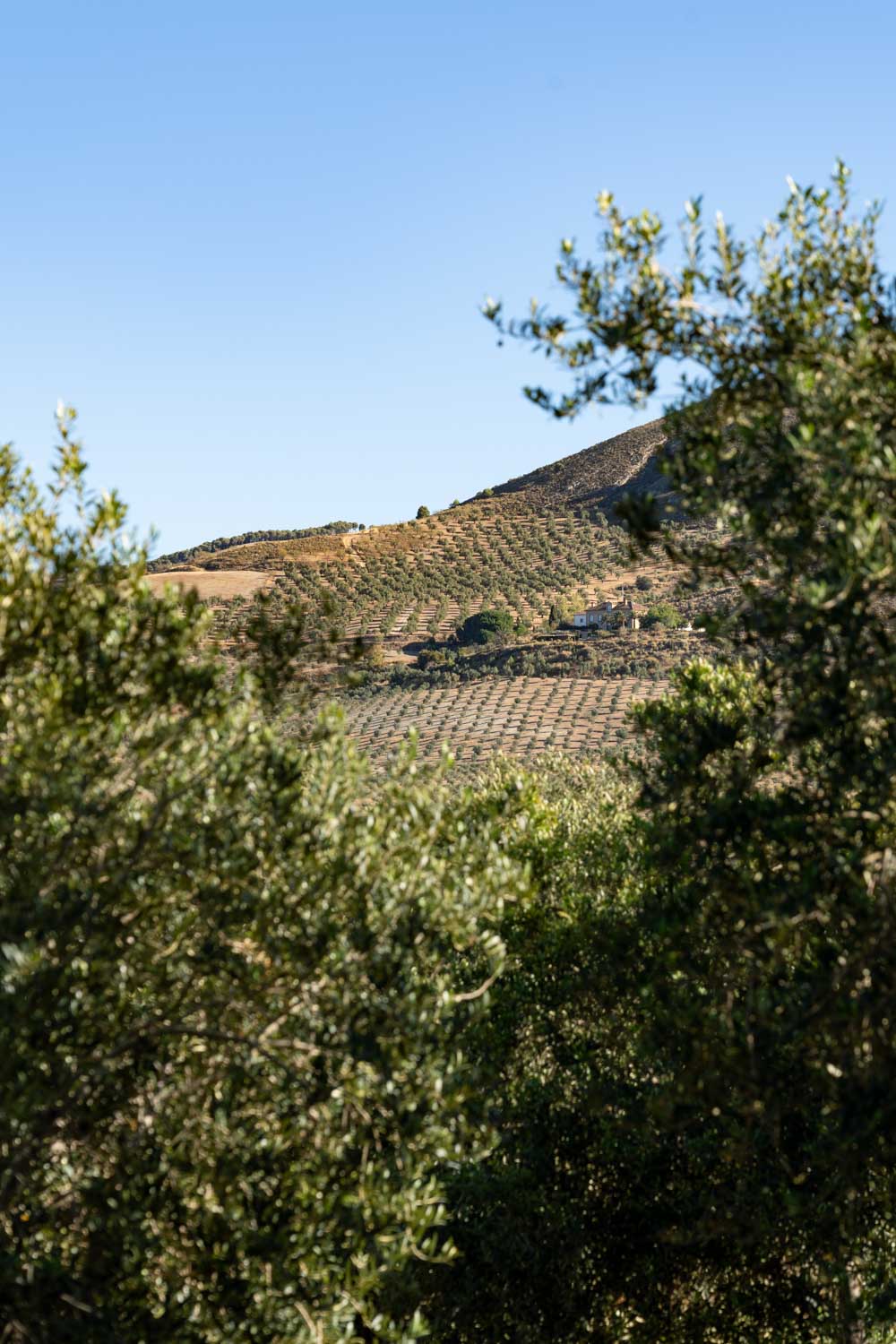
Spain is one of the world’s largest producers of olive oil, and Andalucia generates more than any other region in the country. Just outside Granada are acres of olive farms and historic olive mills you can visit, experience and taste.
After much consideration, we chose to visit Quaryat Dillar, 20-minutes drive outside Granada. This generations-old family farm and mill are set into the stunning foothills of the Sierra Nevada. Here we learned a new appreciation of olive oil and its production. We took away lots of notes about determining quality oil, and of course, we brought home a few bottles of their beautiful product too.
Tip: Visit from October through January to witness the harvest season and see the groves loaded with olives.


1, 2 & 3 day itineraries for Granada
One day in Granada, Spain
Morning: Make the Alhambra and Generalife your absolute first priority and get there for the 8:30am opening. If you are visiting the Nasrid Palaces, buy your timed ticket for one of the earlier timeslots.
Lunch: Enjoy a leisurely lunch near Plaza Nueva. Maybe follow up with a very brief siesta.
Late afternoon: Take a guided sunset walking tour of Albaicín and Carrera del Darro, culminating at Mirador de San Nicolás.
Two days in Granada
Day One: Start with the above itinerary for day one.
Day Two: Take a half-day trip to experience an olive farm and olive oil tasting. Spend the afternoon leisurely exploring the old town and finish the evening with tapas and a flamenco show in Sacromonte.
Three days in Granada
Slow down the pace a little, or build day one and two above with the following.
Day Three: Indulge in a hammam soak or massage. Explore more of the museums and monuments around town, such as the Cartuja Monastery, Museum of Archaeology and Casa de los Tiros Museum.

Travel tips for Granada
- Book Alhambra tickets weeks in advance — timed entry is strictly enforced. Ensure you take your government-issued ID (passport for foreigners) on the day.
- Carry cash for small bars and stores.
- As per the rest of Spain, expect late dining hours; dinner rarely starts before 8:30pm. If it’s open earlier, you might be in a tourist trap.
- Dress modestly for churches and religious sites. Wear lots of sun protection, everywhere.
- Pack shoes suitable for cobblestones and hills.
- Tapas are free but drinks are not — ordering food isn’t expected.
- Siesta hours can affect shop opening times.
- Sunset viewpoints fill early; arrive 45-60-minutes ahead.
For more on Andalucian destinations Seville and Cordoba, plus broader Spain travel guides including an all-season packing guide, see this page.
Peace, love & inspiring travel,
Madam ZoZo
Pin for later…