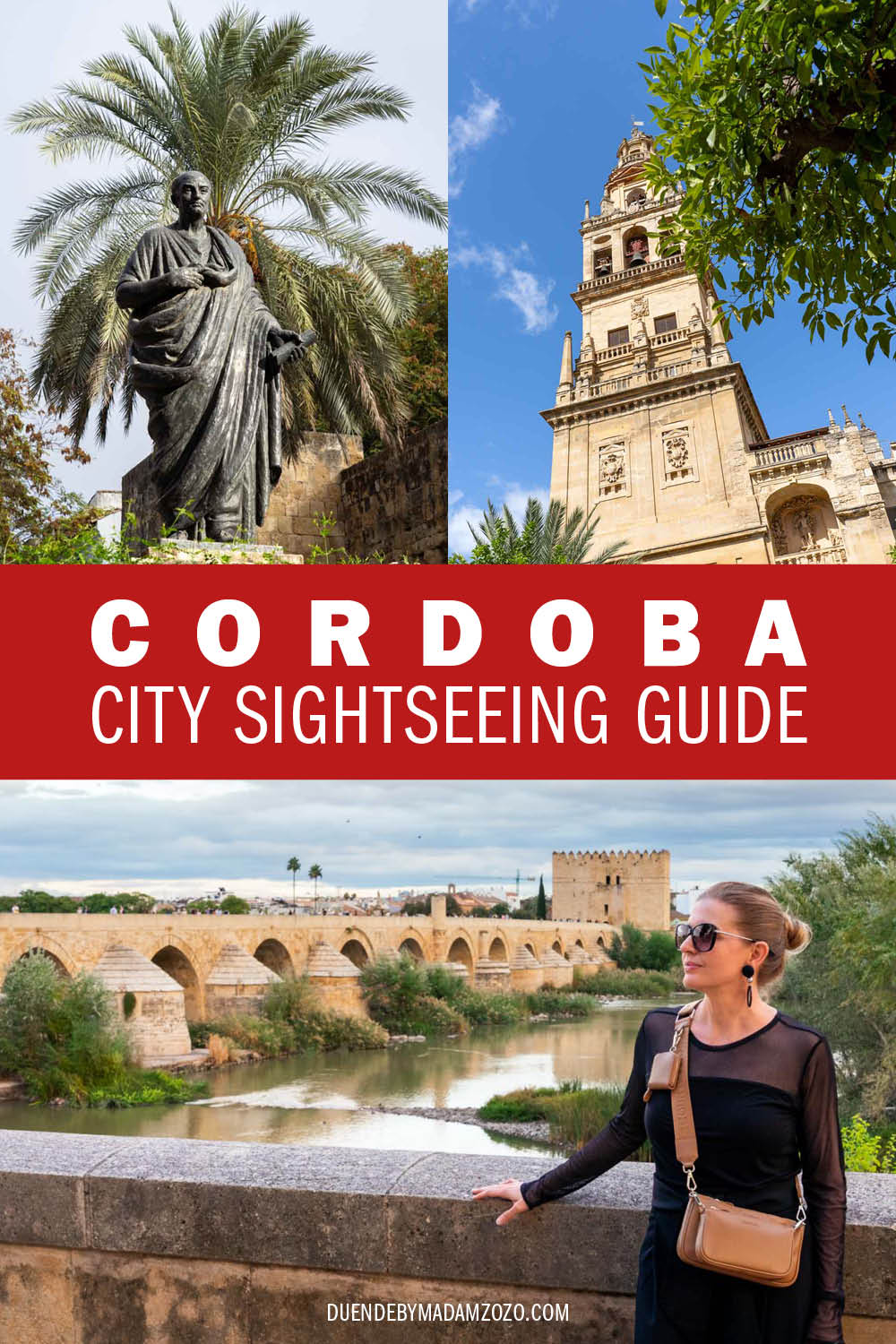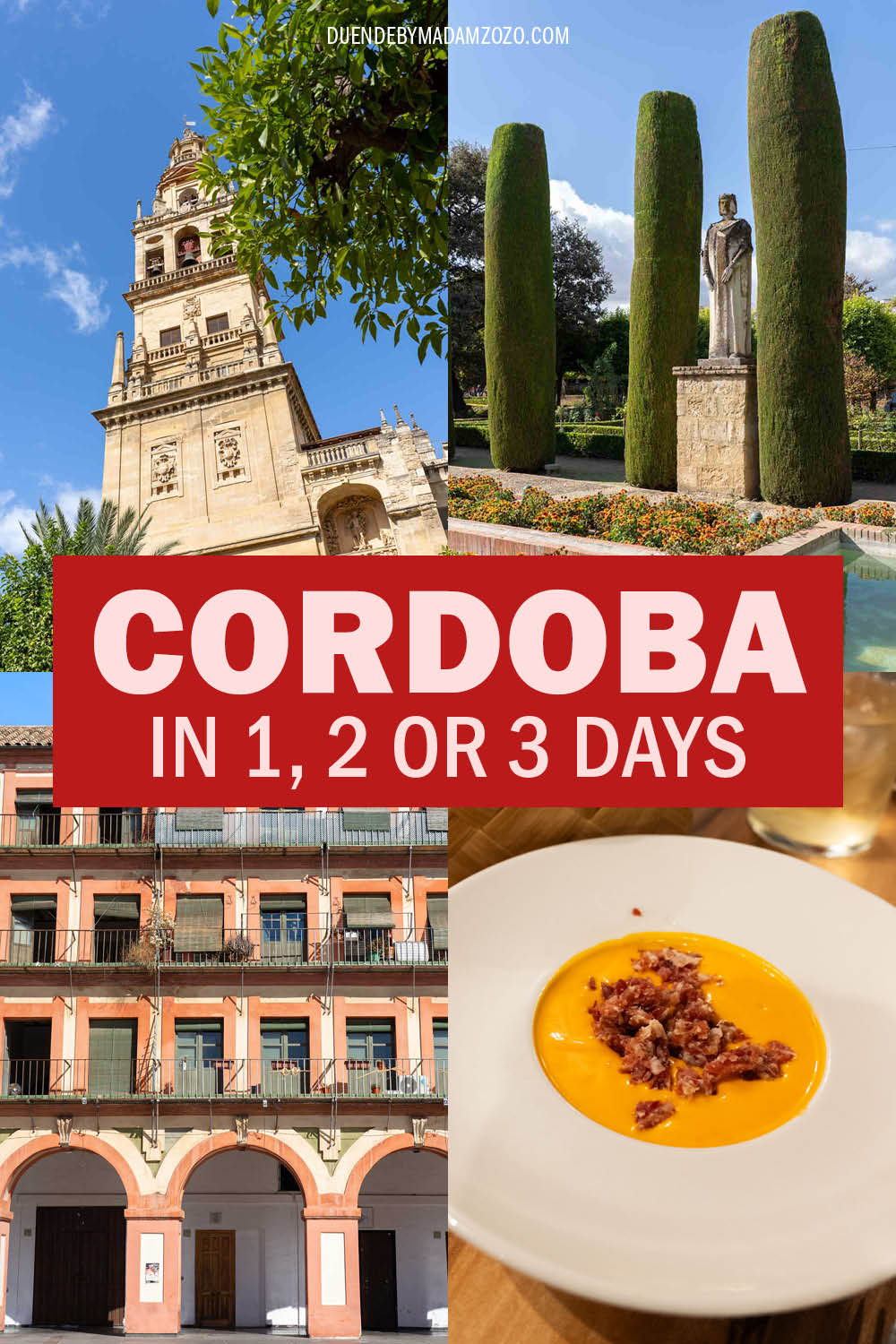
At its peak, Cordoba was the largest city in Western Europe. It was a centre of learning, medicine, philosophy, and religious tolerance during the Umayyad Caliphate. Jews, Muslims and Christians lived as neighbours here centuries, all leaving an indelible mark on the city. But its storied sights stretch back even further, all the way to Roman times. If you love history and architecture, cobblestone streets and flower-filled patios, then you won’t regret a visit to Cordoba.
Disclosure: I may earn compensation from the purchase of any product or service linked on this website, at no extra cost to you. I only link to products I use and love, therefore feel comfortable recommending.
Best time to visit Cordoba, Spain
Prime time to visit Cordoba is spring (April–May). Spring is particularly magical, thanks to mild temperatures and iconic festivals. Maximum day temperatures range from 21–29°C (70-84°F), depending on how early in the season you visit. Note, this popular season will elevate hotel prices and tourist numbers.
Summer is intense. Average maximum temperatures range from 32-36°C (90-97°F), but don’t be surprised if they exceed 40°C (104°F) in July and August. Prices drop, but sightseeing becomes a strategic exercise in negotiating shade and siestas.
Weather-wise, autumn is the next best time to visit, with temperatures beginning to taper through October. However, you’ll see hotel prices and crowds spike again at this time.
Winter is cooler and quieter, with fewer crowds and better accommodation deals, though some attractions operate on reduced hours.
How long to spend in Cordoba
Lots of people asking how long to spend in Cordoba are really wondering about Cordoba as a day trip from somewhere like Seville. Sure, it’s doable, but would I recommend it? No. Even the 36-hours we spent in Cordoba weren’t really enough to do it justice. I would advise that a 1-night stay is the absolute minimum. With 2-nights, you can explore beyond the headline sights. More time would allow you to venture beyond the historic centre to places such as the ruins of Medina Azahara, which is also UNESCO Heritage List inscribed.
Getting to Cordoba
Cordoba doesn’t have its own major airport, but it’s well connected. Most travellers arrive via Seville Airport (SVQ), Málaga Airport (AGP), or Madrid-Barajas (MAD). From all three, high-speed AVE trains make the journey efficient and comfortable.
From Seville, the train takes just 45-minutes. Málaga is around 1-hour, while Madrid clocks in at under 2-hours. Trains arrive at Córdoba Central Station, a short taxi ride from the historic centre. Driving is possible, but not recommended unless Cordoba is part of a wider Andalusian road trip.
Navigating Cordoba
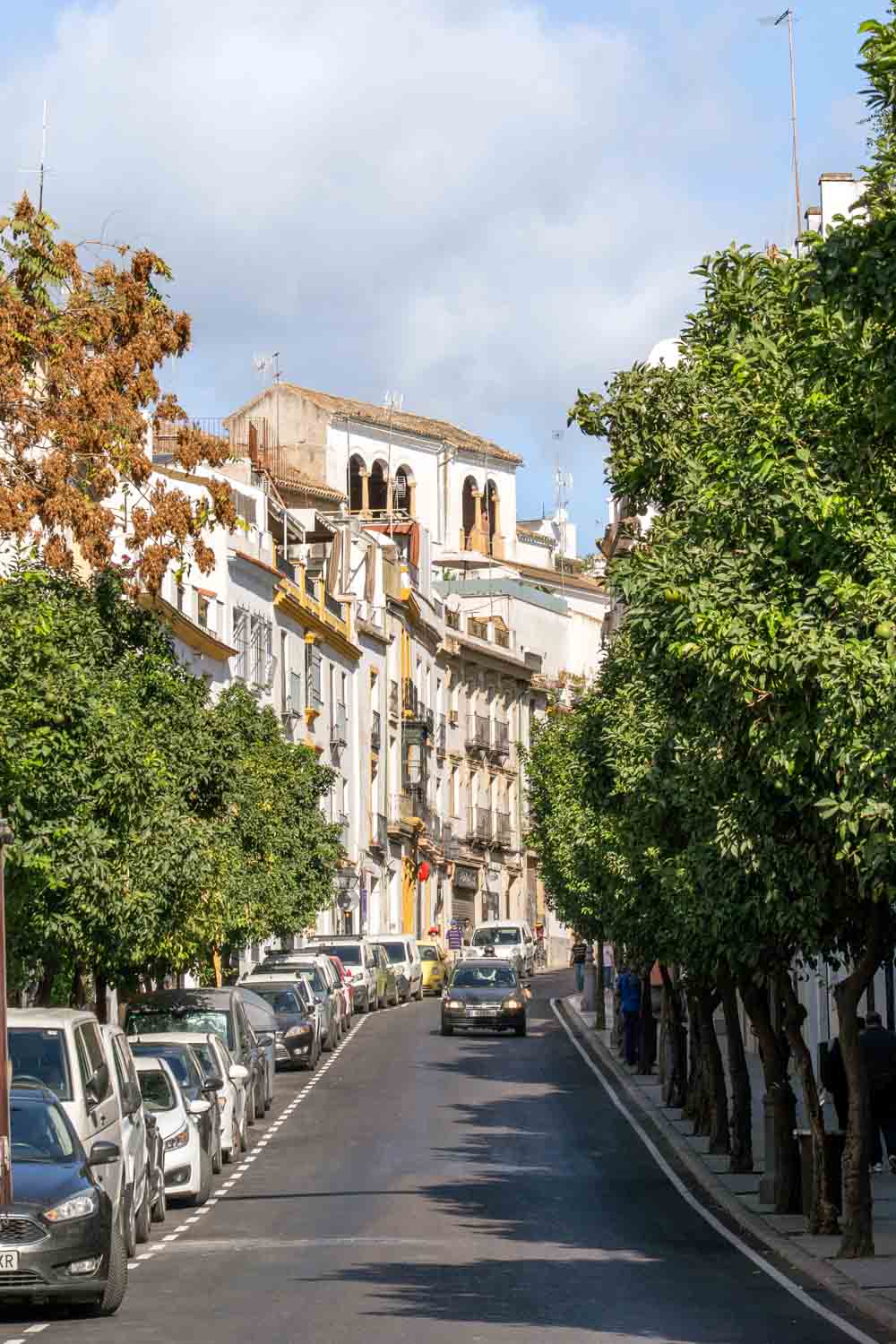
Cordoba’s historic centre is compact, flat, and highly walkable. Most major attractions sit within the old Jewish Quarter and can be explored on foot. Public buses are reliable and affordable for longer distances, while taxis are plentiful and safe.
Rideshare services like Uber or Cabify operate, though taxis remain more prevalent. Use the Freenow app to use the taxi service like rideshare. Renting a car isn’t practical for city exploration — narrow streets, limited parking, and restricted zones make driving more hassle than help.
Where to stay in Cordoba
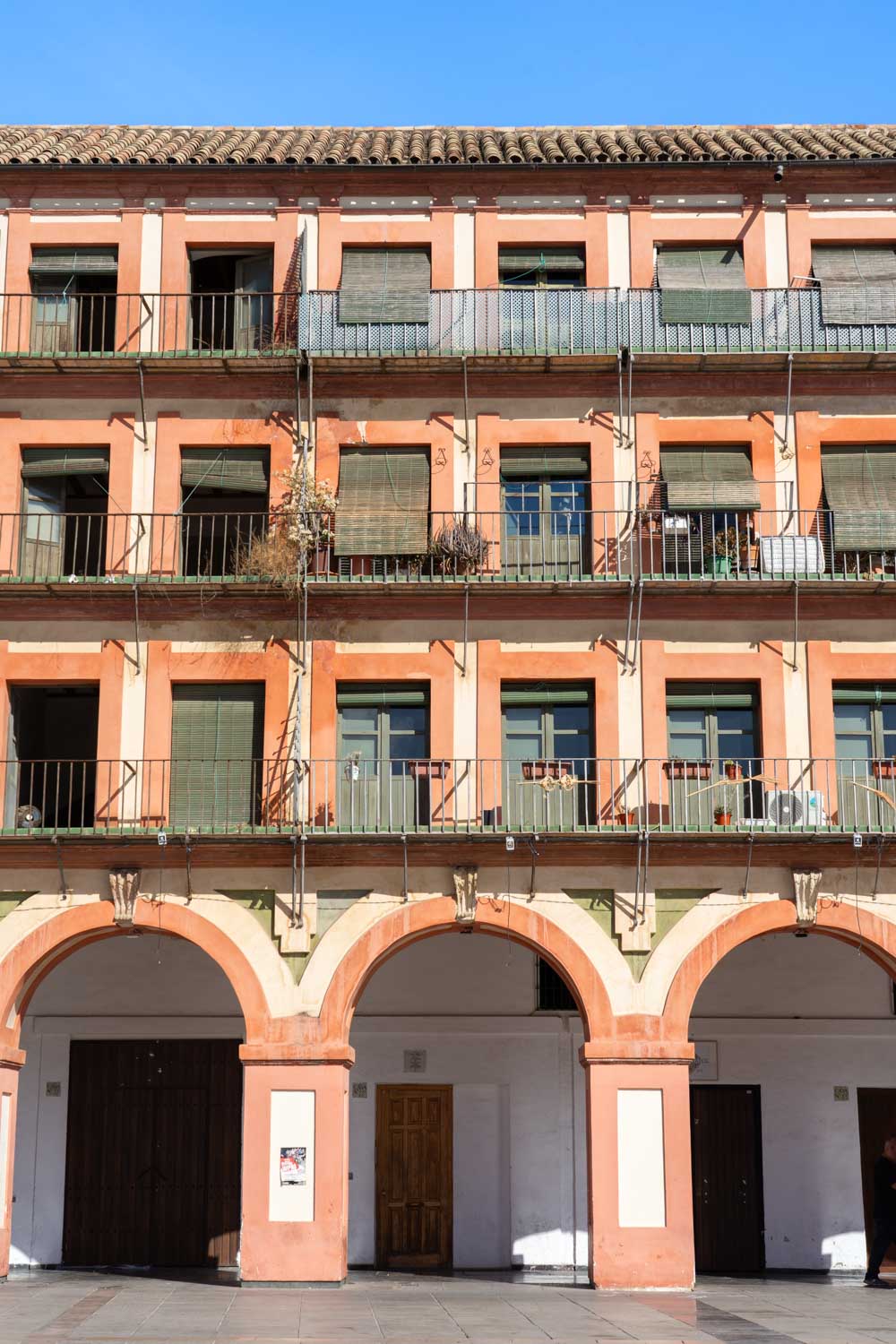
For first-time visitors, staying in or near the Jewish Quarter (La Judería) is ideal. You’ll be steps from major sights, restaurants and atmospheric evening walks. Accommodation ranges from boutique hotels in restored palaces to intimate guesthouses.
Historic paradores and converted Andalusian homes offer a uniquely Cordoban experience — think tiled courtyards, fountains, and thick walls that keep the heat at bay. The city’s walkability means you’ll rarely need transport once settled.

Top things to do in Cordoba
Here are some of the most rewarding things to do in Cordoba, blending history, culture, and lived experience. If you’re wondering what to do in Cordoba, start here.
1. Mezquita–Cathedral of Córdoba
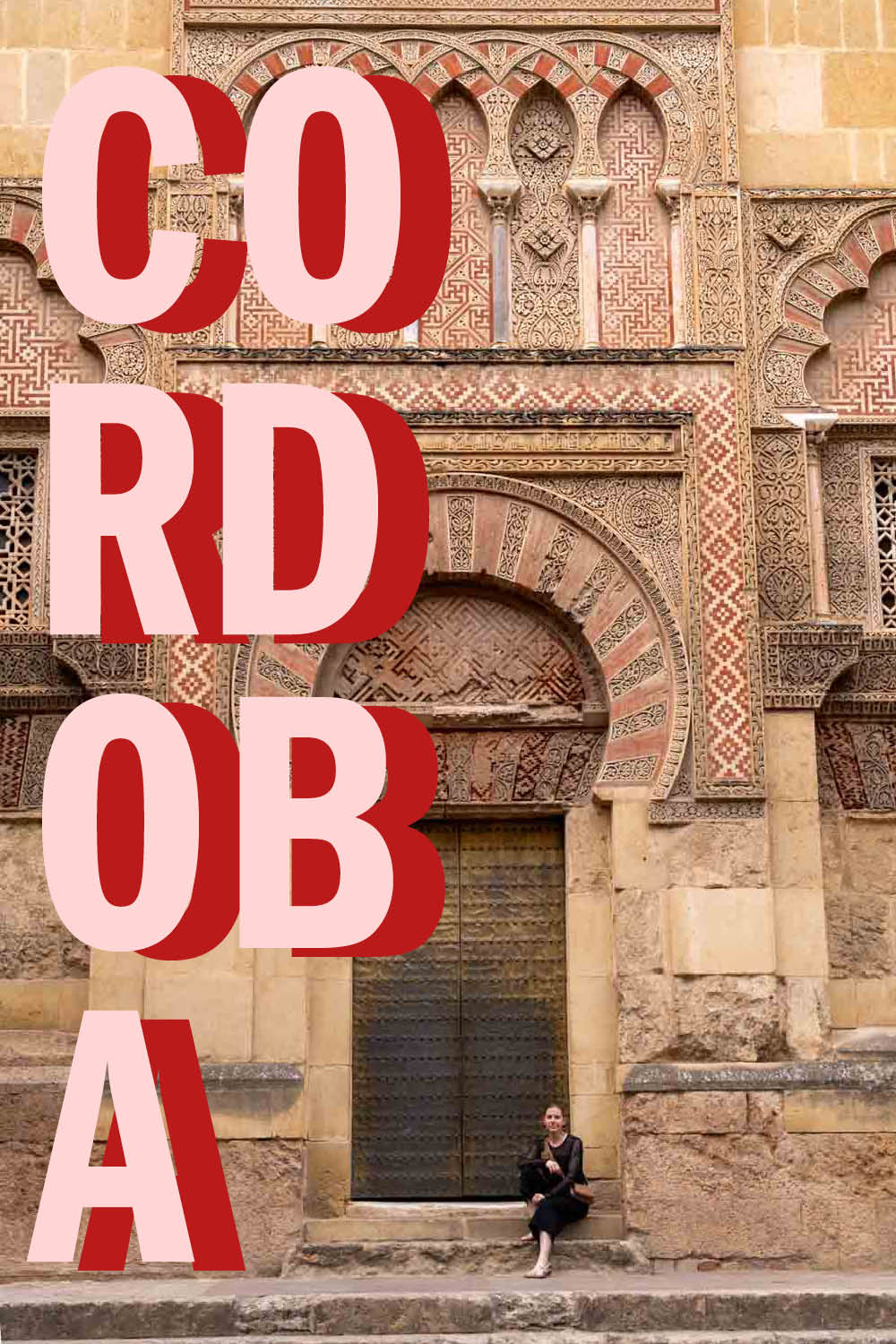
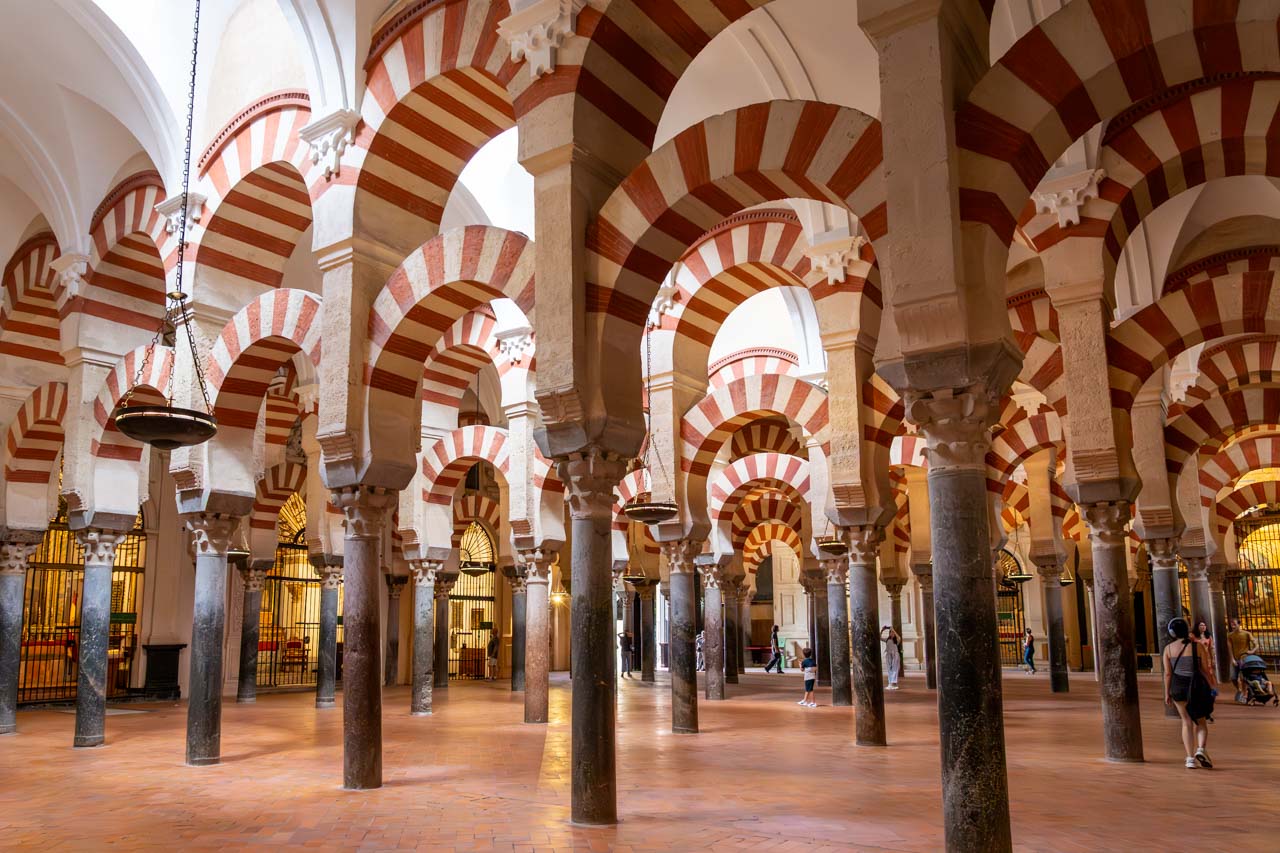
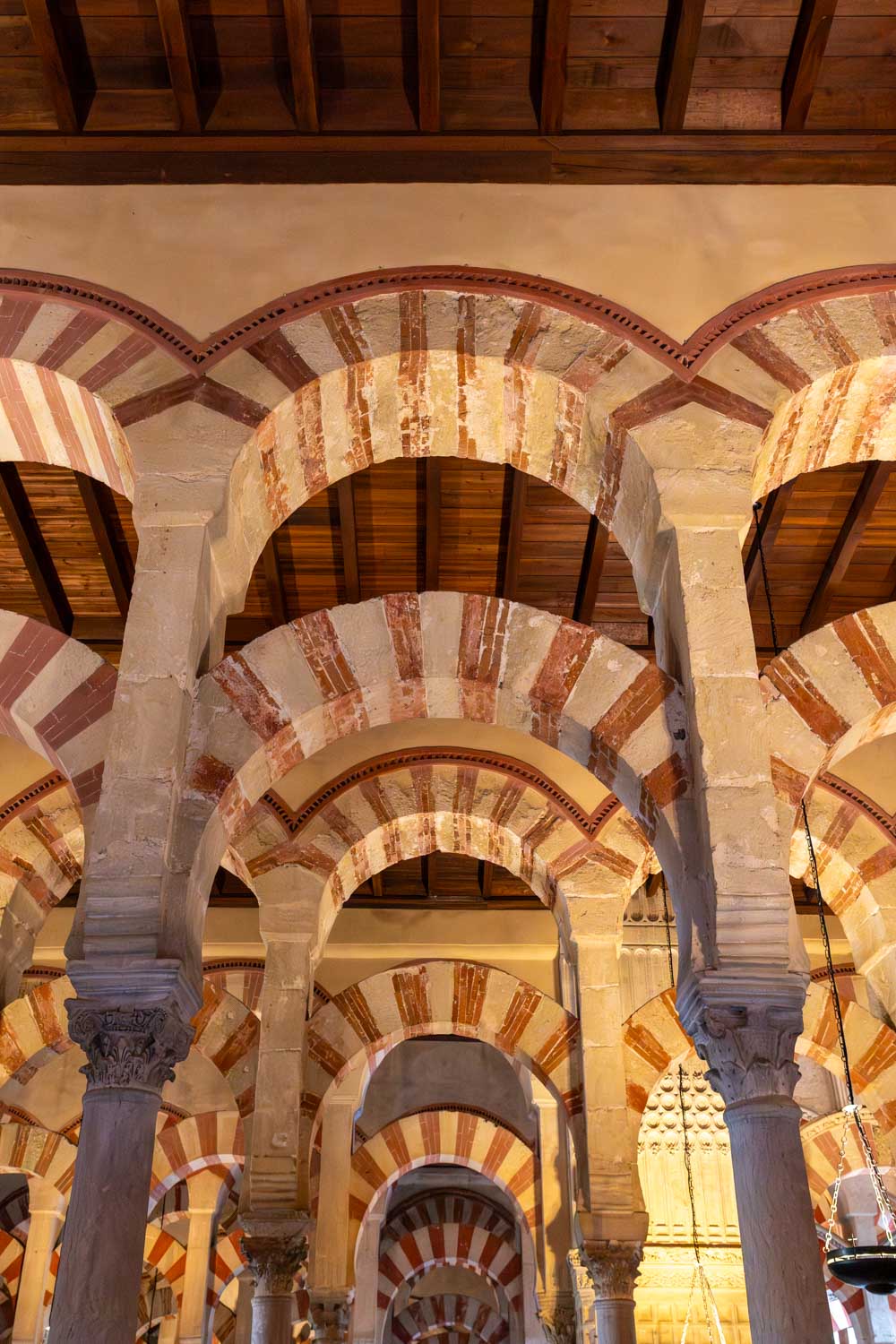
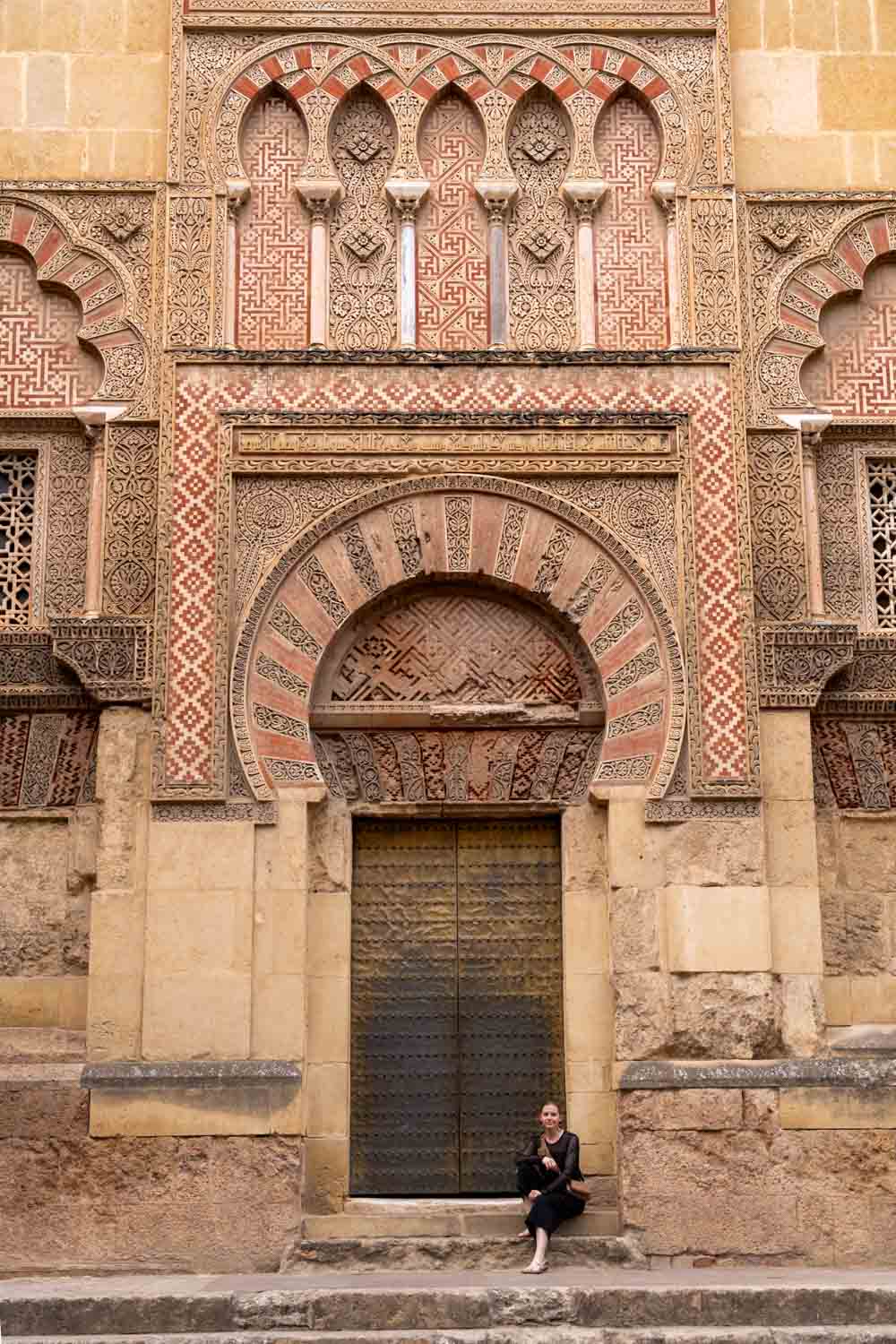
This UNESCO-listed masterpiece is Cordoba’s soul. Originally a mosque, later transformed into a cathedral, the Mezquita is a forest of red-and-white arches unlike anything else in Europe. Its layered architecture reflects centuries of religious and political change, making it one of the most important cultural monuments in the world.
2. Tour La Judería
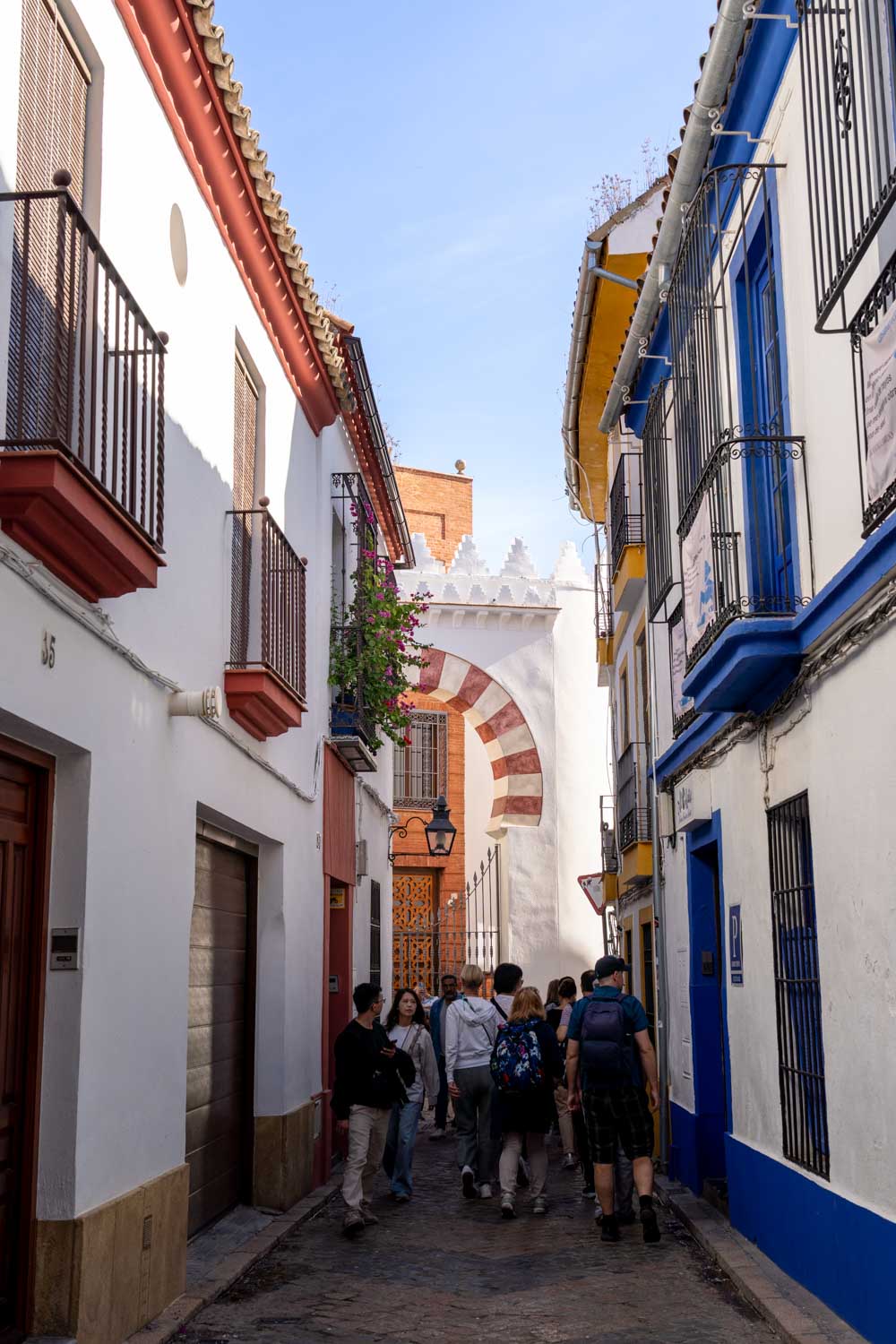
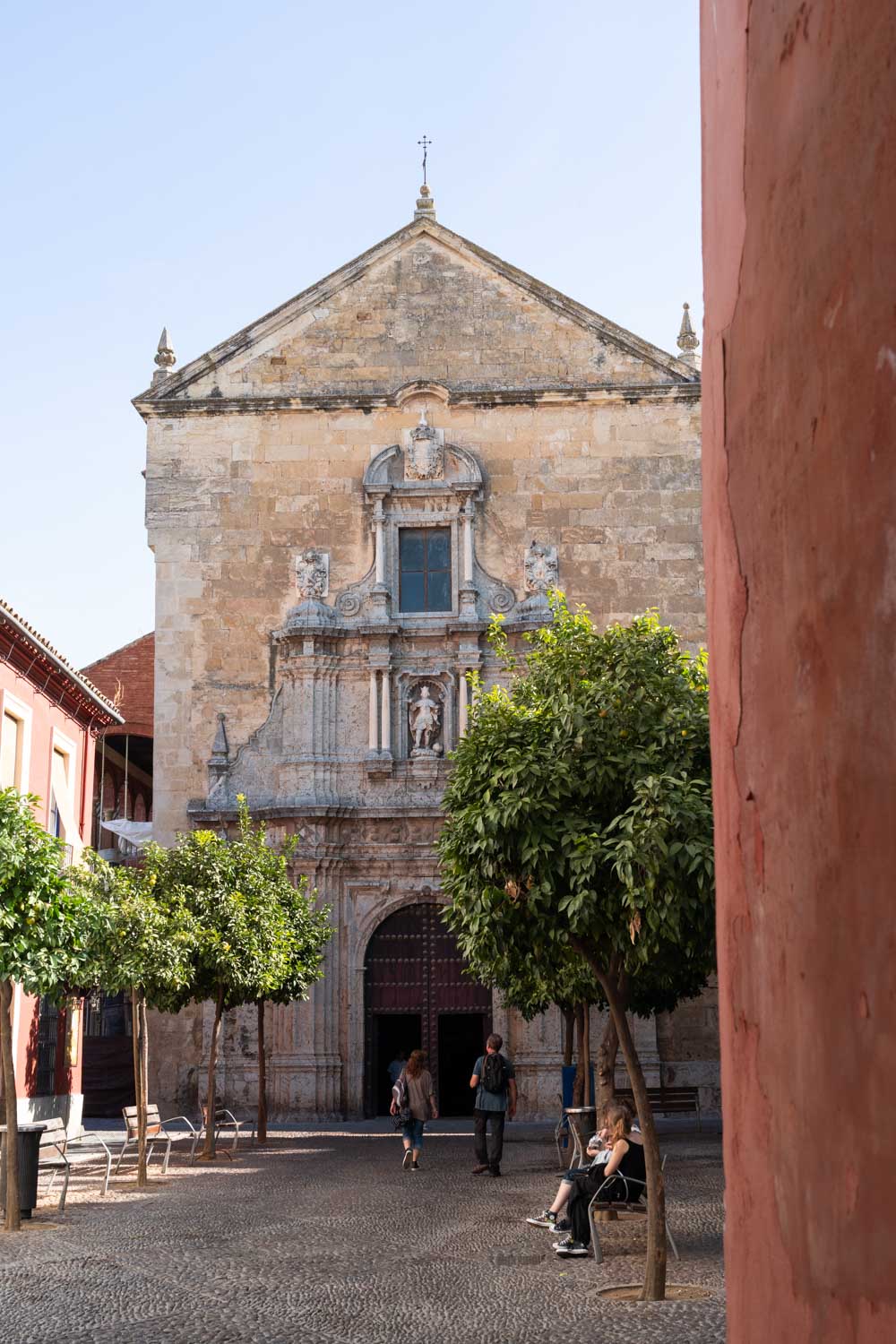
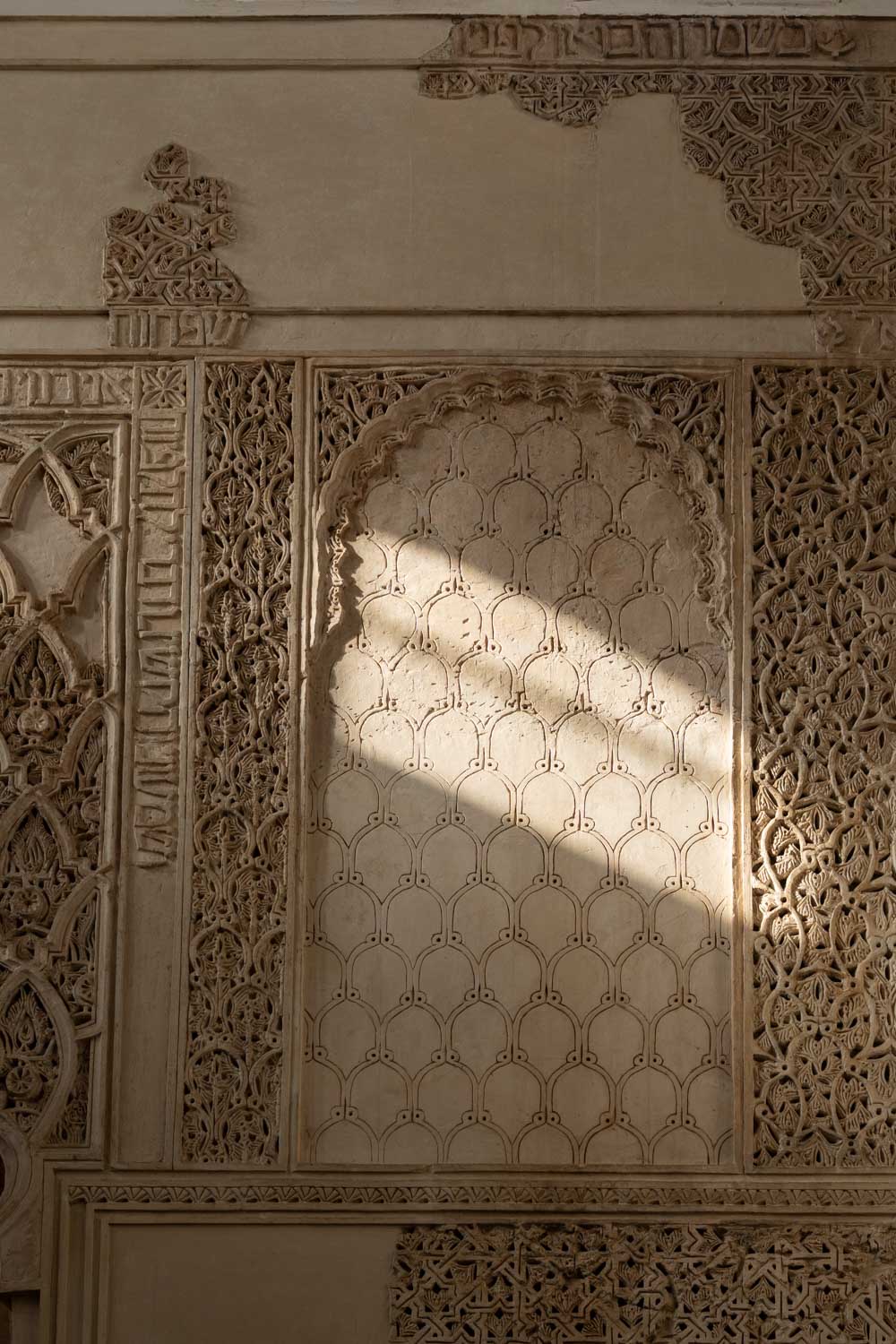
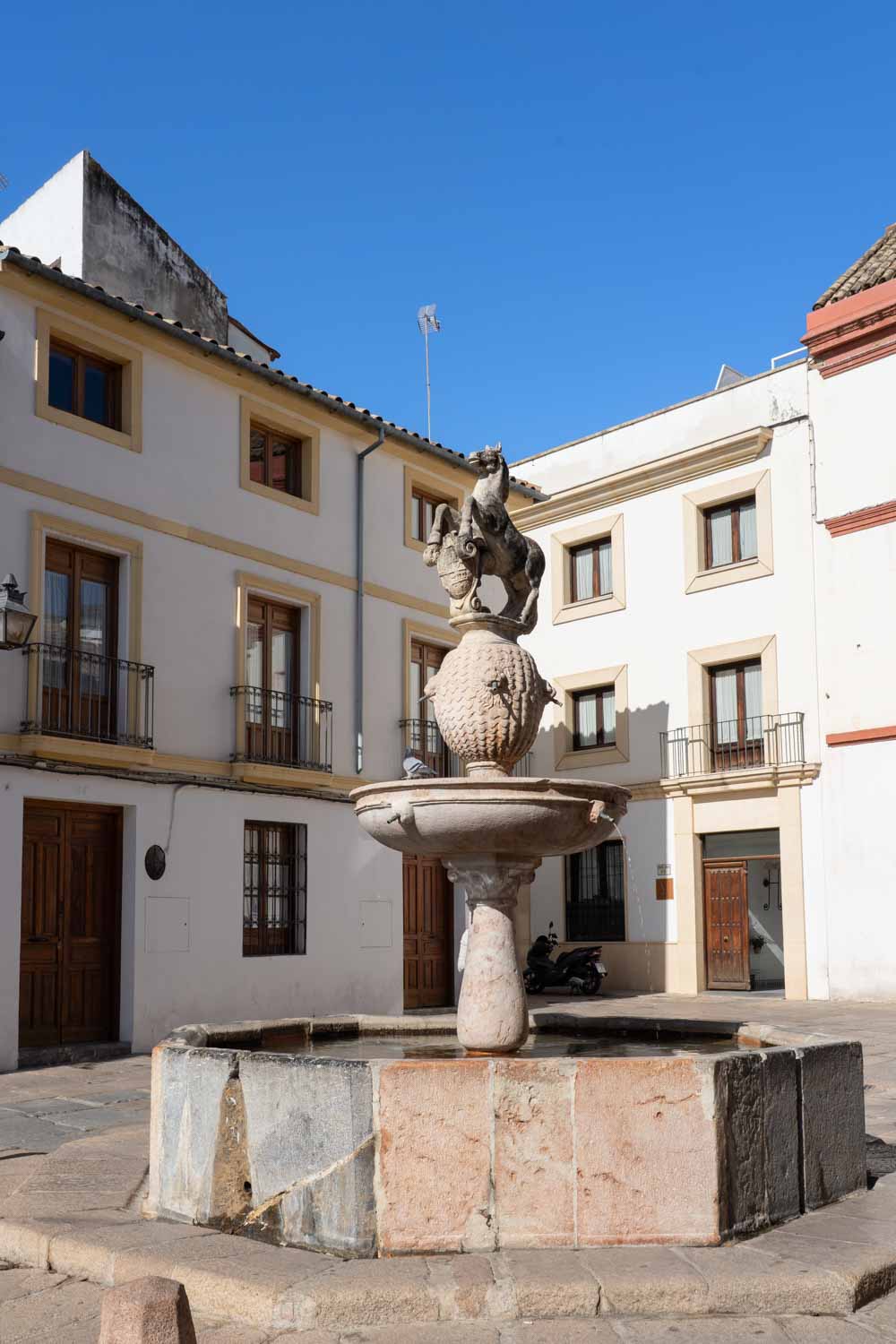
Cordoba’s Jewish Quarter is a maze of whitewashed lanes, flower pots and hidden squares. This neighbourhood preserves the memory of medieval Jewish life and intellectual flourishing. It’s best explored initially with a tour guide, to understand what you are seeing, its significance and discover hidden nooks and crannies.
3. Roman Bridge and Calahorra Tower
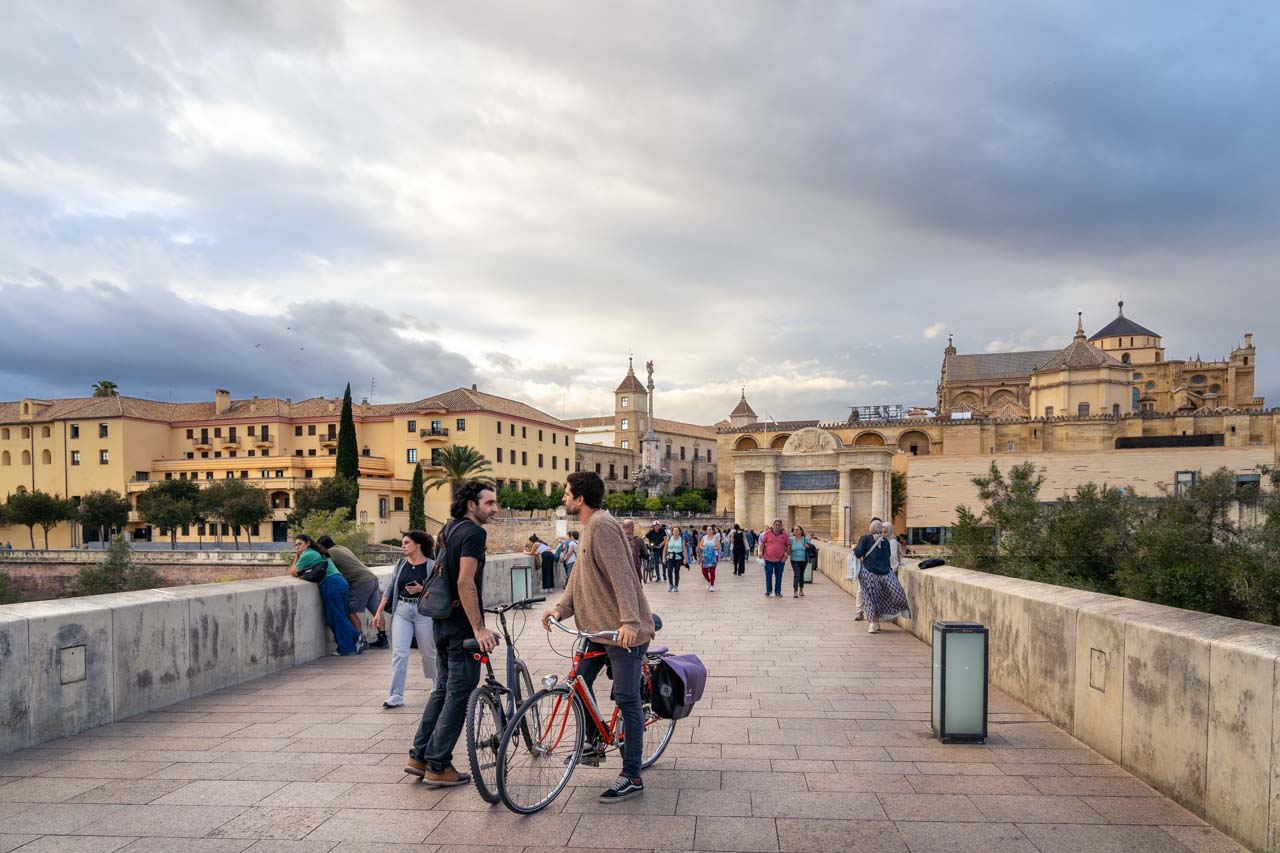
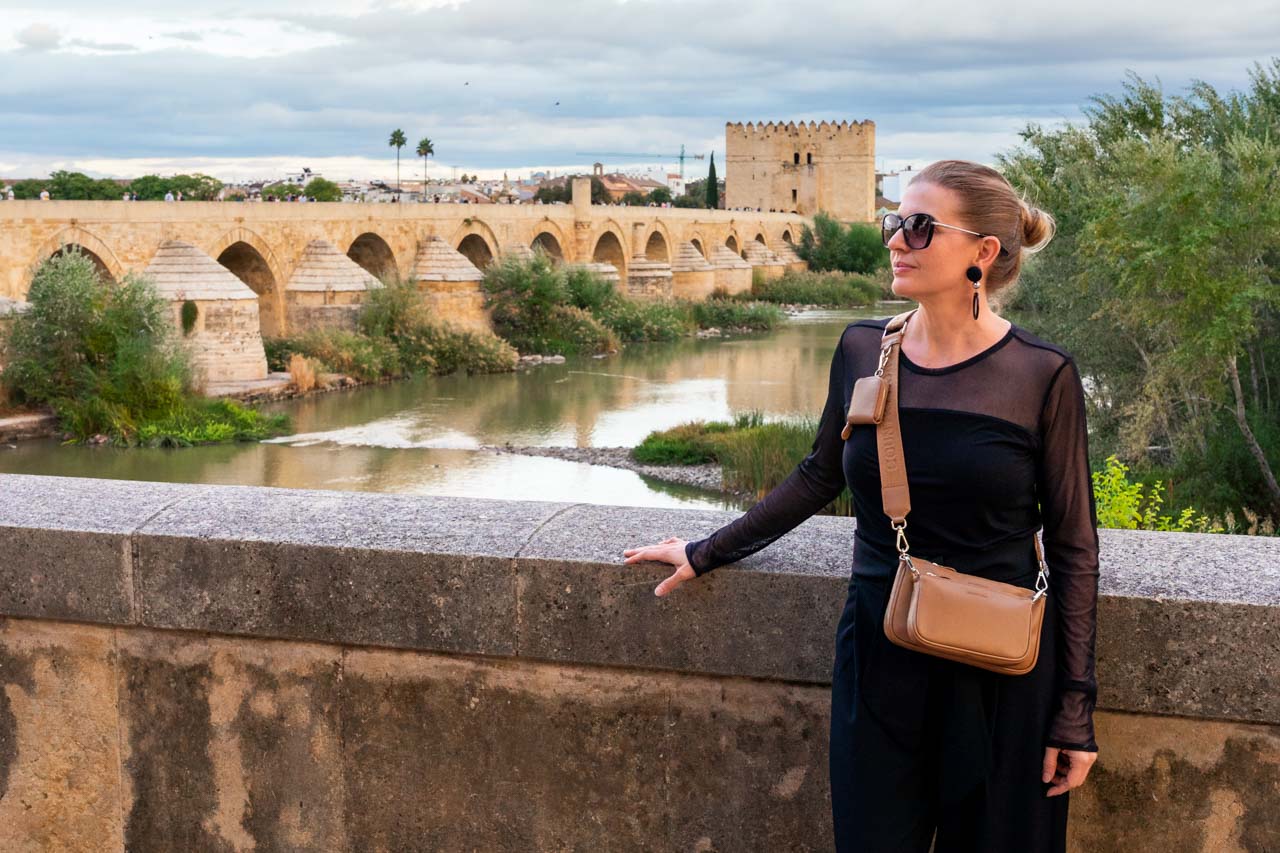
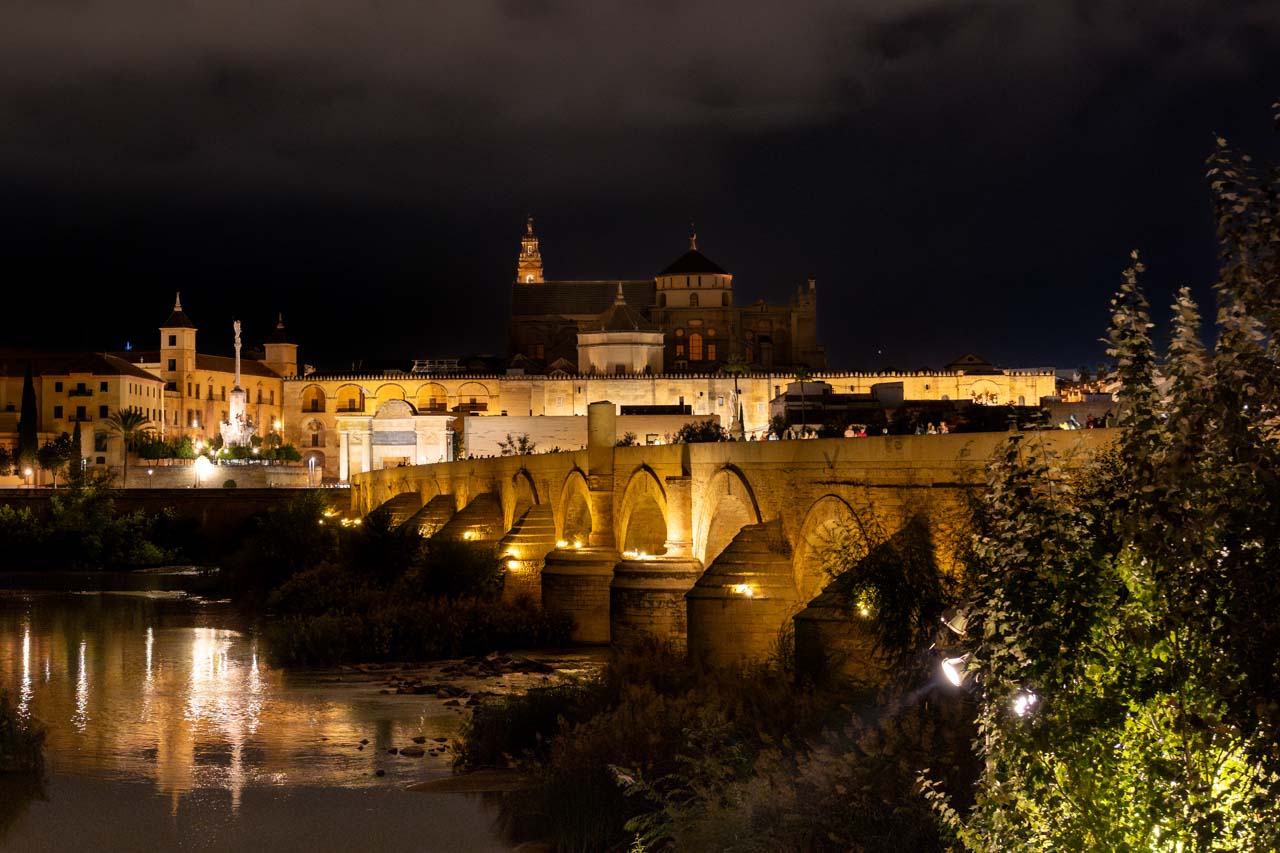
Crossing the Roman Bridge at golden hour is one of Cordoba’s simplest pleasures. The bridge has linked the city for nearly 2,000 years, while the Calahorra Tower houses a small museum on Cordoba’s multicultural past.
4. Alcázar de los Reyes Cristianos
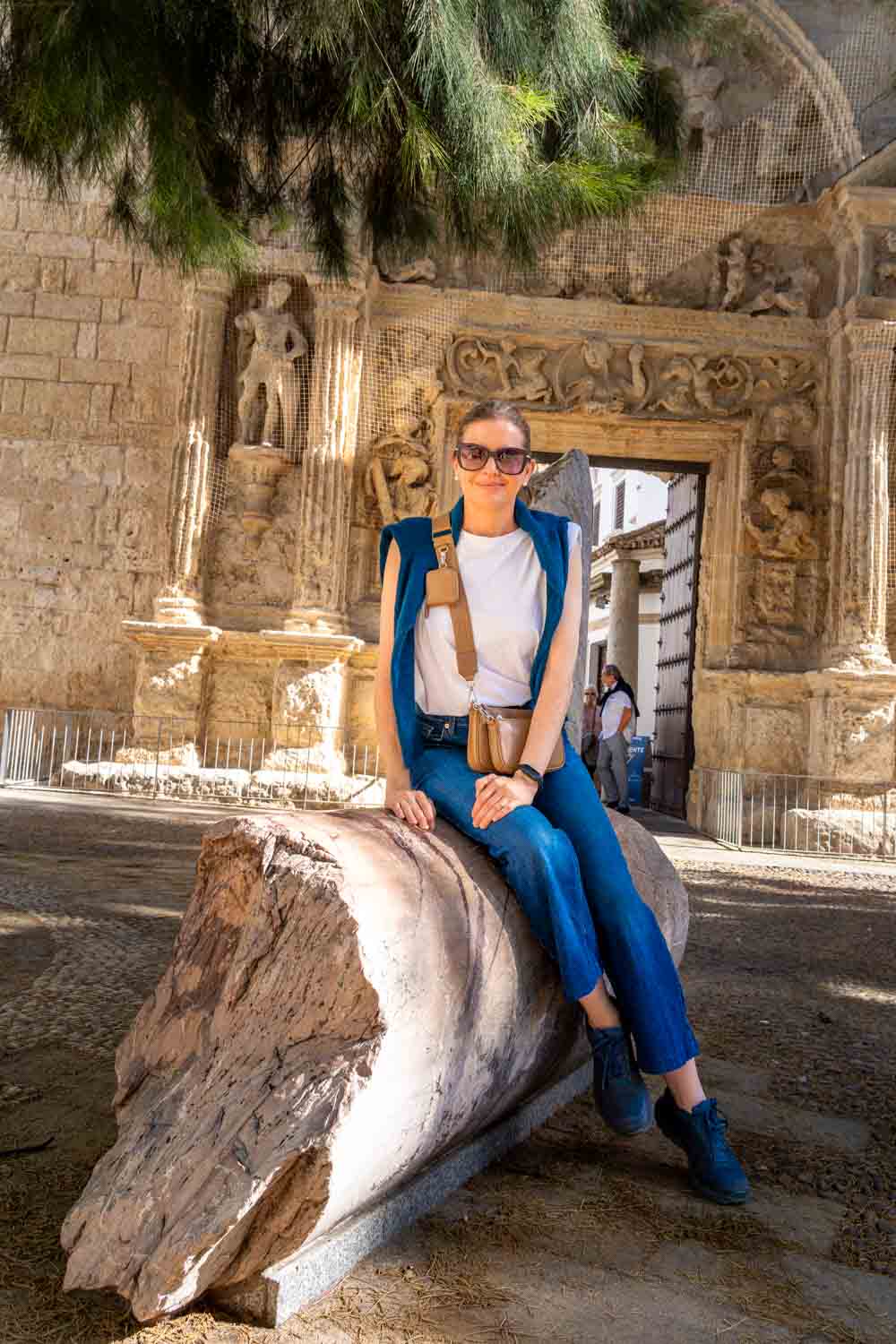
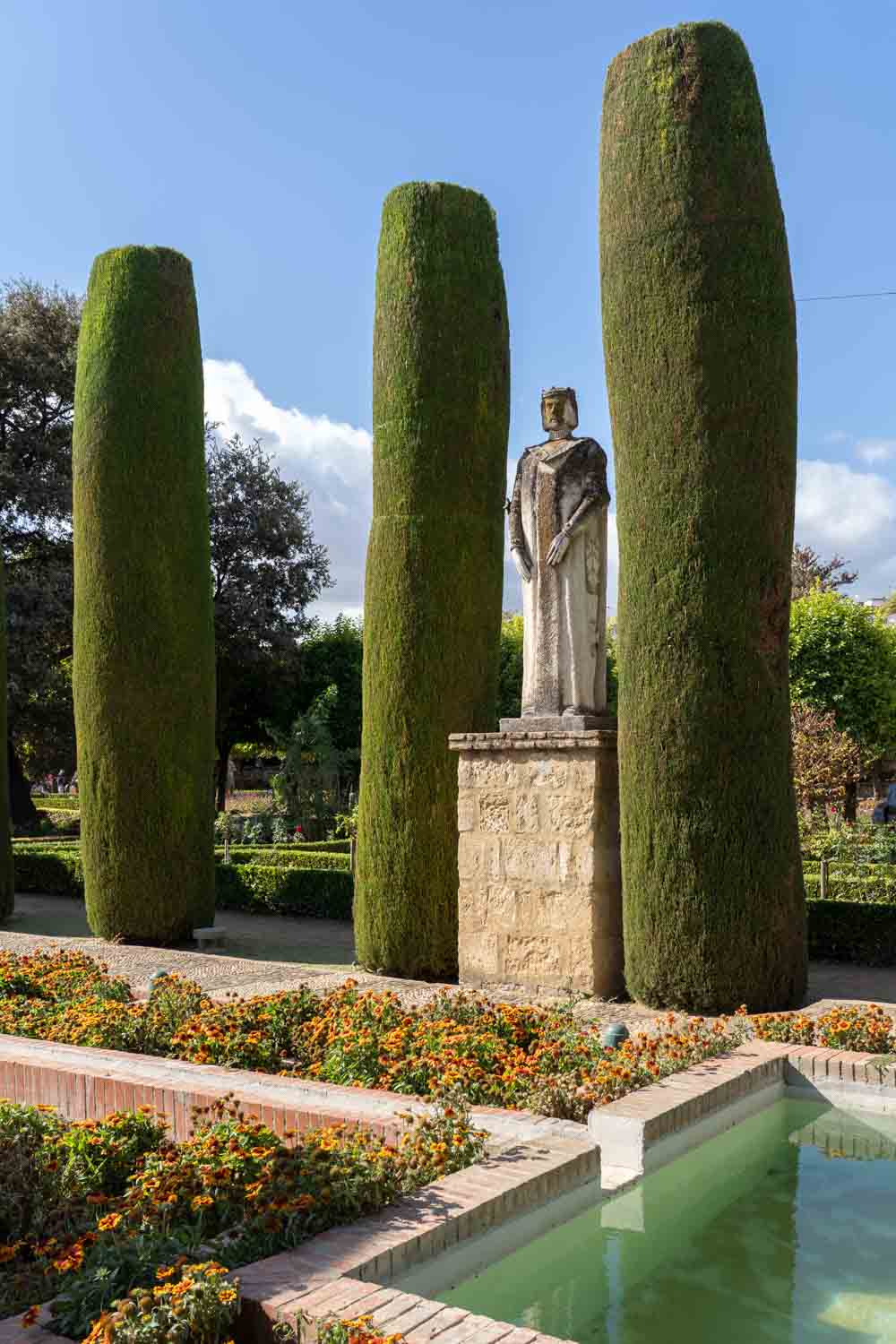
This fortress-palace blends Christian rule with Islamic design. Its gardens, fed by Roman aqueducts, are a peaceful escape from the city heat and offer insight into Cordoba’s strategic importance after the Reconquista. Unfortunately the castle was closed for restoration during our visit, but we still had access to it’s small but lovely gardens.
5. Palacio de Viana
A showcase of traditional Cordoban patios, this palace features twelve distinct courtyards, each with its own personality. It’s a living lesson in how architecture adapts to climate and culture.
6. Calleja de las Flores
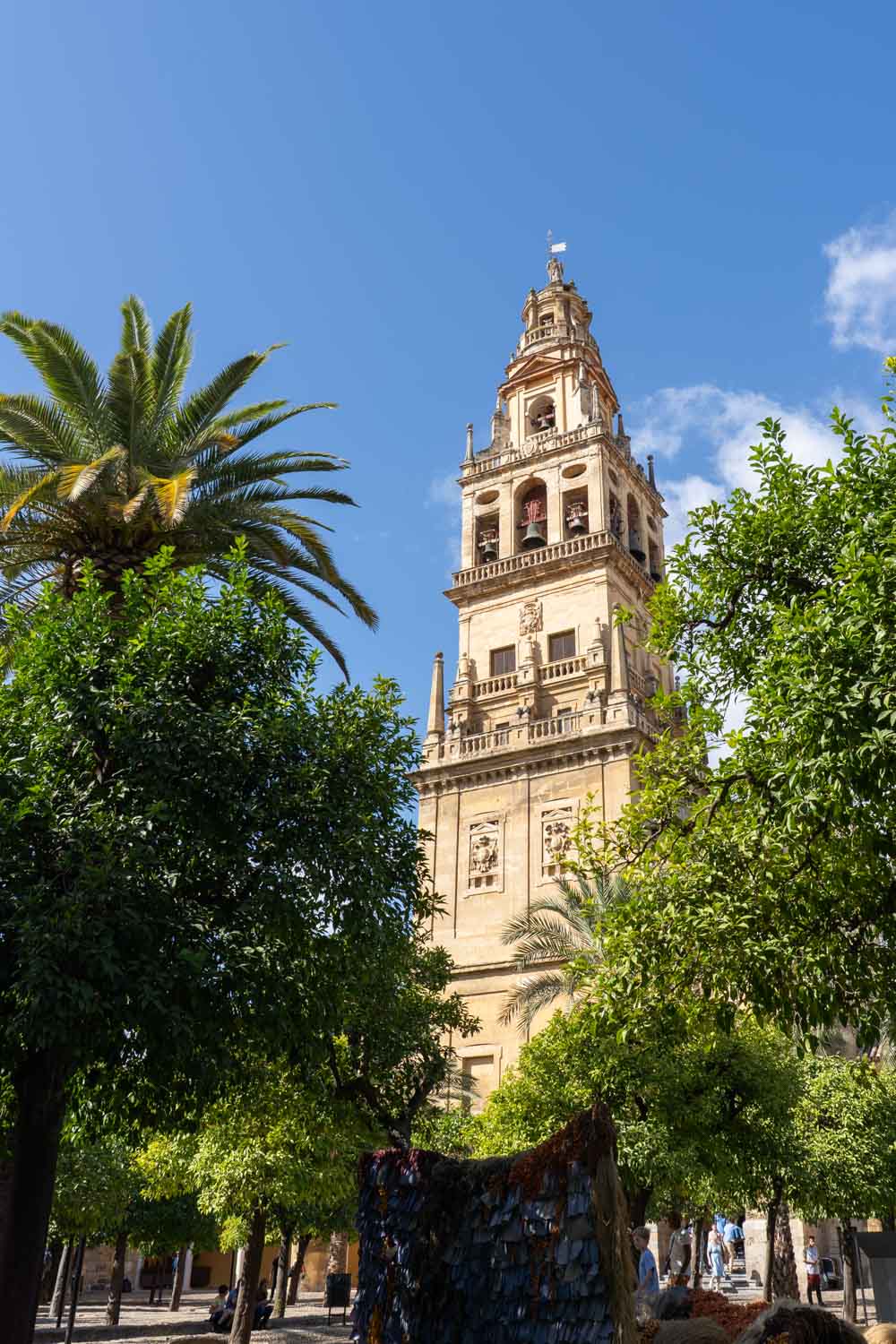
Yes, it’s popular — and yes, it’s worth it. This tiny lane frames the Mezquita’s bell tower with bursts of colour, embodying Cordoba’s aesthetic charm. This is a great Insta shot, but the secret is out and the spot can get quite crowded.
7. Medina Azahara
I wish we’d had time to visit this once glittering palace-city built by Abd al-Rahman III. Medina Azahara lies just outside Cordoba and is another of its World Heritage Listed treasures. Though largely in ruins, its scale and ambition speak volumes about Cordoba’s former power.
1-3 Day Itineraries for Cordoba, Spain
One day in Cordoba
Morning: Start early at the Mezquita-Cathedral, you’ll need 2-3-hours if you really want to take it all in.
Afternoon: Take a guided walking tour of La Judería. Lunch in the historic centre and make a late afternoon visit to the Alcázar.
Evening: Wander the riverside and enjoy sunset from the far end of the Roman Bridge, looking back at the illuminated historic centre as the lights turn on.
Two days in Cordoba
Day one: Begin with the Mezquita-Cathedral, followed by an afternoon walking tour of La Judería.
Day two: Spend the morning at the Alcázar, and visit Palacio de Viana after a leisurely lunch.
Three Days in Cordoba
With an extra day in Cordoba you can slow the pace a little. Follow the two-day itinerary above and add a visit to Medina Azahara on day three, preferably in the cooler morning hours.
Travel tips for Cordoba
Some last travel tips for safe, comfortable and fun visit to Cordoba:
- Book Mezquita tickets in advance, especially in peak season.
- Plan for siesta hours; many shops and food outlets close mid-afternoon.
- Dress modestly for religious sites.
- Carry lots of drinking water and some snacks.
- Evenings are late; dinner before 8pm is rare.
- Comfortable walking shoes and sun protection are essential.
- Summer sightseeing is best early morning or after sunset. You may need to extend your itinerary to work around the hottest hours of the day.
Don’t miss more Andalucian city guides and a packing guide over on our Spain travel page.
Peace, love & inspiring travels,
Madam ZoZo