Jordan packs red desert, two seas and some of the world’s great ancient sites into a country small enough to road-trip from end to end. That’s what makes it so rewarding to travel Jordan, as long as you get a few decisions right before you go. The right pass, the right season and the right bases will shape your trip more than any single sight.
This guide pulls the planning into one place: getting there, the Jordan Pass and visa, safety, the best time to visit, where to stay, costs, and the local customs nobody warns you about. For a day-by-day route, see my full Jordan itinerary.
Disclosure: I may earn compensation from the purchase of any product or service linked on this website, at no extra cost to you. I only link to products I use and love, therefore feel comfortable recommending.
In this Jordan travel guide:
Jordan at a glance
- Main airport: Queen Alia International Airport (AMM), about 30-km (18-mi) south of downtown Amman. Aqaba’s King Hussein International Airport (AQJ) has a limited number of direct regional flights.
- Entry: Most visitors need a tourist visa. Buy the Jordan Pass before arrival and the visa fee is included (conditions apply).
- Currency: Jordanian dinar (JOD). Carry some cash: some hotels, restaurants, small shops and markets only accept cash.
- Driving: On the right. Self-drive is very doable once you adjust to the local style.
- Weekend: Friday is the weekly day of rest, and many businesses and sights open for shorter hours.
Why Visit Jordan? What a 10-Day Trip Delivers
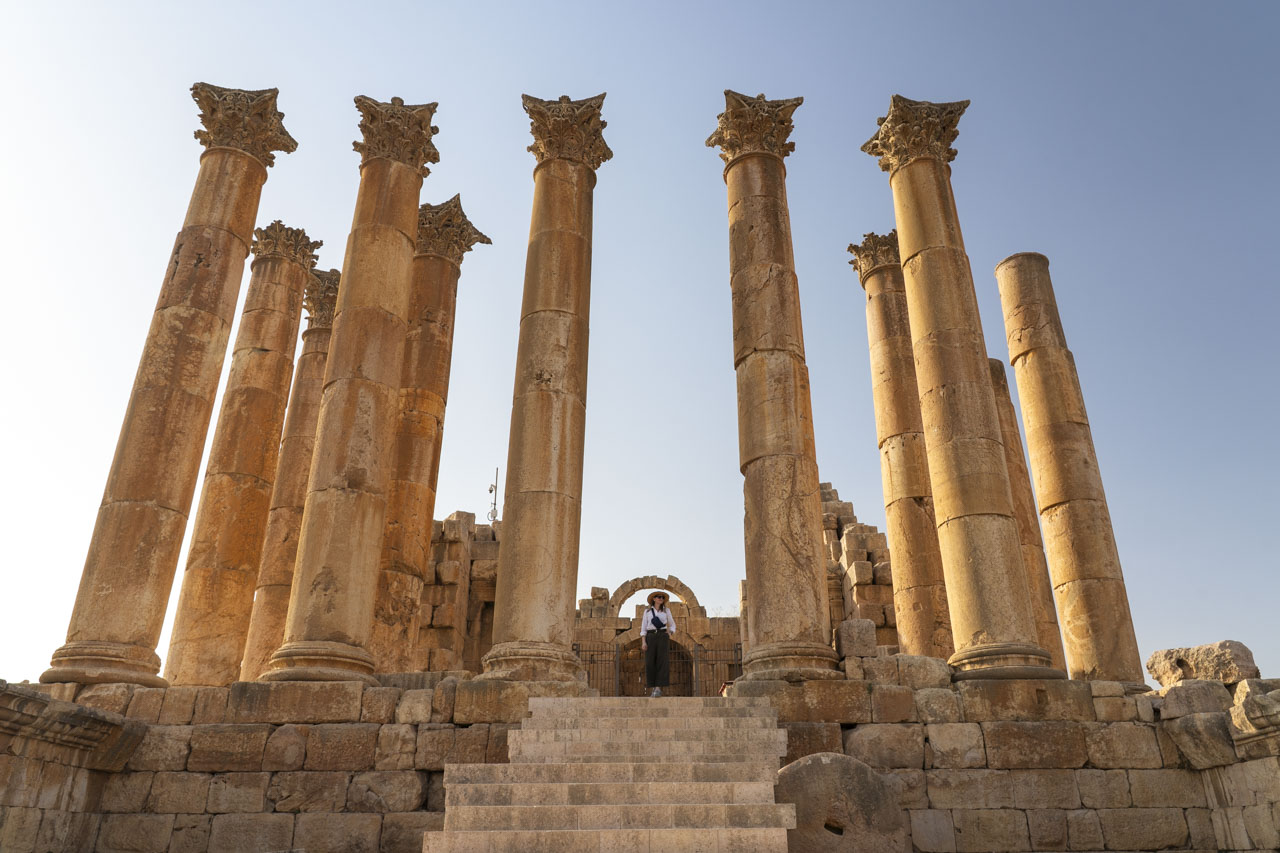
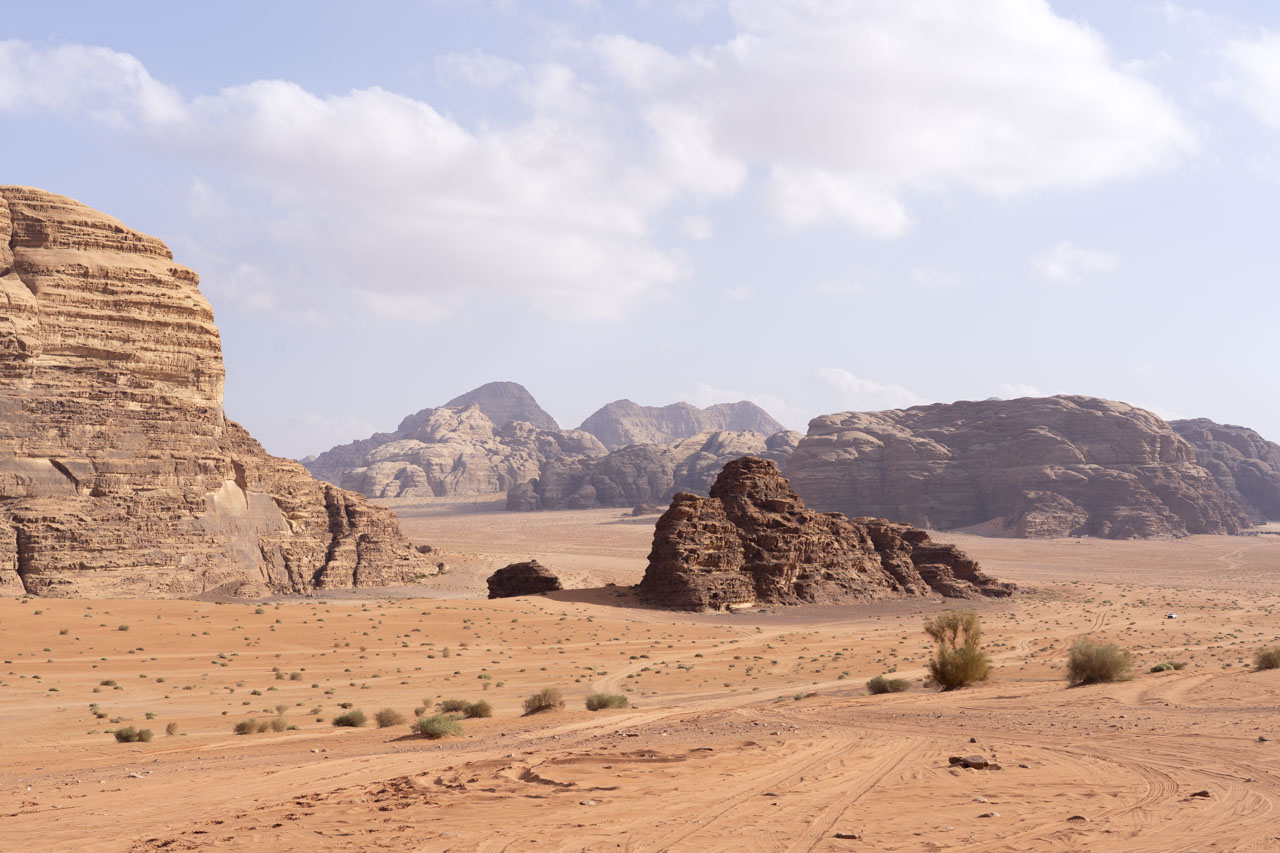
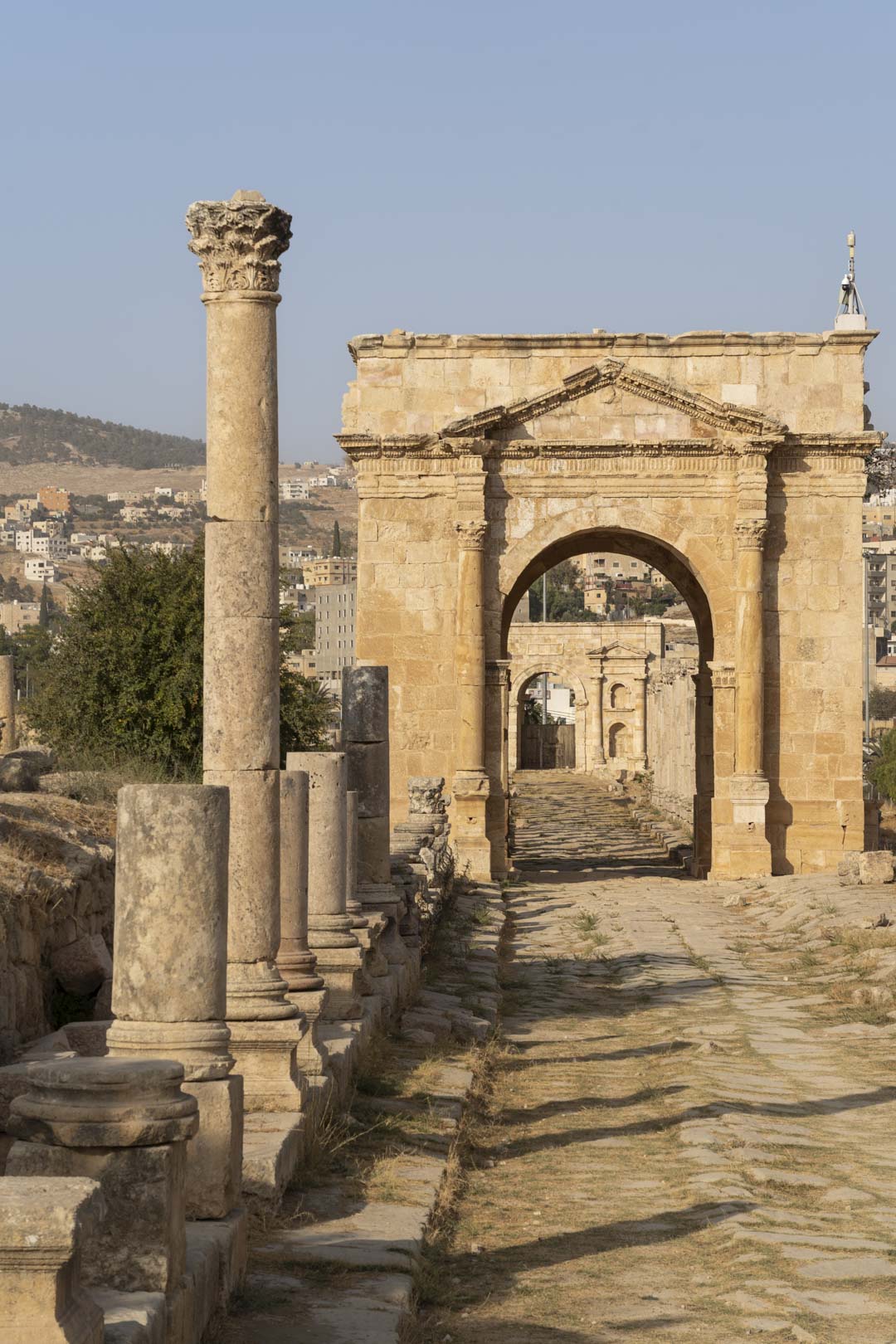
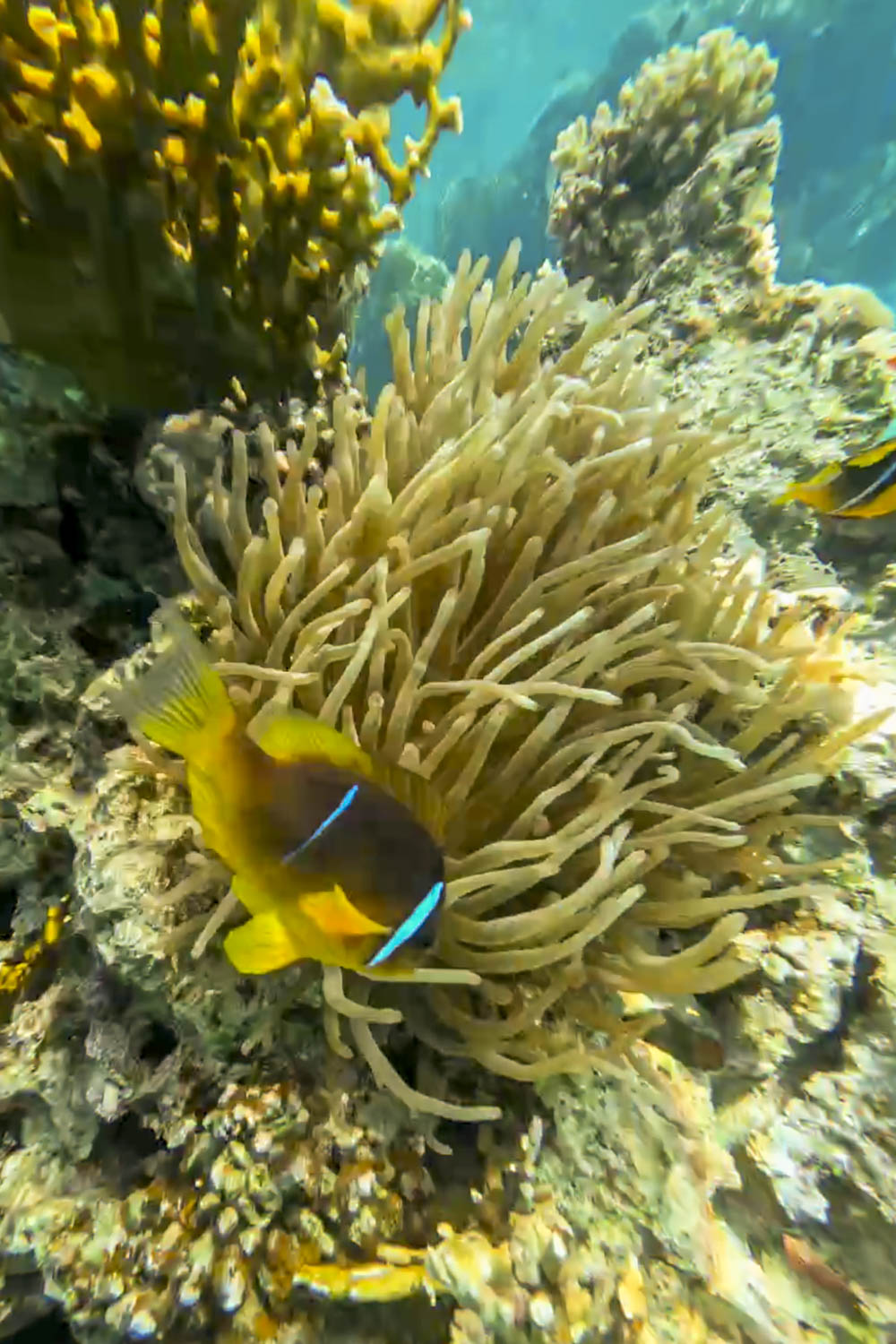
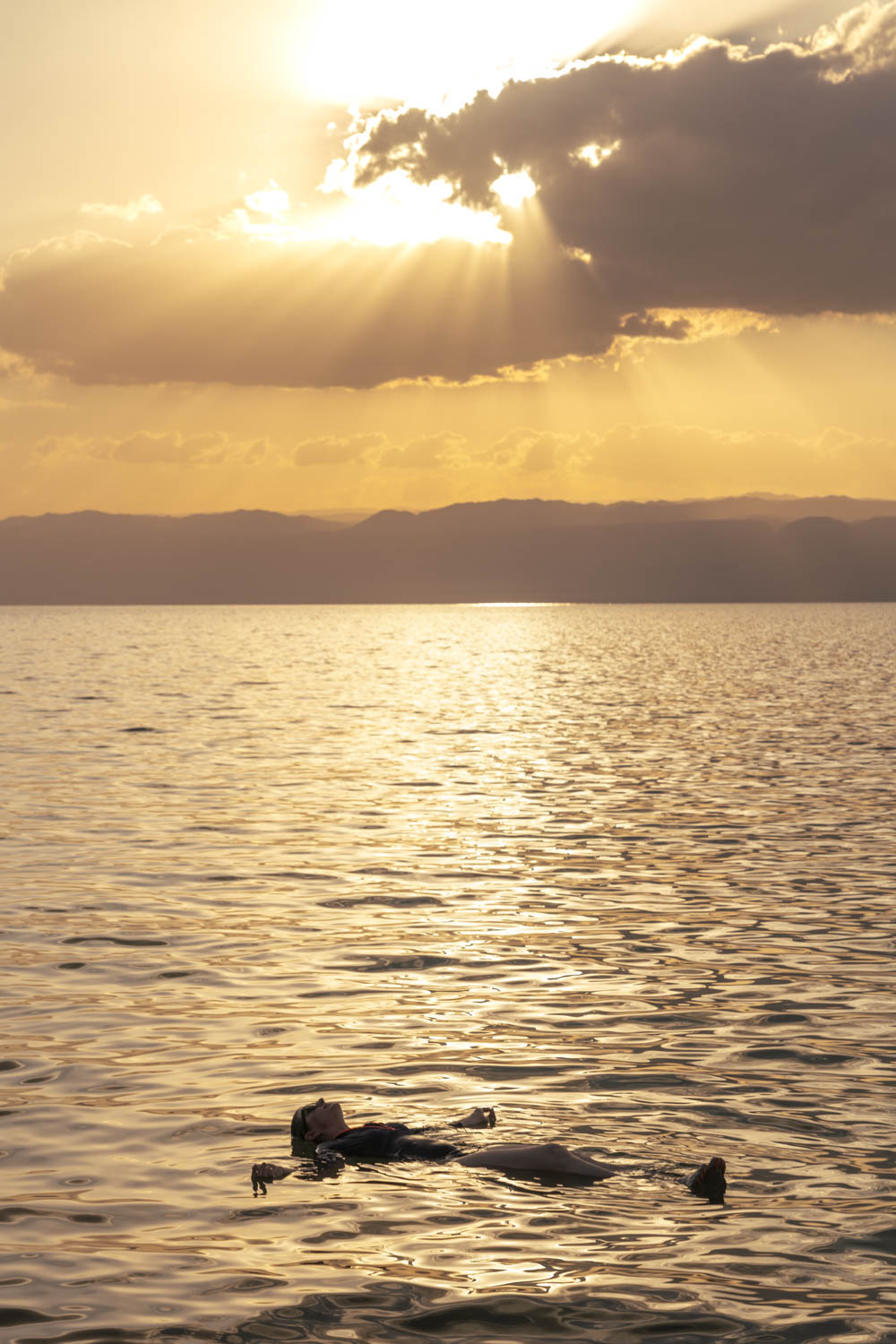
Jordan is a small country that punches far above its size. In ten days you can walk the Siq into Petra, sleep in a bubble tent in the Wadi Rum desert, snorkel coral reefs in the Red Sea, float in the Dead Sea, and wander Roman streets at Jerash. Then there are the Crusader-era castles, beautiful Byzantine mosaics and dreamy canyon hikes. Add desserts worth the trip on their own, and it’s easy to see why so many visitors are planning a return trip before they’ve left.
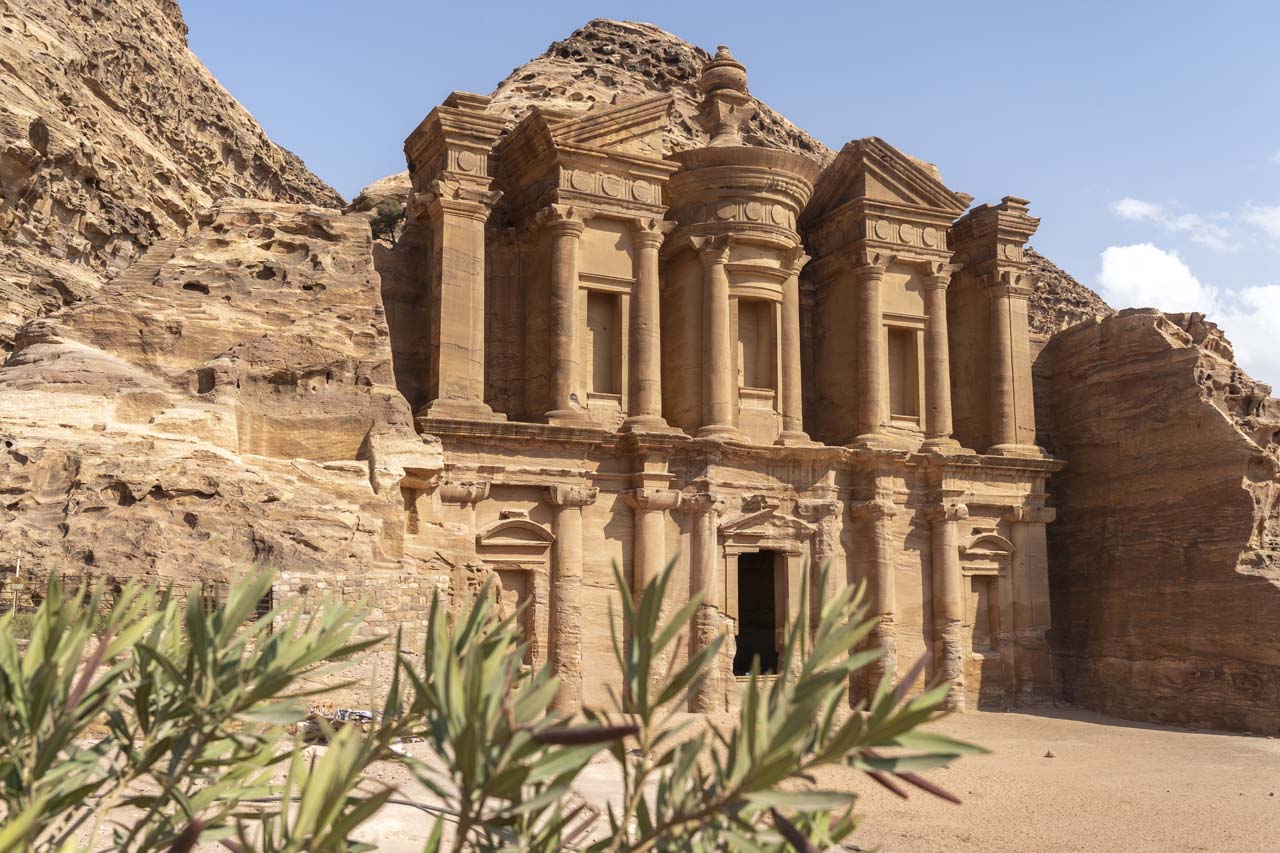
Petra alone is worth the journey. It’s much bigger than you’d expect, and the landscape is so gorgeous it’s an attraction in itself. Read my full-day guide to Petra (coming soon) and the Wadi Rum desert guide (coming soon) for the two headline experiences, or browse the best places to go in Jordan, also coming soon.
How to Plan a Trip to Jordan: Step by Step
Here’s how to plan a trip to Jordan, step by step. The details for each step are further down this guide.
- Choose your season. Spring and autumn balance comfortable temperatures with open canyon hikes, but they’re also the busiest months. See the best time to visit, below.
- Check official travel advice for your country, and buy travel insurance when you book.
- Set your route. Most visitors loop north to south from Amman and back. Ten days covers the highlights at a comfortable pace; see my full Jordan itinerary.
- Book flights into Queen Alia International Airport (AMM).
- Buy the Jordan Pass online before you fly, so your visa fee is covered.
- Book your rental car, if you’re self-driving, and read up on driving in Jordan, coming soon.
- Book accommodation, starting with Petra and Wadi Rum, which are the first to fill up in peak season.
Getting to Jordan: Flights to Jordan (Amman) and Airports
Most flights to Jordan land at Queen Alia International Airport (AMM), the country’s main international gateway, about 30-km (18-mi) south of downtown Amman.
Jordan’s second international airport, King Hussein International Airport (AQJ) in Aqaba, is mainly useful if you’re already travelling in the region. Its direct flights link Aqaba with Amman, Cairo, Abu Dhabi and Riyadh, plus seasonal routes such as Moscow in winter. Charter and low-cost flights from Europe vary from year to year. That’s why most Jordan itineraries are a loop that starts and ends in Amman.
Flights to Jordan From London, Mumbai, New York and Dubai
Here’s who flies nonstop to Amman from some of the most common starting points. Schedules change often, so treat it as a starting point:
- London: For flights to Jordan from London, both British Airways and Royal Jordanian fly nonstop to Amman. British Airways quotes a flight time of about 5-hours 10-minutes, and the flight home takes a little longer.
- Mumbai: Royal Jordanian is the only airline flying nonstop from Mumbai to Amman. The flight takes about 6-hours.
- New York: Royal Jordanian flies nonstop from New York’s JFK to Amman. It takes about 11-hours to Amman and about 12-hours back.
- Dubai: For flights to Jordan from Dubai, Emirates, flydubai and Royal Jordanian all fly nonstop to Amman, taking between 3-hours 30-minutes and 4-hours 30-minutes.
From Toronto and most other cities, you’ll connect through a hub in Europe or the Gulf.
Cheapest Flights to Jordan Amman: Where to Compare Fares
To find the cheapest flights to Jordan Amman, compare fares on a flight aggregator site like Google Flights, across a few days either side of your ideal dates. Look at both nonstop and one-stop options. Flights to Jordan cheap enough to tempt you can come with extra costs. You know the adage… if it’s too good to be true, then it usually is. Check what’s included before you book. Low cost flights to Jordan often charge separately for checked bags and seat selection, and you’ll want a checked bag if you’re bringing snorkelling gear.
Can You Fly to Petra? The Nearest Airports
No. There is no Petra Jordan airport, so you can’t fly to Petra, Jordan, directly. When you search for Petra Jordan flights, you’re really looking for flights into one of two airports. According to Visit Jordan, King Hussein International Airport (AQJ) in Aqaba is the closest, about 129-km (80-mi) from Petra, while Queen Alia International Airport (AMM) is about 209-km (130-mi) away. Either way, the last leg is by road.
Flying into Amman and driving south over several days lets you see far more of the country on the way. See driving in Jordan (coming soon) for the roads.
From Amman Airport to the City
Take a Careem (the regional ride-share app) or an Uber into Amman. You won’t need a car while you explore Amman, so consider collecting your rental car on the day you leave the city, and returning it at the airport at the end of your trip, as we did.
Jordan Pass: Is It Worth It?
Yes, for almost every visitor. The Jordan Pass is the official sightseeing pass from Jordan’s Ministry of Tourism and Antiquities. It bundles entry to more than 30 sites, including Petra, Jerash and Wadi Rum. If you buy it before you arrive and meet the minimum stay of three days (two nights), it includes your tourist visa fee. Petra entry and the visa alone are worth more than the pass costs. There are three tiers, and the only difference is how many consecutive days you get at Petra. Check the current tiers and prices on the Jordan Pass website.
Here’s why it pays for itself. On Petra’s official fees page, a two-day Petra ticket is JOD55, and a single entry tourist visa to enter Jordan is JOD40. That’s JOD95 before you’ve seen a single other site, against JOD75 for the Jordan Explorer.
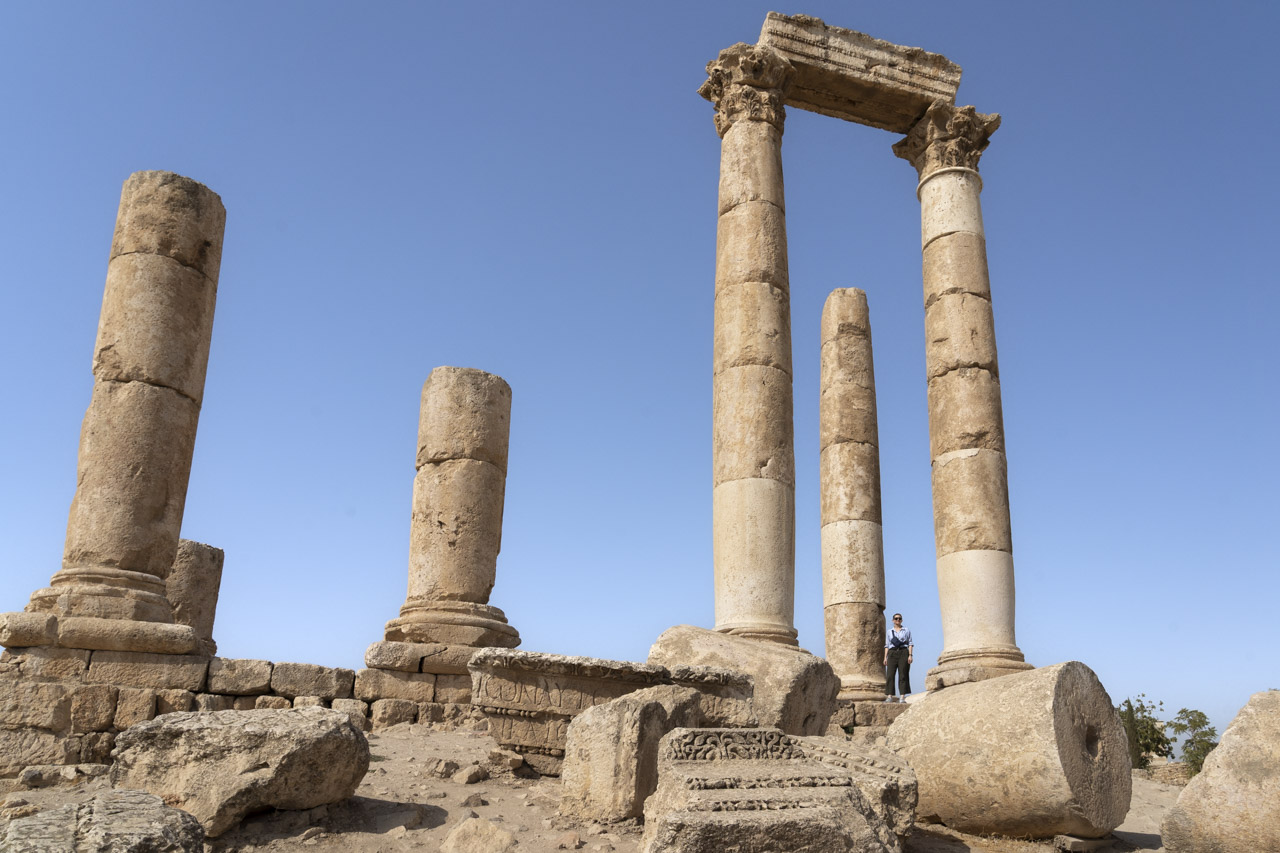
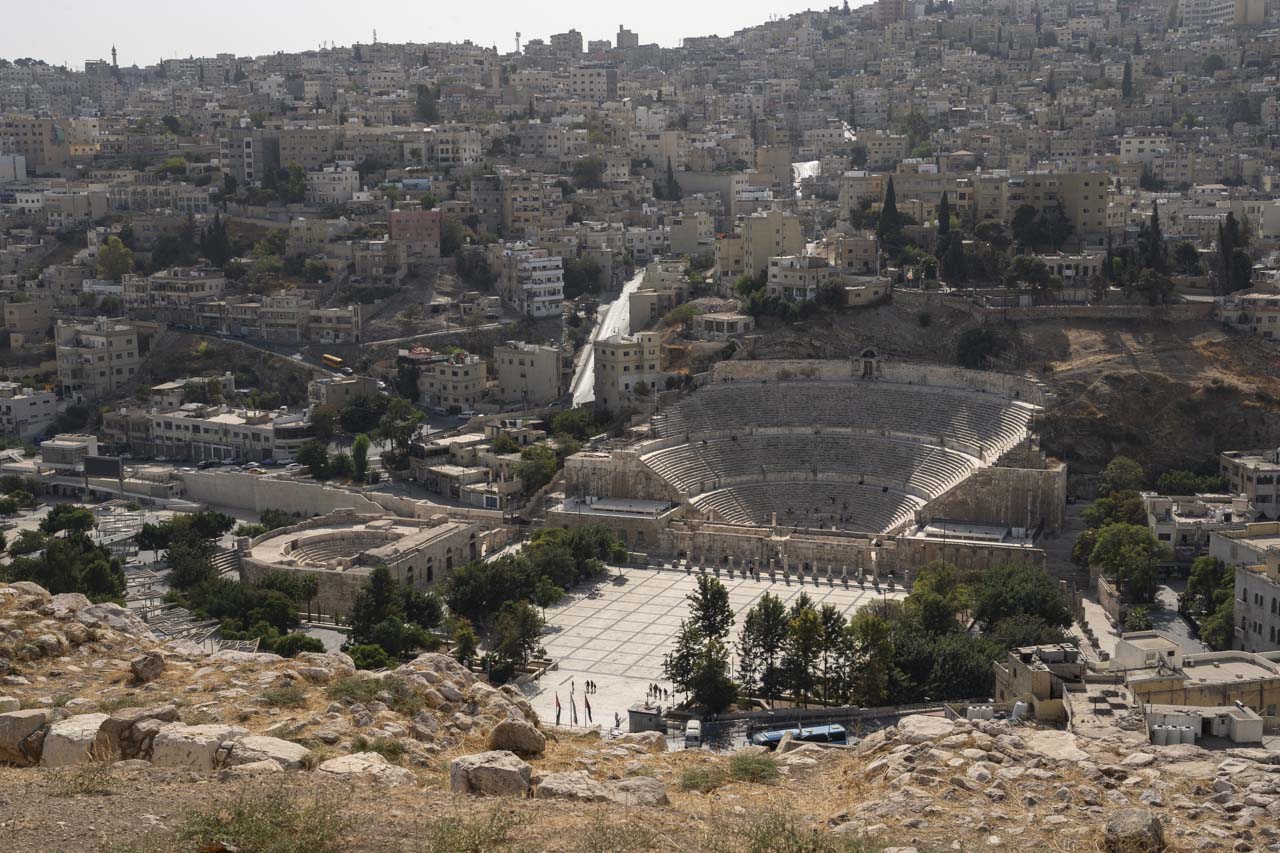
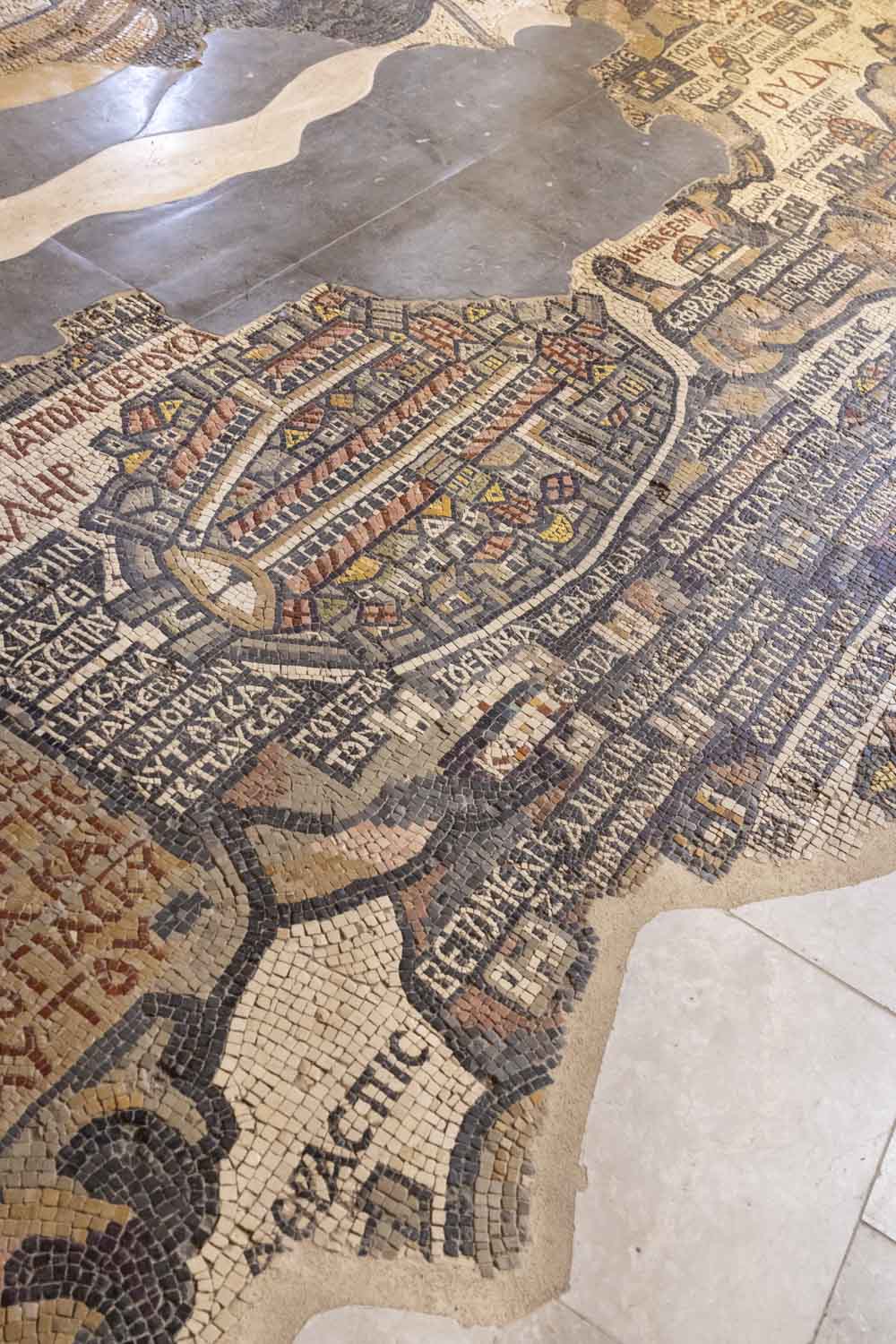
On our route, the pass covered the Amman Citadel, the Roman Theatre, the Citadel’s Archaeological Museum, the Folklore Museum, Ajloun Castle, Jerash, Umm ar-Rasas, two days at Petra, Wadi Rum and the Madaba Archaeological Park.
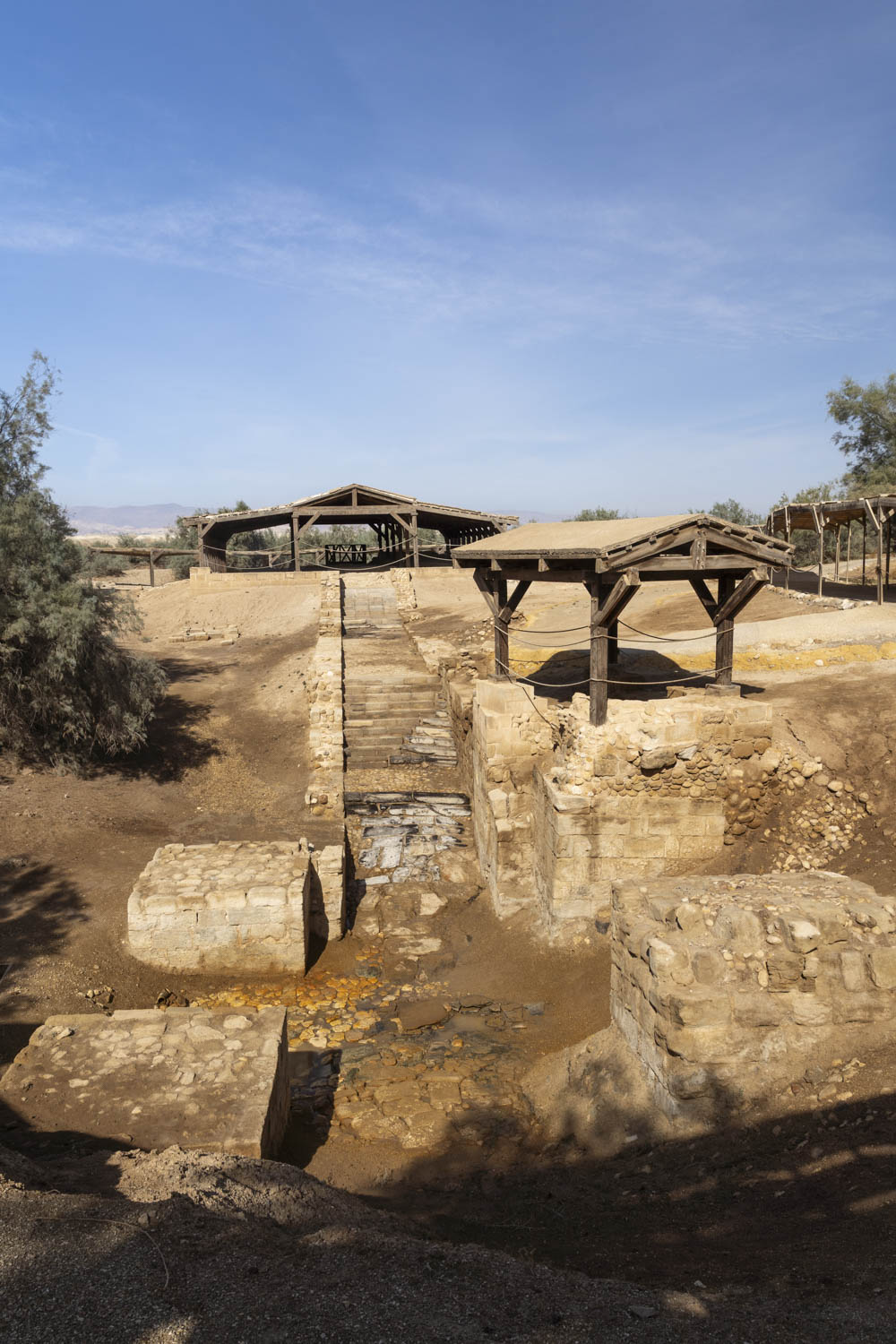
You’ll still pay separately for a handful of sights, for example: the Jordan Museum (JOD5), Petra by Night (JOD30 on top of a valid day ticket), the Wadi Mujib Siq Trail (JOD23), Mount Nebo (JOD3), Bethany Beyond the Jordan (JOD12, not covered by the Jordan Pass), St George’s Church in Madaba (JOD1) and the bell tower at the Shrine of the Beheading of Saint John the Baptist (JOD1.50). Little Petra is free.
Tip: Always check in at the ticket booth with your Jordan Pass, even at sites where it’s included. Some sites scan the pass and issue you a ticket.
Jordan Tourism Visa and the Pass
Most visitors need a Jordan tourism visa, and many nationalities can buy it on arrival. A single-entry visit visa is around JOD40 (USD56). The Jordan Pass includes that fee as long as you buy the pass before you arrive and meet the minimum stay requirement. According to the official Jordan Pass website, that’s a minimum of two nights (three days). Check the latest terms there, and your own country’s entry rules, before you book. Your passport also needs at least six months’ validity on arrival.
Is Jordan Safe? What Our Trip Was Like
In our experience, yes, and when something went wrong, people went out of their way to help. Governments advise against travel to a few specific areas, mainly near the borders, and extra caution elsewhere because of regional tensions and the threat of terrorism. Check your government’s current advice before you book and again before you fly.
The moment that best sums up safe travel in Jordan for us came at Petra, when our rental car keys went missing. The Petra staff, the local police and the tourism police were incredibly helpful, and our hotel staff were wonderful too.
We did change our plans once. We’d planned to visit Kerak Castle on the King’s Highway, but Karak Governorate was in lockdown following a security incident a few days earlier, so we detoured to Umm ar-Rasas instead. That’s the honest picture: is it safe to travel Jordan? We’d say yes, but stay flexible, follow the advice of local authorities, and keep an eye on the news leading up to and during your visit.
Day to day, the things to be ready for are more cultural than criminal. Dress modestly, out of respect for local customs. At a public beach in Aqaba, I swam in leggings and a long-sleeved rash vest, and it still drew some attention; all the local women were in burkinis and hijabs. More on that in what to wear in Jordan, coming soon.
Official Travel Advisories and Warnings
Government advisories for Jordan travel change frequently, so read the current travel advice direct on government websites rather than relying on any blog, this one included:
- USA: The US State Department’s Jordan travel advisory.
- Canada: The Government of Canada’s Jordan travel advice.
- UK: For Jordan travel advice UK readers can check the FCDO’s Jordan page.
- Australia: Smartraveller’s Jordan page.
- Singapore: The Ministry of Foreign Affairs’ Jordan travel page.
Read beyond the headline: each Jordan travel warning lists the specific areas it applies to, so check them against every stop on your route.
Travel Insurance for Jordan
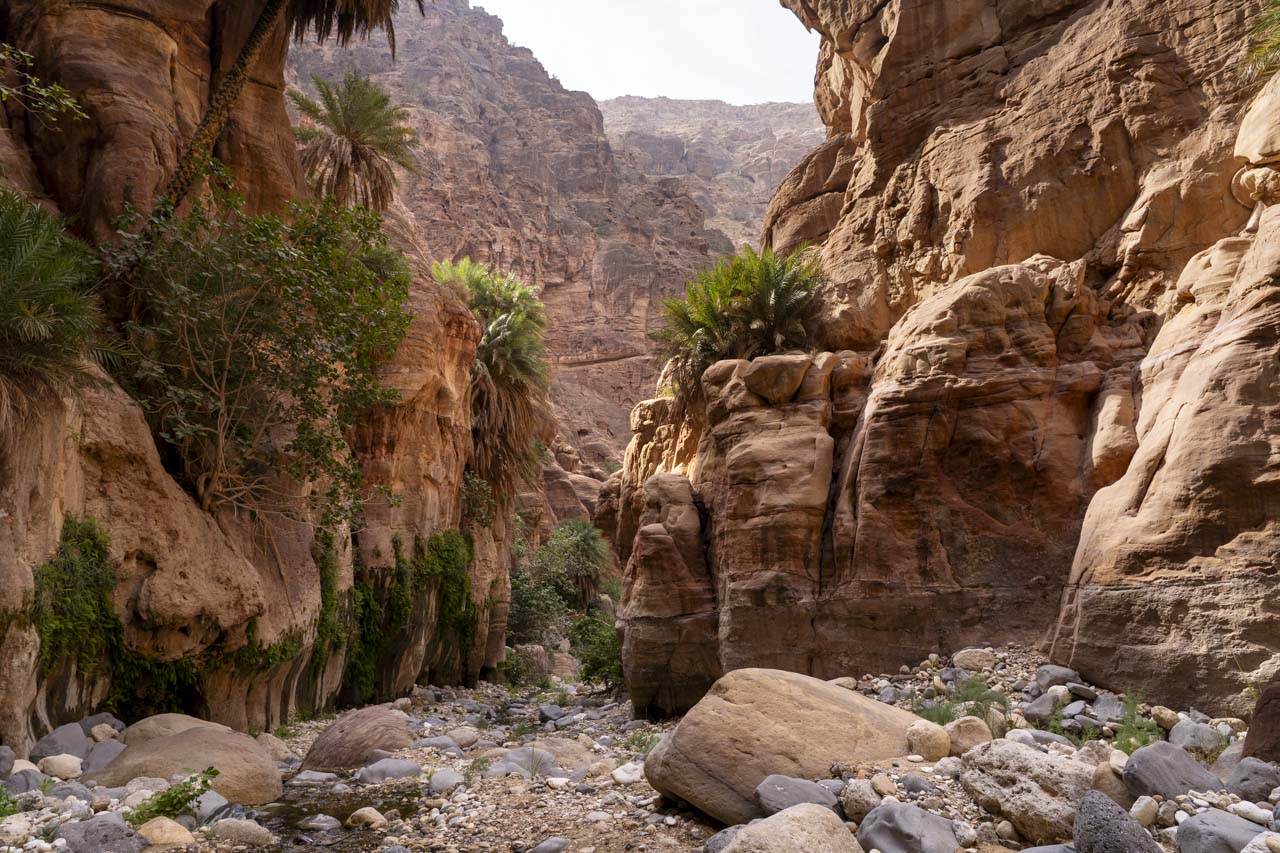
Don’t travel without it. Choose a policy that covers the activities you’re planning, such as canyon hikes like Wadi Mujib and Wadi Ghuweir, snorkelling and self-drive. Check its terms against your government’s advice too: for example the UK government warns that travelling against FCDO advice may invalidate your travel insurance. Buy your travel insurance for Jordan when you book, so you’re covered if plans change before you go.
Best Time to Visit Jordan: Seasons, Crowds and Weather
The best time to visit Jordan is spring or autumn. You avoid the heat of summer, and the canyon hikes are open without the winter rains and flash-flood risk. We went in late October, and for us it was a good time to visit Jordan: the canyon hikes we wanted were still open, and temperatures were moderate.
Rain falls mainly in Jordan’s short, cool winter, and much more in the northwest than in the arid south. Average monthly temperatures range between 8°C (46°F) and 26°C (78°F) in Amman, and between 16°C (60°F) and 33°C (91°F) in Aqaba. For month-by-month temperature and rainfall, see the World Bank’s climate data for Jordan.
Peak Season, Low Season and Crowds
Good weather comes at a price. According to Visit Jordan, spring and autumn draw the biggest crowds of the year. In autumn, the crowds build through October and taper off in late November. Expect busier sites, and book Petra and Wadi Rum early.
Summer is low season. Afternoons are often above 35°C (95°F), so you’ll be sightseeing early and late, but you’ll find fewer visitors and lower hotel rates. Winter is when Petra is at its quietest, and hotel prices in Wadi Musa are at their lowest. Pack warm layers, though: nights in the desert can be freezing.
Holidays matter too. Aqaba gets busy over the Eid holidays, when many visitors from across Jordan and the region head for the Red Sea. During Ramadan, eating, drinking and smoking in public during daylight hours isn’t allowed, and many shops and offices close early. Ramadan follows the lunar calendar, so its dates move earlier each year.
What Late October Was Like
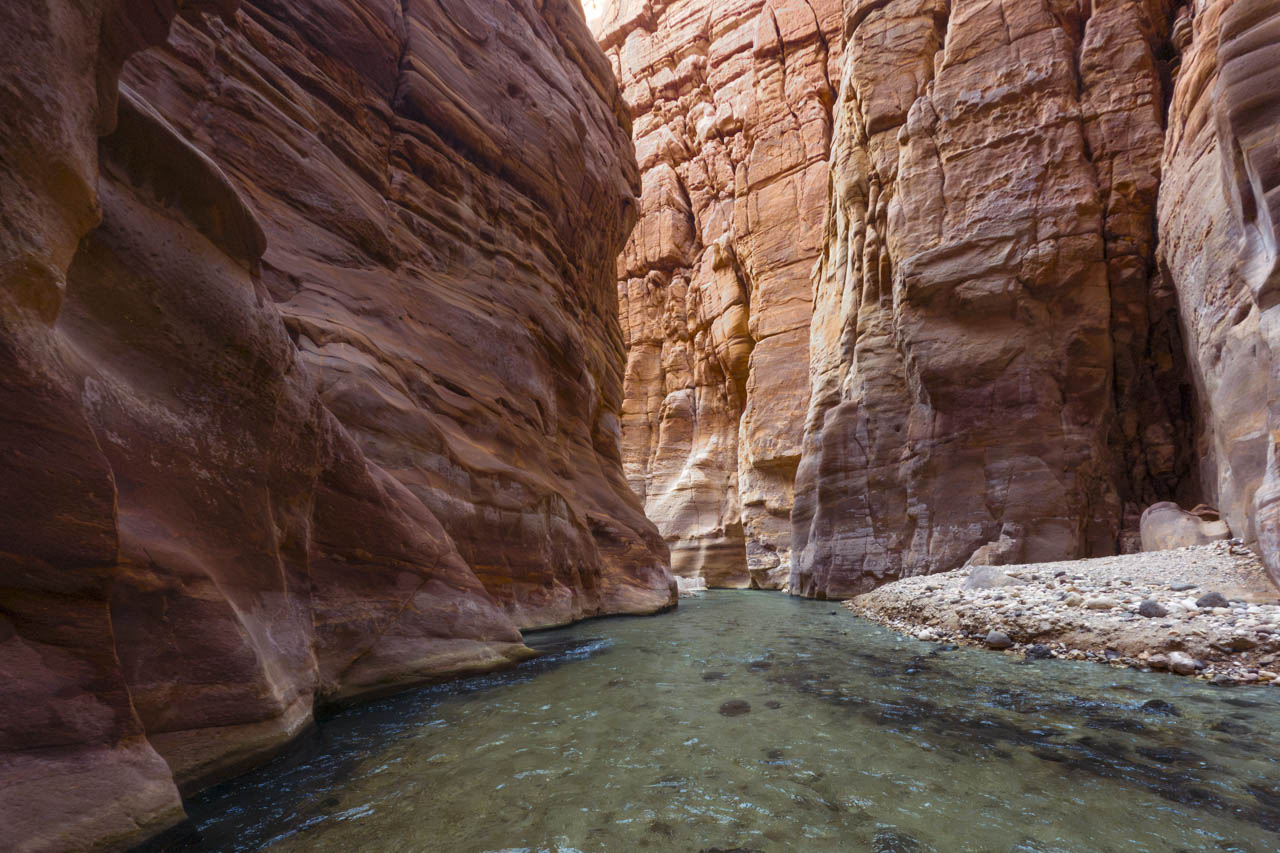
- Canyon hikes: Wadi Ghuweir was almost dry at the end of the summer season, with very little water in the canyon. The Wadi Mujib Siq Trail was still open, near the end of its season.
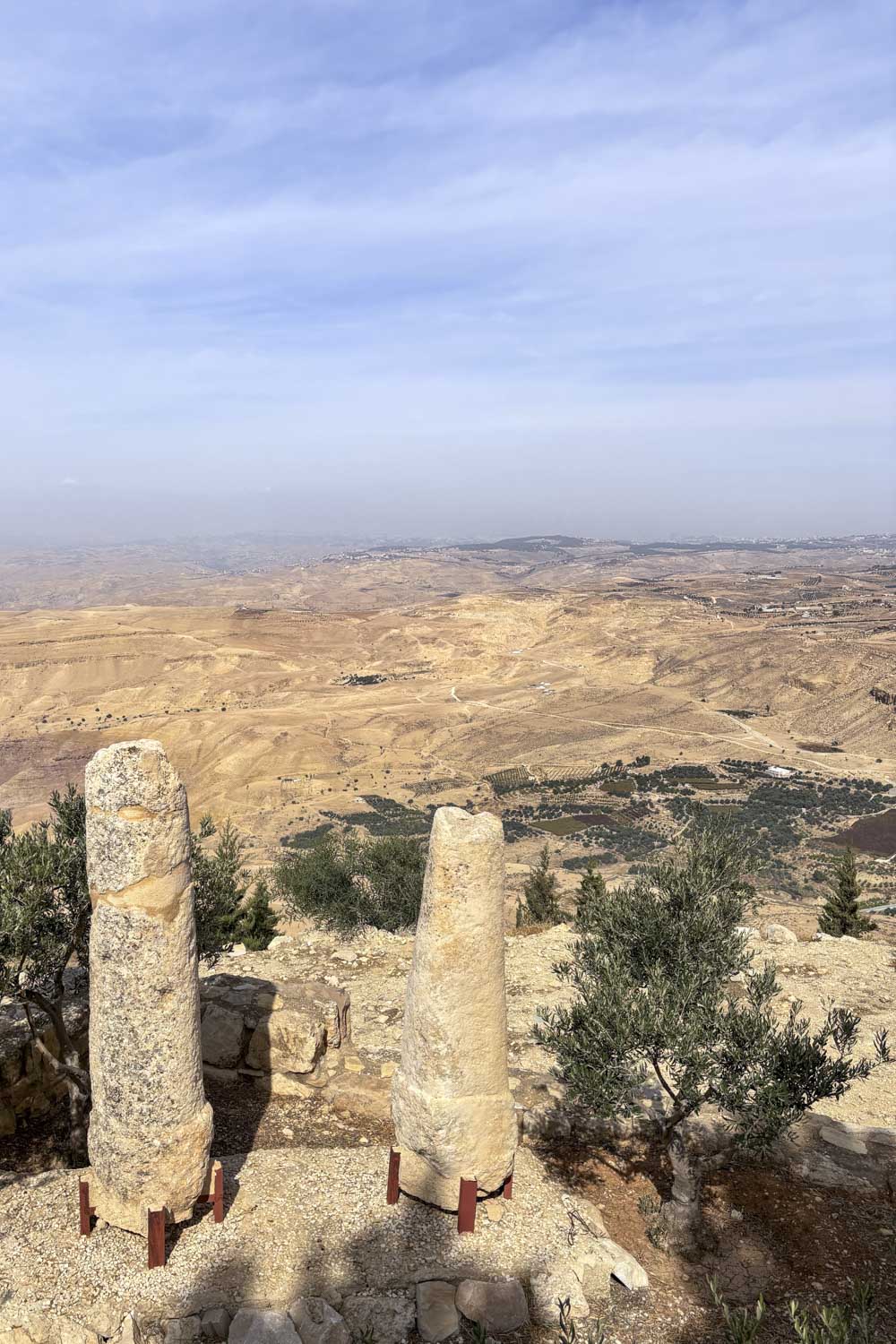
- Views: Our afternoon view from Mount Nebo was hazy. Winter and early-spring mornings are the clearest.
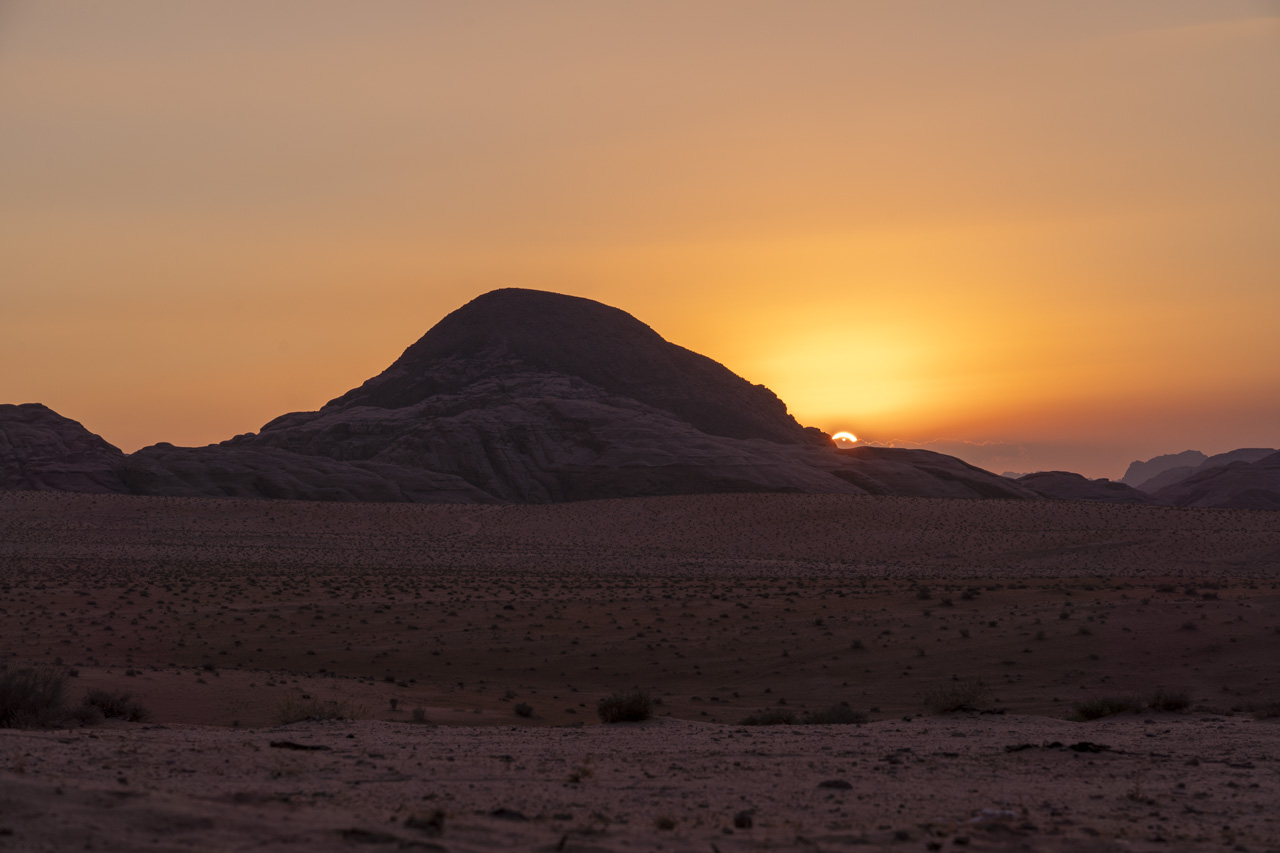
- The night sky: A bright, almost-full moon in Wadi Rum hid the stars, but lit the desert landscape beautifully.
If stargazing matters to you, book your desert camp for a night close to the new moon. Wadi Rum’s skies are very dark, so a moonless night shows the stars at their best. For the Milky Way, the bright galactic centre is best seen in the evening sky from about July to September, according to EarthSky. From mid-December to late January, it isn’t visible at all.
So what’s the best time of year to visit Jordan for you? It depends on what you want to do. If you want to hike the water canyons, go between spring and autumn. If you want clear views from Mount Nebo, winter and early spring mornings are best. If you’d rather dodge the crowds, try the edges of the peak seasons. For Petra weather, see my full-day guide to Petra (coming soon), and for desert conditions, see the Wadi Rum desert guide, coming soon.
What to Wear and What to Pack
Pack for modest dress, sun and rocky ground. Shade is scarce at sites like Petra. Water shoes are a must for Wadi Mujib, the Dead Sea and Aqaba’s rocky entries (check they fit inside your fins). Add a dry bag for canyon hikes, toilet paper and hand sanitiser for roadside stops, and a sun hat. My full packing list is in what to wear in Jordan, coming soon.
Where to Stay in Jordan: The Best Bases
Where you stay shapes your trip, so choose each base for what’s nearby. Here’s where to look at each stop on a first trip, and why. Our own stays follow, as examples.
Amman, Madaba and Dana
In Amman, stay in or close to downtown (Al-Balad) if you want to walk to the Roman Theatre, the souks and the Citadel. It’s busy and lively, and it puts you in the thick of things. Newer districts further west are quieter and more modern, but you’ll need a taxi or ride-share to reach the old city.
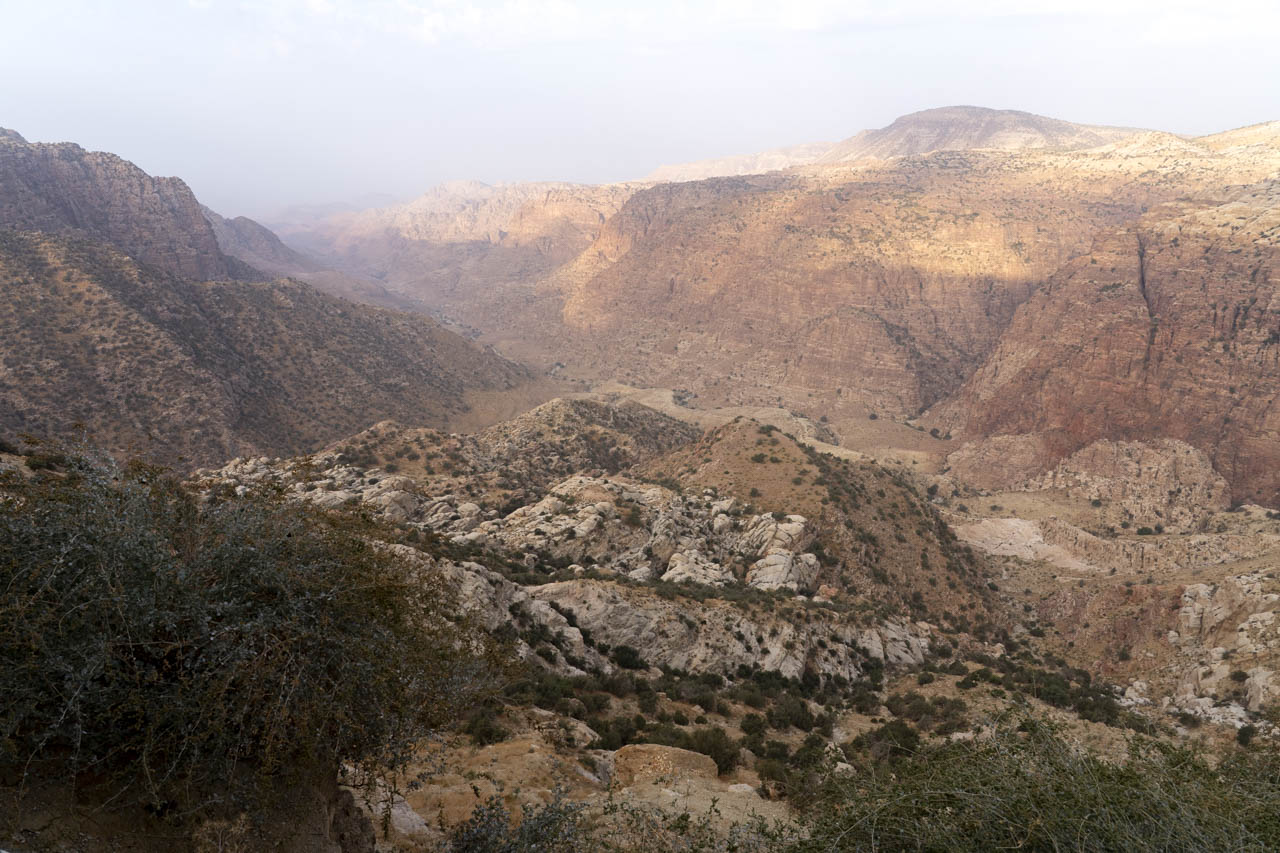
Madaba is a short drive from Queen Alia International Airport (AMM), so it makes an easy first or last night. It’s also a handy base for Mount Nebo and Bethany Beyond the Jordan. In Dana, stay in the historic village itself, on the rim of the reserve, for the sunset over the canyon and an early start on the trails.
Petra Jordan Hotels: Where to Stay in Wadi Musa
Wadi Musa is the town at the gates of Petra, and it’s where almost everyone stays, so it’s where to look first for Petra Jordan hotels. Stay as close to the visitor centre as you can. The town climbs a steep hill, so hotels higher up mean a longer walk or a drive to the entrance, which you’ll feel after a full day on your feet. Book early in peak season.
Tip: Book two nights in Wadi Musa, Petra, Jordan, so you can do Petra by Night on your first evening and a full day in Petra on the second.
Wadi Rum, Aqaba and the Dead Sea
In Wadi Rum, stay at a camp inside the protected area for the full desert experience, and give it two nights if you can. Choose carefully, as some listings on booking sites look sketchy and there are lingering listings for closed camps. Pass over any listing with poor spelling or grammar, and check that the camp has its own professional-looking website. My Wadi Rum desert guide (coming soon) has more on finding a camp that suits you.
In Aqaba, stay along the coast south of the city if snorkelling is your priority, as the best reefs are on that stretch. The city centre is better for restaurants and the waterfront. At the Dead Sea, most visitors stay at one of the resorts on the shore, which gives you easy access to the water. Public beach options are limited, so if you’re only visiting for the day, a resort day pass is the easiest way in.
Where We Stayed
| Overnight location | Accommodation | Notes |
| Amman (downtown) | Khan Khediwe Hotel | Walking distance to the Roman Theatre, the souks and the Citadel |
| Madaba | Blue Stone Hotel | Book a room without a view or balcony, as rooms on the main street can be noisy. Manager Omar is the most hospitable host, he should be Jordan’s tourism ambassador |
| Dana Village | Dana Guesthouse | Pricier than other options in the village, but wait until you see the view from the shower! |
| Wadi Musa (Petra) | Petra Boutique Hotel | Excellent breakfast with a view of the Petra entrance; wonderful staff |
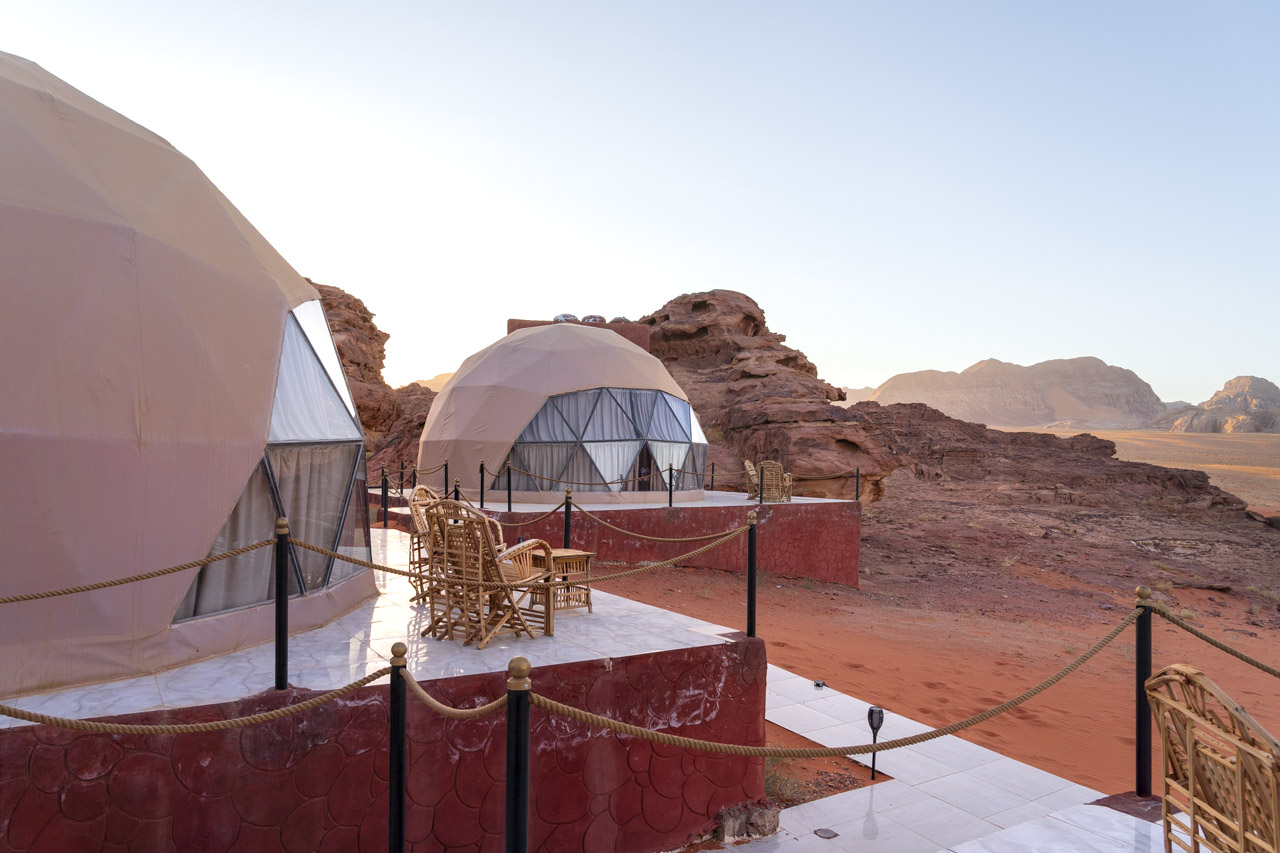
| Wadi Rum | Desert Adventures camp | Bubble tent; our package included a 4-hour jeep tour, dinner and breakfast |
| Aqaba | Diamond Palm Resort | Boutique resort; the Red Sea view room is worth it |
| Dead Sea | Samarah Dead Sea Resort | Cash only when we stayed |

How Much Does Jordan Cost? Is Jordan Expensive to Visit?
Jordan is moderately priced, but costs can be kept low depending on the standard of accommodation you choose and where you eat. Sightseeing is good value once you have the Jordan Pass. Where costs add up is in the extras: Petra by Night, desert camps and resort hotels. We stayed mid-range throughout, from a downtown hotel in Amman to a boutique resort in Aqaba.
Jordan Budget: What We Spent on the Essentials
Here’s what we spent on the essentials, as a guide. Prices change, so check before you go:
- Jordan Pass: JOD75 per person for the Jordan Explorer, including the visa fee.
- Sights not covered by the pass, per person: Jordan Museum JOD5, Petra by Night JOD30, Wadi Mujib Siq Trail JOD23 (life jacket included; water shoes JOD5 and dry bag JOD10 to rent), Mount Nebo JOD3, Bethany Beyond the Jordan JOD12, St George’s Church JOD1, Madaba bell tower JOD1.50.
- Food: Very reasonable. Our most expensive meal was lunch at Beit Khairat Souf at JOD15 for a set menu including hibiscus juice and coffee or tea. Jordanians’ main meal is lunch, and we found hearty midday meals meant only a small portion or snack was enough in the evening.
- Accommodation and transfers: Hotel rates and ride-share fares vary, so check current prices when you book. Every place we stayed is listed above, and our Wadi Rum camp package included the 4-hour jeep tour, dinner and breakfast.
To work out the cost of a trip to Jordan for yourself, add your flights, accommodation, airport transfers, car rental and fuel, and meals to the figures above. Plan to carry some cash. Several hotels wanted payment on arrival, Samarah was cash only, and some restaurants, small shops and markets only take cash. You’ll want it for small entry fees and roadside stops too.
Getting Around: Self-Drive vs Tours
We self-drove, and I’d recommend it if independent exploration is important to you. A rental car gives you the freedom to stop at viewpoints, roadside fruit stalls and lesser-visited sites, such as the road between Petra and Little Petra, which turned out to be a highlight. The adjustment is the local driving style: speed bumps (often in pairs), U-turns in place of cross-traffic turning lanes, and horns used liberally. Read my guide to driving in Jordan (coming soon) before you go.
You’ll still use guides in a few places. Bethany Beyond the Jordan can only be visited on a guided tour, and Wadi Rum Protected Area is best explored by jeep tour. In Amman, skip the car and use Careem or Uber, and walk.
Jordan Travel Tips I’d Give Before You Go
These are the practical Jordan travel tips for a smoother Jordan travel experience:
- Smoking is common, including in restaurants. Someone even lit up on our flight from Dubai. If smoke bothers you, choose indoor seating and away from other diners where possible.
- Toilet paper goes in the bin, not the toilet, in many places, except some newer buildings in the cities. Sometimes there’s no sign, so you’ll have to make a judgement call.
- Carry toilet paper and hand sanitiser for roadside stops.
- Cats are everywhere, including at outdoor restaurant tables, where they’ll jump up onto the chairs and tables. If you’re allergic or not keen on fleas, eat indoors.
- Friday is the day of rest. Many sights and businesses open for shorter hours. If your sightseeing falls on a Friday, check opening hours on each site’s official website.
- Carry cash. Some hotels, restaurants, small shops and markets only take cash, and you’ll need it for small entry fees and roadside stops.
- Watch for the silver trays. On country roads, men wave silver trays to show there’s food available. Pomegranates, olives, eggplants and figs are sold at roadside stalls too.
- Pack out your rubbish on hikes. We found a lot of litter in the canyons, some of it washed in by floods but plenty of it left by hikers.
Tip: On your first night in Amman, dive into some very affordable mezze at Hashem Restaurant, leaving room for a slab of kunafeh at the original Habibah Sweets for dessert. More in what to eat in Jordan, coming soon.
Local Customs and Etiquette
Jordan is a conservative, predominantly Muslim country, and a little cultural know-how goes a long way. These are the customs worth knowing in advance:
- Ask before you take photos of people, especially women and children. Taking photos of people without their consent may offend and is the considerate thing to do anywhere in the world.
- Eat and pass food and other objects with your right hand.
- Accept the coffee. When a host offers you Arabic coffee, accepting is a sign of respect for their hospitality, according to Visit Jordan.
- Tipping is generally not expected, unless you’re in an international hotel. This is driven by North American tourists, not by local cultural norms. You should tip 5-10 JOD per person, per day for tour guides and drivers.
- Drink alcohol only where it’s served. Bars, clubs, hotels and private homes are fine, but drinking on the street is illegal.
- Cover up at mosques. Women should cover their hair, shoulders, arms, chest and legs. King Abdullah I Mosque in Amman welcomes non-Muslim visitors and lends headscarves and abayas at the entrance. You can find more information on what to wear in Jordan in my packing guide.
Is Jordan Good for Couples?
Yes. We travelled as a couple, and Jordan for couples is a great match. A self-drive road trip or private tour works well for two, and you share some unforgettable moments: walking the candlelit Siq at Petra by Night, Bedouin tea by the fire at sunset in Wadi Rum, a moonlit night in a bubble tent, and snorkelling the Red Sea. Choose rooms with a view where you can: the Red Sea view at Diamond Palm and the Wadi Dana view at Dana Guesthouse were worth it.
A few local customs are worth knowing as a couple. Public affection between couples isn’t socially acceptable and may offend. Even married Jordanian couples rarely hold hands in public. Unmarried couples and same-sex couples sharing a hotel room may receive mixed responses. Smaller, family-run accommodations are less likely to accept some couples sharing accommodation. Where in doubt, choose a larger, international chain hotel and/or book a room with two beds or twin beds. Within local cultural context, this is more likely to be viewed as platonic friends or family members rooming together.
Official Jordan Tourism Resources
These official Jordan travel websites are the best places to check current information:
- Visit Jordan: the official site of the Jordan Tourism Board, with destination guides and travel information.
- Jordan Pass: buy the pass and check the sites it covers.
- Visit Petra: Petra tickets, fees and Petra by Night information.
- RSCN: the Royal Society for the Conservation of Nature, for Dana Biosphere Reserve and the Wadi Mujib Siq Trail.
- Baptism Site: tours of Bethany Beyond the Jordan.
Travel Jordan FAQs
How many days do you need in Jordan?
Ten days (ten nights) lets you see the highlights at a comfortable pace, including two nights at Petra, a night in Wadi Rum and the Dead Sea. With five to seven days, focus on Amman, the Dead Sea, Petra and Wadi Rum. See my full Jordan itinerary for 10-day, 7-day and 5-day versions.
Is Jordan expensive?
It’s moderately priced, and you can keep costs down with simpler accommodation and local restaurants. Sightseeing is good value with the Jordan Pass. The extras add up: Petra by Night is JOD30 per person on top of your Petra ticket or Jordan Pass, and desert camps and resort hotels cost more than city guesthouses.
Is Jordan safe to visit?
In our experience, yes. Police, tourism police and Petra staff were incredibly helpful when we needed them. Governments advise extra caution because of regional conflict and risk of terrorism. Check your government’s current advice before you go; see the safety section above.
Is the Jordan Pass worth it?
Yes. A two-day Petra ticket (JOD55) plus the visa fee (JOD40) already costs more than the Jordan Explorer pass (JOD75), and the pass also covers Jerash, Wadi Rum and more than 30 other sites. Buy it before you arrive to get the visa fee included.
When is peak season in Jordan?
Spring and autumn, when the weather is best for sightseeing and hiking. Expect bigger crowds and higher hotel prices, especially at Petra. Summer and winter are quieter and cheaper, but bring sun protection for summer and warm layers for winter nights.
Plan Your Jordan Trip
Pass bought, bags packed for sun and modest dress, and a route in mind? Then you’re ready for Jordan. Use this guide as your starting point, then dive into the details:
- My full Jordan itinerary
- Best places to go in Jordan · Driving in Jordan (both coming soon)
- Things to do in Amman · Jerash and Ajloun day trip · Madaba, Mount Nebo and Bethany (all coming soon)
- Full-day guide to Petra · Wadi Rum desert guide · Snorkelling in Aqaba (all coming soon)
- Wadi Mujib Siq hike and the Dead Sea · Wadi Ghuweir hike (both coming soon)
- What to eat in Jordan · What to wear in Jordan (both coming soon)
Please leave any feedback or questions in the comments below. We’d love to hear from you.
Pin this guide for reference when planning your Jordan Travel