Death Valley is a place of extremes. It’s the hottest, driest, and lowest National Park in the United States, yet its harsh beauty draws adventurers, photographers, and nature lovers year after year. From otherworldly salt flats to kaleidoscopic canyons, this desert playground is packed with jaw-dropping sights you simply won’t find anywhere else. If you’re planning a trip to California’s famed desert, here’s your ultimate guide to the best Death Valley places to see, what makes it special, and where to stay. For our quick visit 24-hour Death Valley itinerary, check out this post.
Disclosure: I may earn compensation from the purchase of any product or service linked on this website, at no extra cost to you. I only link to products I use and love, therefore feel comfortable recommending.
Where is Death Valley, CA?
Death Valley National Park is located in Eastern California along the Nevada border. It straddles Inyo County, California, and Nye County, Nevada. The Park is about a 2-hour drive from Las Vegas and a 4.5-hour drive from Los Angeles. Death Valley falls within the northern Mojave Desert, close to the border of the Great Basin Desert.
What is special about Death Valley?
If you’re looking for a simple superlative, Death Valley holds the official record for the hottest temperature ever recorded on Earth—56.7°C (134°F) in 1913 at Furnace Creek – kind of. But it’s not just about the heat. This stark landscape offers an incredible variety of terrains: expansive salt flats, dramatic mountain ranges, volcanic craters, colourful badlands, sailing stones and uninterrupted night skies.
Death Valley National Park also encompasses the largest wilderness in the contiguous United States, with over 3-million acres of designated wilderness area.
Star Wars fans and movie buffs will appreciate the long list of productions for which Death Valley have provided filming locations. It’s desertscapes are certainly fuel for the imagination!
What makes Death Valley truly unique is its contrast. One minute you’re standing in a parched salt pan 86-metres (282-feet) below sea level, and the next you’re gazing at snow-capped Sierra Nevada in the distance. This surreal juxtaposition is just part of what makes the many places to see in Death Valley so unforgettable.


Death Valley National Park entry
Entry to Death Valley National Park requires an fee of $30 per standard private vehicle, which covers the occupants for 7-days. Of course, you can always utilize your America the Beautiful annual National Parks pass if you have one. For concession information and other vehicle types, see the official site. You can pay your entry fee online, in advance, or at one of the various kiosks, ranger stations or campgrounds listed on the official page.
Top Death Valley Places to See
If you’re short on time or overwhelmed by the Park’s sheer size, start with these must-see locations:
1. Badwater Basin
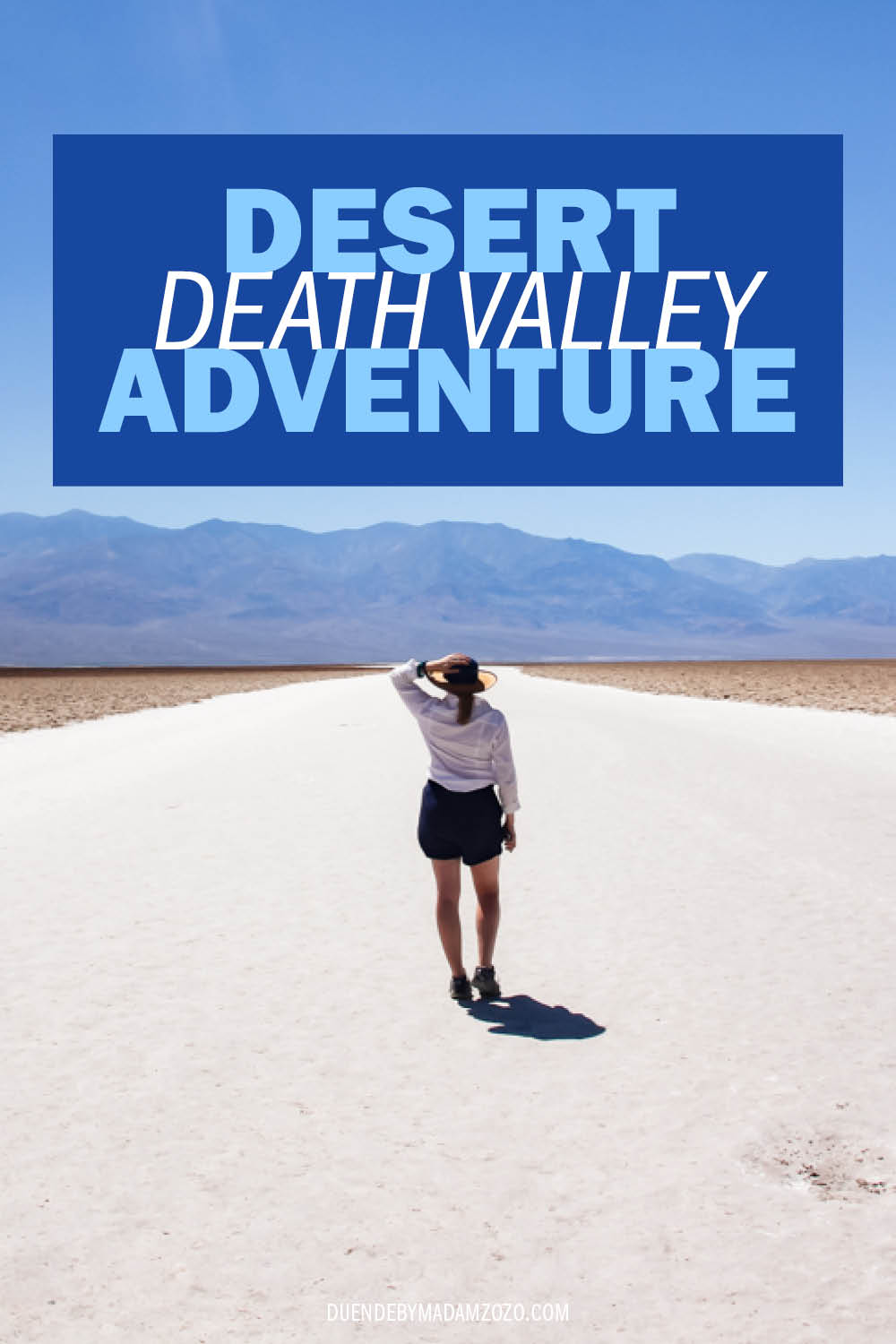
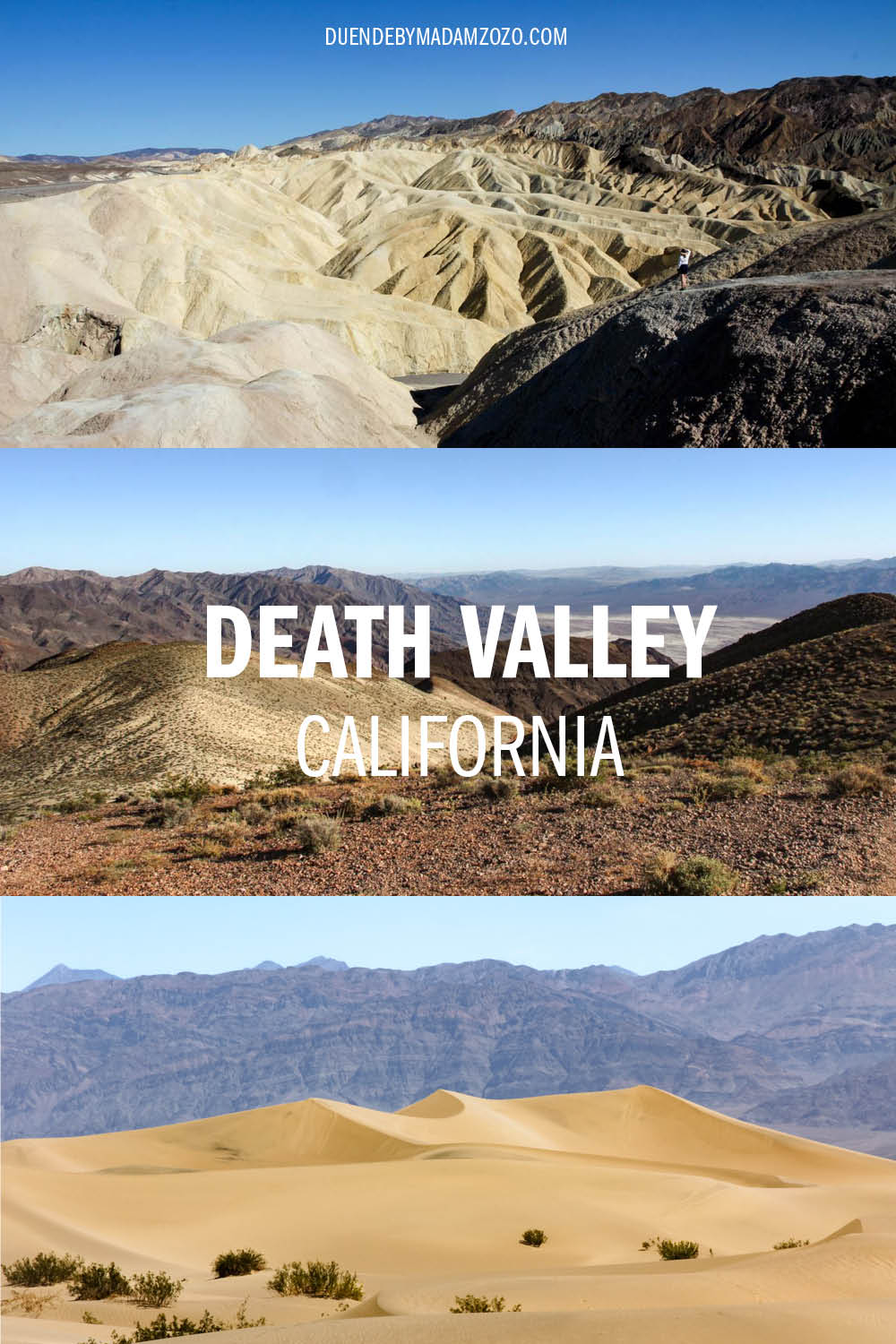
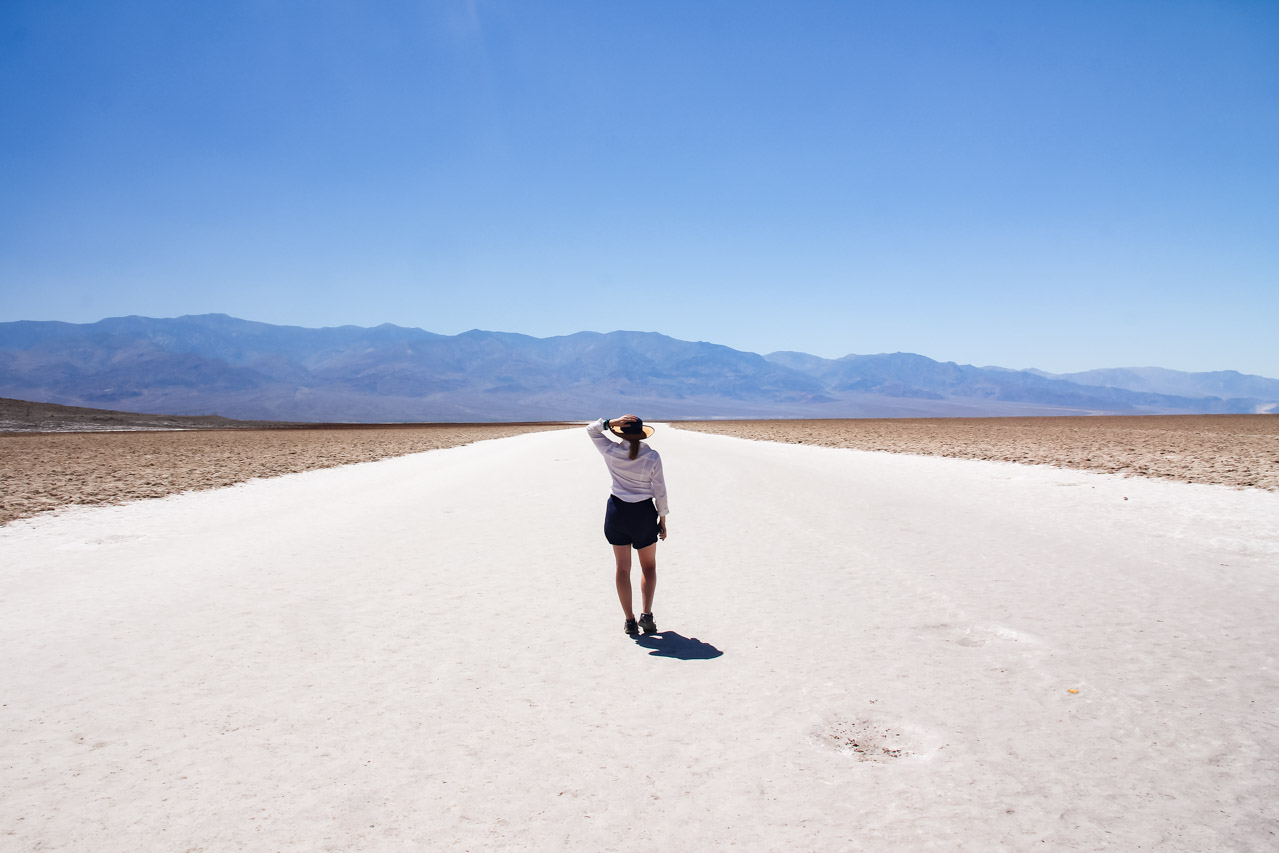
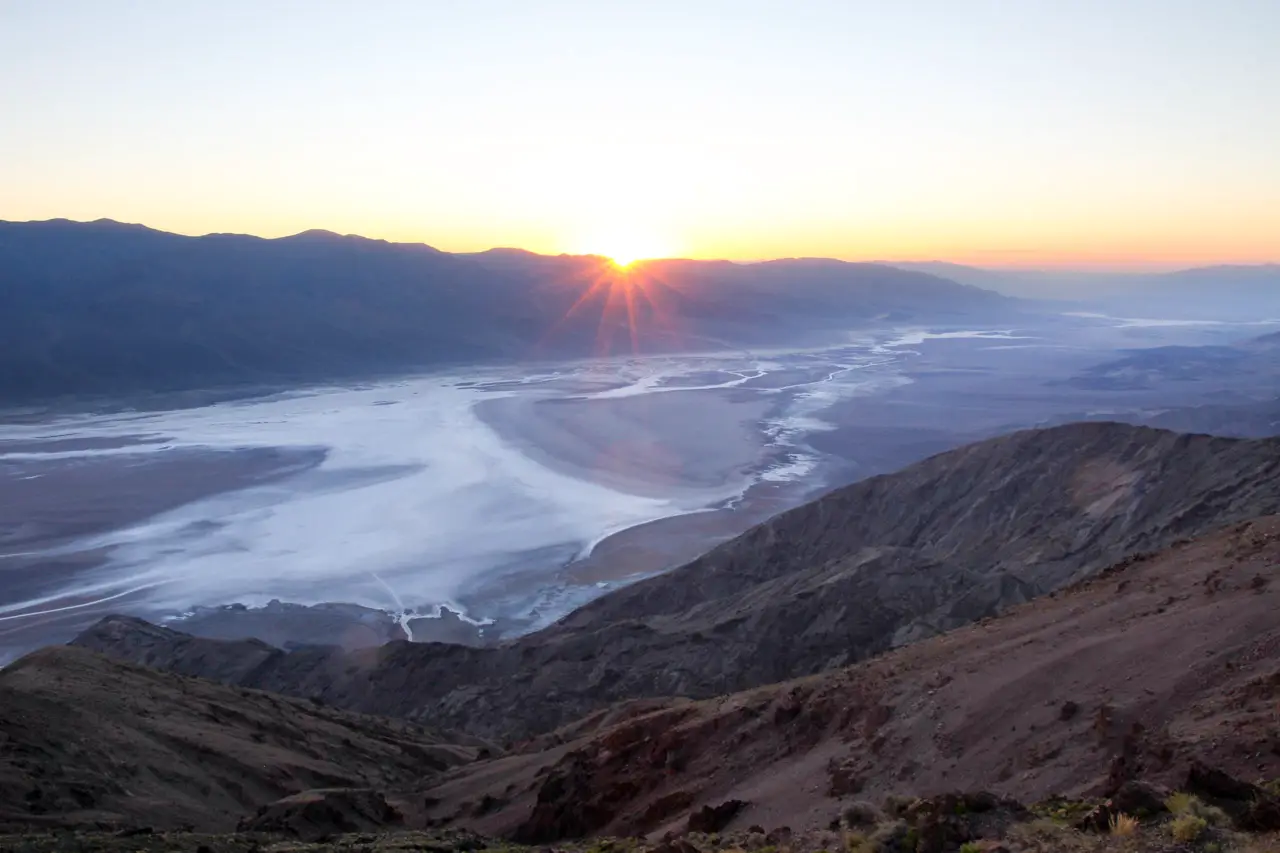
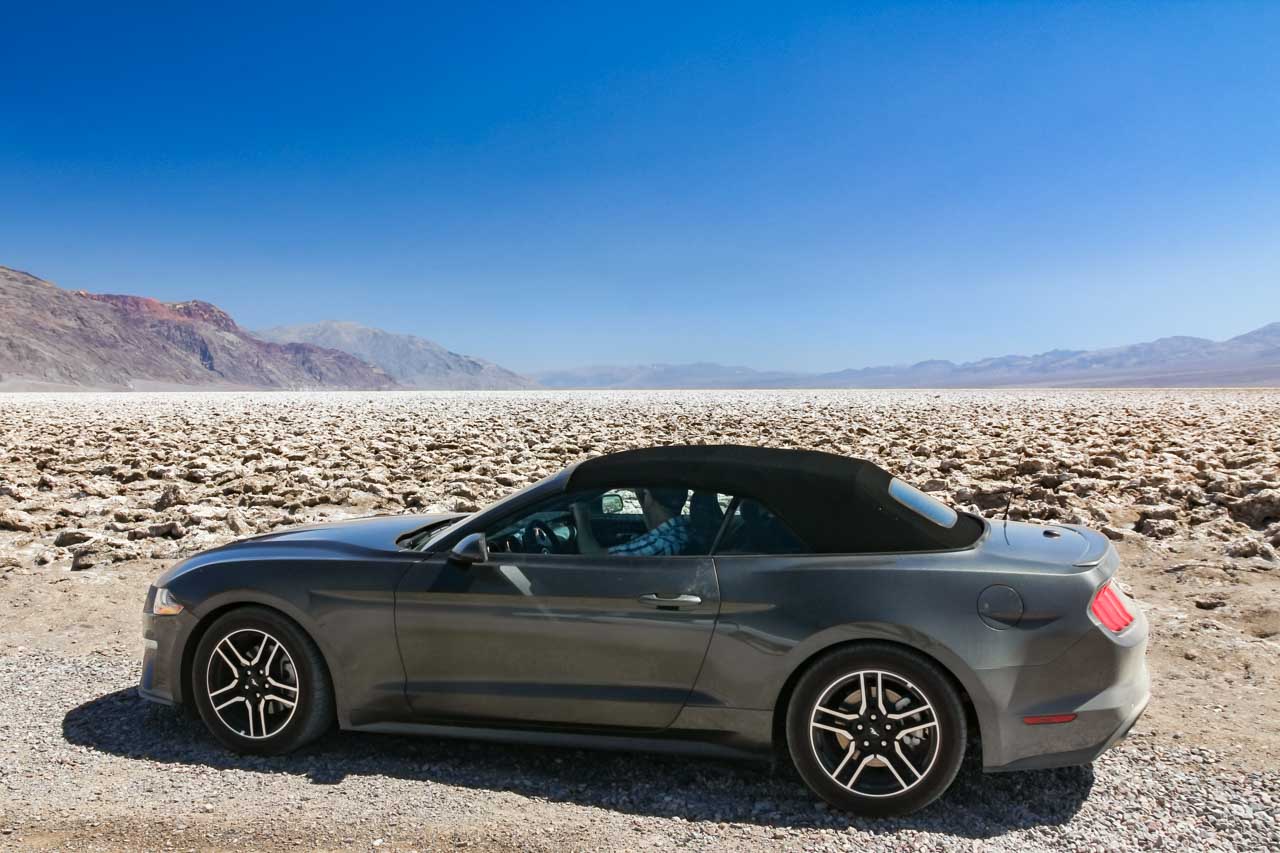
At 86-metres (282-feet) below sea level, Badwater Basin is the lowest point in North America. The vast salt flat stretches across the valley floor in a dazzling white mosaic. It’s one of the top things to see in Death Valley—and it’s especially magical at sunrise or sunset.
2. Zabriskie Point
Known for its otherworldly badlands and rolling hills, Zabriskie Point is a favourite for photographers. You might recognize it as the landscape on U2’s The Joshua Tree album cover. The view from the overlook reveals a sea of golden ridges, eroded by millennia of erosion and coloured by thermal waters.
3. Dante’s View
For a panoramic perspective, head to Dante’s View. From this 1,669-m (5,475-foot) vantage point, you can see the vast salt flats of Badwater Basin below and the Panamint Range beyond. On a clear day, you can spot both the lowest and highest points in the contiguous U.S.—Badwater Basin and Mount Whitney—in one frame. The elevation at Dante’s knocks a few degrees off the temperature, and can be a great escape on hot days.
4. Mesquite Flat Sand Dunes
Located near Stovepipe Wells, these undulating dunes are a dreamscape for early risers and sunset seekers (but they are beautiful at all times of day IMHO). Their shifting shapes and shadows make them a photographer’s paradise, and they’re one of the most accessible Death Valley attractions.


5. Artist’s Drive and Artist’s Palette
This 14.5-km (9-mi) scenic drive winds through a kaleidoscope of coloured hills. At Artist’s Palette, the oxidised minerals colour the landscape in shades of pink, green, and purple. It’s an absolute highlight among places to see in Death Valley.
6. Ubehebe Crater
This 0.8-km diameter (0.5-mi) volcanic crater in the Park’s north illustrates the power of explosive volcanic forces. You can the hike rim via a 2.4-km (1.5-mi) trail.
7. Golden Canyon
A moderate 5-km (3-mi) round-trip hike through a narrow canyon that glows in shades of gold and red. The trail eventually leads to the Red Cathedral, a towering formation that lives up to its name.
8. Sailing Stones
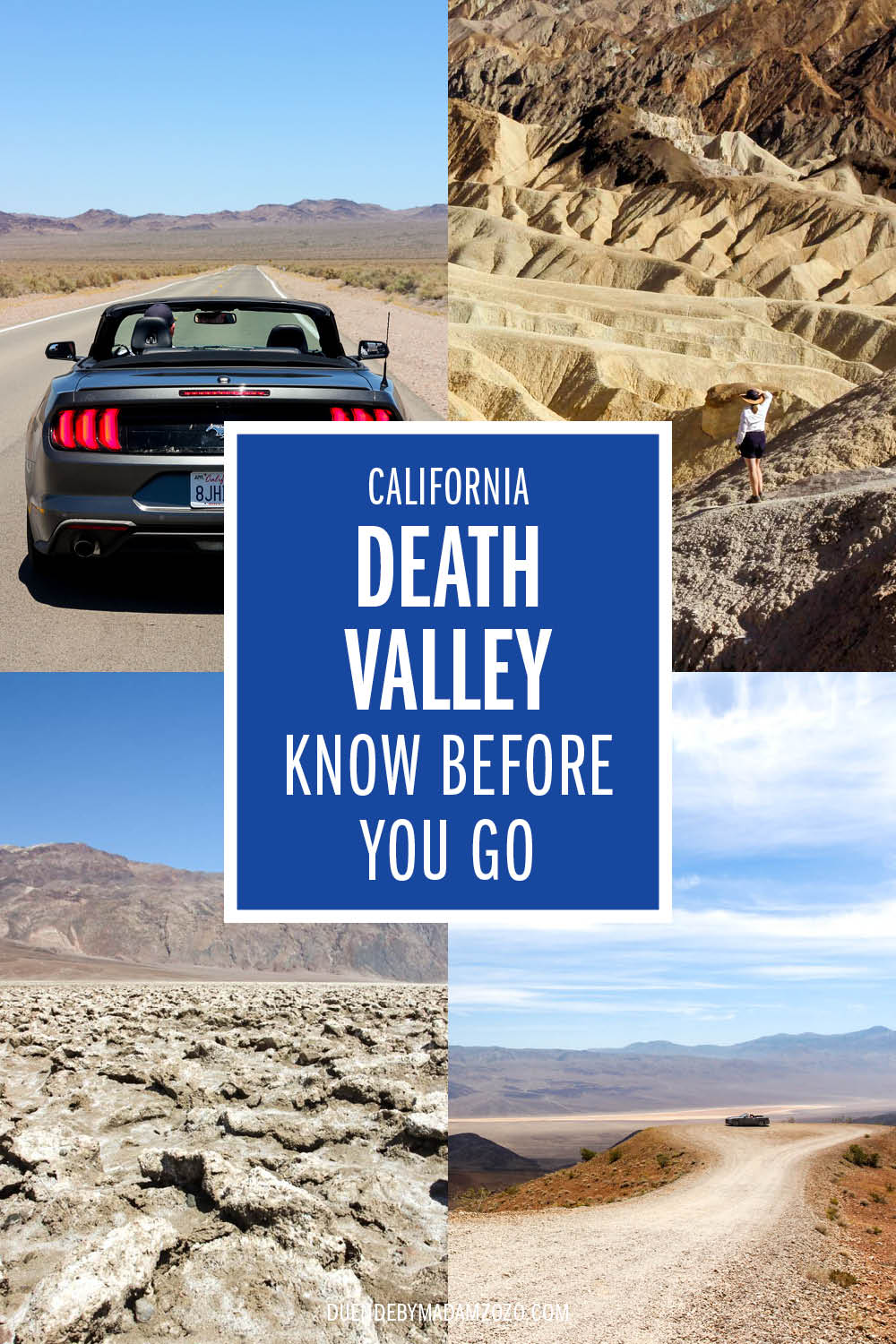
These moving rocks are quite a curious phenomena. Looking out to Bonnie Claire Playa to will see evidence of large stones that appear to have moved, gouging tracks in their wake. You’ll need to venture into a remote part of the Park to see the stones, and off-roading is banned. Bonnie Claire Playa is more accessible than the original Racetrack Playa, but still not a place to venture unprepared.
9. Father Crowley Vista Point
I highly recommend stopping at this point on your way in or out of the Park, even if you hae to take a slightly longer route. The Panamint Valley views are some of the best!
Best time to visit Death Valley National Park
The best time to visit Death Valley National Park is between late autumn and early spring, particularly from November through March. During this period, daytime temperatures are mild and perfect for hiking, sightseeing, and photography.
Summer temperatures can exceed 49°C (120°F), making outdoor exploration dangerous. If you make a summer visit like us, plan little to no hiking and lots of early morning, late evening sightseeing.
In spring, you might be lucky to witness a rare “super bloom”, when wildflowers blanket the desert after an unusually wet winter—an experience that transforms the stark landscape into a technicolour dream.
Where to stay in Death Valley National Park
There are a few key options within the park boundaries. Book early—rooms fill fast, especially from October to April, when temperatures are milder.
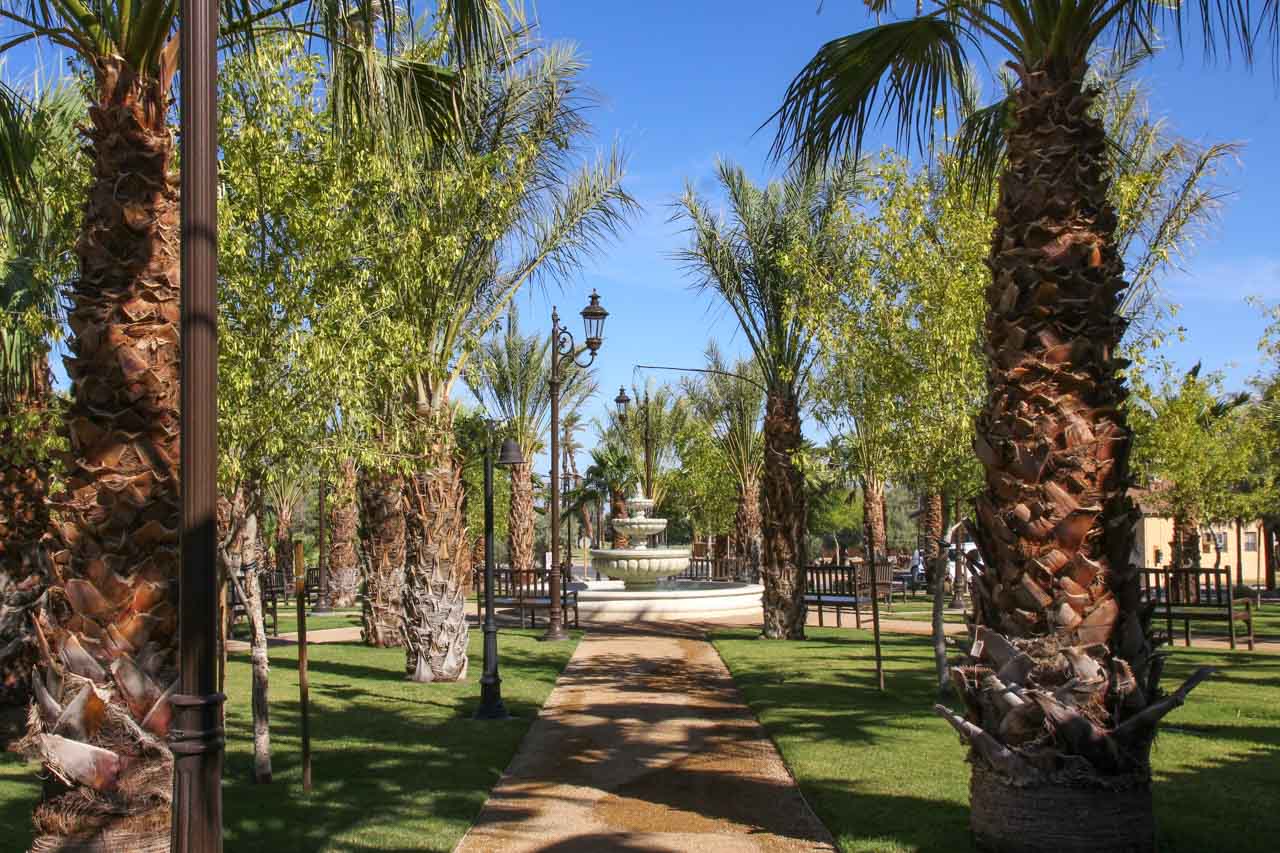
- The Oasis at Death Valley: A luxury resort near Furnace Creek with a spring-fed pool and historic charm.
- The Ranch at Death Valley: More budget-friendly than its Oasis sibling, and located near many of the top Death Valley places to see.
- Stovepipe Wells Village Hotel: Centrally located and close to the Mesquite Flat Sand Dunes.
- Panamint Springs Resort: A quieter, rustic option with epic night skies.
Where to stay near Death Valley
If you’re open to staying outside the park, there are a few solid options near Death Valley:
- Pahrump, Nevada: About an hour from Furnace Creek, this town has a range of hotels, restaurants, and amenities.
- Beatty, Nevada: A quaint, historic town about 45 minutes from the park’s northeast entrance.
- Lone Pine, California: A scenic mountain town west of the park, perfect if you’re coming from the Sierra Nevada.
What to wear in Death Valley National Park
No matter what time of year you are visiting, make sure you pack these vital supplies and clothing items:
- Sturdy footwear with a closed toe.
- Wide brim hat and sunglasses.
- Sunscreen.
- Clothing that covers your shoulders, chest, arms and back of your neck, for additional sun protection.
- A paper map, the internet is largely non-existent.
- Plenty of food and water. Park officials recommend 4L (1 gal) of water per person minimum. The air is dry, even during the cooler months.
- Flashlight/headlamp.
- Full tank of fuel.
- Reflector or sunshade for your windshield to keep your dash, steering wheel and seats cool. Even just a towel to throw over your seat and the steering wheel help. It takes no time for them to become unbearably hot.
- Binoculars and camera.
With its surreal geology, vast open skies, and haunting beauty, Death Valley is an experience unlike any other. Whether you’re marvelling at salt flats, hiking golden canyons, or stargazing under pitch-black skies, there are countless Death Valley places to see that will stay with you long after you’ve left.
Just remember to pack water, stay cool, and give yourself enough time to explore this mesmerising landscape. Death Valley might be extreme, but for those who venture into its depths, the rewards are equally spectacular. If you love deserts as much as I do, see these top U.S.A. destinations.
Peace, love & inspiring travel,
Madam ZoZo
Pin for later…