
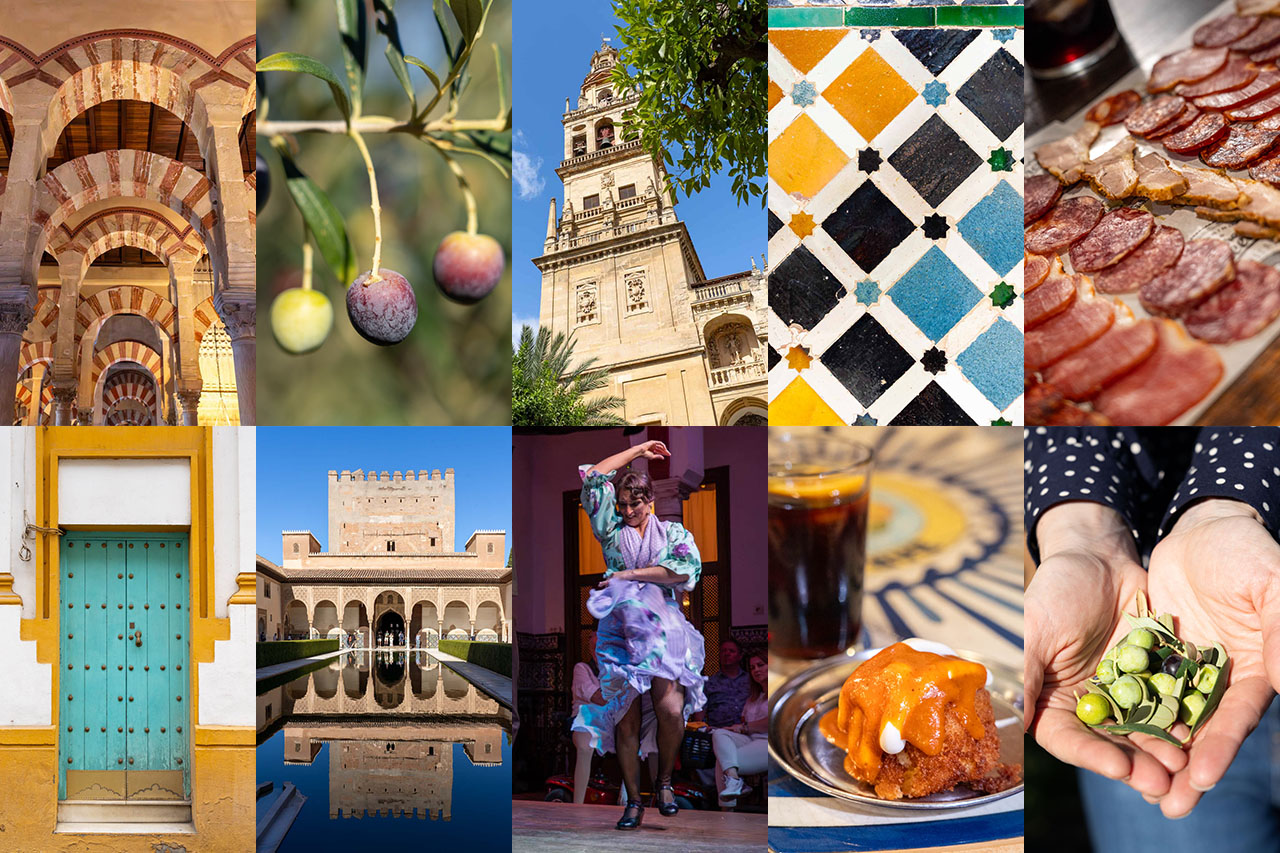
Sometimes you can do all the reading and research for a trip and yet the very real implications of cultural differences don’t hit until you’re on the ground. You suddenly find yourself there with your perfectly crafted itinerary, trying to make a square peg fit in a round hole and wondering why. Why, with all the preparations you made, things aren’t quite fitting together. Every destination has its own cultural nuances that impact how we travel, Spain is no different.
After my first Spanish adventure, I realized that knowing and understanding these cultural quirks are two different things. Taking more time to consider these in the planning process would have saved me frustration and helped me plan more realistically. That’s why I’m sharing these seven Spain travel tips that will help you create a smarter itinerary.
1. Spain isn’t one country, it’s many
Here’s something you really need to understand before planning a trip to Spain: this isn’t a culturally homogeneous country. Spain is made up of 17 distinct autonomous communities and 2 autonomous cities, each with its own identity, and in some cases, its own language.
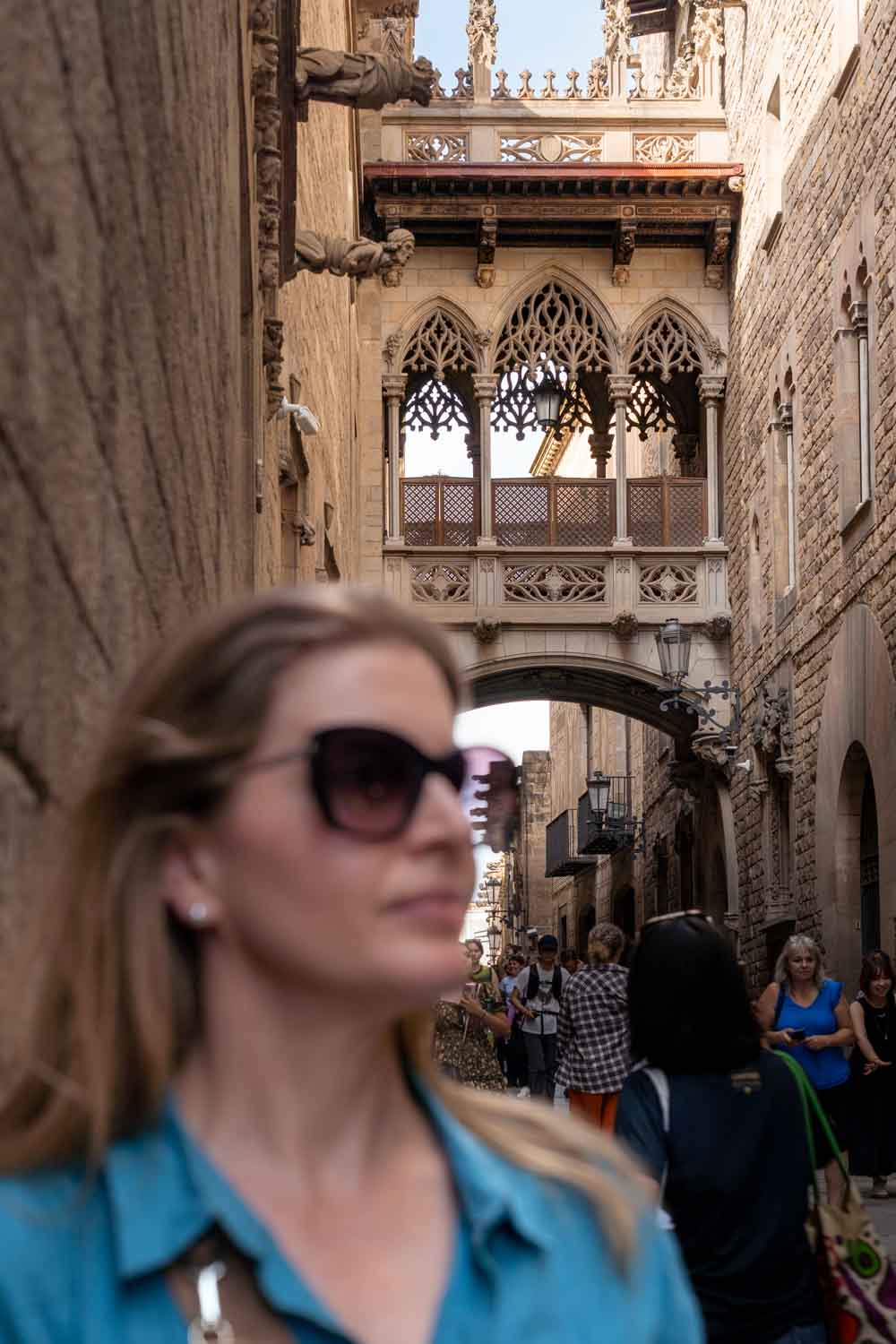
The historical context matters. For centuries, these regions were separate kingdoms before unifying under a single crown. Even today, that independent spirit persists, sometimes strongly. Catalonia, the Basque Country, and Galicia have their own official languages alongside Spanish (Castilian), and locals take pride in using them.
In Barcelona, you’ll see Catalan everywhere on signs, menus, and official documents. The Basque Country has Euskara, one of Europe’s oldest languages with no relation to any other known language. In Galicia, they speak Galego, which sounds like a beautiful blend of Spanish and Portuguese.
This regionality adds incredible richness to your Spain travel experience. The architecture, food, traditions vary dramatically between regions. My advice?
- Research each region before you lock down your itinerary.
- Learn a few words in the local language.
- Understand that regional pride is real and often political. Don’t assume what works in one destination applies everywhere else.
2. Selecting accommodation – setting expectations
When looking for places to stay in Spain, here are a few things to note:
Hostel versus Hostal – they are different. A hostel is the inexpensive dormitory-style accommodation often associated with backpackers. They usually have a communal kitchen, sometimes laundry facilities and shared bathrooms. Whereas a hostal, is a small, often family-run, hotel. They are generally more basic than a larger hotel, but good value. Bathrooms may be shared or in-room.
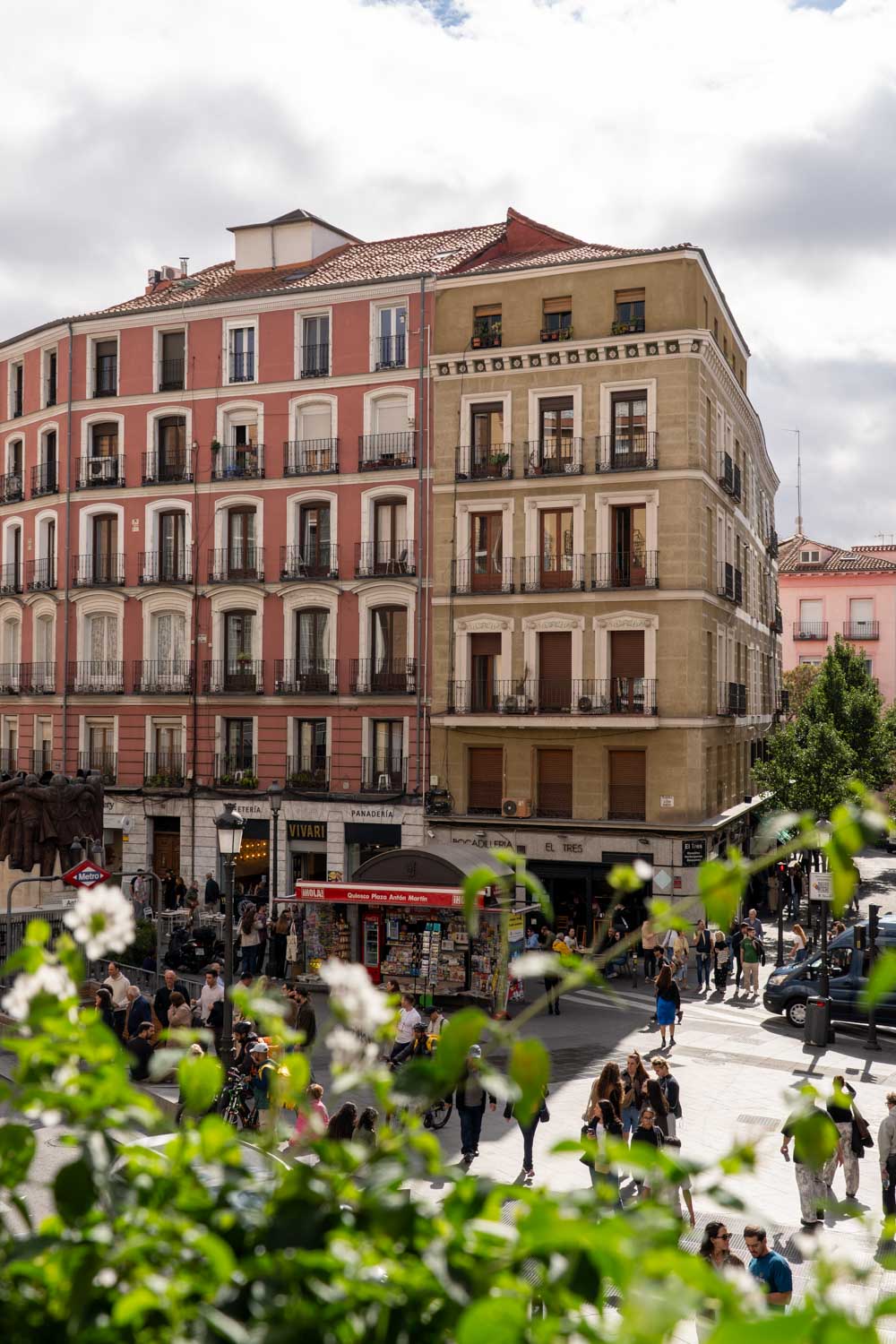
Hotels are expensive. Especially in cities such as Madrid and Barcelona. However, we found hotel prices to be high generally.
Room size and elevators are luxuries. As throughout much of Europe, room sizes are on the smaller side and elevators are a luxury, especially in historic buildings.
3. Taxis reign supreme (and that’s actually fine)
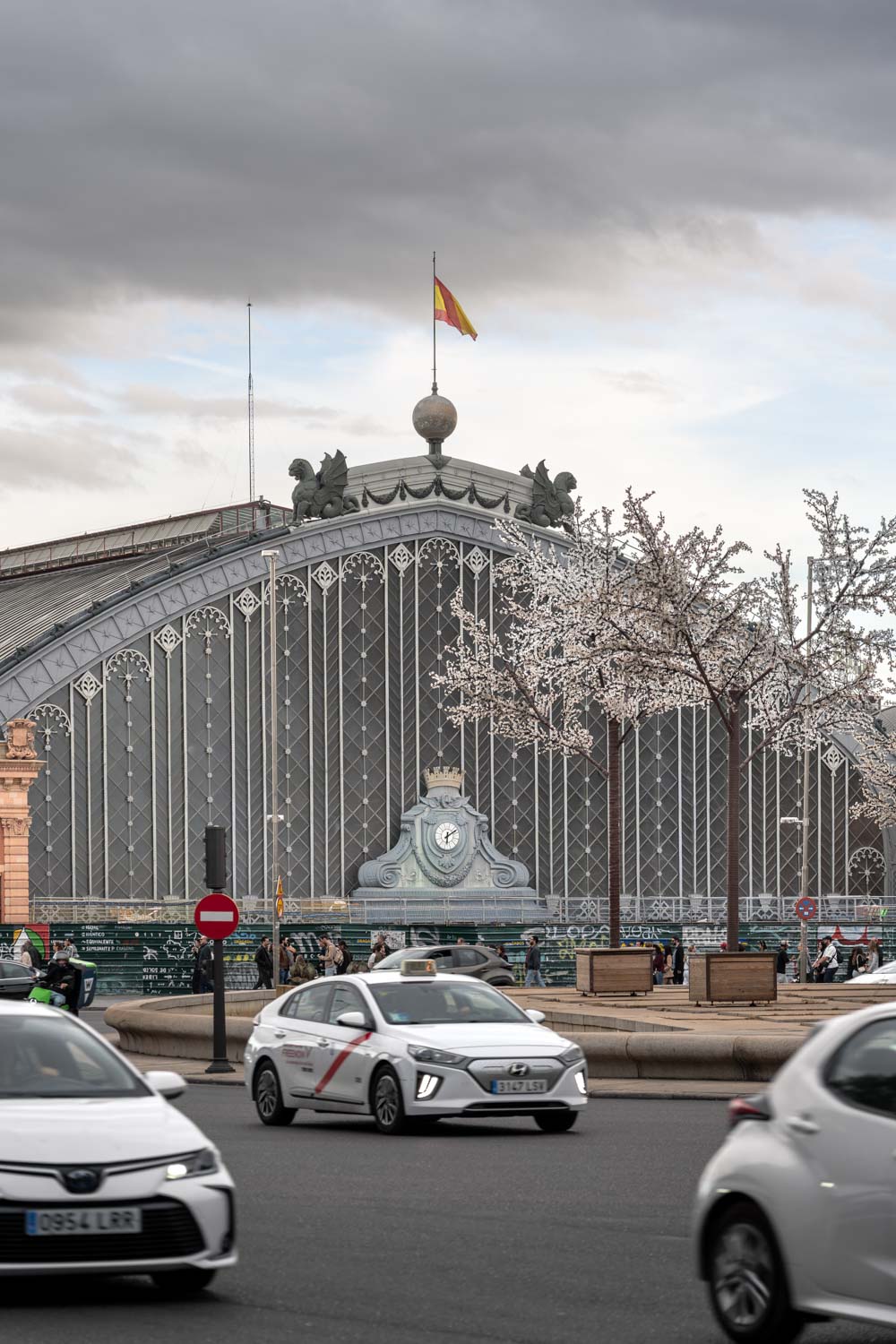
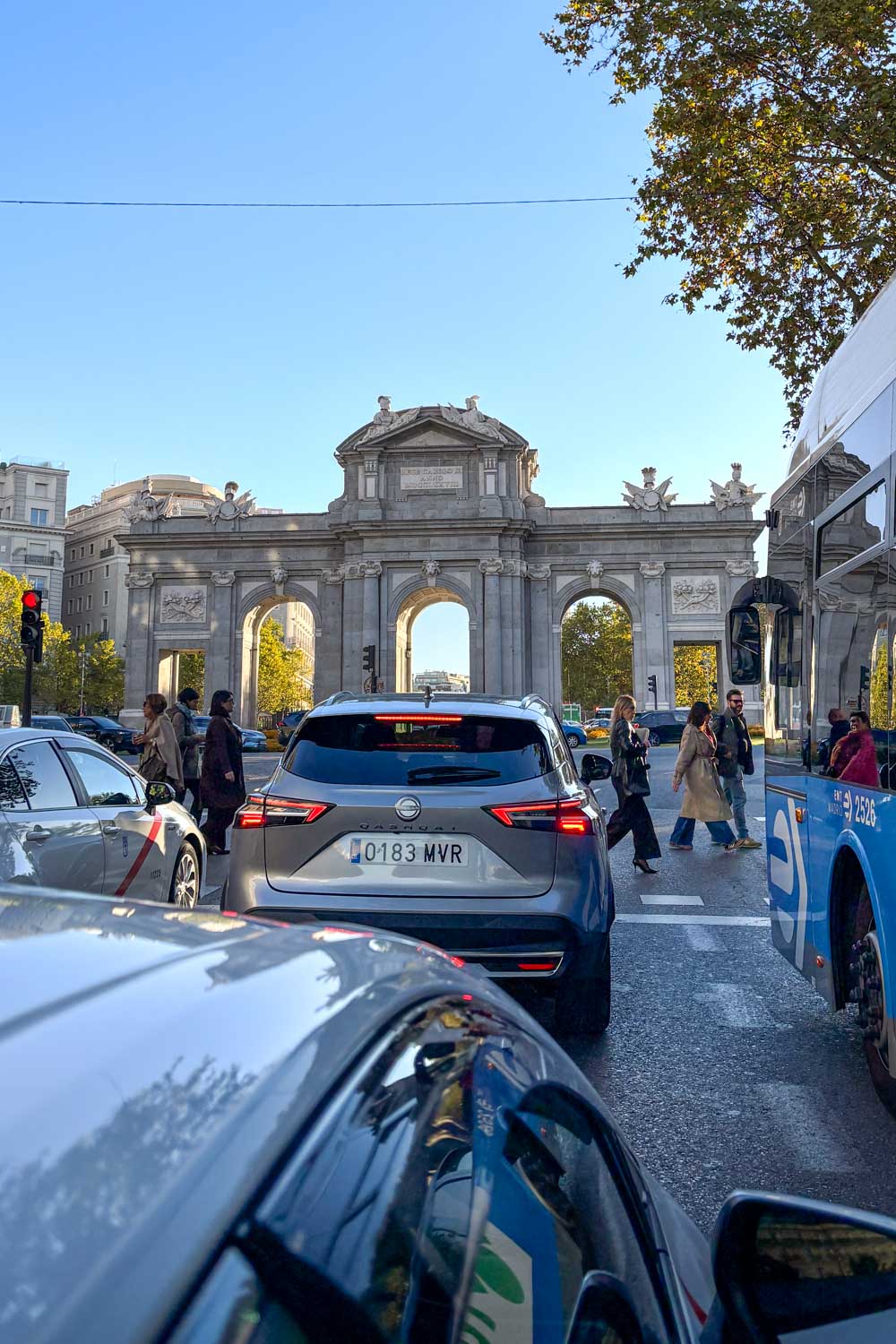
Forget what you know about rideshare apps dominating transportation. In Spain, traditional taxis are still king, and they work fine. As travellers we’ve all experienced the headache of dealing with more traditional cab services, which is why rideshare has become a go-to alternative. But rideshare isn’t always available.
Uber has limited availability in Spanish cities, and where it does exist, it’s often more expensive than a regular taxi. Instead, download apps like FreeNow or Cabify which function like rideshare platforms but connect you with licensed taxi drivers. You get the convenience of app-based booking, upfront pricing, and cashless payment while supporting the local taxi system.
I found Spanish taxi drivers generally honest and professional, but it’s worth knowing your rights. If you’re hailing a cab the old-fashioned way, here are some tips to ensure a smooth ride:
- Metres are mandatory. Always ensure the metre is running from the start of your journey. The only exception are cities with flat fares for airport transfers.
- Be aware that there are legitimate surcharges for airport pickups, late nights, and Sundays/holidays.
- Legally, vehicles used as taxis or rideshare must have a blue and white rear license plate.
- Inside you’ll find a sign with information about fares and the driver’s details.
4. Getting between destinations: skip the flight
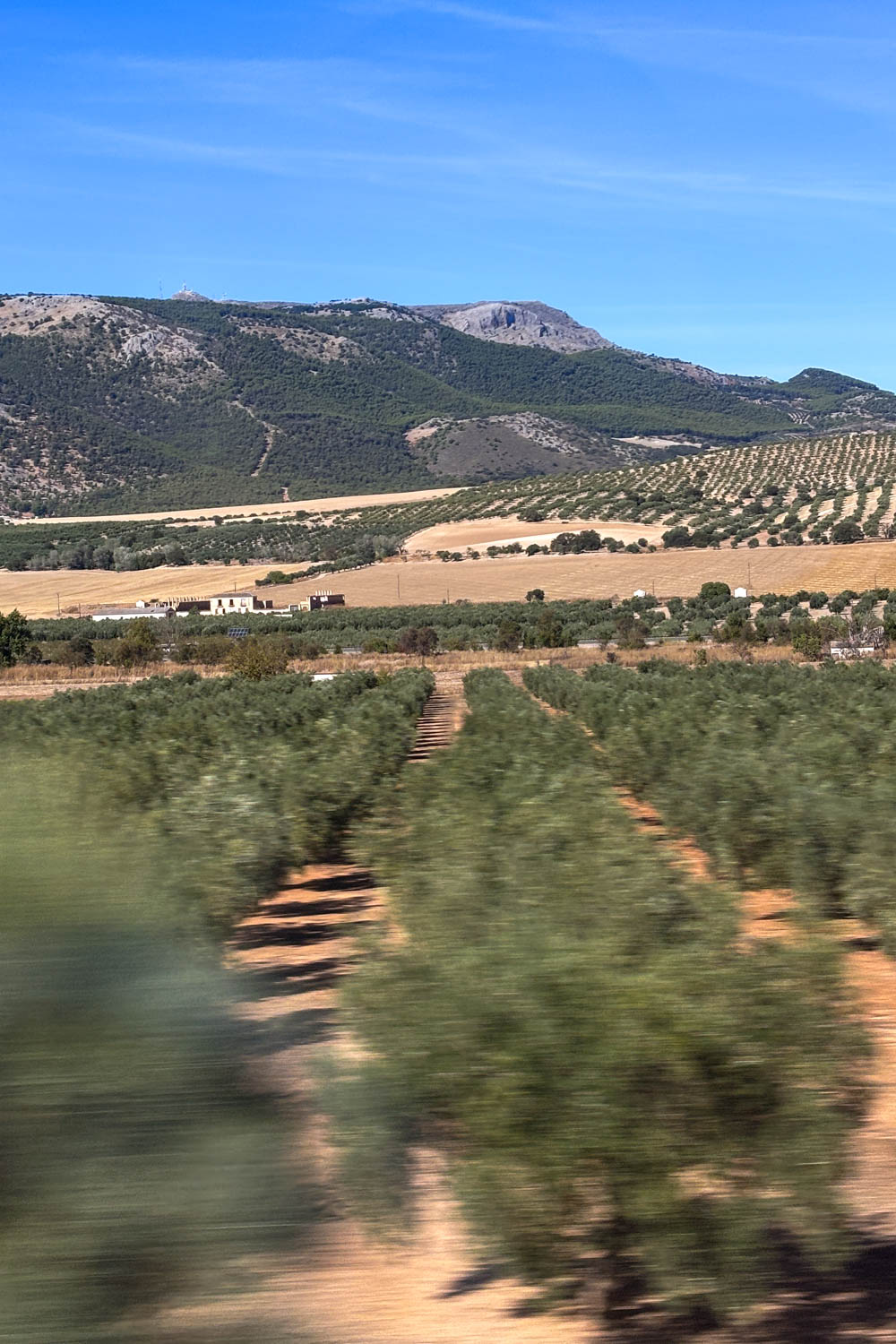
Here’s a Spain travel tip that will transform your trip: take the train instead of flying between cities. We took one domestic flight between Barcelona and Seville to save time. However, for the rest of our inter-city travel, we took trains and it was a much more pleasant experience.
Spain’s high-speed AVE trains are cost effective and efficient. For example, the journey from Madrid to Barcelona takes about 3-hours by rail, similar to flying when you factor in airport arrival times, security, and travel to city centres. Unlike air travel, train stations are centrally located, so you’re not spending an hour getting to the airport and another getting into the city.
The benefits keep adding up. There are no liquid restrictions, so pack your full-size toiletries without worry. You have spacious, comfortable seats with proper legroom and the ability to move around. Many routes offer stunning countryside views that you’d miss at 30,000-feet. Plus, you can work or relax with Wi-Fi throughout the journey.
Book your tickets in advance through the Renfe App (Spanish railways), not the website. The website is a nightmare, the app more user-friendly and reliable.
5. The Spanish schedule will rewrite your itinerary
This is where planning a trip to Spain requires the most adjustment if you’re coming from North America, northern Europe or Australia. The Spanish daily rhythm is completely different, and fighting against it will only frustrate you.
Siesta closures are real but not universal. Many shops and cafes, particularly in smaller cities and towns, close between 2pm and 5pm. That boutique you wanted to browse? The local shop selling ceramics? Closed. Plan your shopping and smaller attractions for morning or late afternoon. In larger cities, shops and food outlets are more likely to remain open throughout the day.
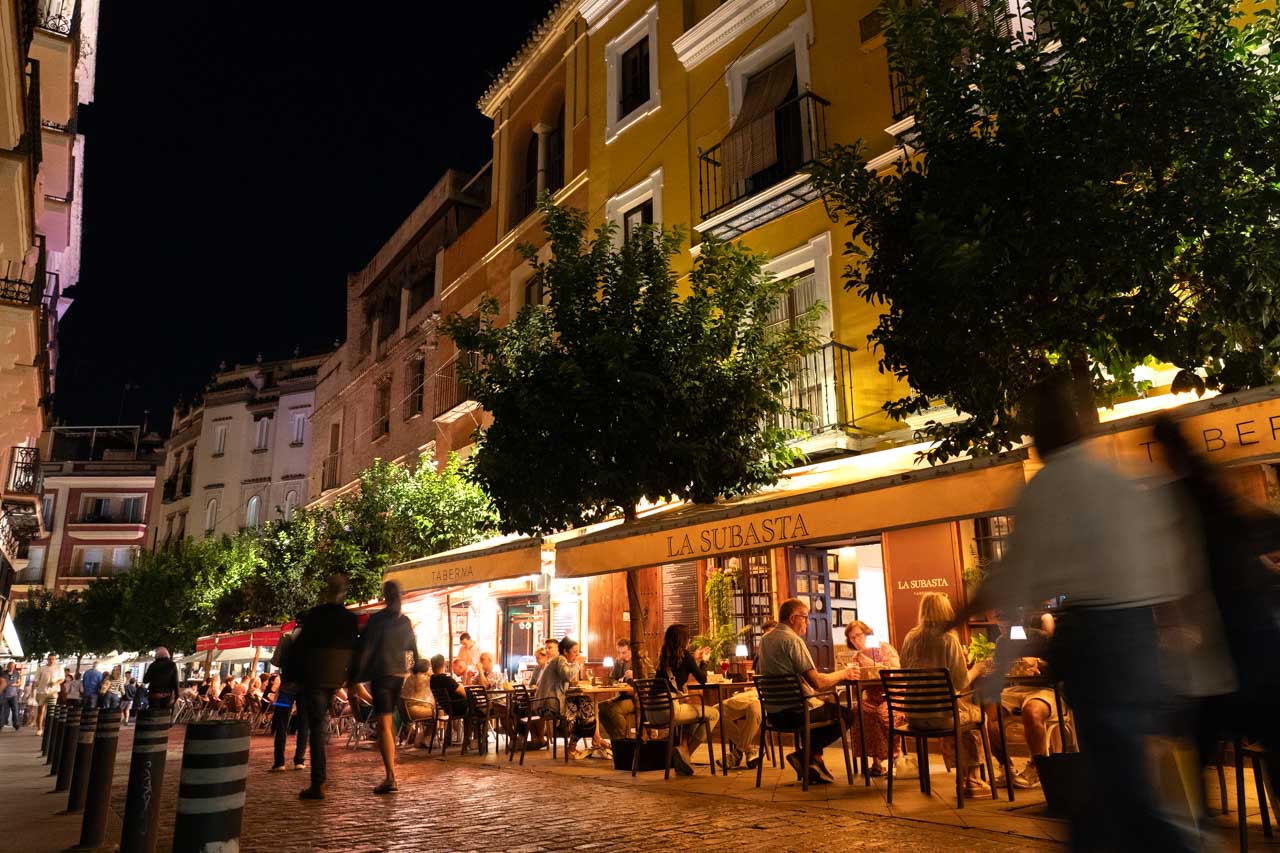
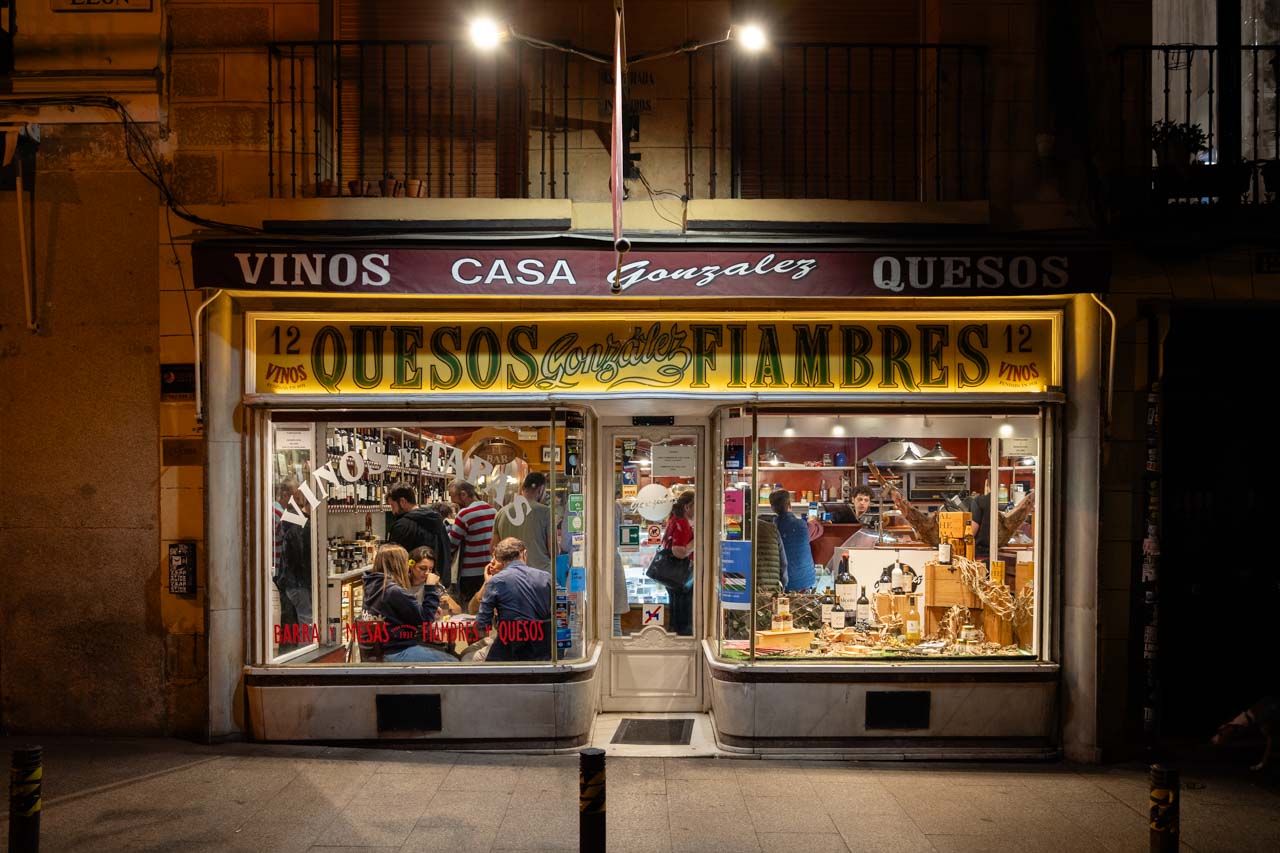
Dinner starts late. And I mean late. Locals don’t typically eat dinner until 9pm or 10pm, sometimes even later. Restaurants catering to tourists may open earlier, but if you want an authentic experience at the best local spots, you’ll need to adjust your schedule.
Weekly closures are on Mondays. Museums and landmarks generally operate through the weekends and close on Mondays each week.
The upside? This schedule creates a wonderful afternoon break. Embrace the siesta culture by planning a mid-afternoon rest at your accommodation, especially during summer’s intense heat. Structure your Spain travel guide around this rhythm: morning activities, leisurely lunch, siesta break, late afternoon exploration, and dinner when the locals eat.
Honestly, we packed way too much into our itinerary and were exhausted for much of the trip. We thought that if we strategically continued sightseeing through siesta hours, we’d fit more in. But skipping the afternoon rest while maintaining late dinners (plus jetlag), left us short on sleep and feeling rundown. Spain is the ultimate slow travel destination, embrace it.
6. Coffee culture reality check
As a self-identifying #Aussiecoffeesnob, I need to be honest about this Spain travel tip: Spanish coffee is horrendous. It’s strong and very bitter, but there’s also a good reason for it. During Spain’s civil war and in the years of scarcity that followed, a method called torrefacto was used to preserve coffee and mask cheaper, lower quality beans. Torrefacto makes coffee very bitter and Spaniards became accustomed to drinking it that way. Not to mention, coffee companies continue to enjoy the cost savings.
I was told you could avoid this by seeking out specialty coffee shops. However, unfortunately, even those can be hit or miss. The coffee I’d consider “good” back home was really hard to come by, even in major cities. It’s not necessarily a big deal, unless like us, you’re relying on caffeine to plough through your jetlag.
My advice when planning a trip to Spain? Adjust your expectations and do serious research to find the rare excellent coffee spots. Apps like Google Maps with recent reviews can help, but be prepared for disappointment. I found Madrid had better specialty coffee options than other Spanish cities, but it still required hunting.

7. Tipping isn’t expected (really)
This Spain tip might feel uncomfortable if you’re from a tipping culture, but overtipping in Spain can actually be awkward. Servers earn a living wage, and tipping isn’t built into the system like in North America.
Locals typically round up the bill or leave small change, maybe a euro or two on a meal. For exceptional service at a nice restaurant, 5-10% is considered generous. You’re not being cheap or rude by following local customs.
One night our server asked if we wanted to add a tip. Tired and pre-programmed by a decade living in North America, I said yes, expecting she’d hand me the machine. Instead, she suggested a ridiculous amount by local standards, and programmed the amount in herself. She was relying on me feeling too awkward to decline or suggest less. Politely stand your ground and don’t tolerate any cheeky behaviour.
When planning a trip to Spain, budget accordingly because you genuinely won’t need to factor in the same tipping percentages you’re used to.
Planning your Spanish adventure
Understanding these cultural aspects before planning a trip to Spain will help you create a realistic, enjoyable itinerary that works with the country’s rhythm rather than against it. The more you embrace Spanish customs around timing, transportation, and daily life, the smoother and more authentic your experience will be. Get our city-based Spain travel guides and 10-day itinerary here.
Peace, love and flamenco,
Madam ZoZo
Pin for later…