
Moab, Utah is where stunning sandstone cliffs touchdown besides the Colorado River, and endless desert skies invite adventure at every turn. Best known as the gateway to Arches National Park and Canyonlands National Park, Moab has become a magnet for travellers chasing red rock vistas, adrenaline-filled activities and a vibrant small-town vibe. The sheer variety of things to do in Moab Utah makes it one of the most captivating destinations in the American Southwest.
Disclosure: I may earn compensation from the purchase of any product or service linked on this website, at no extra cost to you. I only link to products I use and love, therefore feel comfortable recommending.
If you’re wondering is Moab worth visiting?—the answer is a resounding yes. After two visits, I just can’t get enough. The desertscapes in this part of Utah are just mind-blowing and can be enjoyed so many ways. Here’s everything you need to know to plan your unforgettable trip.
Getting to Moab
Moab is located in southeastern Utah, about 375-km (240-miles) southeast of the State capital, Salt Lake City. While remote, it’s surprisingly accessible with a little planning.
U.S. Highway-191 brings you straight into town. Many travellers arrive via epic road trips linking National Parks and sights near Moab such as Zion, Bryce, Capitol Reef, Mesa Verde and the Grand Canyon National Parks, or even Monument Valley. The airports closest to Moab are as follows:
Canyonlands Regional Airport (CNY): A small regional airstrip in Moab that receives small flights from Denver, Phoenix and Salt Lake City. It’s a great option if you prefer not to do any long-haul driving but flight times are limited and often expensive.
Salt Lake City International (SLC): The closest major airport, about a 4-hour drive.
Denver International (DEN): Around 5.5–6 hours, ideal for combining with Colorado road trips.
Phoenix Sky Harbor (PHX): About 7-hours north, with scenic routes through northern Arizona.
Las Vegas Harry Reid (LAS): Roughly 6.5-hours drive, making it a popular entry for Southwest road trips.
Albuquerque Sunport (ABQ): 6-hours by road, great if you’re pairing Moab with New Mexico.
Durango-La Plata County Airport (DRO): Just over 3-hours drive to Moab. Durango-La Plata receives direct flights from Dallas, Phoenix and Denver.

Places to Stay in Moab
Accommodation in Moab ranges from rustic campsites to luxurious boutique stays, with something for every budget and traveller. If you want to avoid traffic delays heading into Arches or Canyonlands National Parks, look for accommodation on the north side of Moab, closer to park entrances. For nightlife, dining, and coffee culture, downtown is ideal.
The Gonzo Inn: A quirky, colourful boutique hotel in downtown Moab—perfect for those wanting walkable access to restaurants and cafes.
Under Canvas Moab: A luxury glamping site set among desert scenery, offering stargazing right from your tent.
ULUM: Experience the ultimate in luxurious outdoor escapes, see ULUM’s glamping resort.
Unique stays: For something truly memorable, book a stay in a red rock cave or a colourful cabin.
Budget options: Hostels, chain motels (Best Western, Holiday Inn, Days Inn, Hyatt, Marriott and more options available) and campgrounds provide affordable bases.
Adults only: Wolfe’s Hotel is a renovated property on the north side of town that is 21+ only. It straddles accessibility to downtown with a fast route to the National Parks on a busy morning.
How Long Do You Need in Moab?
The short answer: as long as possible. Even one day will give you a taste, but ideally you’ll want 2–5 days to hit the top things to do in Moab. A week is even better for off-road adventures and slower exploration.
1 Day: Focus on either Arches or Canyonlands National Parks. If you’re not hiking, you can probably split a long day between the two.
2 Days: Spend a day in each of the National Parks.
3 Days: Combine both parks, plus some time in town or go off-roading with a Jeep or UTV-tour.
5–7 Days: Add Dead Horse Point State Park, off-road tours, and unique experiences like stargazing, tandem base jumping, canyoning or river rafting.


Things to Do in Moab Utah
Arches National Park
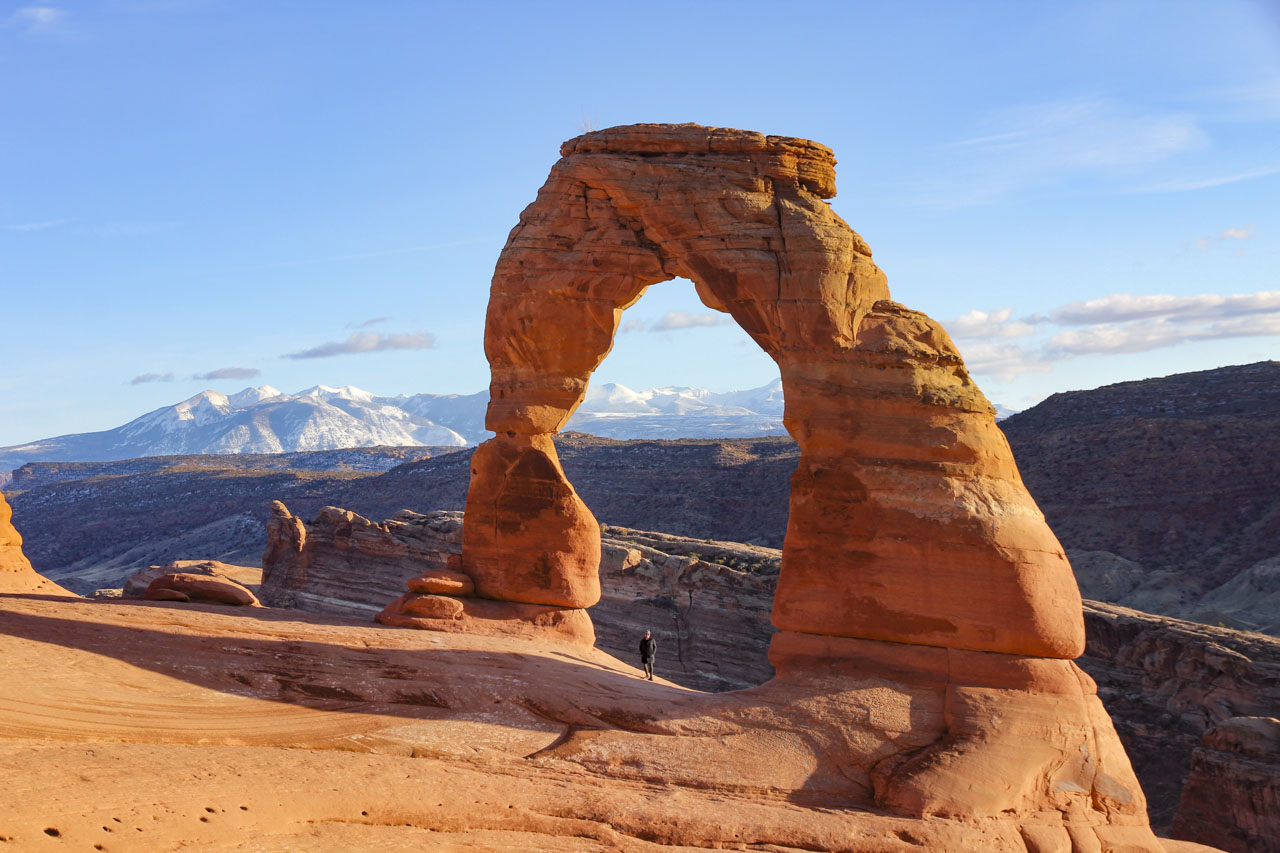
Famous for over 2,000 natural stone arches, including poster-child of Utah, Delicate Arch. Sunrise and sunset are magical times to visit. Make sure you check the website for seasonal timed-entry tickets, as this Park has become overwhelming popular.
Canyonlands National Park
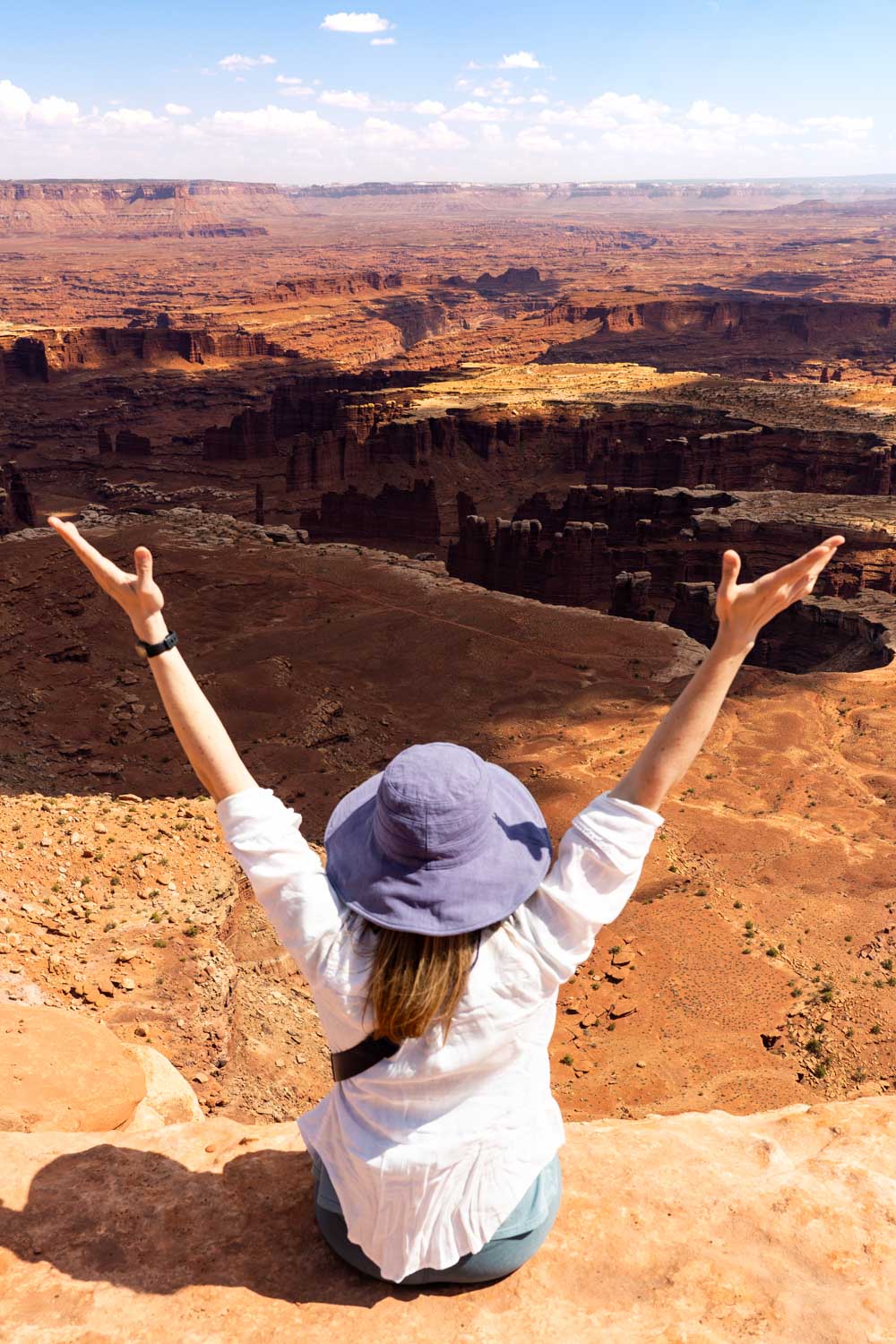
Where two grand canyons meet! I did not know what to expect from this little-known National Park and it absolutely blew me away. The Island in the Sky district offers jaw-dropping viewpoints over the confluence of the Colorado and Green Rivers, just 40-minutes from town. While further afield there are backcountry hiking opportunities amongst fascinating geology of the aptly titled Needles and Maze districts.
Dead Horse Point State Park
This Park wedged between Canyonlands and Moab, offers some spectacular canyon views. This top entry among State Parks near Moab is an excellent spot of observing sunrise and sunset over the Colorado River and its winding canyon.

Fiery Furnace hike
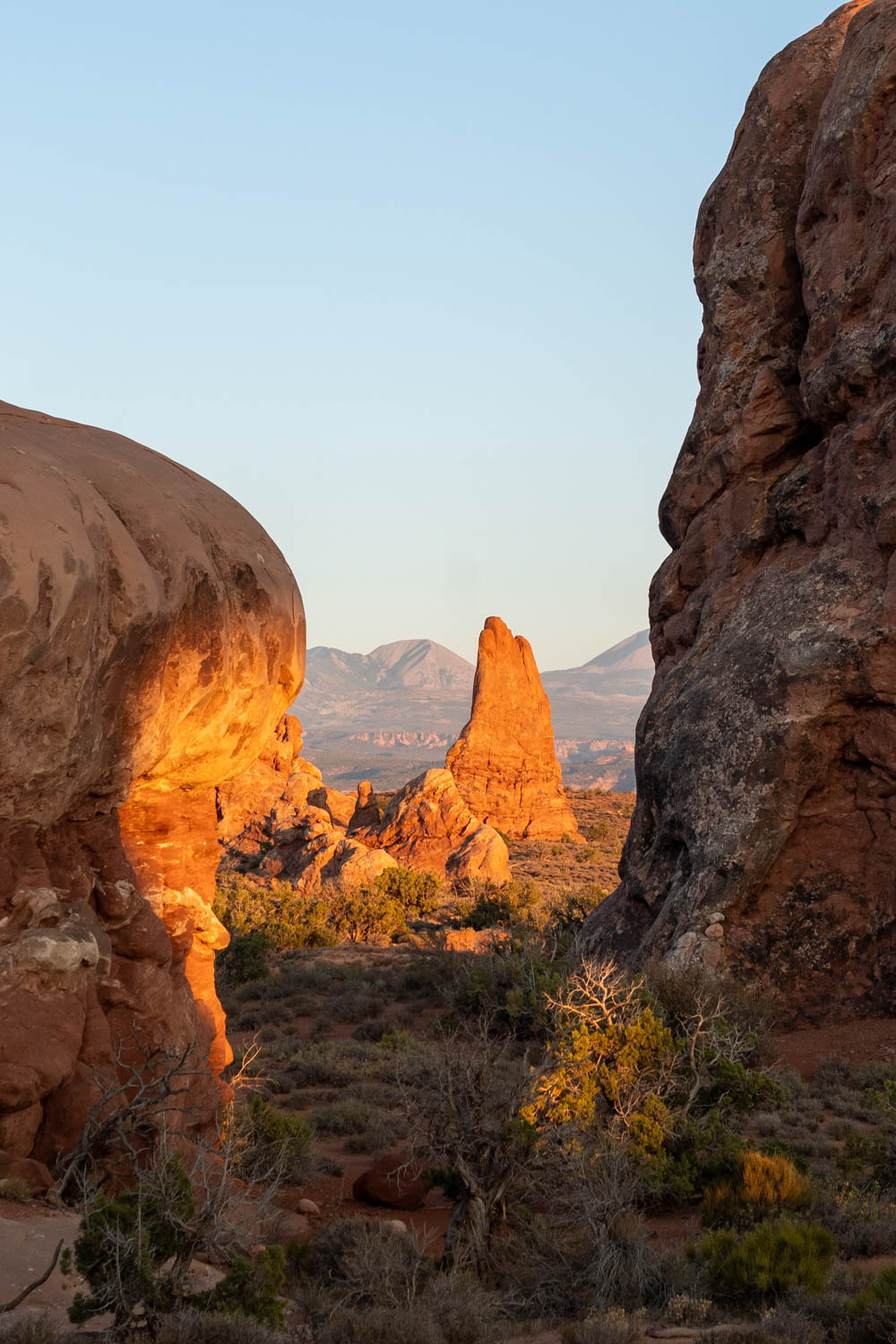
A ranger-led maze of sandstone fins inside Arches National Park. You can also DIY with a permit, however, be wary of how difficult this maze of rock formations is to navigate once you’re inside. This is one of the most unique things to do in Moab for adventurous and active explorers.
Off-roading
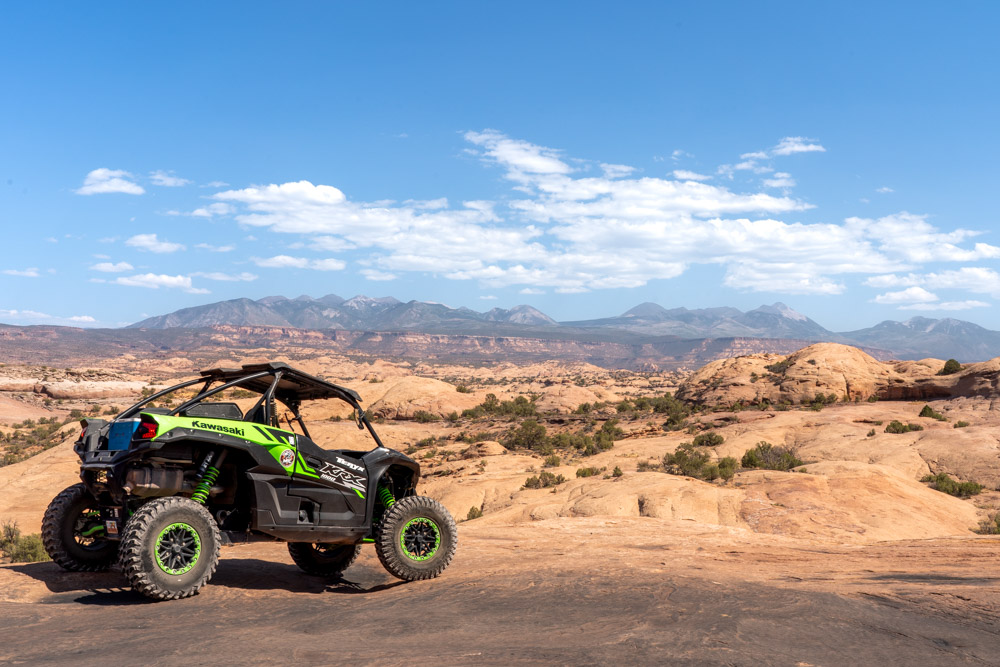
Moab is a mecca for 4×4 enthusiasts. Jeep and UTV tours tackle slickrock routes that seem impossible until you try them. Take in some of the backcountries most inaccessible spots on a tour or self-drive rental. Sand Flats Recreation Area has a number of interesting and beautiful trails across petrified sand dunes, close to downtown Moab.
Note: Regular car rental companies do not allow you to take their vehicles off-roading, even if they are AWD or 4WD. You will need to rent an appropriate vehicle from outfitters in Moab at a going rate of about $500/day. To rent a Jeep you will, need your own comprehensive auto insurance. For UTV rentals, insurance is part of your rental. Read the fine print, and make sure you understand all the fees and conditions of your rental.

Colorado River rafting
From half-day floats to whitewater adventures, rafting offers a refreshing perspective of Moab’s landscapes. You’ve seen the canyons from the rim, now take them in from the rivers. White water rafting is the perfect adventure for when it’s hot in Moab.
Petroglyphs & pictographs
See ancient rock art in various spots around Moab. Some of the most accessible panels are along Potash Road, revealing glimpses into the area’s Indigenous history dating back to 4000-BCE. Also see the roadside “Intestine Man and TV Sheep” pictographs and petroglphs respectively, on your way into Canyonlands National Park. Brush up on your petroglyph etiquette and find more rock locations here.
Dinosaur footprints
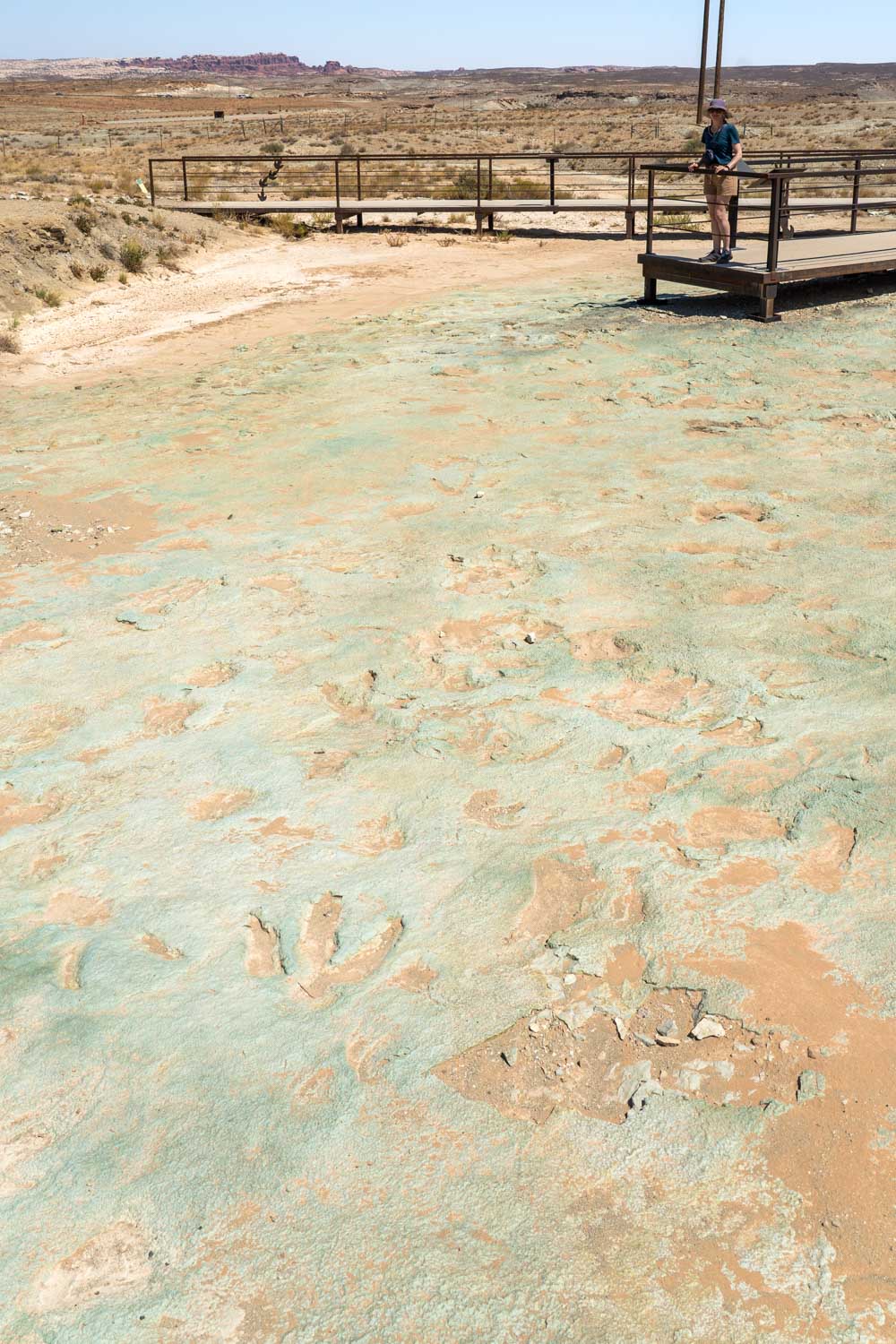
The geology around Moab preserves many dinosaur tracks and fossils. Hit the 0.5-km (0.25-mi) Mill Canyon Dinosaur Tracksite for an interpretive hike where you’ll witness traces of over 10 Jurassic-period species, including various dinosaurs plus crocodiles and birds.

Moab Giants Dinosaur Park
A mix of paleontology museum and outdoor trail featuring life-size dino replicas. This is a great spot for families. See the official site for details.
Downtown Moab
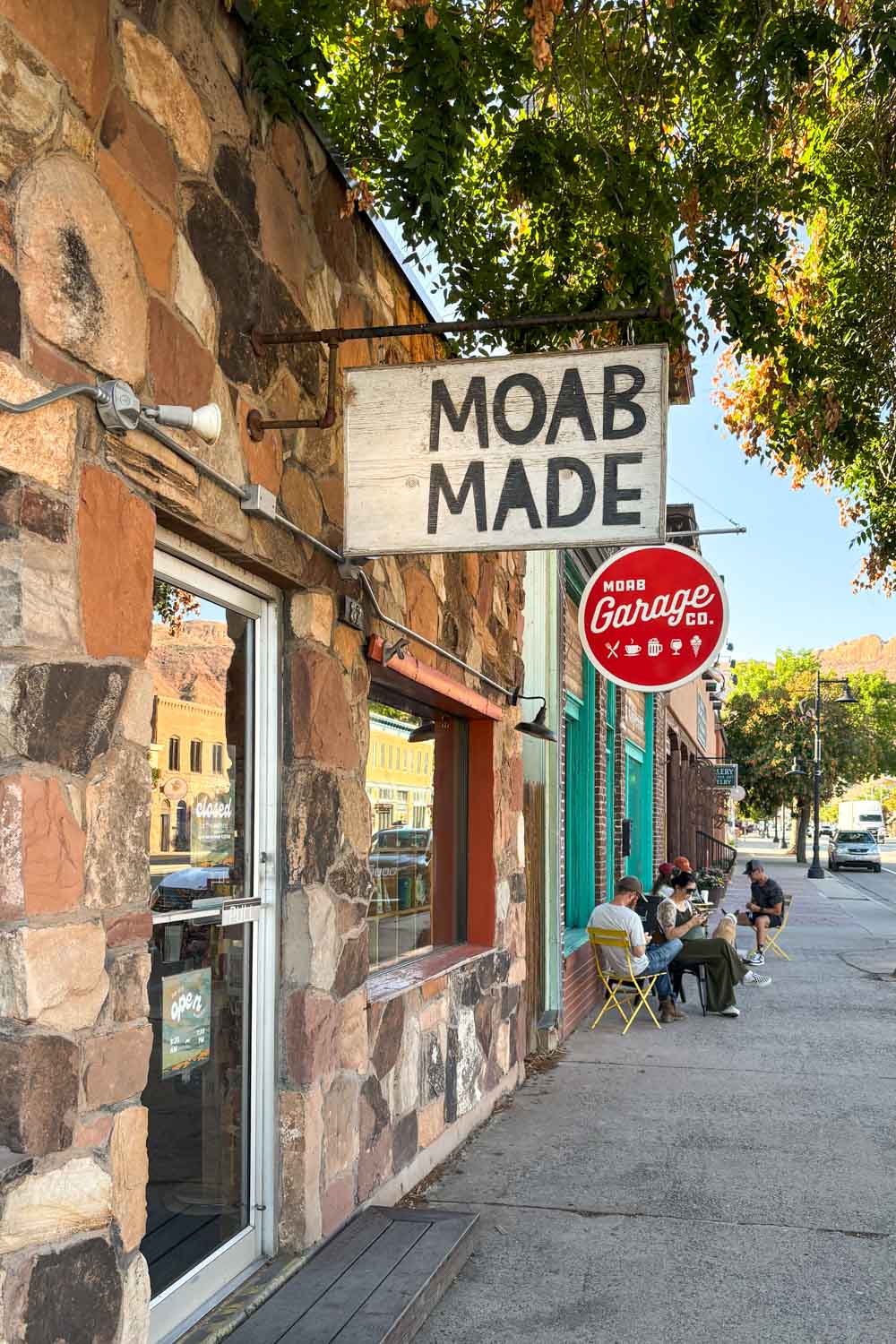
Don’t overlook the town itself. Browse art galleries and museums, sip craft beer and check out local shops.
Stargazing
With minimal light pollution, Moab is one of the best places in the U.S. to see the Milky Way. Arches, Canyonlands and Dead Horse are all officially designated International Dark Sky Parks. Check the Park’s websites for ranger-led night sky programs or find a spot for self-guided stargazing here.



Places to Eat in Moab
Desert adventuring works up an appetite, and thankfully Moab’s food scene has you covered.
Jailhouse Café: Legendary for breakfast—try the Swedish pancakes or chorizo scramble.
Moab Garage Co.: Known for great espresso and hearty breakfasts.
98 Center: A top pick for fresh, healthy dishes like pho and creative sandwiches.
Love Muffin Café: Ideal for grab-and-go breakfasts and packed lunches before a hike.
Moonflower Co-op: Organic groceries, snacks, and trail essentials.
City Market & Village Market: Larger supermarkets where you can stock up on plenty of water, fruit, sunscreen and hiking supplies.
Desert Bistro: Make a reservation for dinner at this uber-popular restaurant.
98 Center: Gets glowing reviews for its Vietnamese cuisine.
Moab travel tips
Start early: Beat both the desert heat and the crowds by heading into parks at sunrise or at least before 10am.
Pack smart: Bring layers, sunscreen and more water than you think you’ll need (4L/1gal per person, per day). See my post on what to wear in the desert for a full guide.
Book ahead: Accommodation and tours in Moab can sell out quickly, especially during spring and autumn.
Respect the environment: Stay on marked trails and leave no trace in this fragile desert ecosystem. Keep off rock arches and don’t carve, scratch or graffiti natural features.
Bring a map: There’s little connectivity in the Parks, so download maps in advance and pick up a paper map in case your battery dies.
Check the weather: Whether it’s the threat of searing heat or potential flash flooding, you want to be on top of the weather and conditions during your visit.
From otherworldly arches to adrenaline-fuelled off-road routes, Moab is an adventure playground like no other. With so many things to do in Moab Utah, you’ll want to return again and again to hike, stargaze, raft or simply soak up the red-rock magic.
Peace, love & inspiring travel,
Madam ZoZo
Pin for later…