Orange tree-lined plazas, flamenco guitar echoing through cobblestone streets and architecture that fuses Islamic artistry with Renaissance grandeur—these are just a few good reasons to visit Seville, Spain. If you’re planning a visit to Spain’s fourth largest city, prepare for an itinerary overflowing with history, soul and sensory moments at every turn. Here’s a few amazing, culturally-immersive things to do in Seville, to start you on your way. You can find more on places to visit in Spain here.
Disclosure: I may earn compensation from the purchase of any product or service linked on this website, at no extra cost to you. I only link to products I use and love, therefore feel comfortable recommending.
Sevilla or Seville?
You’ll find the city spelled both ways inside and outside Spain. In Spanish, it’s Sevilla (pronounced: seh-bee-ya). In English, it’s spelled Seville (pronounded: suh-vill).
Is Seville worth visiting?
Seville is one of Spain’s most enchanting destinations. Its flamenco heritage, Mudéjar architecture, ancient palaces and historic neighbourhoods draw over 3-million tourists annually. When people ask what Seville is known for, the list is long—think 3 UNESCO World Heritage sites including the world’s largest Gothic cathedral and Europe’s oldest royal palace still in use. It is arguably the birthplace of Flamenco and hosts one Spain’s most colourful spring festivals—April Fair.
The history of Seville reads like a tapestry of civilisations. Romans left their imprint, followed by centuries of Islamic rule that shaped the city’s artistic legacy. Later, as Spain launched voyages to the Americas, Seville became a thriving port, monopolizing trade with the Americas and “peaking” as Spain’s richest and most populous city in the 16th century.
So, is Seville worth visiting? If you love culture, food, history, warm weather and long golden hours, the answer is a resounding yes.
Best time to visit Seville, Spain
The best time to visit Seville Spain comes down to what you want to experience, here’s a seasonal breakdown:
Spring (March to May) is the city at its most glorious—orange blossoms perfume the air, temperatures sit comfortably in the low-to-mid 20s (that’s celcius, about 68-77°F), and major festivals like Semana Santa (Holy Week) and Feria de Abril (April Fair) bring Seville’s traditions to life. It’s also the busiest and priciest period, so book early.
Summer is scorching, often reaching 40°C or more (100°F +). Locals escape to the coast, and while the city feels quieter, the heat can be intense for sightseeing.
Autumn (September to November) offers a fantastic balance—warm days, fewer crowds, and mild evenings perfect for tapas bar-hopping.
Winter is cool but rarely cold, and accommodation prices drop significantly.
Recommendation: The best time to visit Seville, Spain is spring or autumn—pleasant weather, lively streets and a perfect atmosphere for exploring on foot.
How long to spend in Seville
We spent 1.5-days in Seville and I can say it was nowhere near enough. Budget two full days at an absolute minimum. Two days allows you to explore the major sights, while three days gives you space to enjoy neighbourhood strolls, cultural experiences and relaxed meals. Maybe even a day trip somewhere else in Andalucia.
Getting to Seville
Fly to Seville
The easiest way to reach Seville is by flying into Seville Airport (SVQ), located about 20-minutes from the city centre. It’s well connected domestically and to major European hubs. From the airport, a shuttle bus, taxi or rideshare will take you straight into town.
Train to Seville
Travelling by train is also efficient. Spain’s high-speed AVE network links Seville to Madrid in about 2.5-hours and to Córdoba in under an hour. Trains arrive at Santa Justa Station, a short taxi or bus ride from the historic centre. If you’re arriving internationally through Madrid (MAD) or Barcelona (BCN), connecting to Seville by rail is a comfortable and scenic option.
Navigating Seville
Seville is wonderfully walkable, especially the historic centre where many attractions cluster close together, and it’s quite flat. Just ensure you have comfortable shoes for the uneven cobblestones and sidewalks.
Public transport includes buses, trams (MetroCentro) and a small subway system—all reliable and safe. Taxis are widely available and reasonably priced, Ubers are harder to come by. The FREENOW app will allow you the convenience of utilizing the city’s large taxi fleet, like a rideshare service.
Driving in Seville is not recommended unless you’re exploring outside the city. The old town’s narrow streets can be tricky and parking is limited. Stick to walking and public transport for a hassle-free experience.

Where to stay in Seville
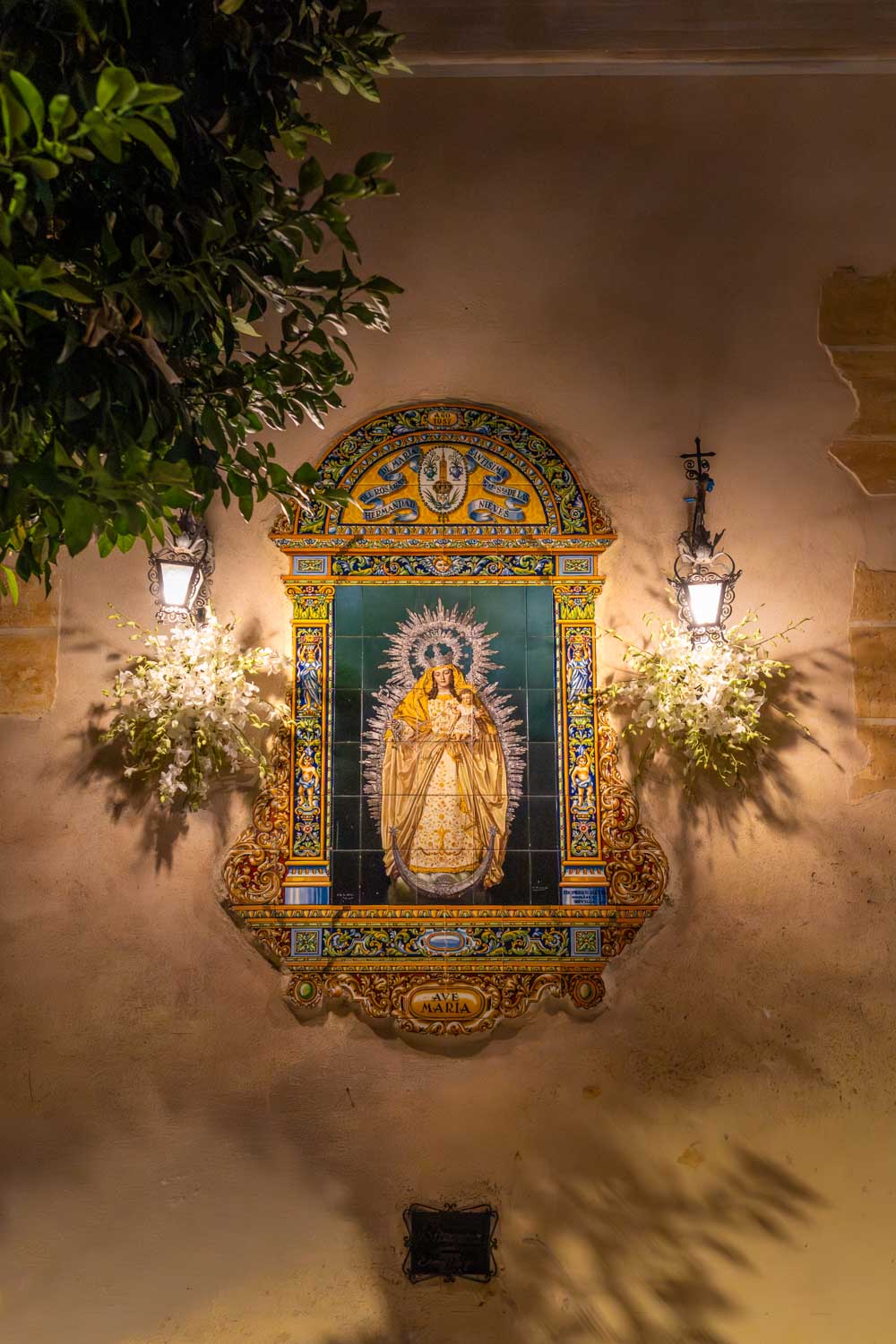
For convenience, charm and walkability, base yourself in Santa Cruz, the former Jewish Quarter. Its maze of alleyways, courtyards and tapas bars places you minutes from major attractions. El Arenal is another excellent choice, offering proximity to the cathedral, bullring and river.
If you prefer local vibes, La Alameda or Triana provide great dining scenes and boutique accommodation. Seville also excels in unique stays—think centuries-old palaces turned into boutique hotels, heritage homes with Andalusian patios, and stylish modern conversions with rooftop pools overlooking the skyline.
Things to Do in Seville
1. Real Alcázar de Sevilla
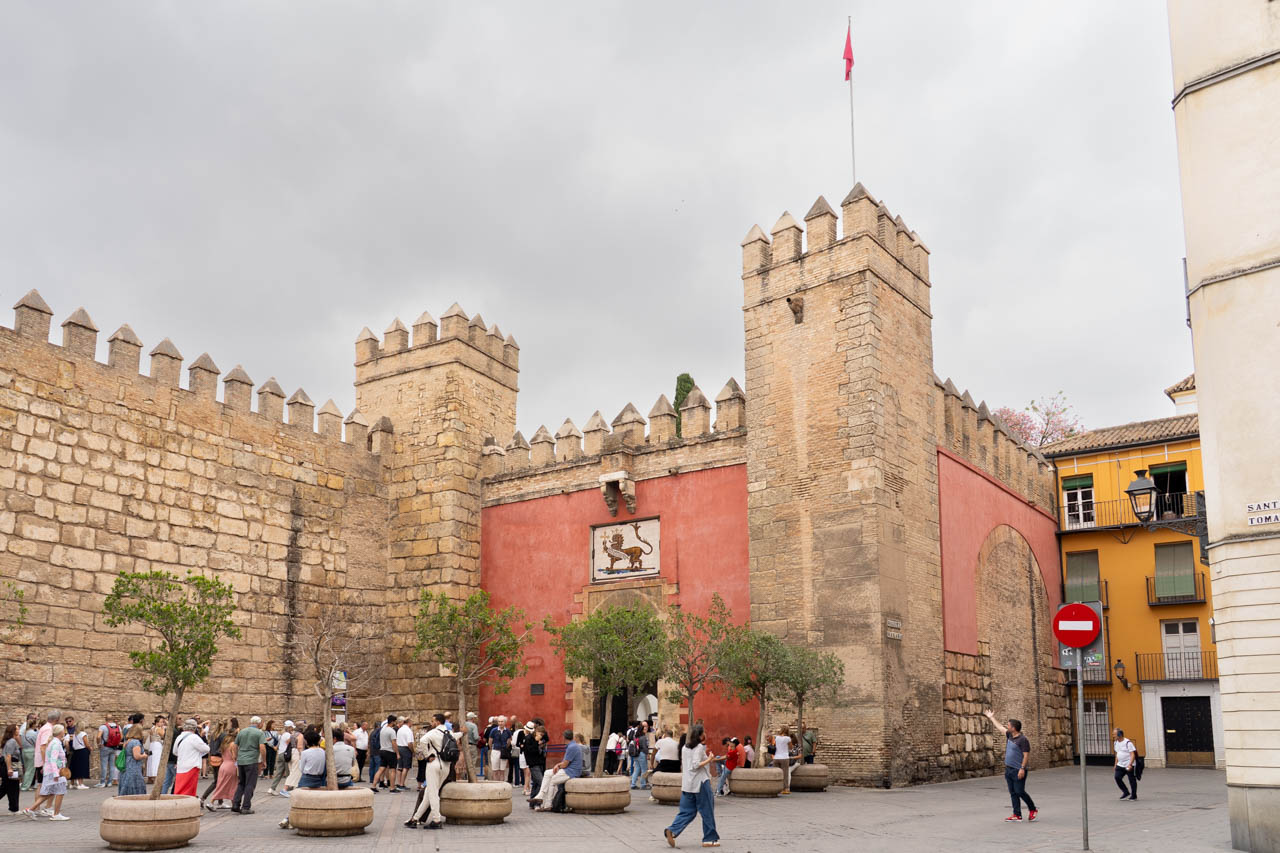
A masterpiece of Mudéjar architecture and one, if not the oldest European royal palace still in use. Wander intricate tilework, lush gardens and courtyards that blend Moorish and Christian influences. The Real Alcázar’s history spans centuries and its beauty is extraordinary.
2. Seville Cathedral & La Giralda
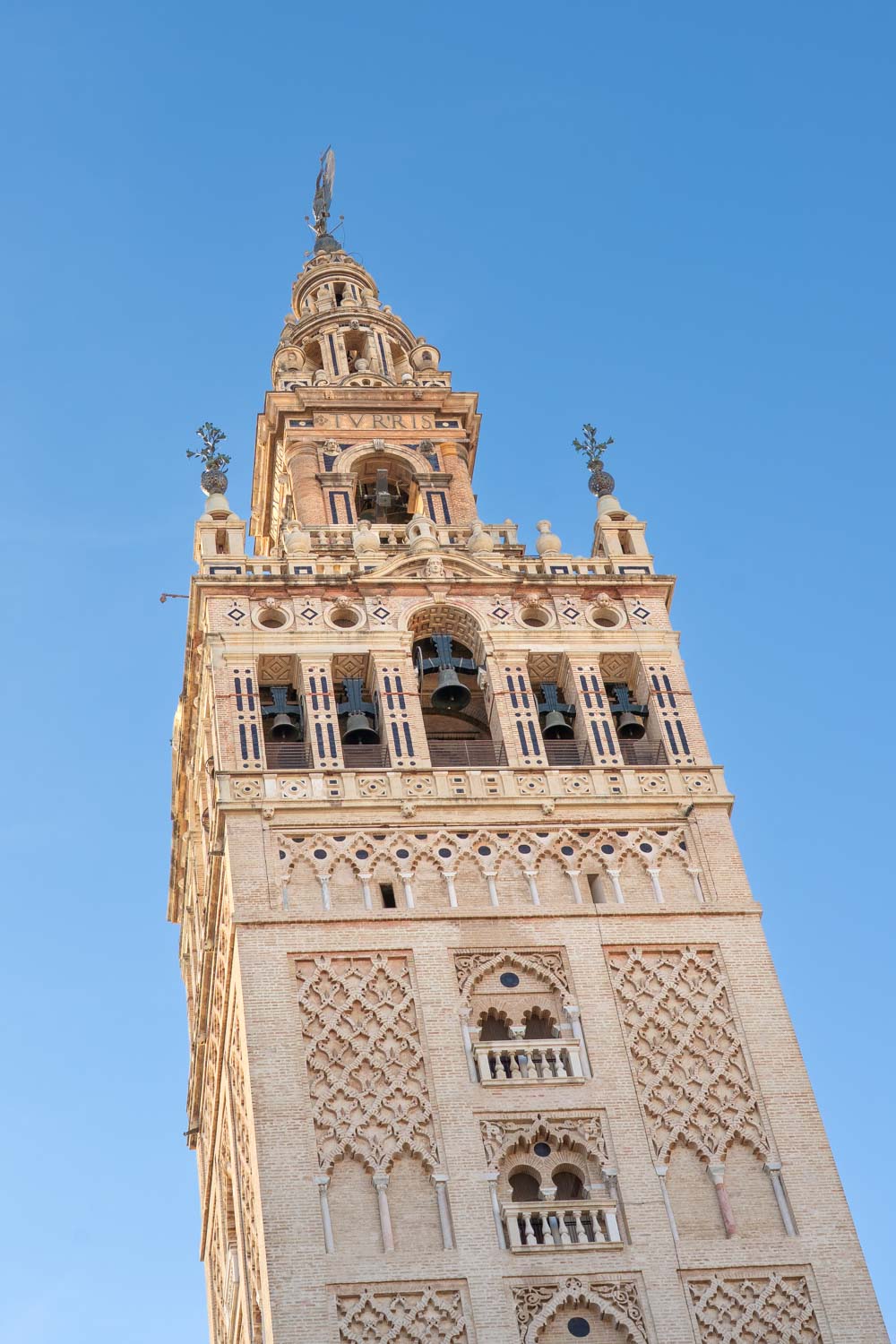
The world’s largest (or second largest, depending on your method of measurement) Gothic cathedral dazzles inside and out. Climb La Giralda tower for sweeping views across the city. Don’t miss Christopher Columbus’ tomb.
3. Plaza de España
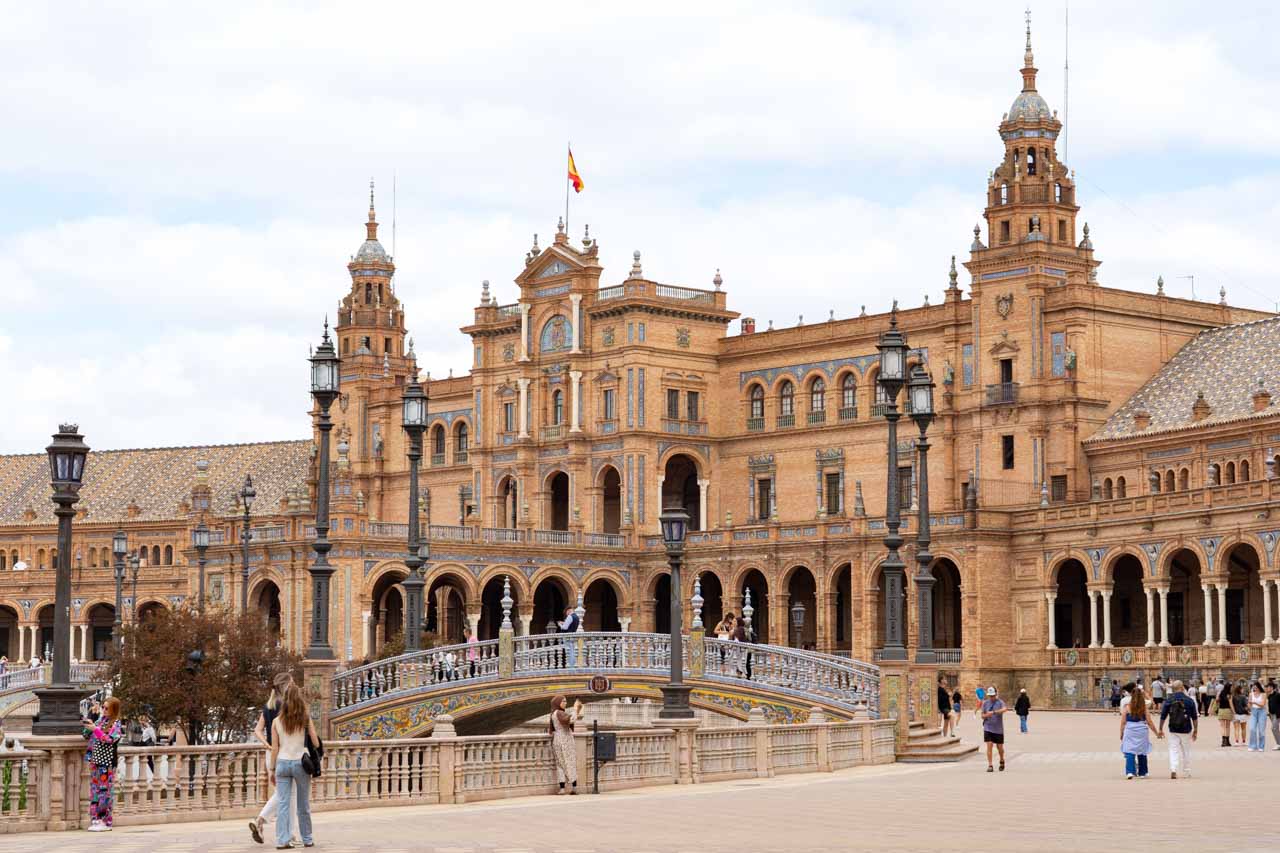
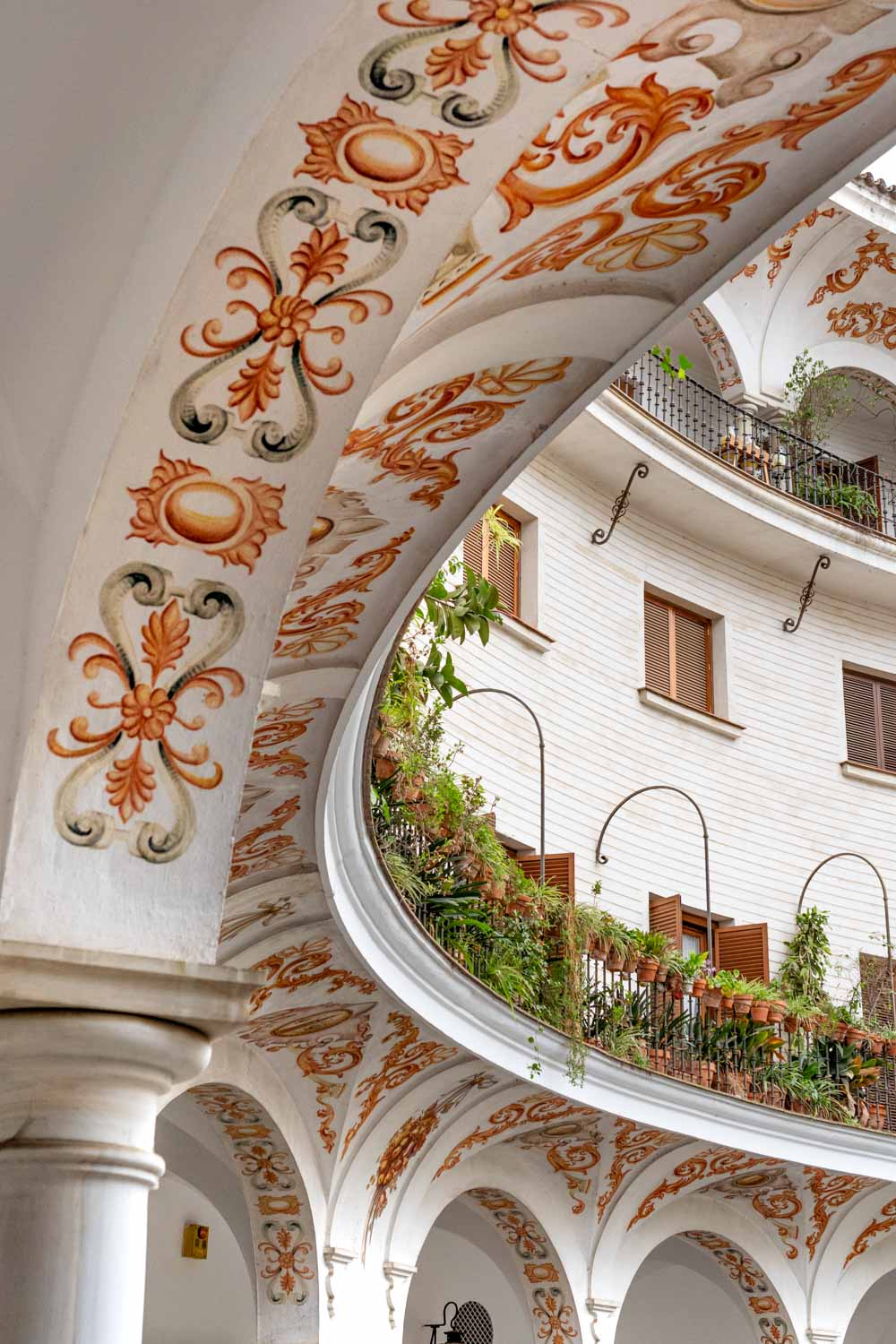
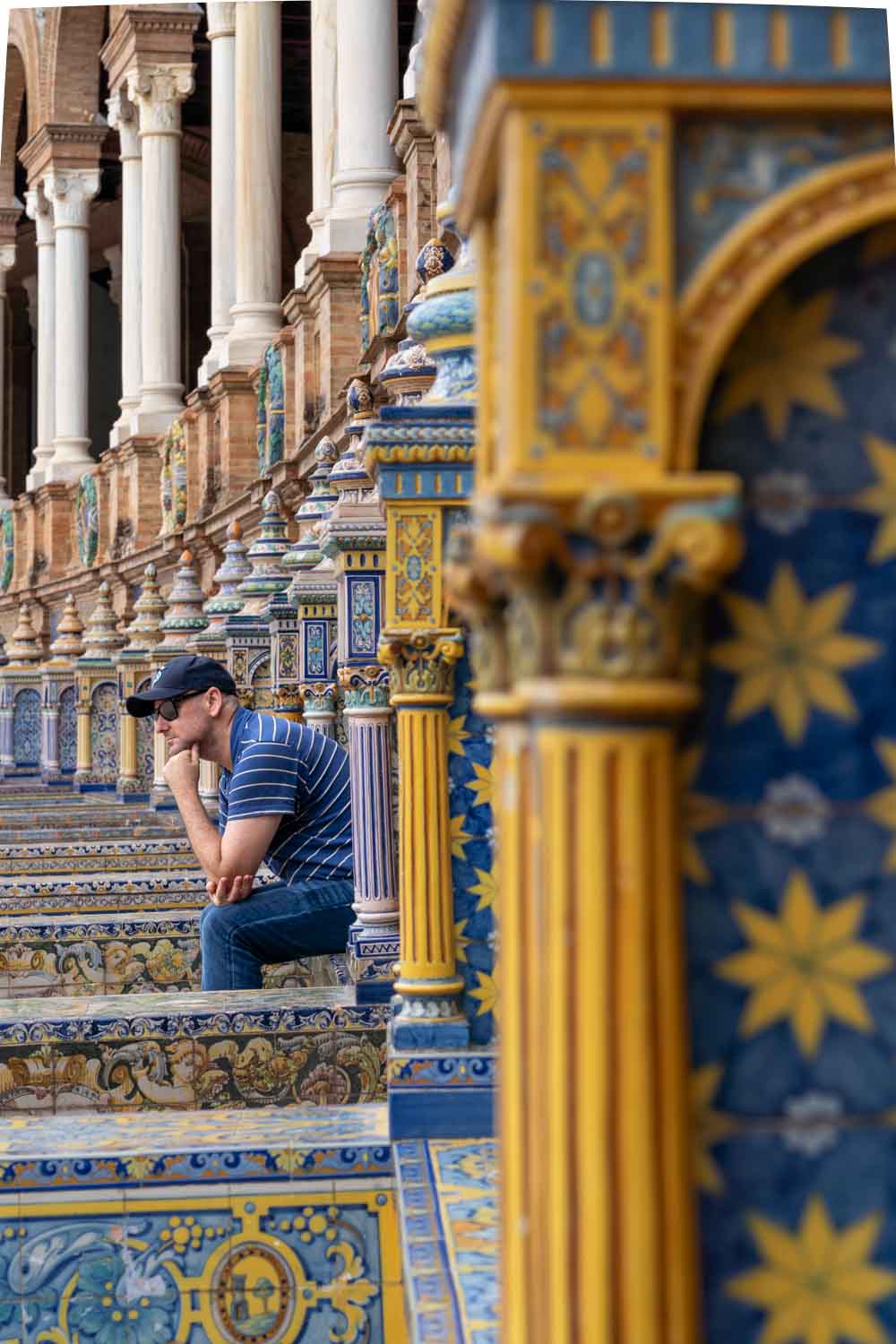
A sweeping semi-circular pavilion with tiled alcoves representing Spain’s provinces. It’s cinematic (literally—several films were shot here) architecture was designed and built for the Ibero-American Exposition of 1929. The pavilion is a photographer’s delight, but go early to avoid the crowds and heat.
Fun fact: Star Wars fans might recognize Plaza de España as a filming location from The Phantom Menace.
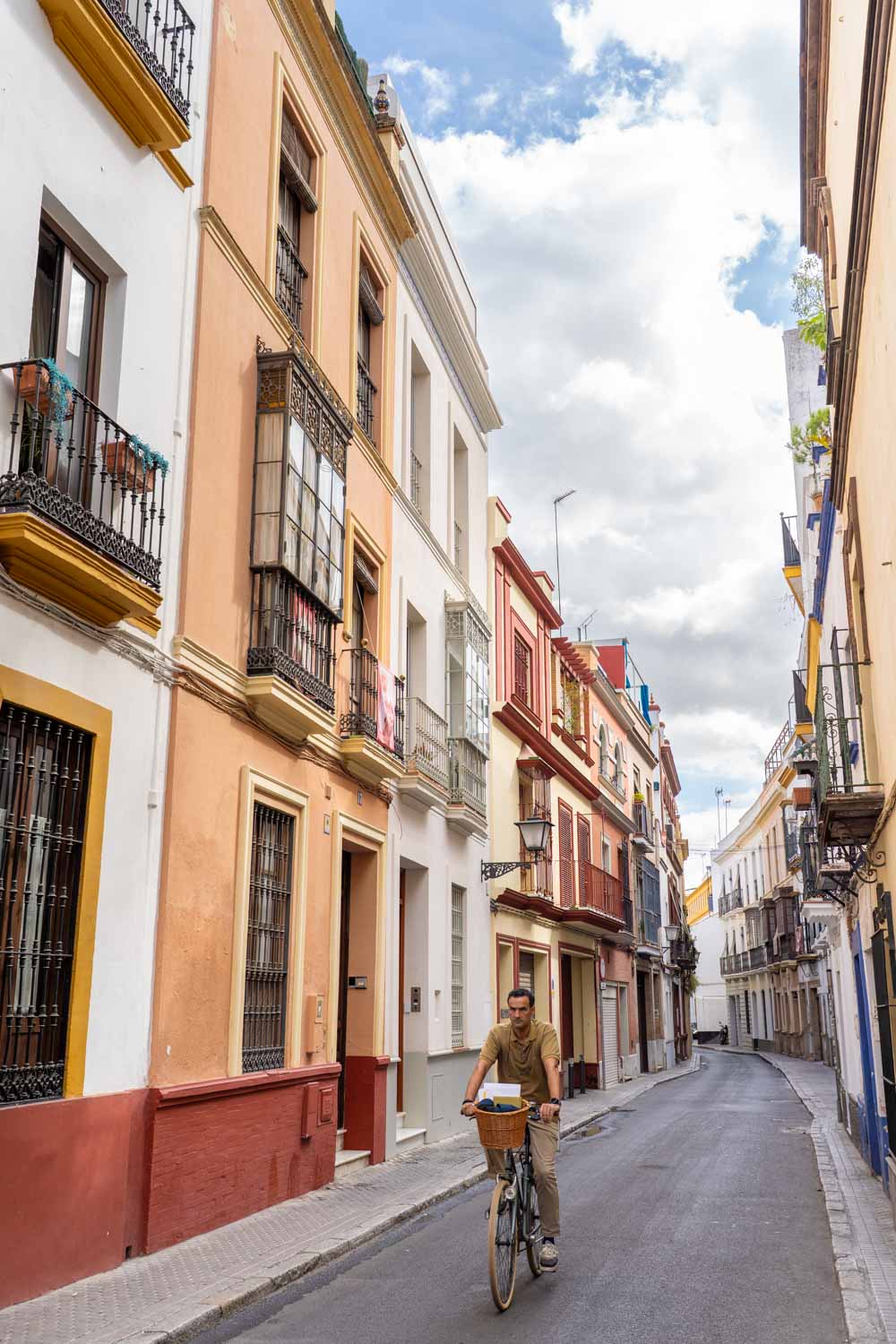
4. Parque de María Luisa
Plaza de España is located inside the lush oasis of Parque de María Luisa, the perfect spot for escaping the midday heat—think fountains, tiled benches and peacock-dotted gardens.
5. Barrio Santa Cruz (Jewish Quarter)
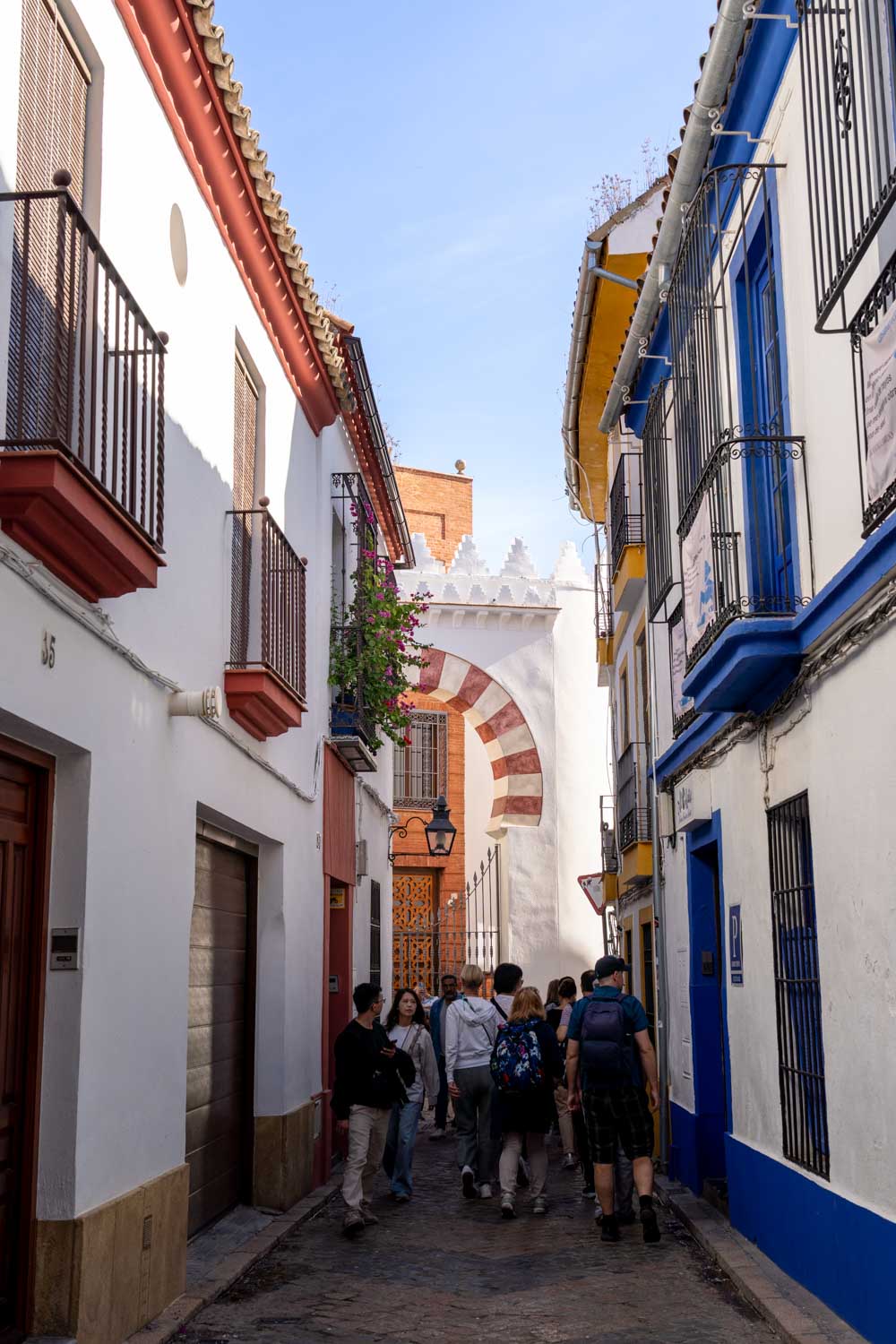
Historic, romantic and endlessly photogenic. Lose yourself in laneways lined with bitter orange trees, and filled with hidden squares and tapas terraces. Barrio Santa Cruz is the “old town” part of Seville and where you will likely spend much of your visit to the Andalucian capital.
6. See a flamenco show
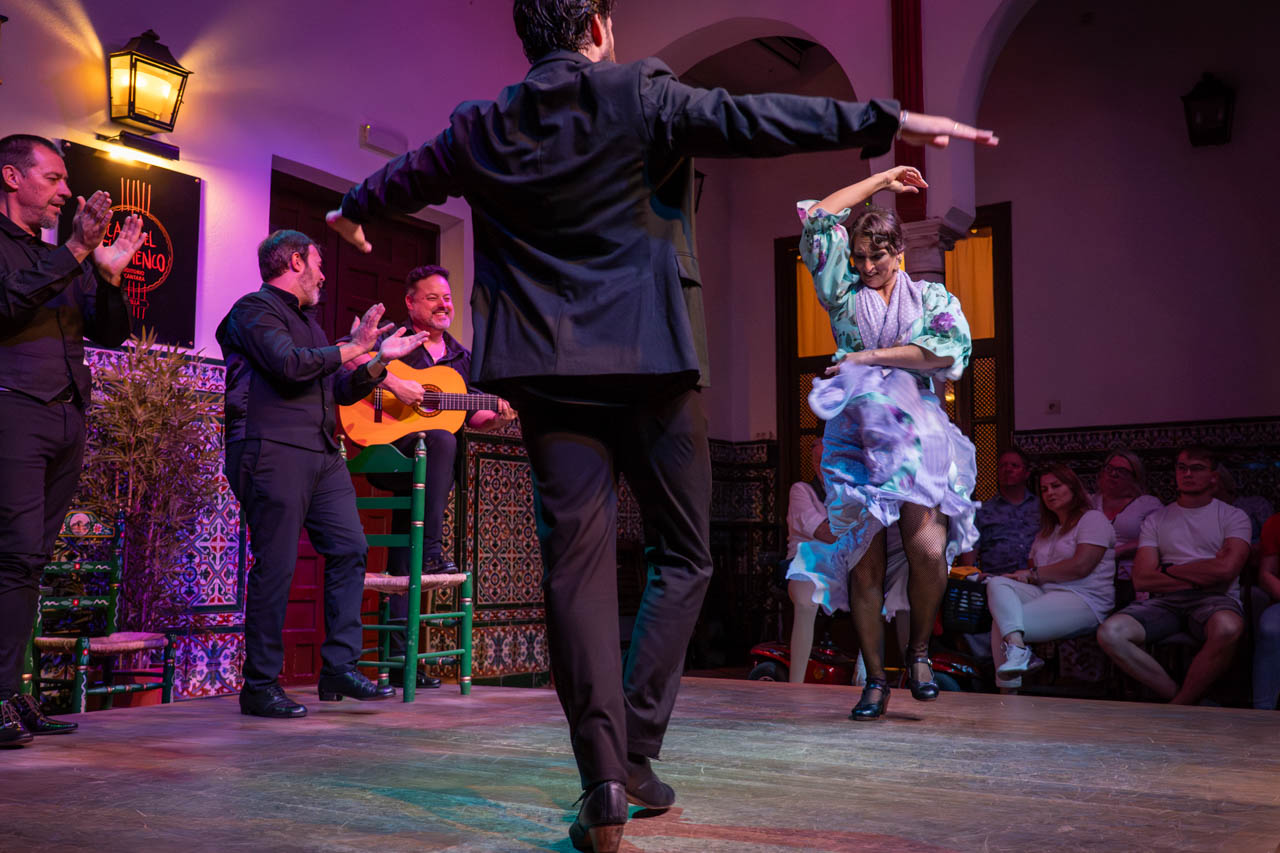
Do not leave Seville until you’ve seen flamenco live. Even better, do it with someone who can decode the artform. Going with a guide who can explain the history and significance of flamenco, along with the etiquette of being a good audience member enriches your experience 10x. Devour Tours offer the perfect evening combo with their Tapas & Flamenco Tour.
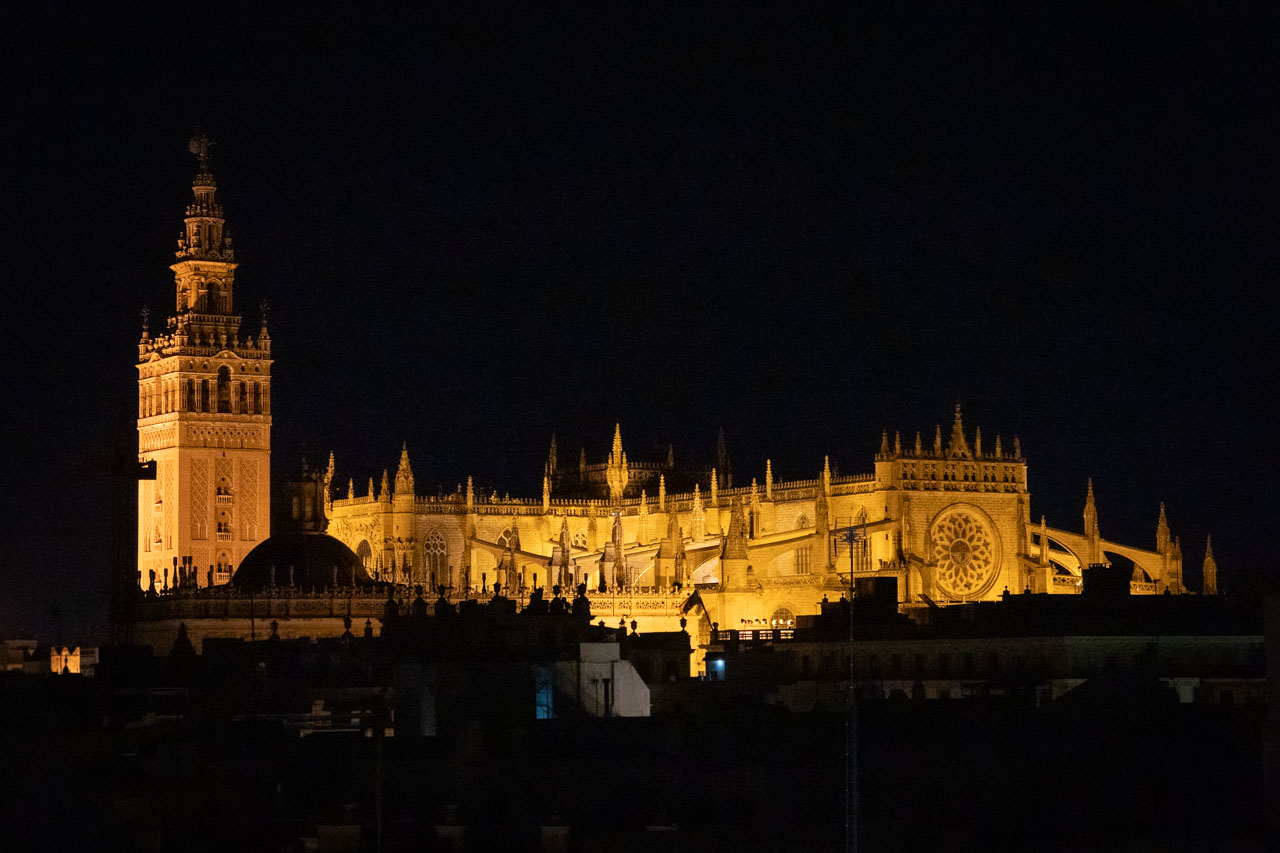
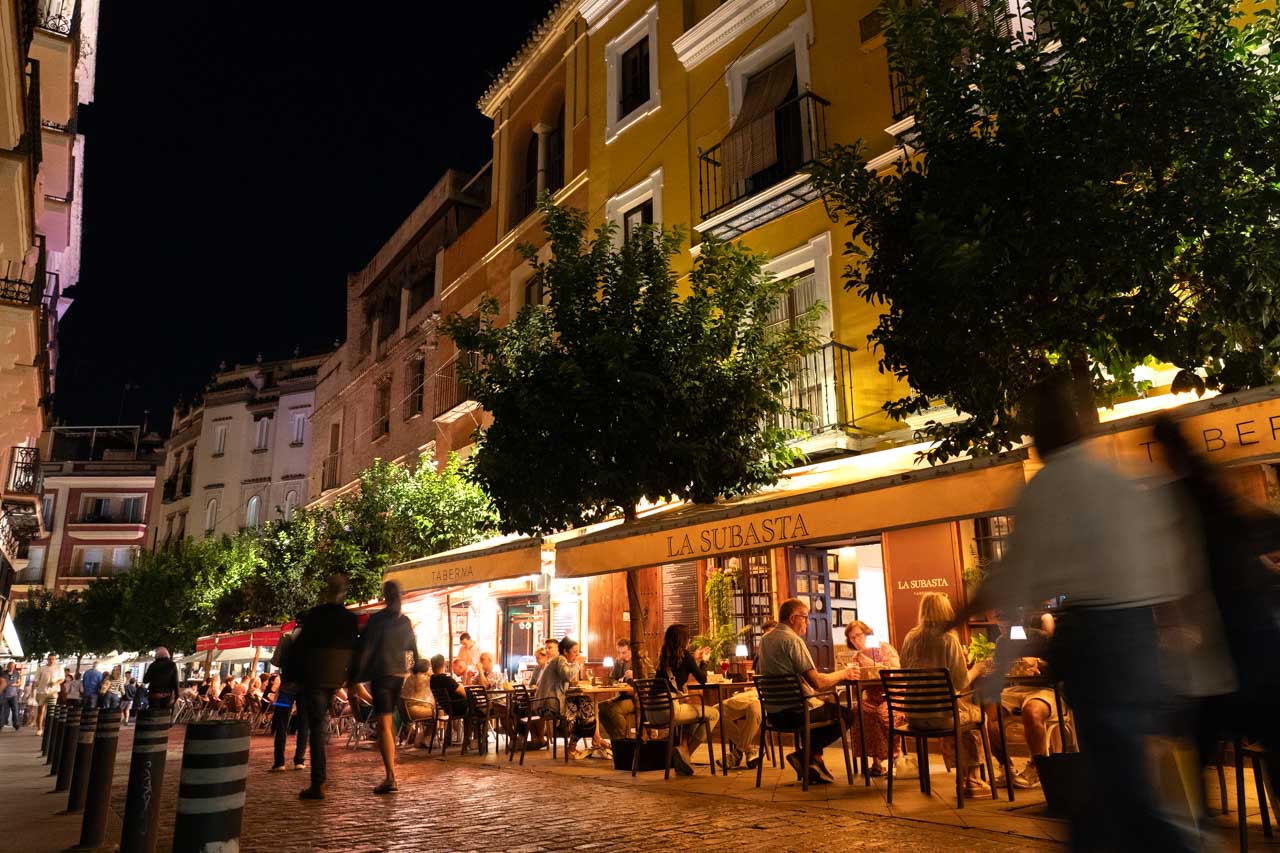
7. Expand your neighbourhood discovery
Wander the El Arenal, Centro and Alfalfa neighbourhoods, ducking into traditional tapas bars, artisan workshops and boutique stores along the way. Highlights include the charming Plaza del Salvador, the lively shopping strip of Calle Sierpes, and hidden architectural gems like Palacio de la Condesa de Lebrija with its mesmerising Roman mosaics. Feeling the old city unfold around you is one of Seville’s pleasures—slow, sensory and steeped in centuries of cultural cross-pollination.
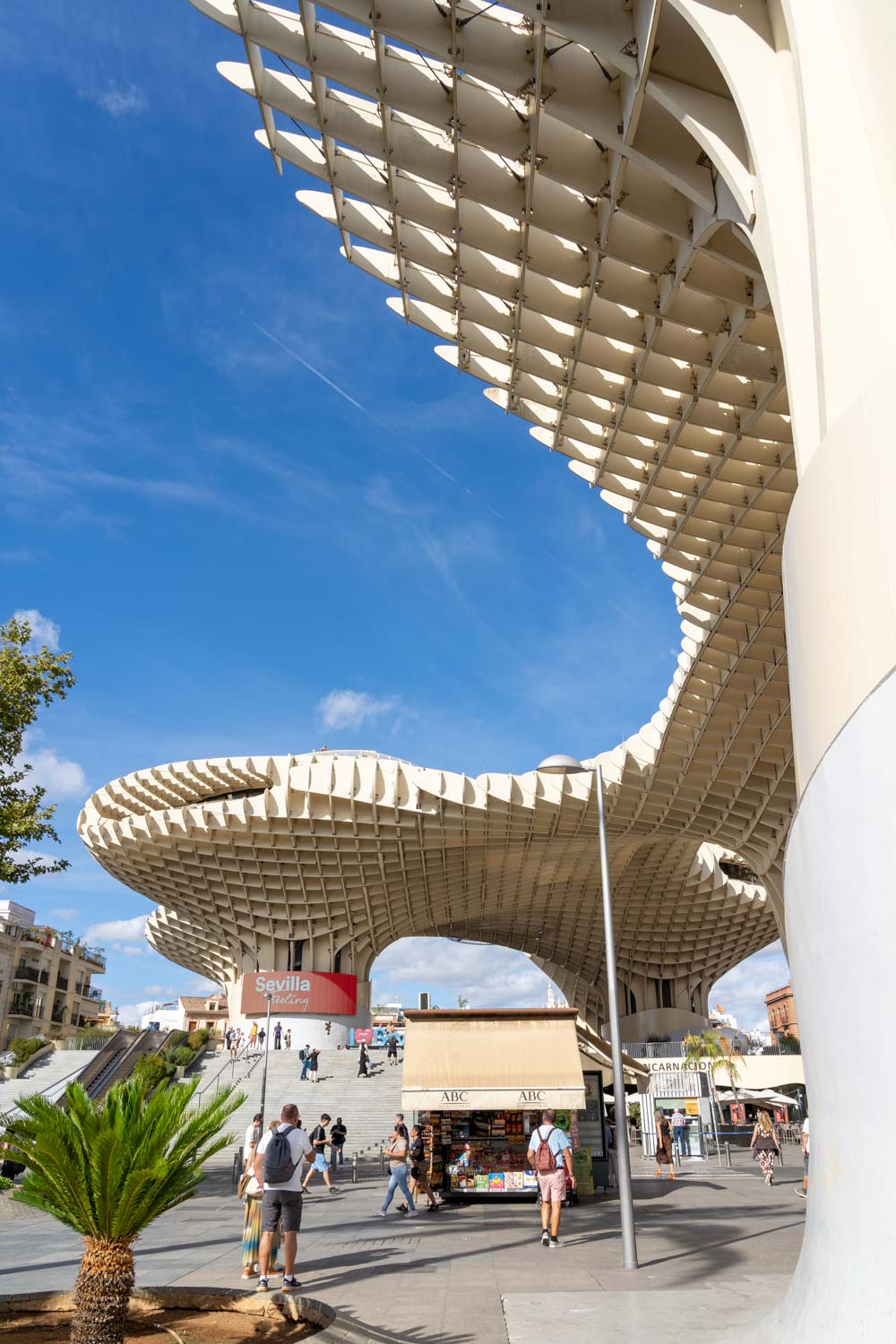
8. Metropol Parasol (Las Setas)
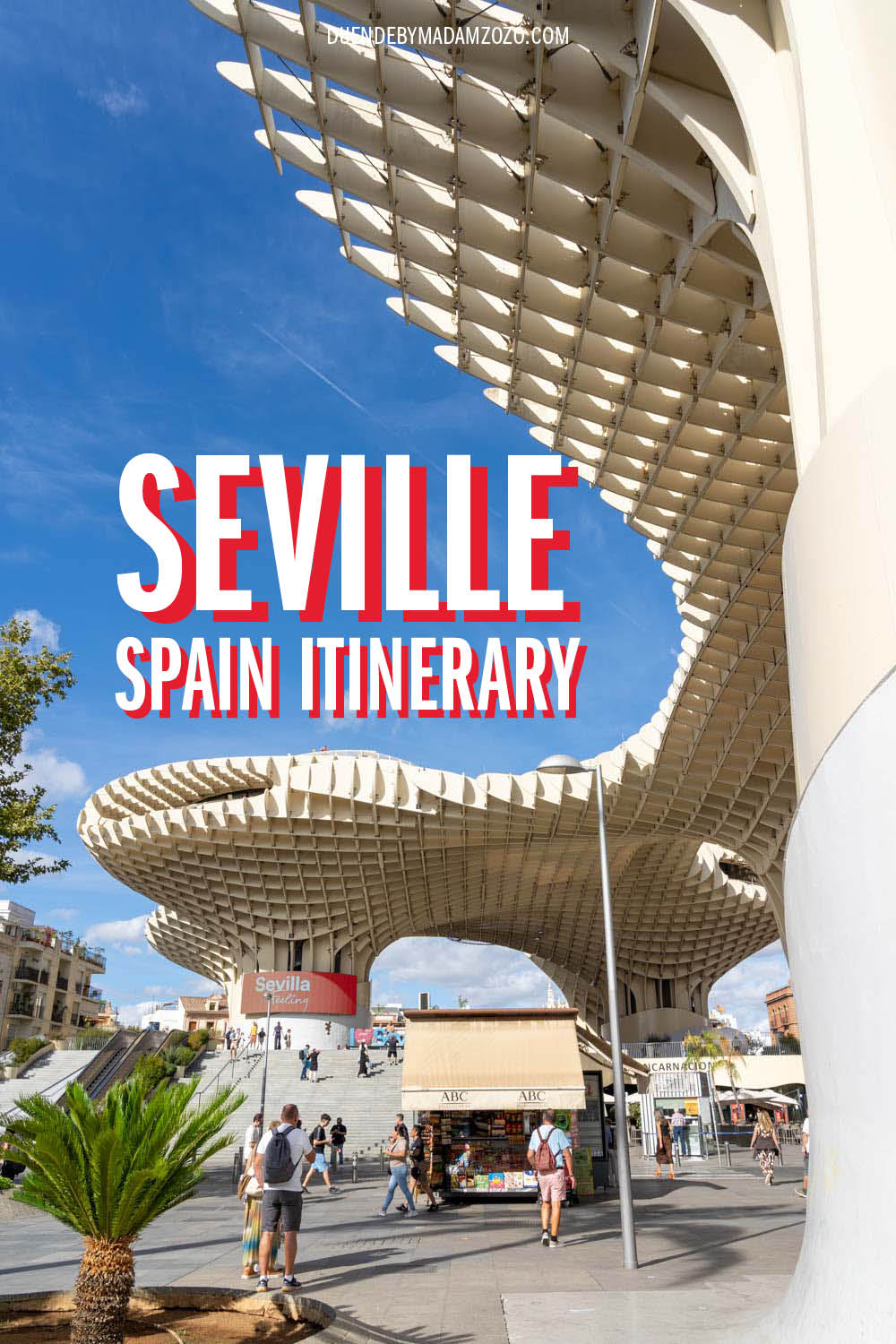
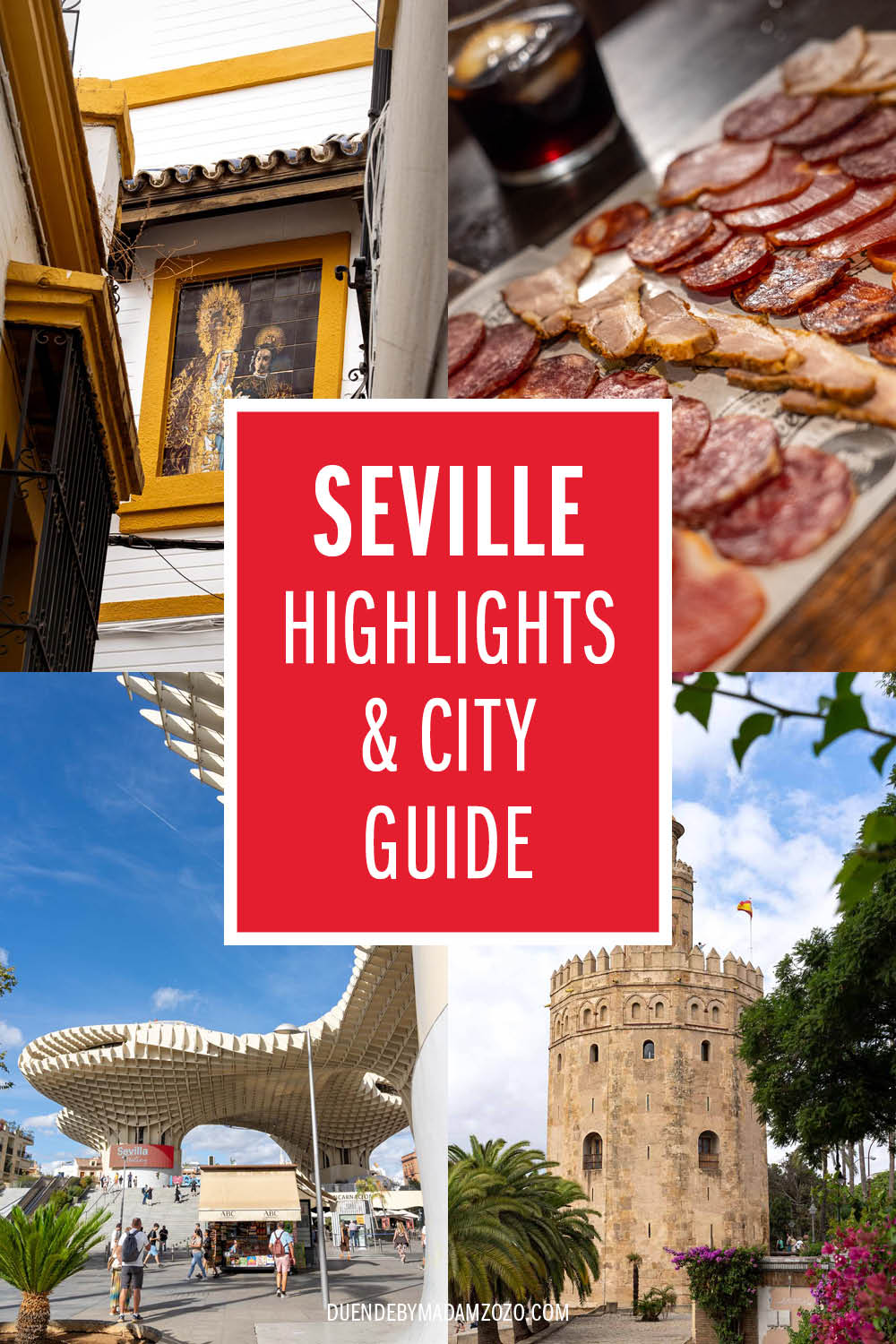
Las Setas—“The Mushrooms”—as it is nicknamed, is a futuristic wooden structure offering elevated walkways and sunset views. It also houses a market and archaeological museum. Nope, it’s not regarded as the world’s largest wooden structure any more, Osaka’s “Grand Ring” took its Guinness World Record crown in 2025, but it’s still impressive.
9. Museum of Fine Arts
Regarded as Spain’s second-most important art museum, it features works by Murillo, Zurbarán and other Andalusian masters. The museum building itself is worth seeing. It was formerly a convent of La Merced and became home to the museum after it was confiscated from the order in the 1830s.
10. Take a walking tour
Familiarise yourself with the history and folklore of Seville on a guided walking tour. Follow a local around for a couple of hours, to learn about the architecture and evolution of the city. Our experience with Free Walking Tour Sevilla was great.
Remember: A “free” tour is code for “pay as you wish”. Guides’ income is entirely based on tips, so even if you have to leave early, make sure you take care of them. €10–€15 per person is considered reasonable.
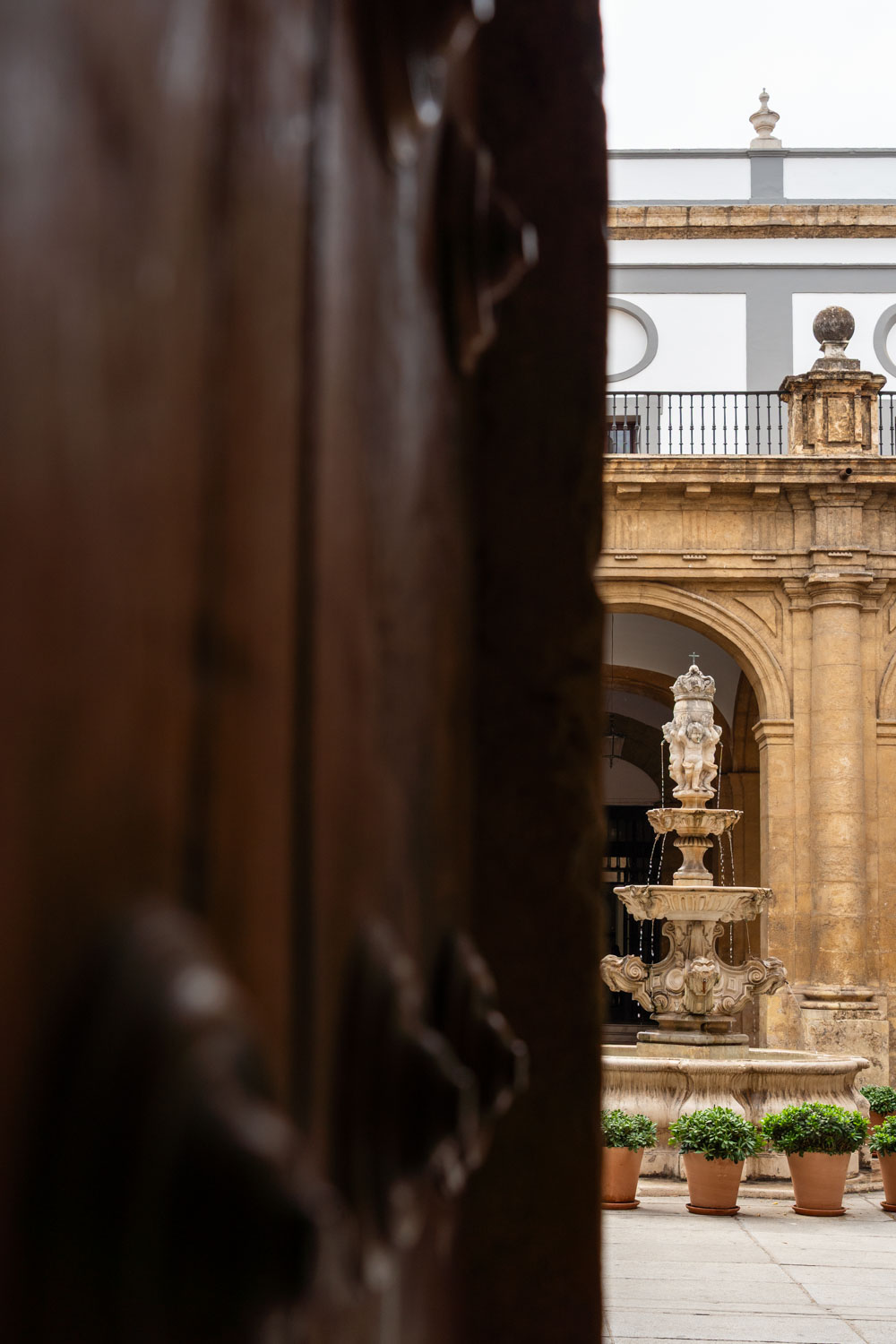
11. Take a flamenco class
If you’ve fallen under the spell of Seville’s flamenco scene, take your connection a step further by joining a beginner flamenco class. Flamenco isn’t just performance here—it’s identity, storytelling and centuries of cultural fusion. We danced for an hour with Eva at I Show U Sevilla, who broke down the rhythms, footwork and expressive movements in an approachable, fun way. Classes are small, personal and packed with cultural insights. It’s a memorable way to feel the city’s duende for yourself.
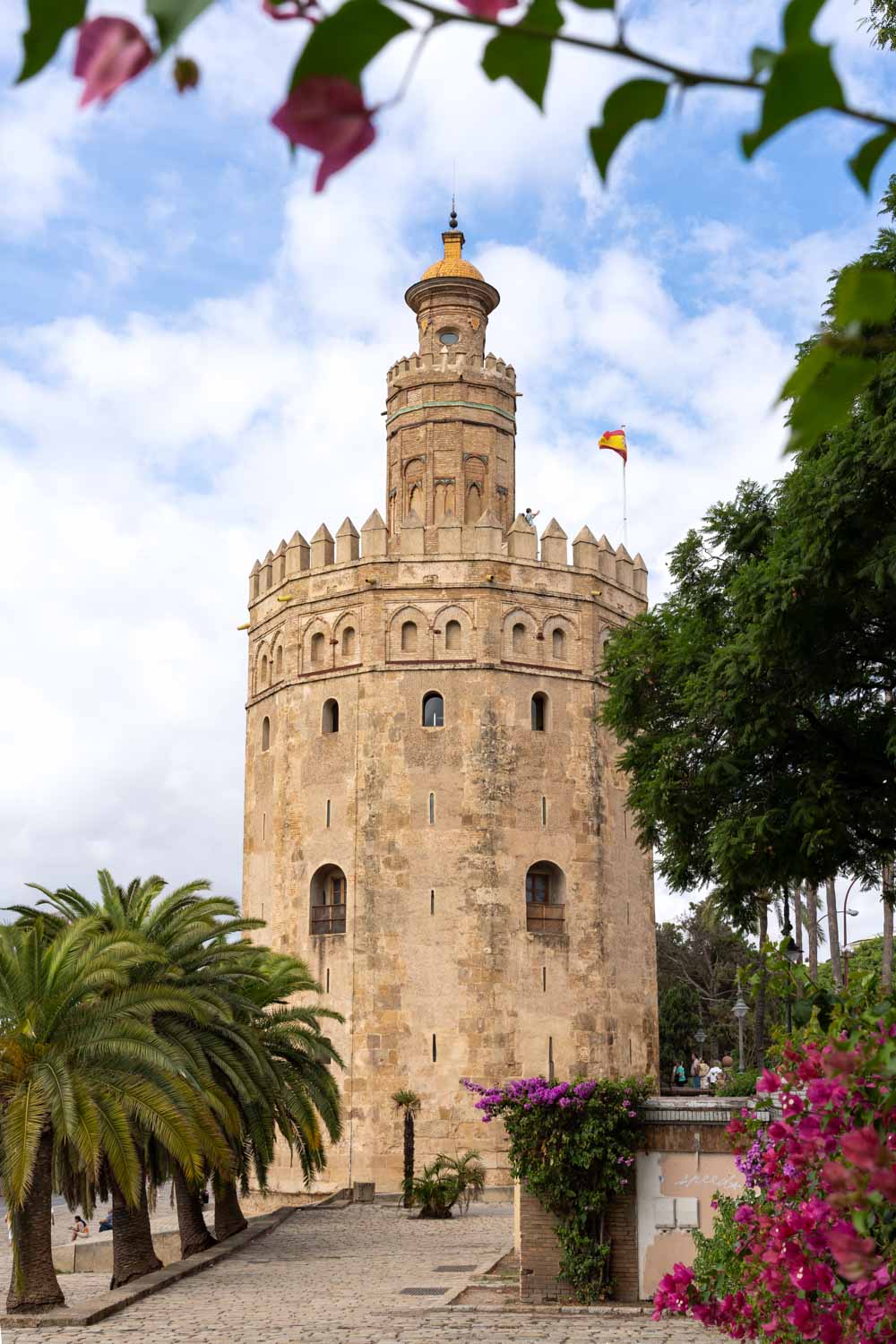
12. Torre del Oro
Visit Torre del Oro, the 13th-century watchtower built by the Almohads to defend the river port and was used as a prison during the Medieval period. Torre del Oro—“Tower of Gold”— references the gleam of its reflection on the River, not its contents. Today, the distinctive dodecagonal tower is home to a small maritime museum with views stretching across the river toward Triana.
13. Riverside walk
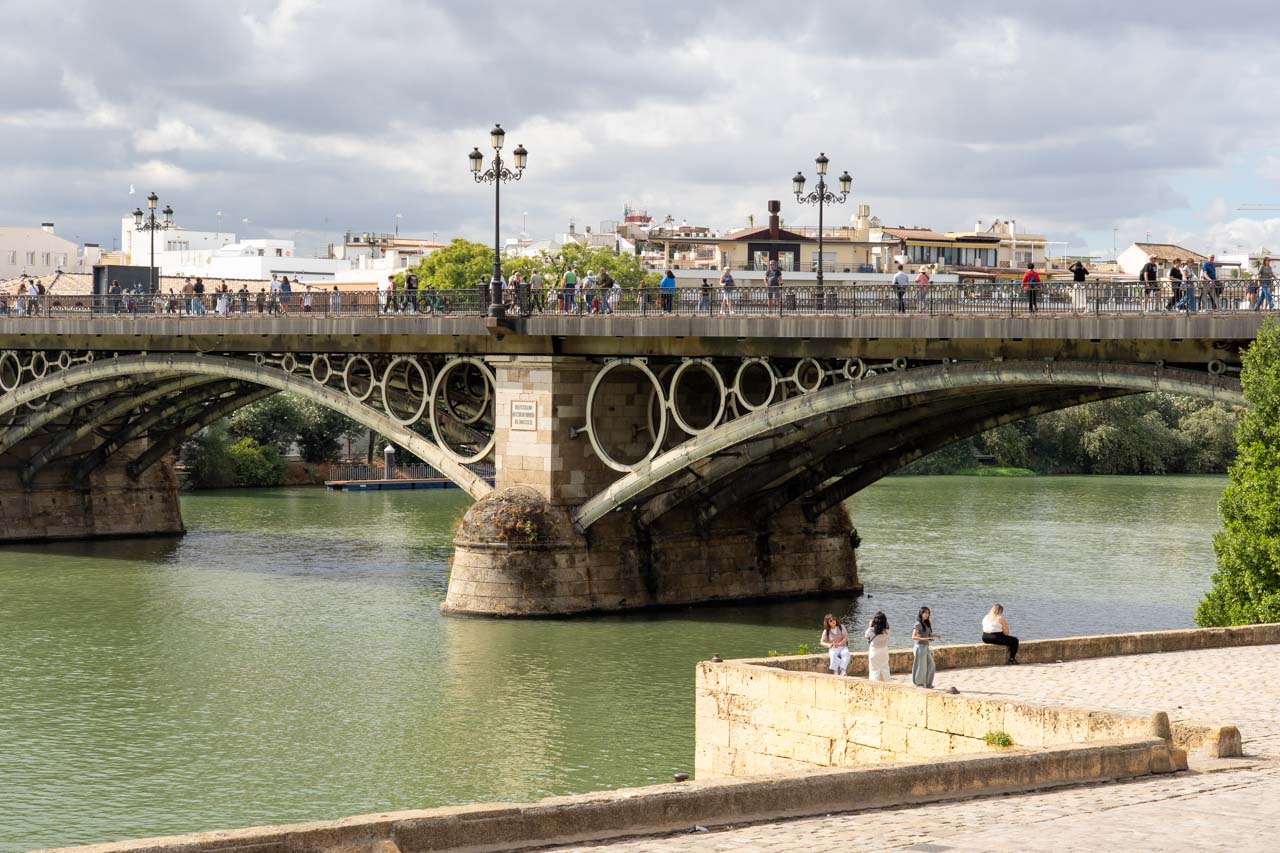
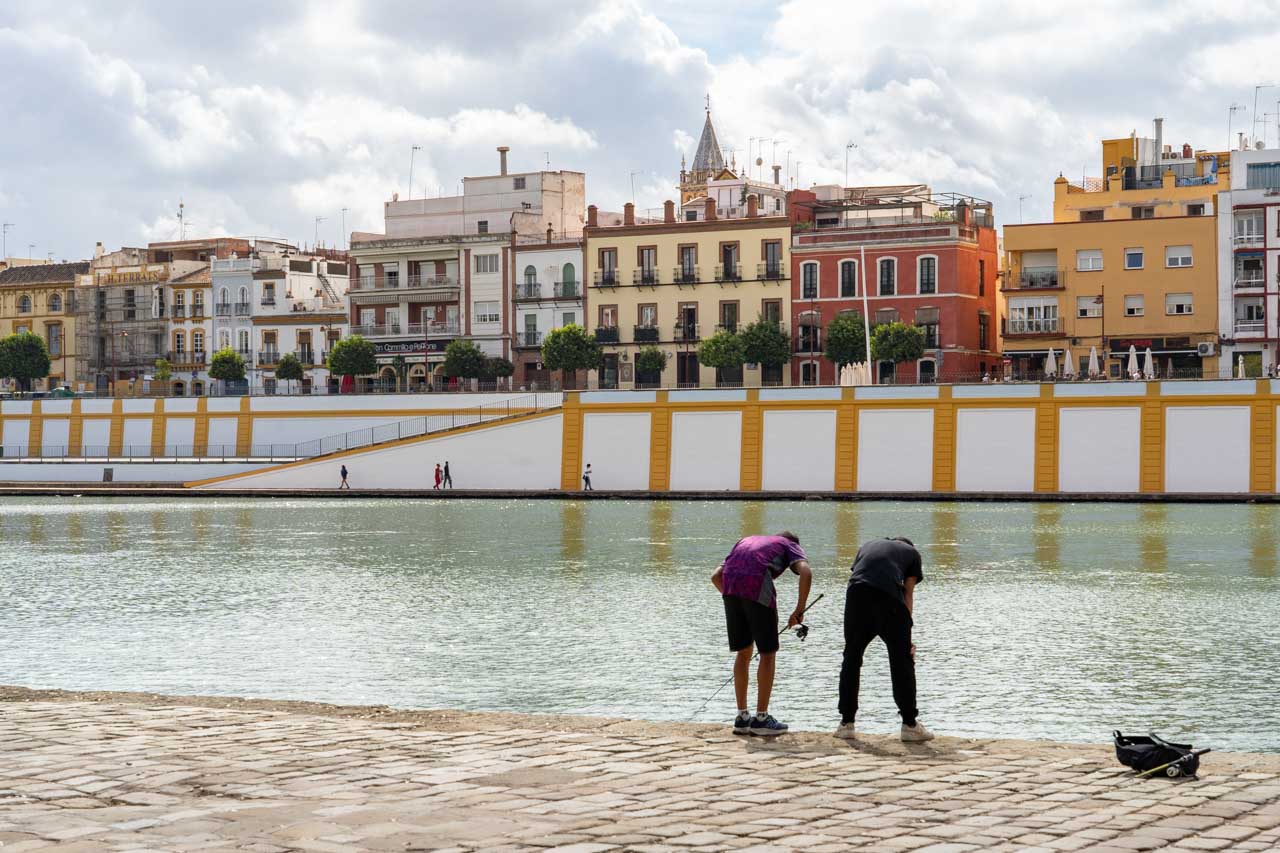
Take a leisurely wander along the Río Guadalquivir, the perfect way to soak up Seville’s maritime past. Stroll the short and most scenic section between Torre del Oro and the Isabel II Bridge. There isn’t a lot of shade though, so save this for the first thing in the morning or later in the evening. It’s a relaxed, way to experience Seville’s history and daily rhythm away from the crowds.
14. Triana neighbourhood
Regarded by many as the birthplace of flamenco, and home to artisan ceramic workshops. Cross the Isabel II Bridge for riverside dining and local nightlife. I’m so disappointed we didn’t allow enough time to explore Triana—don’t make our mistake!
Day Trips from Seville
Córdoba
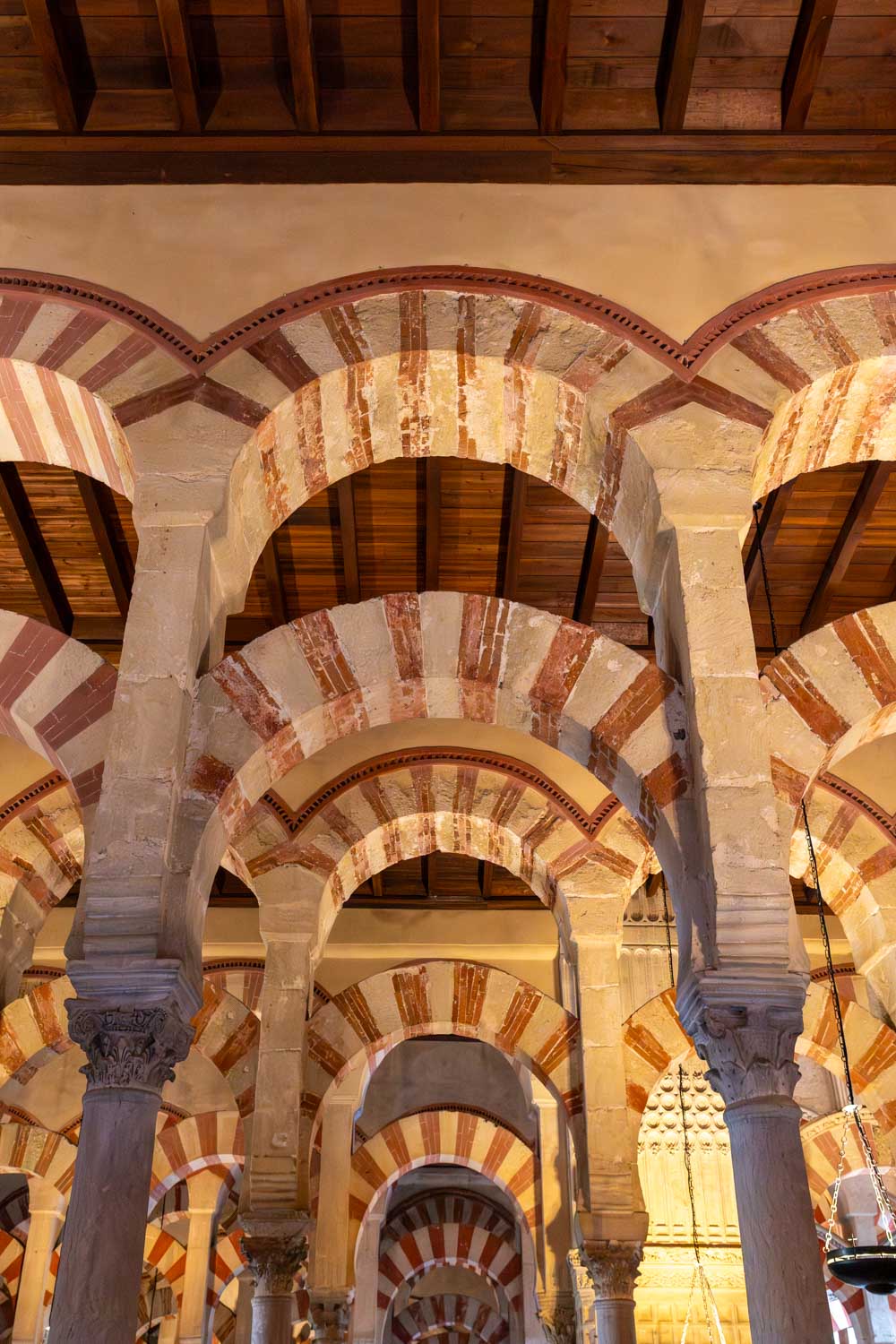
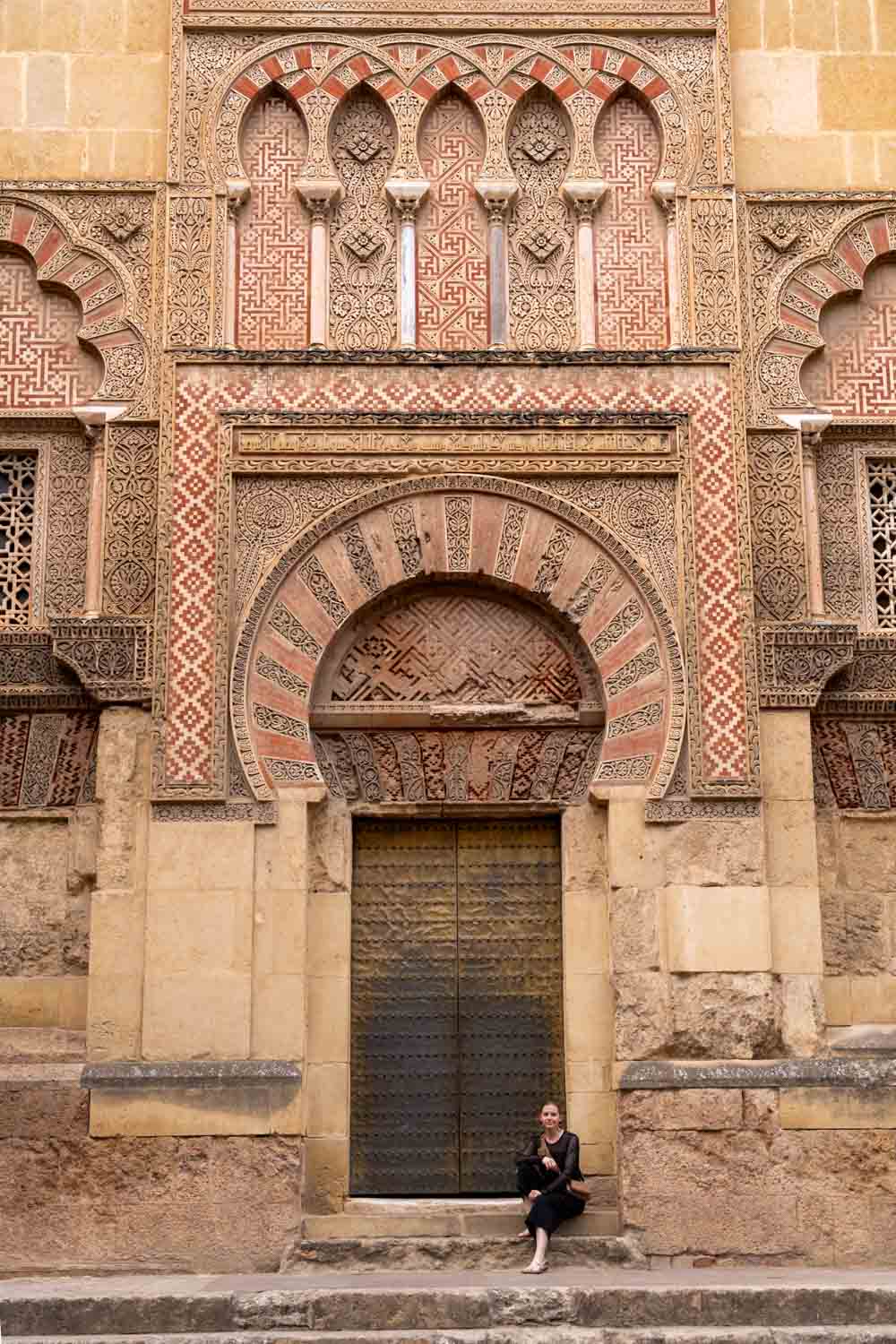
Just 45-minutes by train, Córdoba is home to the mesmerising Mezquita, one of the world’s most extraordinary religious buildings. Wander the old Jewish Quarter and enjoy a bowl of salmorejo for lunch.
Jerez de la Frontera
An easy 1-hour high-speed train ride reveals sherry bodegas, Andalusian horses and flamenco heritage. Perfect for a tasting afternoon.
Seville itinerary
One day in Seville itinerary
If you only have one day in Seville, start with a walking tour, followed by Plaza España. Replenish with lunch in Barrio Santa Cruz, then escape the heat with a visit to the Alcázar. After the sun goes down, enjoy an evening flamenco show and dinner.
Two days in Seville
Start with the day one itinerary above. Begin day two in Seville with a riverfront walk and explore more of Barrio Santa Cruz including the Catheral. As the day heats up, visit the Museum of Fine Arts. Then head over the bridge to Triana for an evening meal and entertainment.
Three days in Seville
A 3-day itinerary Seville, Spain gives plenty of breathing room. Start with the two-day Seville itinerary above. Spend your third day digging deeper into the various neighbourhoods, shopping local markets, exploring smaller museums and taking a flamenco class.
Four days in Seville
Day four in Seville is a good opportunity for a day trip to see more of Andalucia’s magic.
Travel tips for Seville
- Please, please, please don’t be my husband and book major attractions—like the Alcázar—in advance.
- As in all of Spain, dinner is late. Expect many restaurants to open around 8:00–9:00pm.
- Siesta hours vary, and some shops close mid-afternoon.
- Wear comfortable shoes for the cobblestones.
- Carry cash for small tapas bars.
- Arrive early to flamenco shows for good seats.
- Structure your itinerary to avoid the heat of the day, especially in summer.
- Sundays can be quiet; plan accordingly.
From the soaring spires of its cathedral to the golden light that spills across the Guadalquivir River at sunset, Seville will charm the pants off you. It’s vibrant without being rushed, traditional yet creative, and deeply proud of its heritage. Whether you’re here for the tapas, the stories, the festivals or simply to wander aimlessly, Seville is a city that offers boundless rewards to the true cultural traveller.
Peace, love & inspiring travels,
Madam ZoZo
Pin for later…