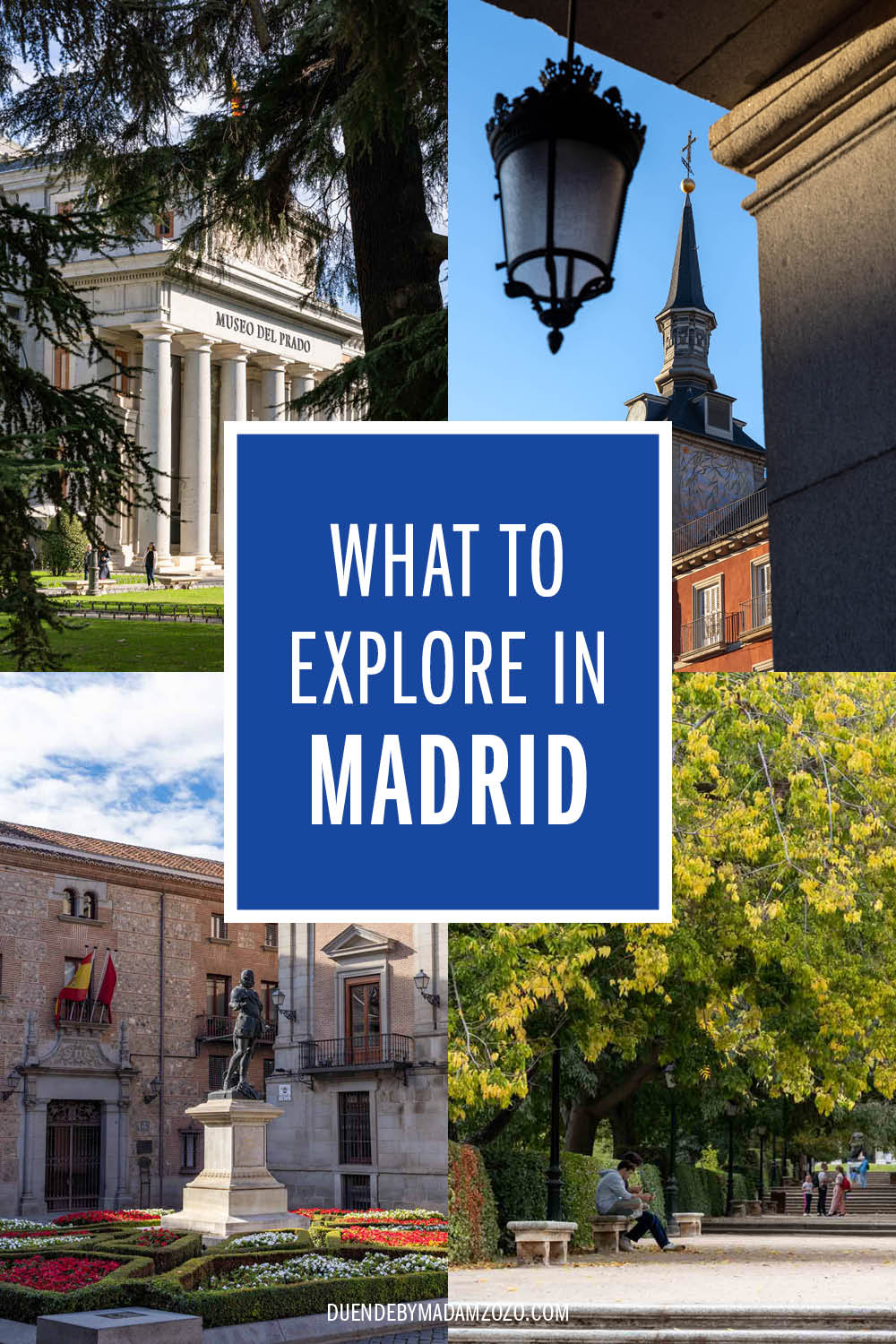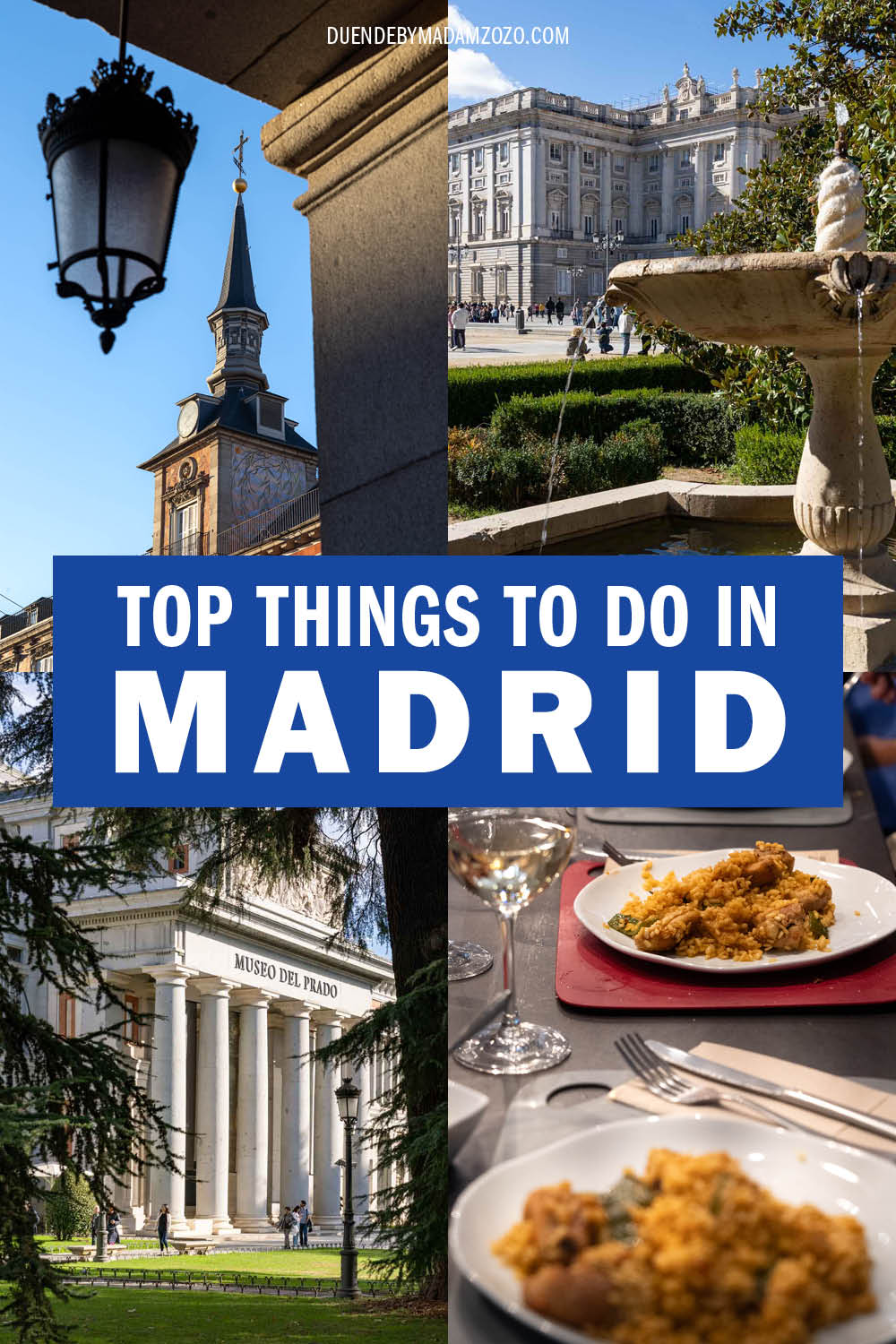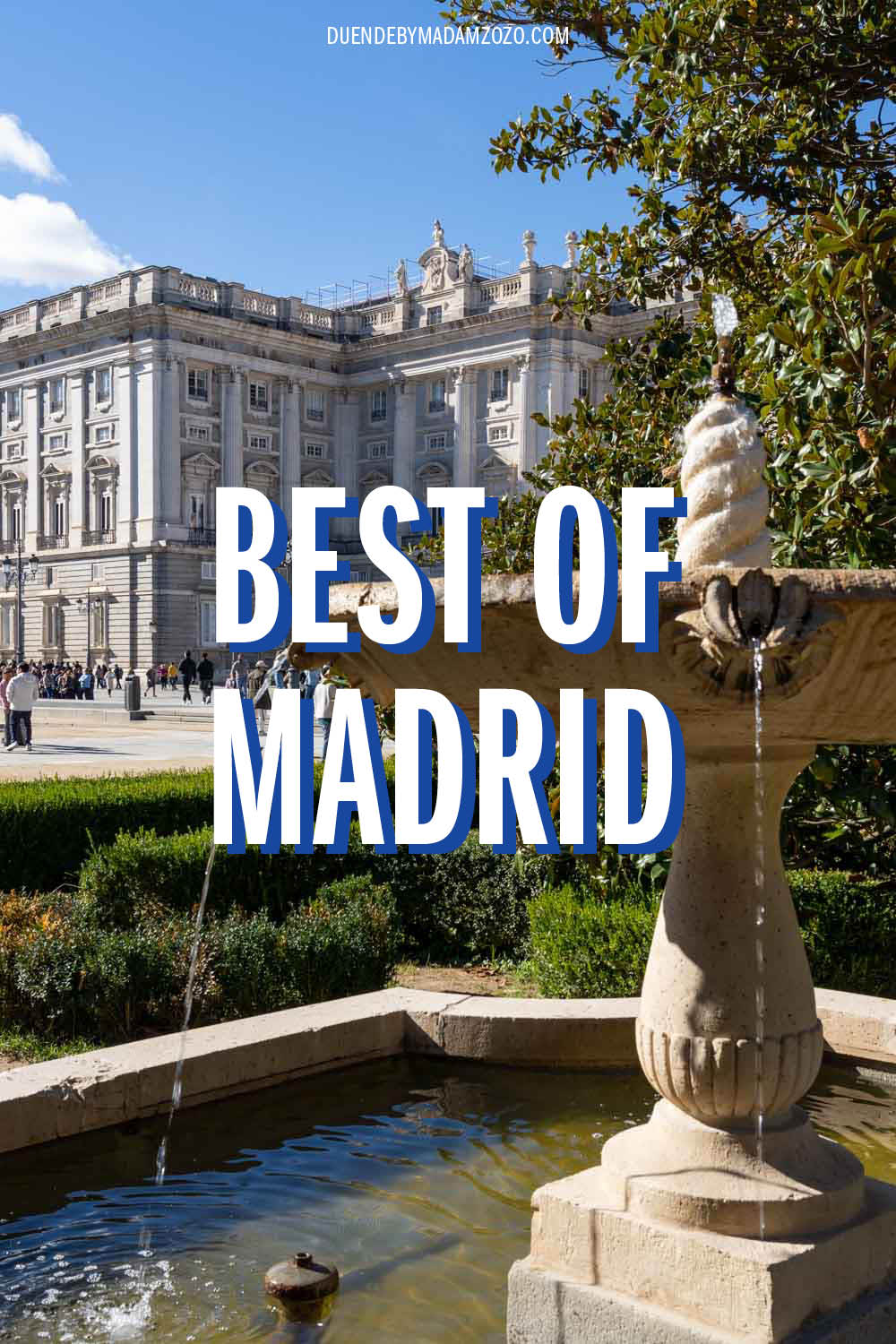
Madrid pulls together all corners of Spain and knots them into one destination. It’s elegant but unpretentious, regal yet warm, and filled with layers of history waiting to be peeled back one leisurely stroll at a time. If you’re planning a Spanish getaway and wondering what to do in Madrid, you’re in for a cosmopolitan mix of world-class museums, royal palaces, sprawling green spaces and late-night culinary adventures.
Disclosure: I may earn compensation from the purchase of any product or service linked on this website, at no extra cost to you. I only link to products I use and love, therefore feel comfortable recommending.
Is Madrid worth visiting?
When travellers ask is Madrid worth visiting, the answer lies in the city’s rich history, dazzling architecture, top-notch art museums and culinary offering. Madrid started out as Majriṭ, meaning ‘land rich in water’, for the many natural springs in the area. Initially it was a Moorish citadel where troops were kept on standby for checking the rebellious residents of nearby Toledo. Christians conquered the city in the 1080s. Their arrows striking the city walls, made of flint, would create sparks. Hence Madrid got its tagline:
“I was built on water, my walls are made of fire.”
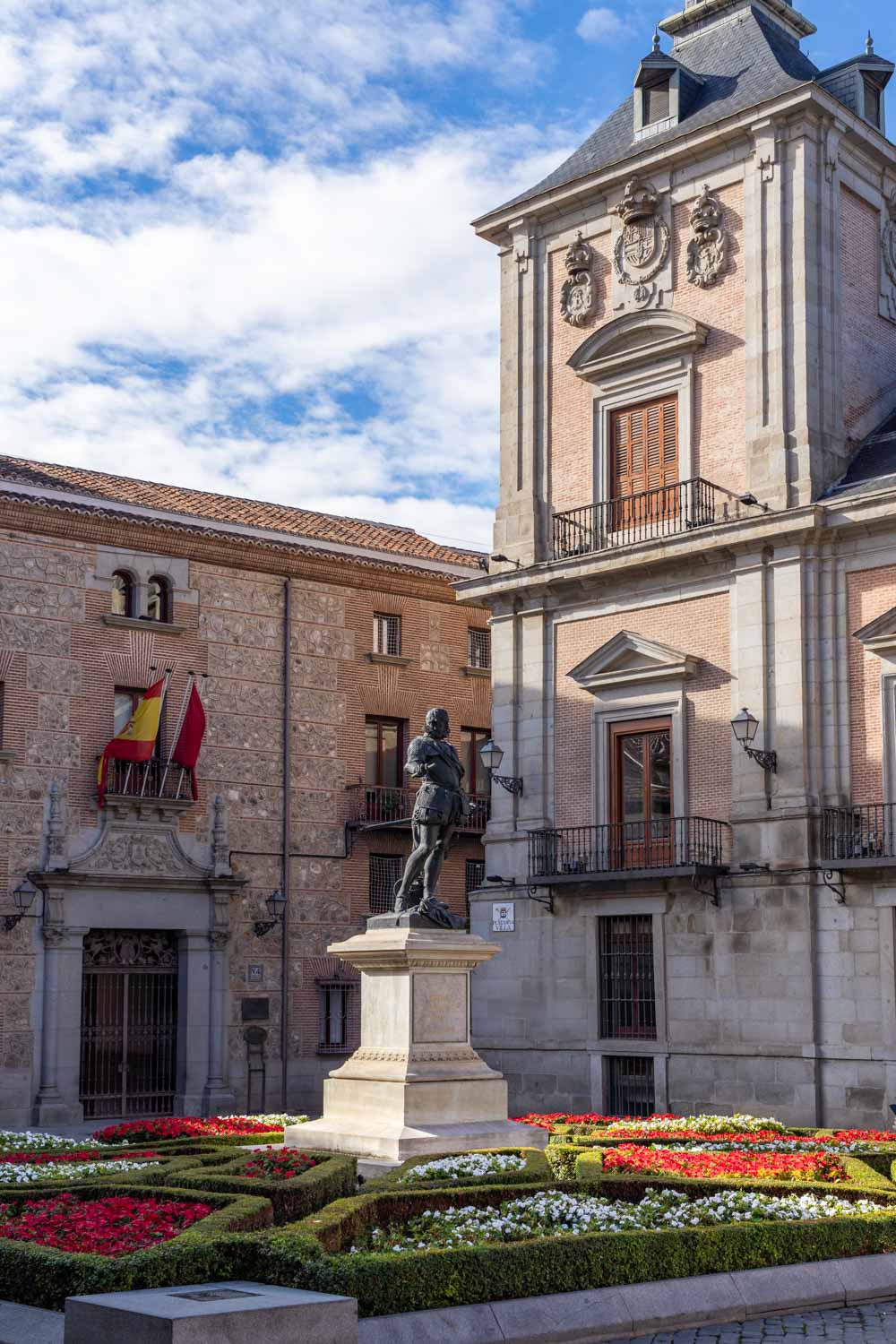
Between then and now, the city has undergone various ebbs and flows, and bears the markings of various ruling dynasties including Hapsburgs, Bourbons and Bonapartes. Visitors come for blockbuster museums, majestic boulevards and monumental squares, but stay for the warmth of Madrid’s neighbourhoods, its fabulous food and fashionable edge.
Best time to visit Madrid
Madrid is a year-round destination with distinct seasonal personalities. Spring (March–May) is one of the best times to visit—days are mild, blossoms fill the parks and outdoor dining kicks into full swing. Autumn (September–November) mirrors this with warm days, cool evenings and the city awash in fall colour.
Summer brings sunshine in spades but also high temperatures, especially in July and August (ranging 18-33°C/64-92°F), along with the year’s busiest tourist period. Prices rise, and queues lengthen at popular attractions. Winter is cool but rarely bitterly cold (ranging 0-10°C/33-50°F), offering quieter streets, Christmas lights and lower accommodation rates.
Local festivals—like San Isidro in May or Madrid Pride in late June—can influence crowds and pricing. For comfortable weather, manageable crowds and excellent value, the best time to visit Madrid is late spring or early autumn.
How long to spend in Madrid
For most, the answer to how many days in Madrid feels sits around three or four—but even two days will give you a wonderful snapshot of Spain’s capital. With more time, you can dive deeper into the neighbourhoods, museums and nearby day trips.
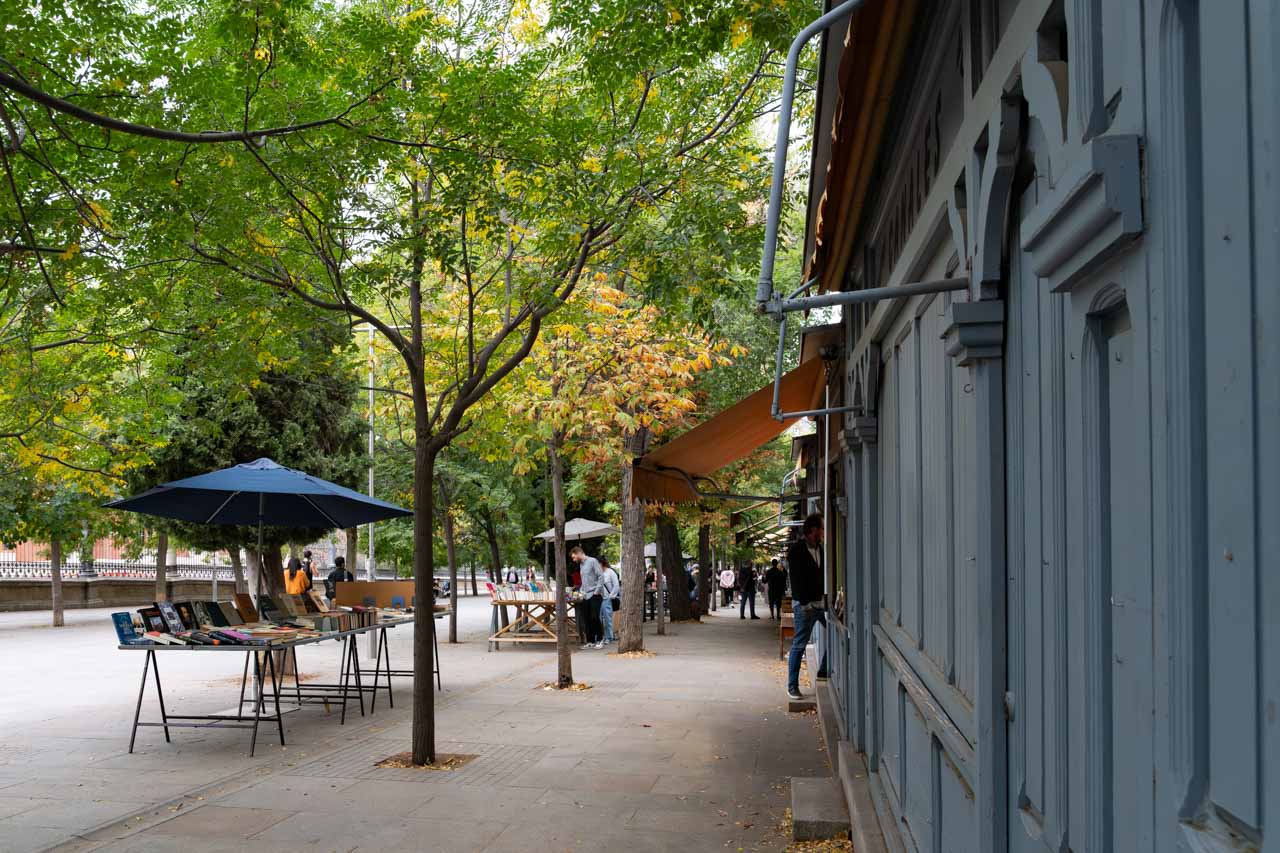
Getting to Madrid
Madrid is one of Europe’s most accessible hubs, making arrival refreshingly straightforward. Most international visitors fly into Adolfo Suárez Madrid–Barajas Airport (MAD), a major global gateway located just 25-minutes from the city centre via taxi, rideshare or metro. With four terminals and excellent connections, it’s by far the most efficient entry point.
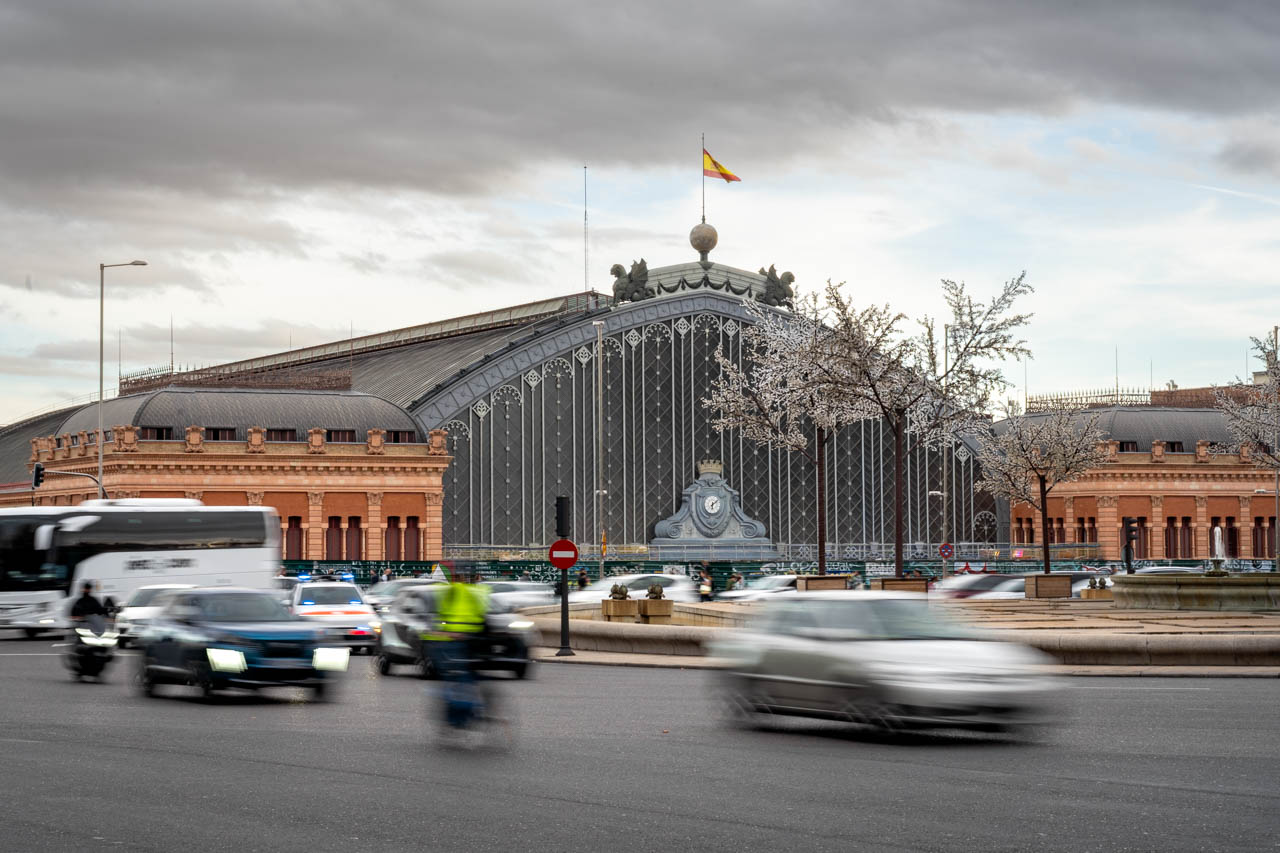
Travelling within Europe? High-speed rail is a brilliant alternative. Madrid’s Atocha station connect major cities such as Barcelona, Valencia, Seville and Málaga via AVE services. Train travel is comfortable, reliable and scenic, often delivering you directly into the heart of the city with no need for airport transfers.
Navigating Madrid
Getting around Madrid is exceptionally easy thanks to its safe, extensive and user-friendly public transport network. The metro is fast, clean and efficient, linking every major neighbourhood and attraction. Buses fill in the gaps, while suburban trains (Cercanías) are ideal for trips to stations slightly further out.
Taxis and rideshare services such as Uber, FreeNow and Cabify are plentiful and regulated, offering reliable transport day and night.
Driving, however, is not recommended. Between narrow streets, limited parking and low-emission zones, renting a vehicle often becomes more hassle than it’s worth. Madrid rewards walkers—its centre is compact, beautifully pedestrian-friendly and a joy to explore at street level.
Where to stay in Madrid
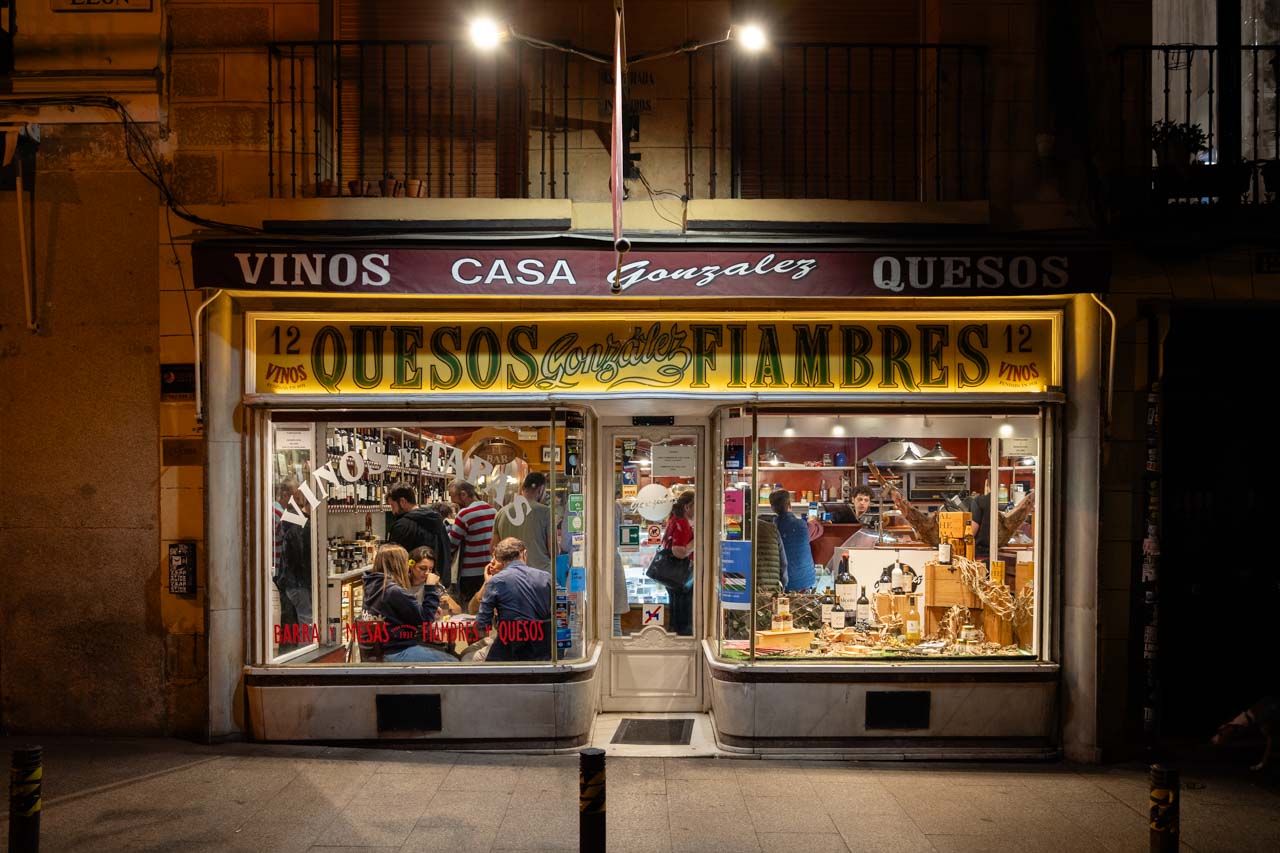
For first-time visitors, aim to stay central for maximum walkability and effortless access to restaurants, bars and major attractions. In general, hotels are expensive. A mid-range hotel in Madrid cost us more than in any other city we visited in Spain (about €300/night including taxes and fees), and the quality was a lot lower. Budget accordingly.
Sol & Gran Vía
Right in the heart of the action, these neighbourhoods offer shopping, dining and fast metro connections. Expect mid- to high-range hotels and buzzy streets well into the night. We stayed in this area and walked everywhere we went aside from the airport.
Barrio de las Letras (Literary Quarter)
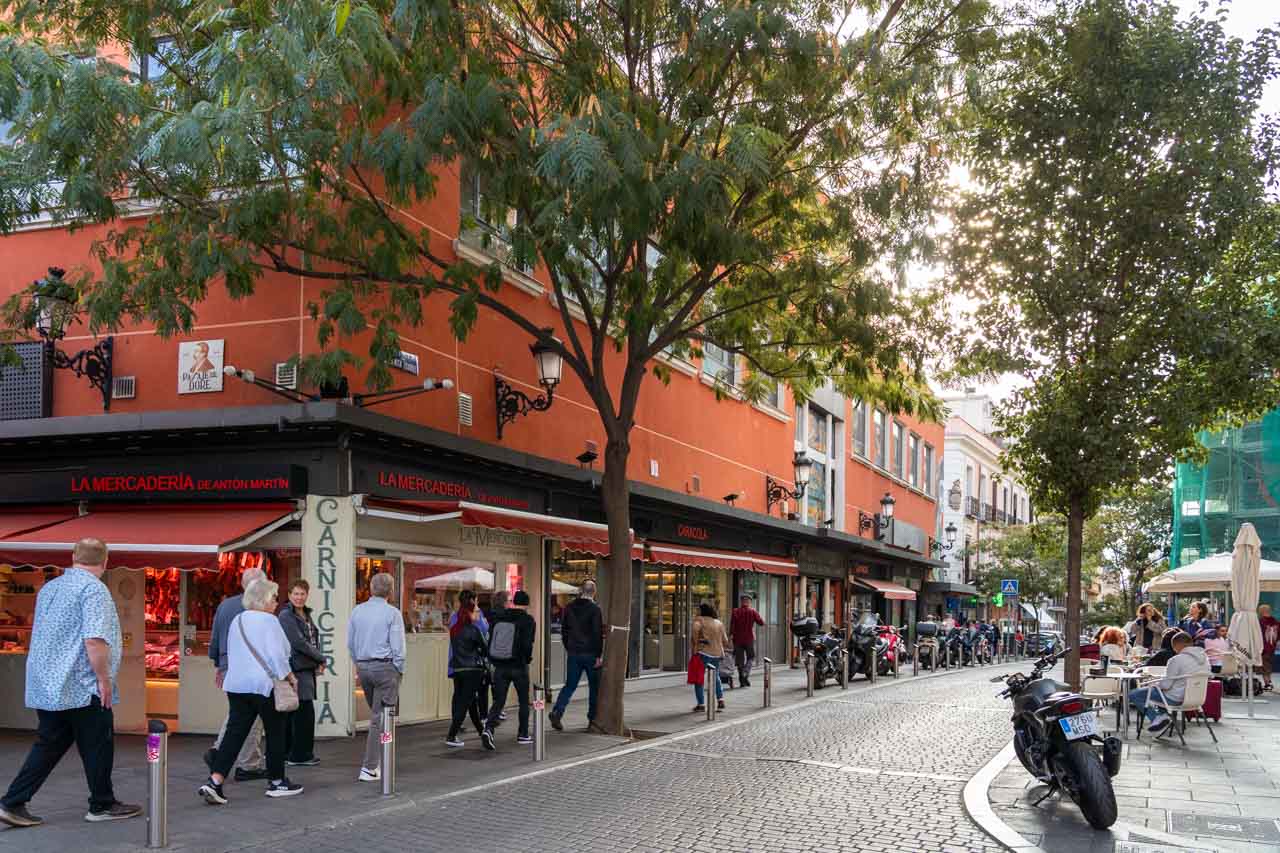
A gorgeous, historic neighbourhood filled with cafés, boutiques and cobblestones. Close to Madrid’s famous Art Triangle, this is perfect for culture lovers. This was my favourite neighbourhood!
Salamanca
Upscale, elegant and leafy. Excellent high-end accommodation and designer boutiques, plus wide, peaceful streets.
La Latina
Ideal for foodies and night owls—this lively district is packed with tapas bars, Sunday markets and beautiful old architecture.
Travel tips for Madrid
Book timed-entry tickets to major museums and the Royal Palace—queues can be long, especially in summer.
Eat late. Dinner starts around 9pm; restaurants may be quiet or even closed before then.
Carry a reusable water bottle—public fountains are safe to drink from.
Watch your belongings in busy areas such as Sol and El Rastro market.
Learn a few Spanish phrases, which go a long way in local neighbourhoods.
Wear flat, comfy shoes—Madrid’s old streets and parks are wonderfully walkable.
Plan for Sundays—many shops close or operate on reduced hours.
Use the metro for quick cross-city trips; it’s fast, affordable and intuitive.
Things to do in Madrid
1. The Prado Museum
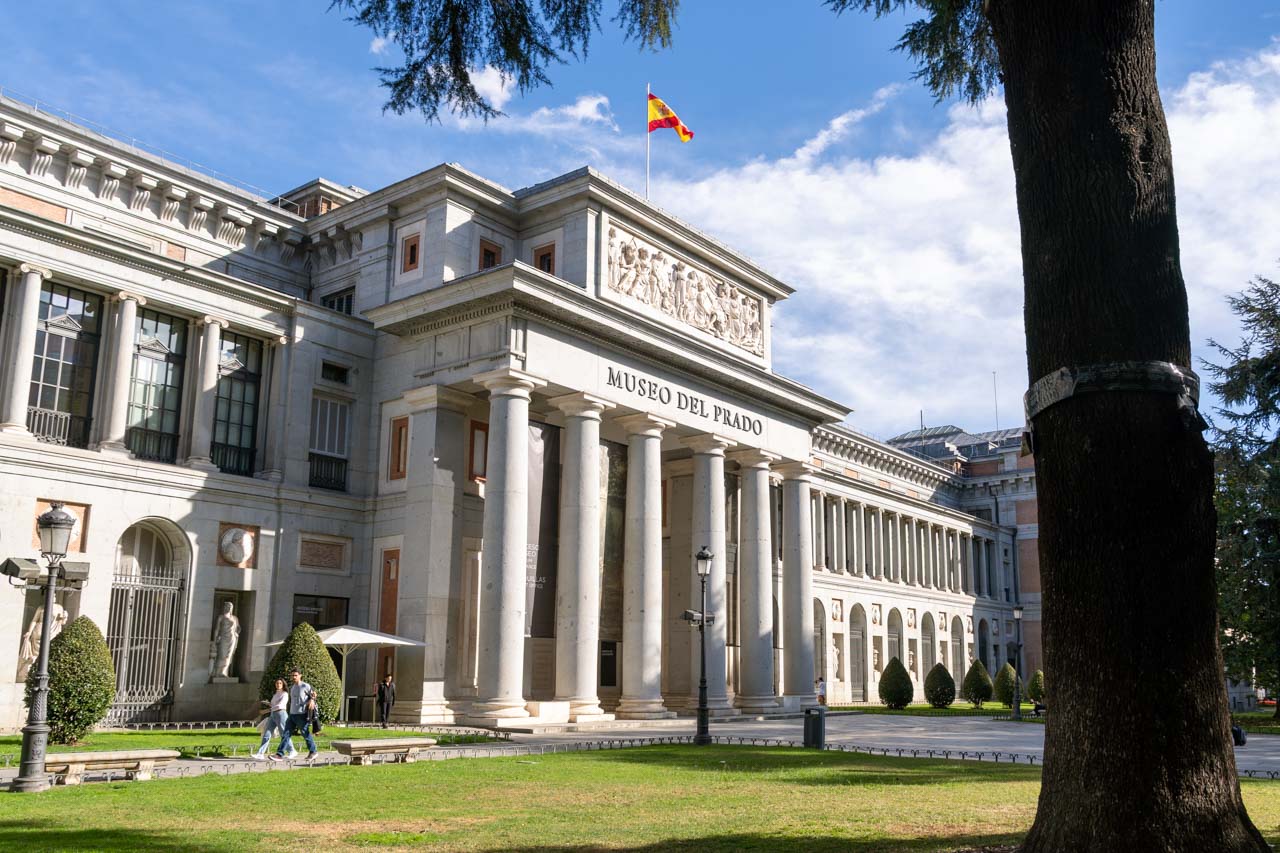
Museo Del Prado, in Spanish, is one of the world’s premier art museums, the Prado houses masterpieces by Goya, Velázquez, Bosch and Titian. It’s a deep dive into European art spanning centuries, all presented in a grand neoclassical building. Don’t miss Velázquez’s Las Meninas, often considered one of the greatest paintings in Western history. Arrive early or book ahead—this is Madrid’s crown jewel.
Tip: Unlike Reina Sofia, no photography is permitted in The Prado, and it generally makes for a way better experience for everyone.
2. Royal Palace of Madrid
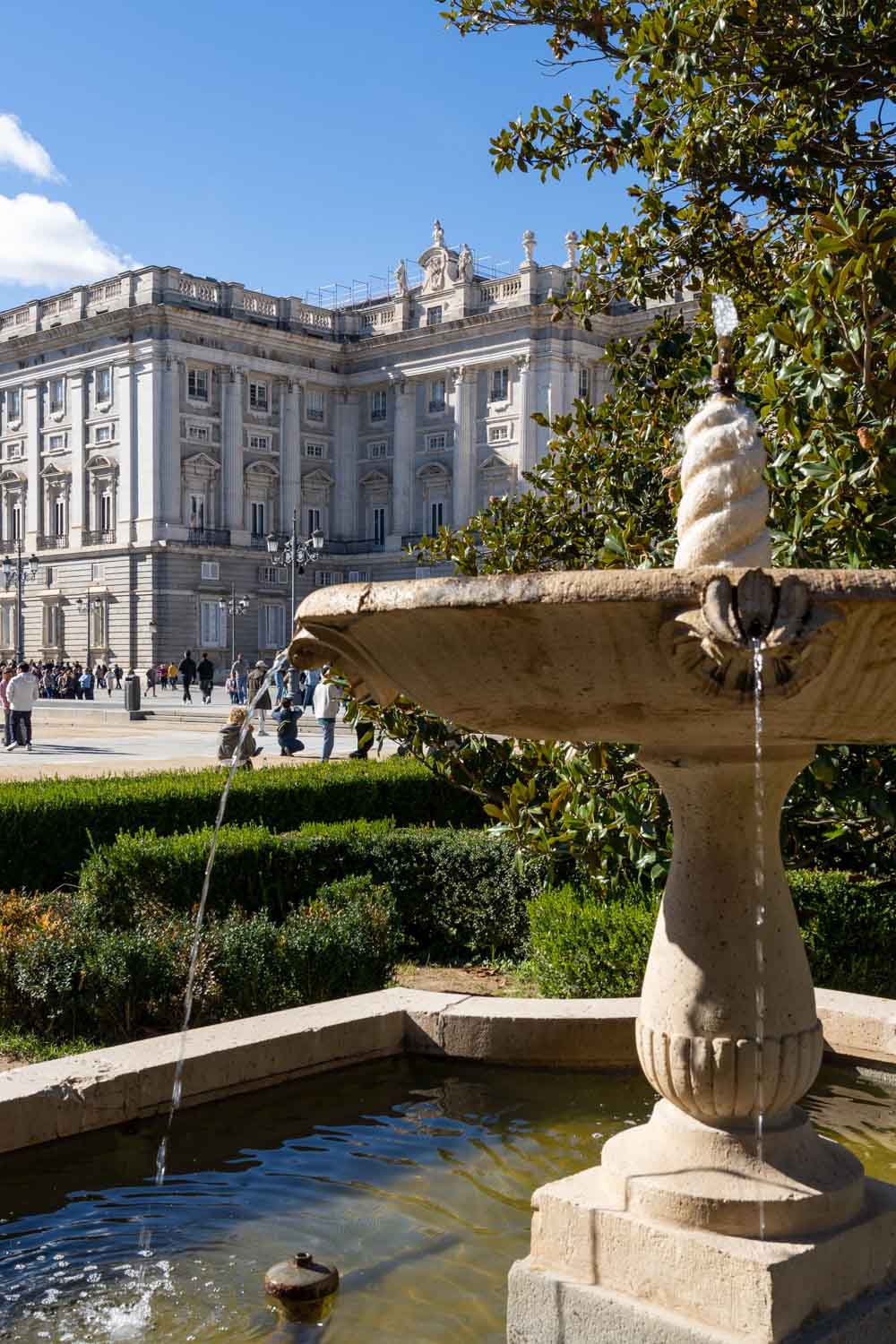
Europe’s largest functioning royal palace boasts more than 3,400 rooms, each dripping with opulence. Visit the Throne Room, Hall of Mirrors and Royal Armoury to understand Spain’s regal legacy. It’s a fascinating window into Madrid’s political and cultural history. We ran out of time to go inside, and regretted not making time in our itinerary.
3. Retiro Park
Once the private gardens of Spanish royalty, Retiro is now the green heart of Madrid. Wander its manicured lawns, row across the boating lake or visit the stunning Crystal Palace, an iconic glass pavilion that glitters in the afternoon sun. Entry is free.
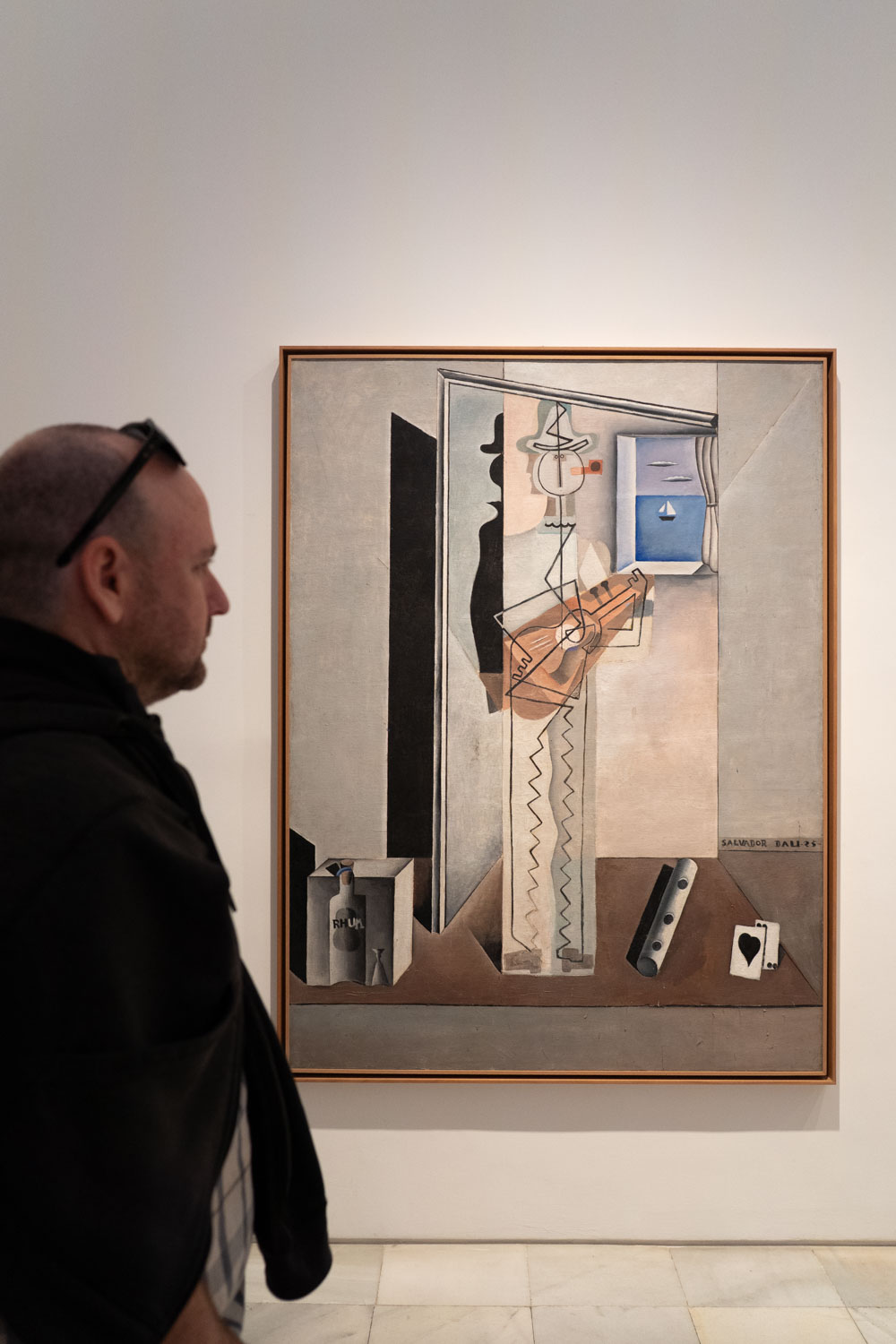
4. Reina Sofía Museum
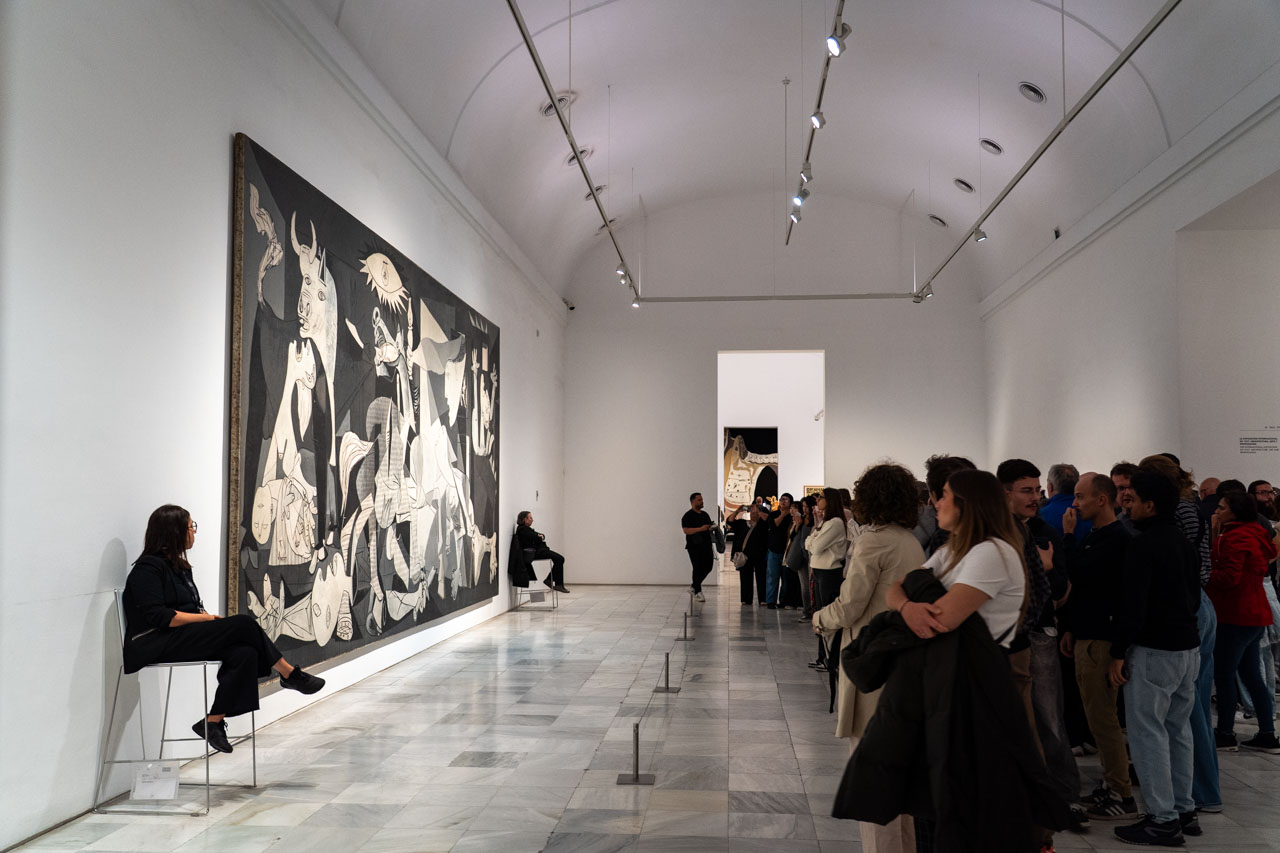
Home to Picasso’s Guernica, this museum explores Spain’s modern identity through powerful contemporary works. The collection spans sculpture, photography, film and political art, making it a must-visit for deeper cultural context.
Tip: Museo Reina Sofia hosts weekly free admission hours in the evenings, but they tend to be crowded.
5. Puerta del Sol & Plaza Mayor
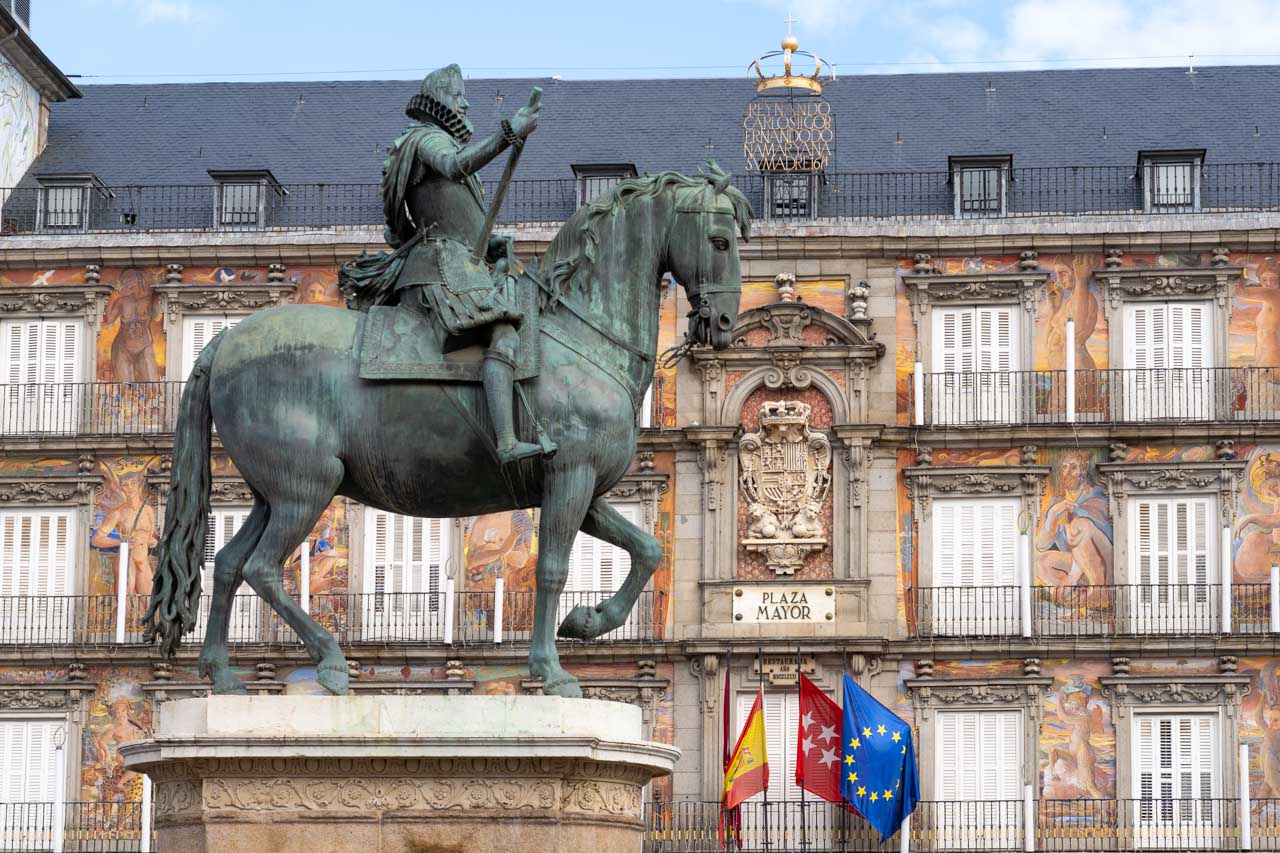
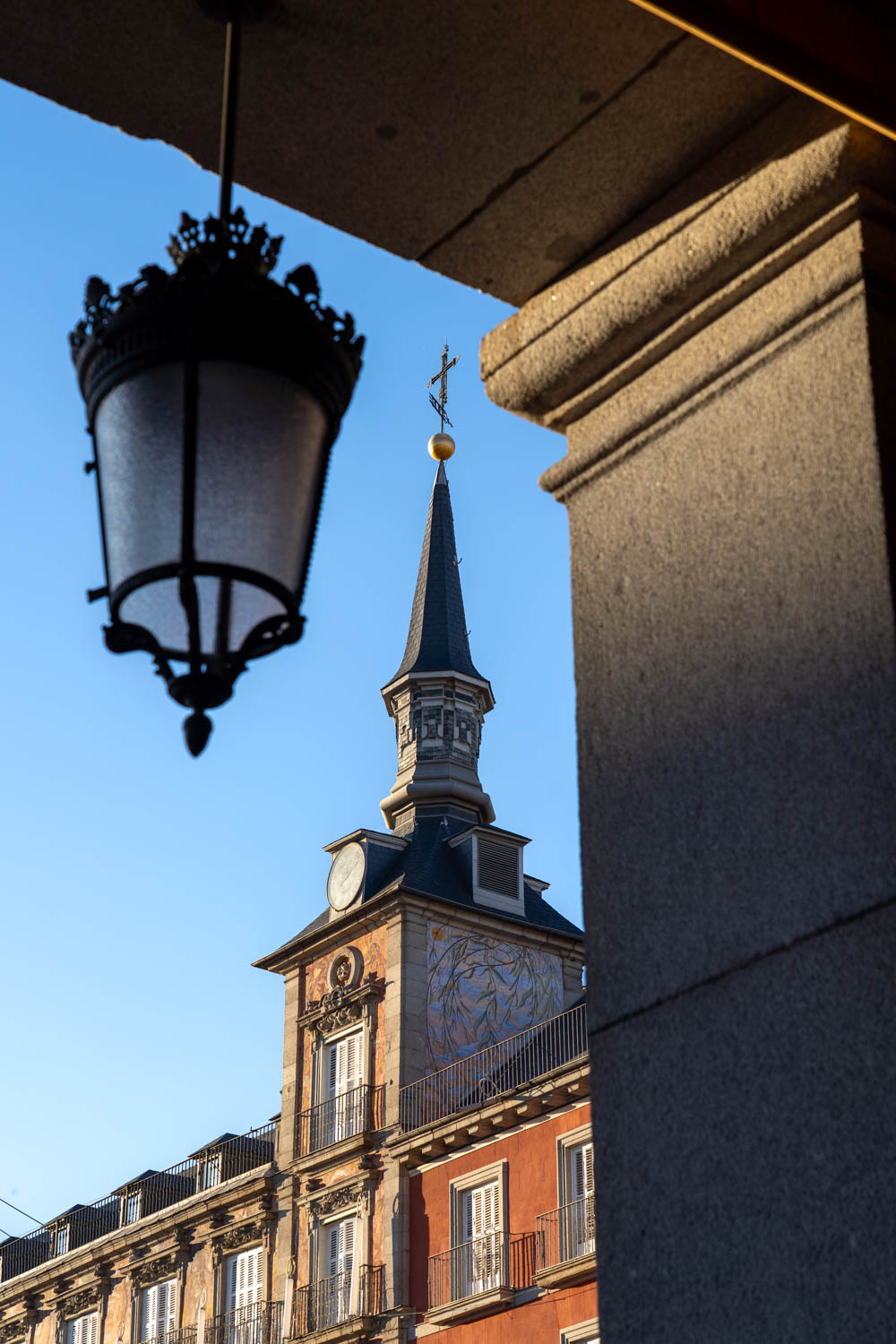
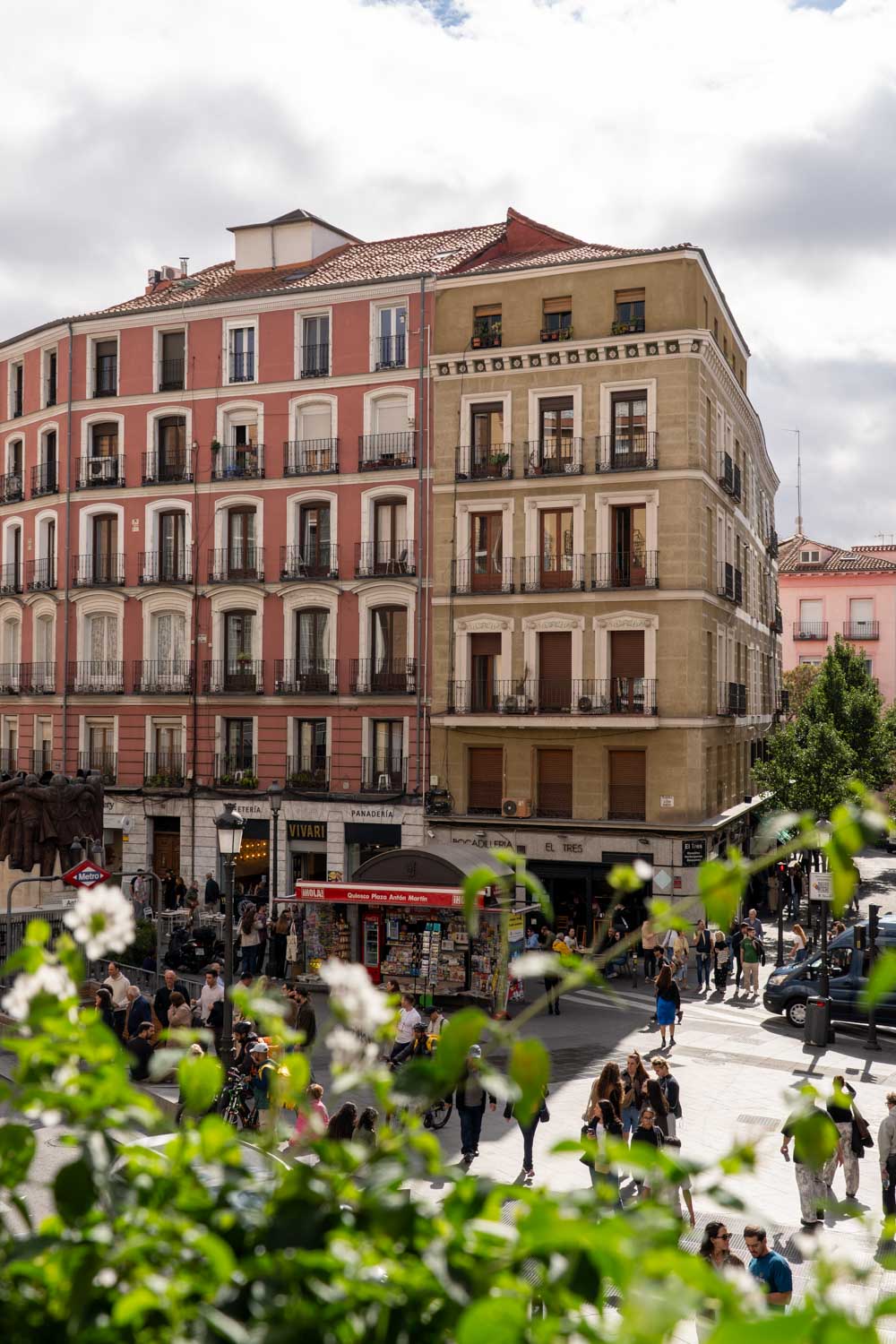
These historic squares are the beating heart of Madrid. Sol marks Kilometre Zero, the starting point for all major Spanish roads, while Plaza Mayor dazzles with arcaded buildings and café-lined terraces. It’s classic Madrid at its most atmospheric.
Tip: A walking tour is a great way to get your bearings and learn the history as you experience the city.
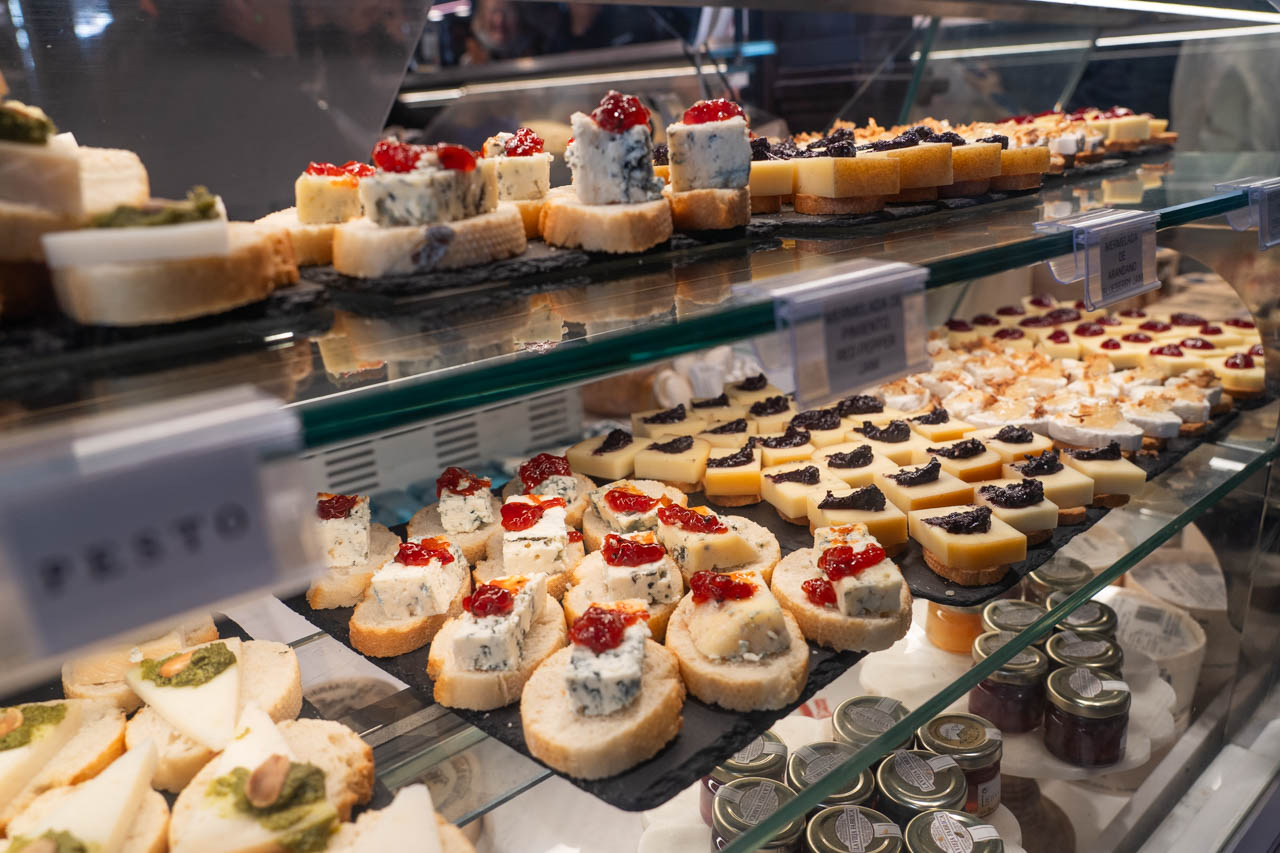
6. Mercado de San Miguel
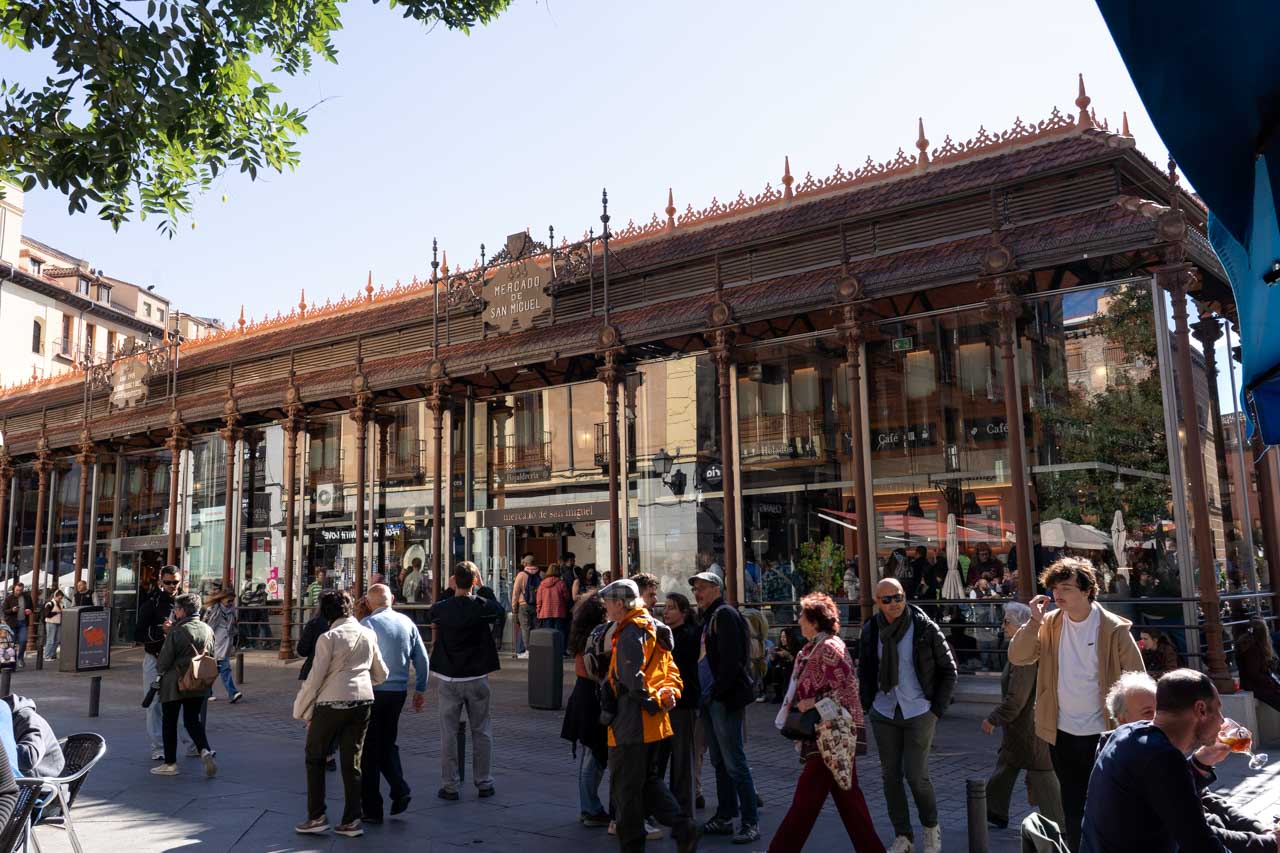
This gourmet market is a feast for the senses—fresh seafood, jamón, pastries and wine, all under one beautiful iron-and-glass roof. Visit at lunchtime or early evening for the best buzz. Note, this market offers more pre-prepared food to enjoy upon purchase, rather than a local, fresh food shopping experience.
7. Gran Vía
Madrid’s answer to Broadway or Champs-Élysées, this grand boulevard is lined with theatres, shops and striking 20th-century architecture. Head up to one of the rooftop bars for sunset views over the skyline.
8. Santiago Bernabéu Stadium
Home of Real Madrid, this stadium tour is essential for football fans. Visit the locker rooms, dugouts (except on match days) and explore the museum dedicated to one of the world’s most decorated clubs.
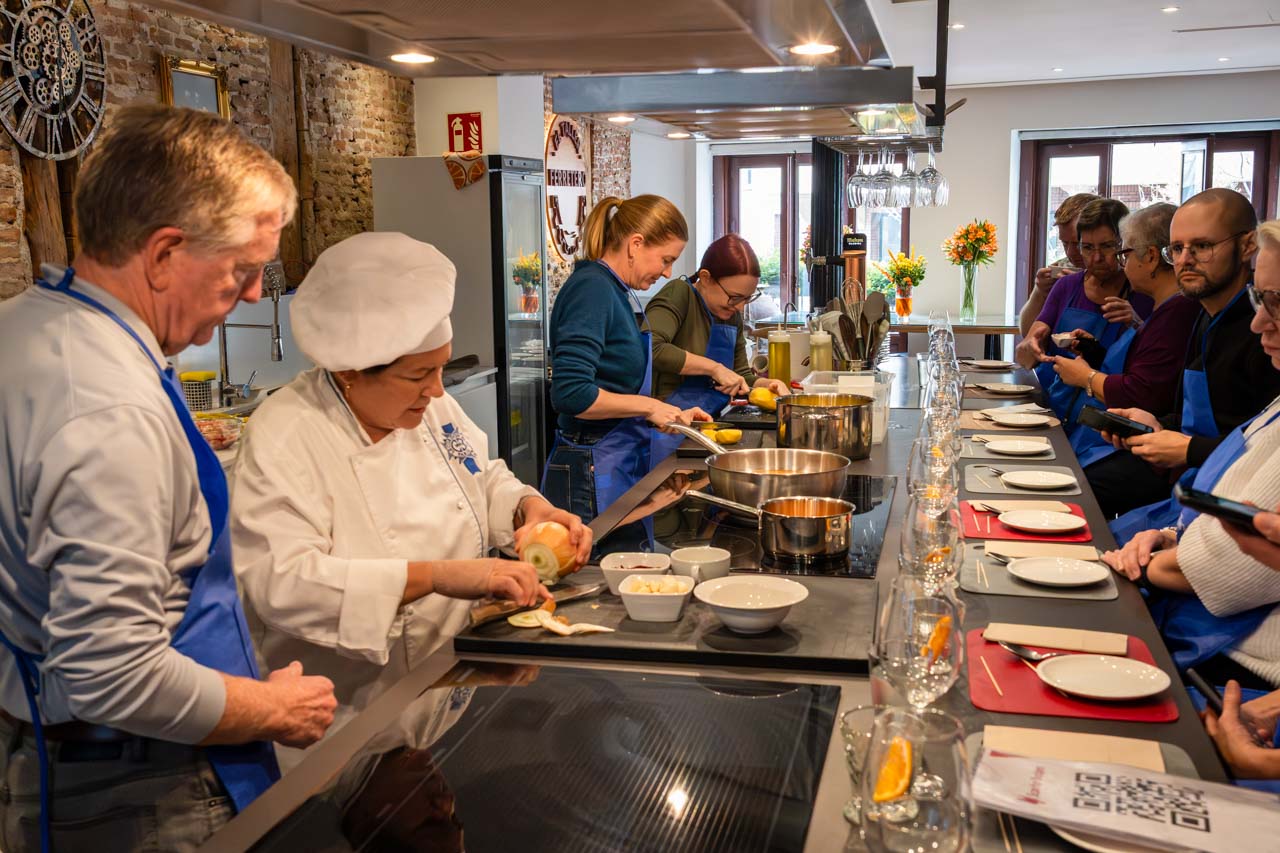
9. Enjoy a cooking class
There’s no better way to learn about the history and culture of a destination than through its food, IMHO. Get hands on in the kitchen and indulge in the spoils with Devour Food Tours (founded in Madrid). Learn how to shop a Spanish market like a local, then make some delicious tapas, finishing with Spain’s national dish, paella!

Day trips from Madrid
1. Toledo
Just 35-minutes by train, Toledo is a medieval masterpiece perched on a hill overlooking the Tagus River. Known as the “City of Three Cultures”, it blends Christian, Muslim and Jewish heritage. Explore the cathedral, Alcázar and maze-like lanes before sampling local marzipan.
2. Segovia
A 30-minute AVE ride whisks you to Segovia’s astonishing Roman aqueduct, fairytale Alcázar and elegant Gothic cathedral. Enjoy cochinillo (roast suckling pig), a local specialty.
3. Ávila
About 1-hour drive from Madrid, Ávila is famed for its immaculate medieval walls and 80+ towers. Wander the ramparts, admire Romanesque churches and soak in the city’s peaceful atmosphere.
4. El Escorial
This grand monastery and palace complex lies about 45-minutes away. Rich in Spanish history, it’s home to royal tombs, libraries and art collections. A must for history lovers.

Madrid itineraries
One day in Madrid
If you’ve only got one day in Madrid, start early in Retiro Park with a coffee and gentle wander. Continue to the Prado Museum for two hours of artistic highlights, then stroll to Barrio de las Letras for lunch. In the afternoon, take a walking tour to learn some history and see key sights. Your one day in Madrid itinerary ends with sunset on a rooftop overlooking Gran Vía.
Two days in Madrid
With two days in Madrid, follow the one-day plan above, then spend your second morning at the Reina Sofía Museum to see Guernica. Enjoy a leisurely lunch in Lavapiés before exploring the vibrant Gran Vía area.
Three days in Madrid
Planning three days in Madrid? Sign up for a food tour or cooking class – they will not leave you hungry! In the afternoon, tour the Royal Palace.
Four days in Madrid
Spend your first three-days following the suggestions above. On day four, head out on a memorable day trip—Toledo and Segovia are the most popular choices. Return to Madrid for a final evening of tapas and wine.
Madrid grows on you, the longer you stay and explore. From neighbourhood strolls to royal grandeur, the stylish capital invites you deeper into Spanish history—one plaza, one plate and one unforgettable moment at a time.
Peace, love & inspiring travel,
Madam ZoZo
Pin this for later…