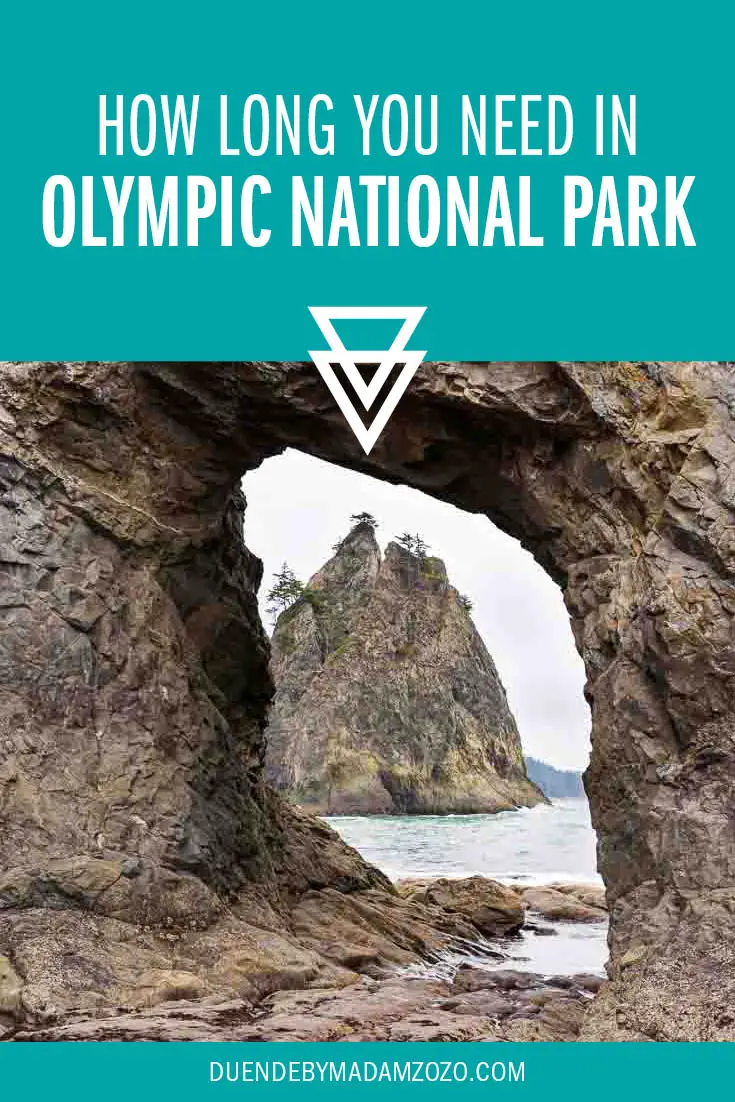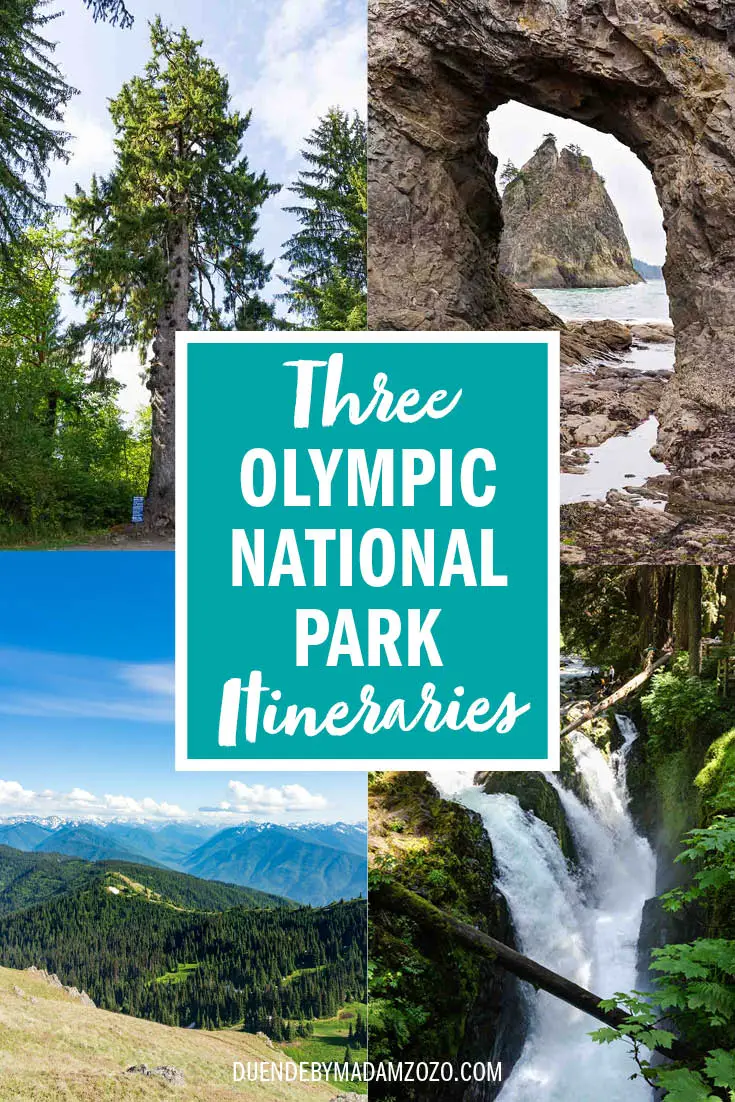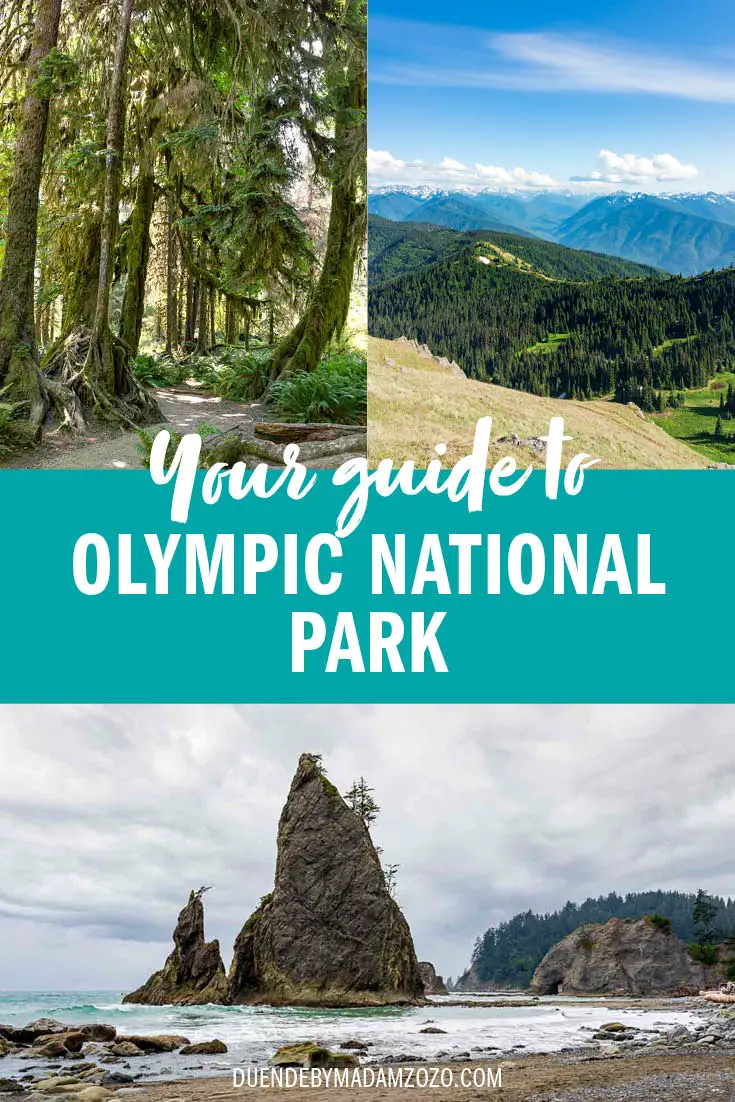

Olympic National Park, is a precious emerald of the Pacific Northwest. With its rugged coastline, lush rainforests, and stunning mountain ranges, it’s no wonder that this National Park is consistently one of the United States’ top ten most visited. But with so much to see and do, it can be hard to know where to start experiencing all that Olympic National Park has to offer. In this article, we’ll explore the highlights of the Park and help you determine just how much time you need to explore. Plus 1-4 day Olympic National Park itineraries to get you started!
What to expect when visiting Olympic National Park
Olympic National Park is a vast and diverse, covering forty-percent of the Olympic Peninsula. Whether you’re looking to hike through old-growth forests, explore rugged coastlines, or climb snow-capped peaks, you’ll find it all here. The park is divided into three distinct regions: the Pacific coastline, the temperate rainforest, and the alpine wilderness. Each region offers its unique set of experiences and natural wonders.
The Pacific coastline is one of the most popular destinations in the park, with its driftwood-strewn beaches, tide pools, and rocky sea stacks. The temperate rainforest is home to some of the largest trees in the world, including the iconic Sitka spruce, coastal redwoods and western red cedar. While the alpine wilderness offers breathtaking views of snow-capped peaks, glaciers, and mountain lakes.
No matter which region you choose to explore, you’ll have a chance to spot wildlife, including elk, black bears, mountain goats, and bald eagles. And with over 218-km (135-mi) of hiking trails, there’s no shortage of ways to immerse yourself in the Park’s natural beauty.
Where is Olympic National Park?
Olympic National Park is located in the west of Washington State, on the Olympic Peninsula—a wide piece of land that peels away from the mainland, surrounded on three sides by the waters of Puget Sound, Salish Sea and the Pacific Ocean.
How to get to Olympic National Park?
The nearest major airport to Olympic National Park is Seattle-Tacoma International Airport. From there you can drive to the Olympic Peninsula through the cities of Tacoma and Olympia.
Alternatively, you can jump on one of various ferries: Seattle-Bainbridge, Seattle-Bremerton or Edmonds-Kingston and sail strait across Puget Sound. Taking the ferry may or may not be a shortcut depending on ferry queues. In peak periods, lines for the ferry can be as long as it would take to drive the entire way around, so book in advance or keep an eye on wait times via the Washington State Department of Transportations (WSDOT) website and/or Washington State Ferries Twitter.
Canadian visitors can take the Coho Ferry from Victoria, BC to Port Angeles.
Navigating Olympic National Park
The Park is skirted by a loop road—Hwy 101 – which connects various Olympic National Park entrances and access points. There is no road across the centre of the Park, so getting around takes additional time.
How many days in Olympic National Park?
If you want to cover the three key ecosystems encompassed by Olympic National Park—glaciated mountains, rugged coastline and temperate rainforest—then you should allow an minimum of 2-days in the Park itself. You may need to allow additional travel days on either side of your time in the Park, depending on your point of origin.
Note, there’s more to the Olympic Peninsula than the National Park. Much more! Check out the top Olympic Peninsula attractions here, with a 4-day itinerary taking in highlights inside and outside the National Park.
What is the best time to visit Olympic National Park?
Olympic National Park is open year-round but the best time to visit is late-Spring through Autumn (May-October).
- Winter is characterized by high levels of snowfall in the mountains and rain in the temperate forests. Some of the roads, campgrounds and trails will be closed October through to May.
- Summer is the warmest and driest, but also the busiest tourist season. The limited accommodation becomes expensive and books up well in advance. There may be long queues to enter some parts of the National Park such as the Hoh Rainforest.
- Spring weather can be unpredictable and still quite rainy until late in the season. The upside is fewer visitors, gushing waterfalls and active wildlife.
- Autumn too is wet and temperatures drop-off steeply in mountain areas. The rain is worth enduring for autumn colours in October.


Things to do in Olympic National Park
Here are some top sights and experiences in and around the National Park that you might work into your itinerary. While the National Park will take up most of your time, there are other sights and activities on the Peninsula you won’t want to miss.
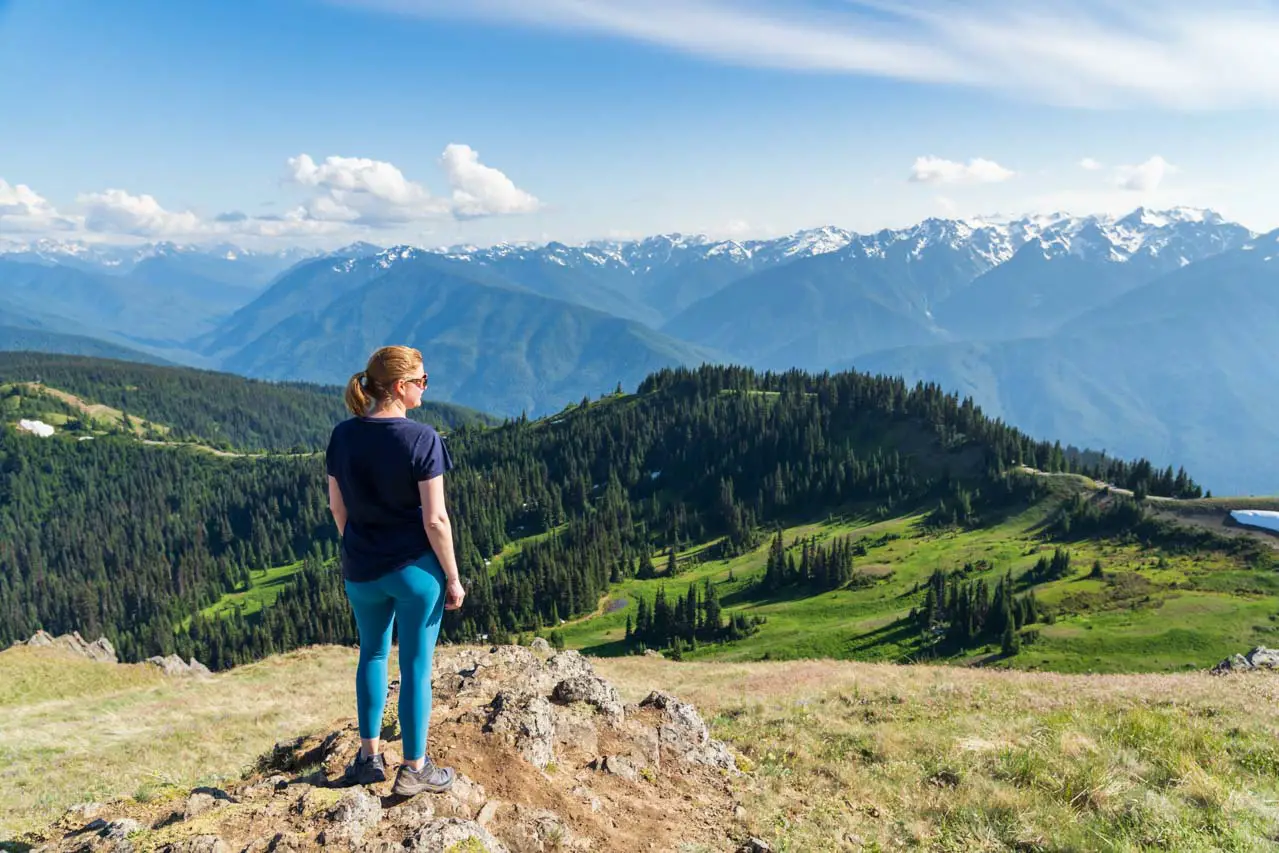
See blockbuster mountain vistas from Hurricane Ridge
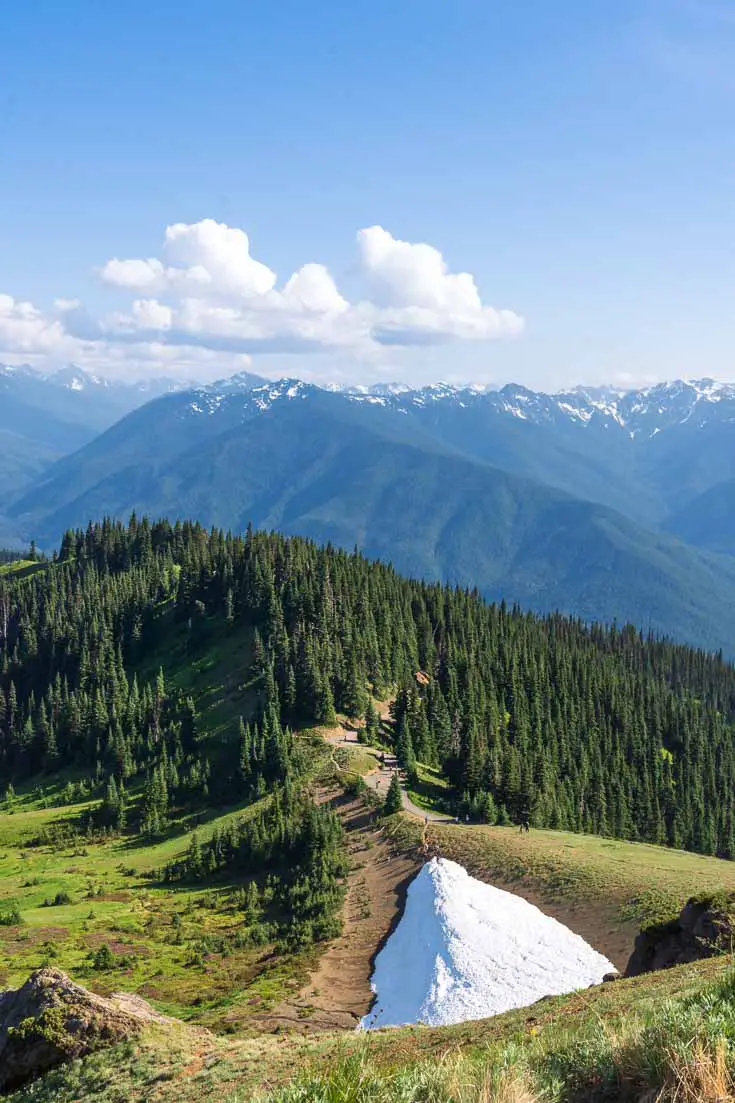
Get closer to heaven on Hurricane Ridge where you’ll have spectacular views of the Olympic Mountain peaks. Visit the Hurricane Ridge Visitor Center and/or go for a hike on one of the various trails ranging from 1.6-25 kilometres (1-16 miles) return. In summer you’ll find wildflowers, mountain goats and marmot in grassy alpine meadows that will make you want to break into a rendition of the Sound of Music.
Hurricane Ridge is also a great place to enjoy sunset as long as you don’t mind descending the steep, winding mountain road in the dark.
Important note: Due to the recent (May 2023) fire at the Hurricane Ridge Day Lodge, Hurricane Ridge is closed indefinitely. See Park alerts for up-to-date information.
Hike a wonderland of forests
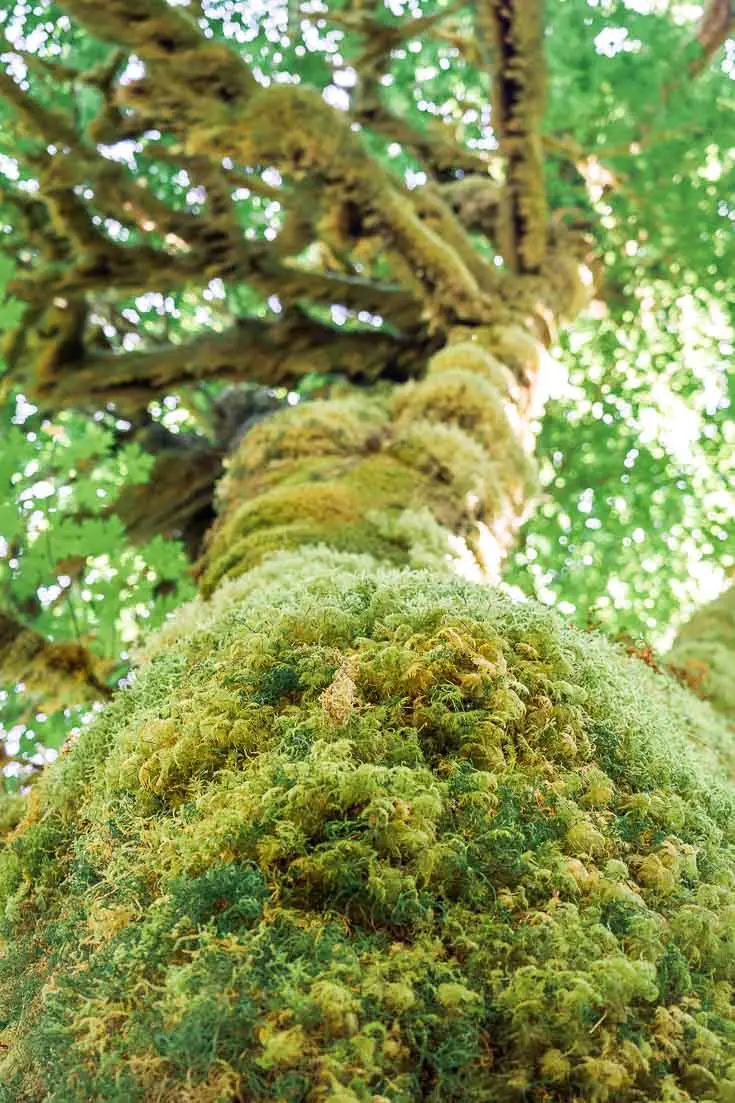
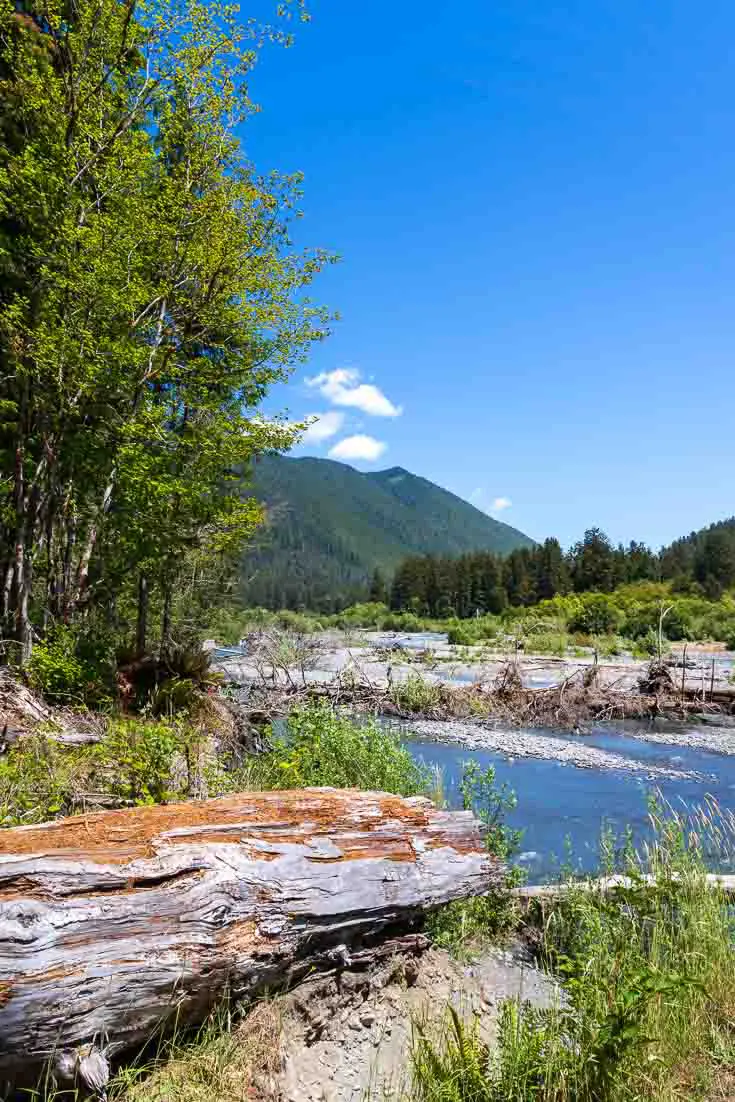
Olympic National Park harbors various types of forest. For temperate rainforest dressed in moss and lush with ferns, head to the Hoh Rainforest or Quinault Lake. Experience lowland old growth forest in the Sol Duc Valley, Elwha River Valley and around Lake Crescent.
The Olympic Peninsula is also home to a few of the largest known specimens of certain tree species, including the largest Western Red Cedar, Sitka Spruce and Douglas Fir in the world!
Languish by a glacial-carved lake
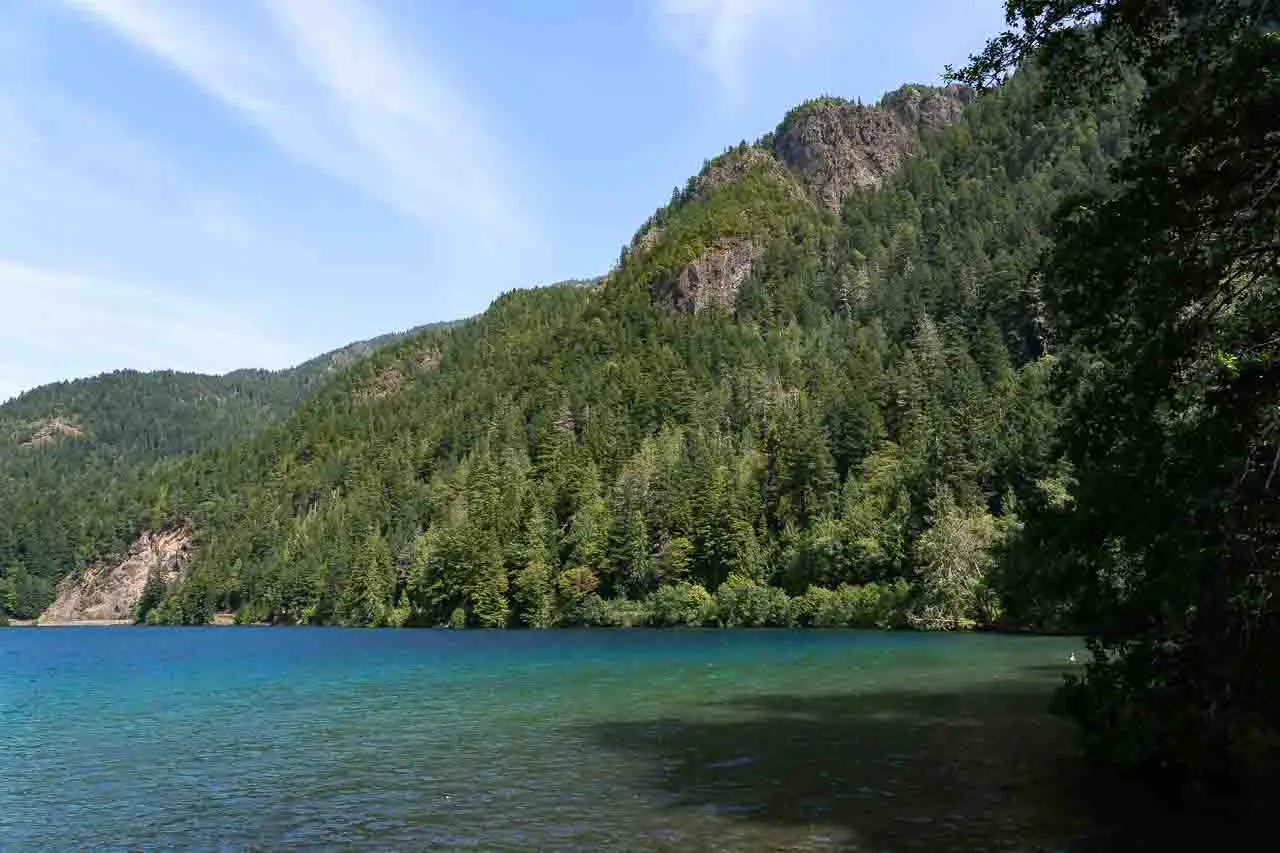
Lake Crescent and Lake Quinault (pronounced “kwi-nolt”) are large, scenic lakes that were carved by glaciers and are popular for boating and kayaking.
The Quinault Rainforest Scenic Drive is a 50-km (31-mi) loop that will take you around the Lake and a little way up the Quinault River. There are a couple of short to medium distance hikes leaving from trailheads around the loop, as well as roadside waterfalls and the aforementioned, world’s largest Sitka Spruce.
Chase some waterfalls
The Olympic Peninsula has waterfalls for days. There’s even an “Olympic Peninsula Waterfall Trail” you can follow, but if you don’t have time for them all there are a couple of easy-access waterfalls you shouldn’t miss:
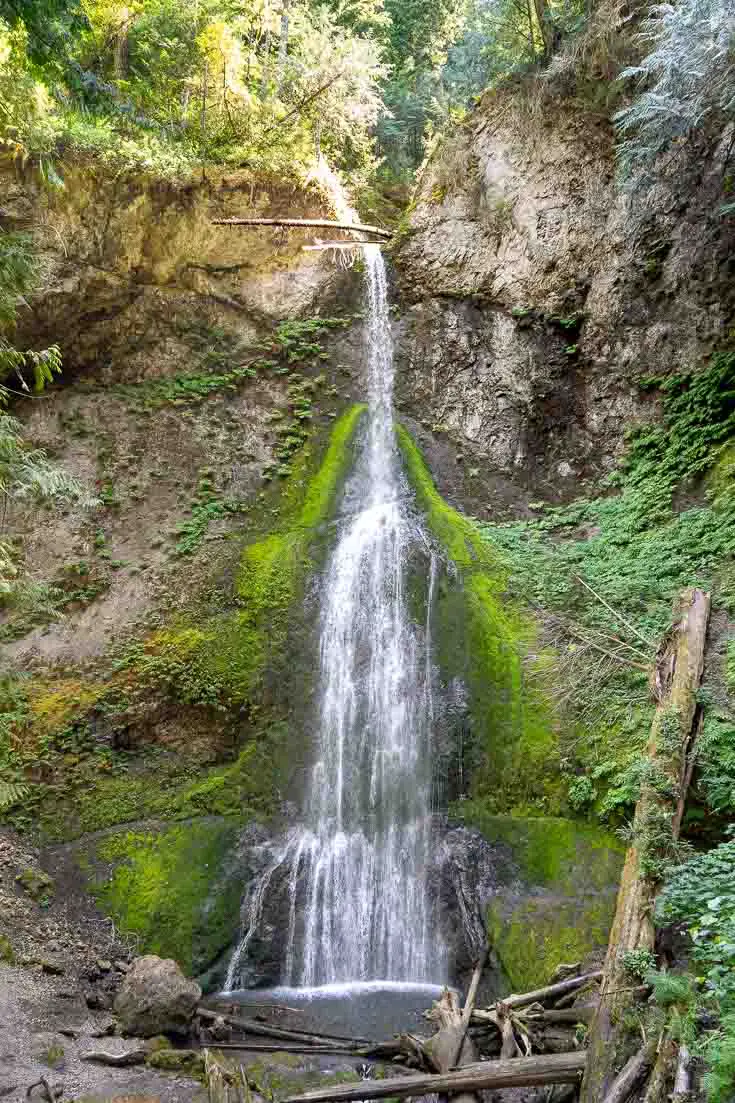
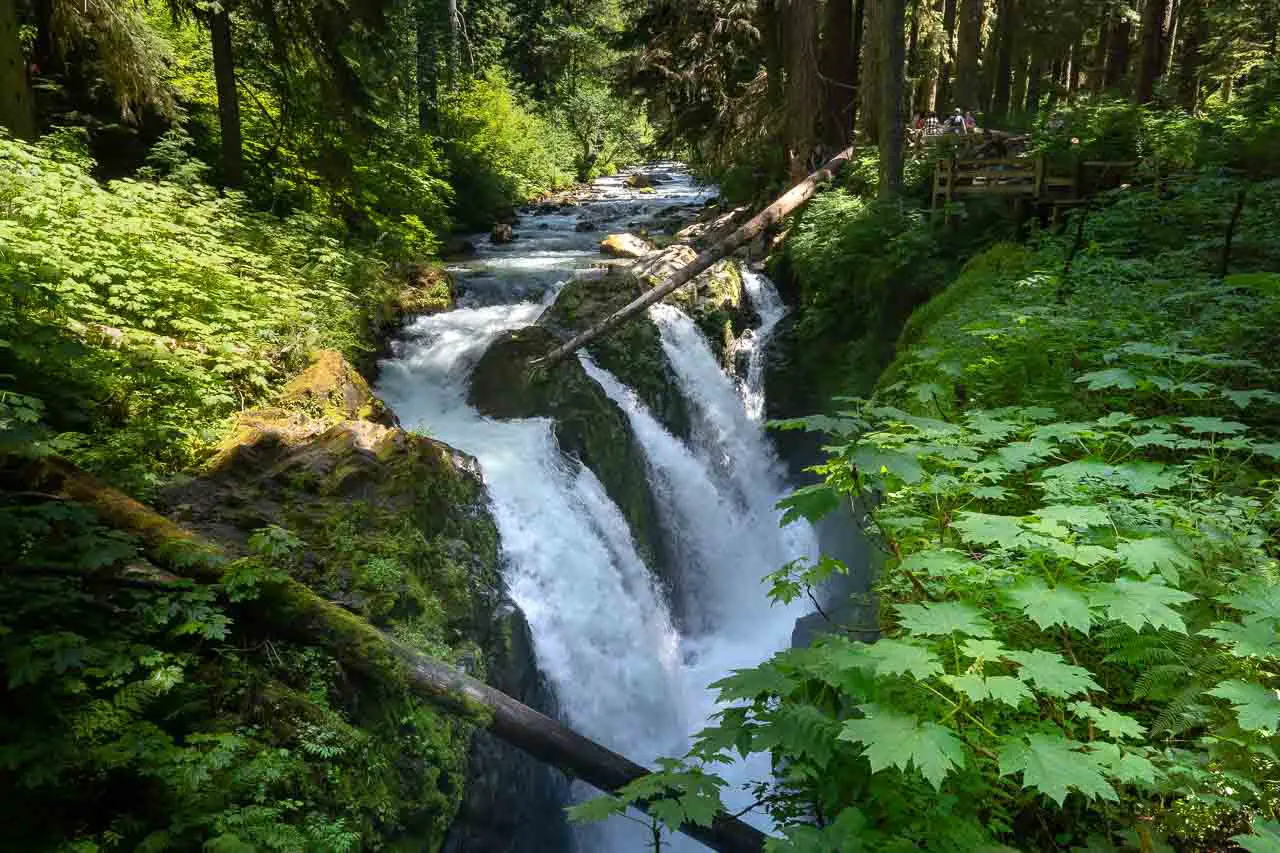
Sol Duc Falls is possibly the most unique of all the Falls, with it’s triple (sometimes quadruple depending on water volume) drop. The trail is an easy 2.6-km (1.6-mi) return through old growth forest.
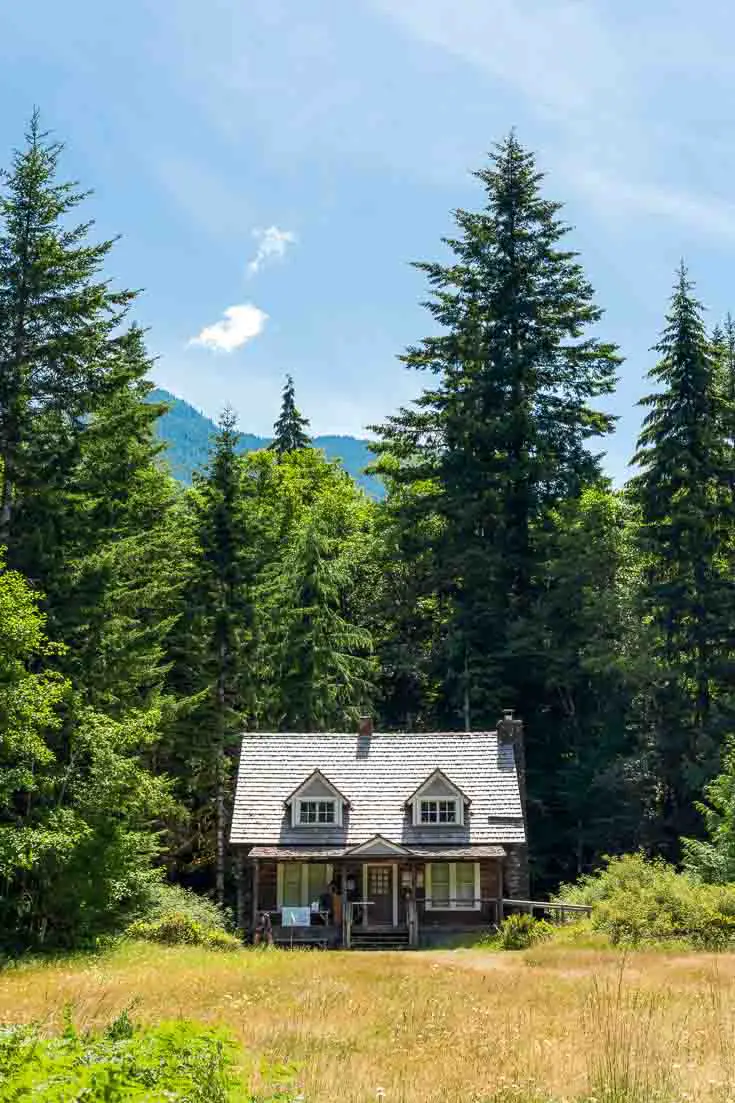
Marymere Falls is a straight drop and the trail takes you to vantage points high and low to view the 28-m (90-ft) plunge. The trail is roughly 3-km (1.8-mi) return from the Storm King Ranger Station.
Escape to the beach
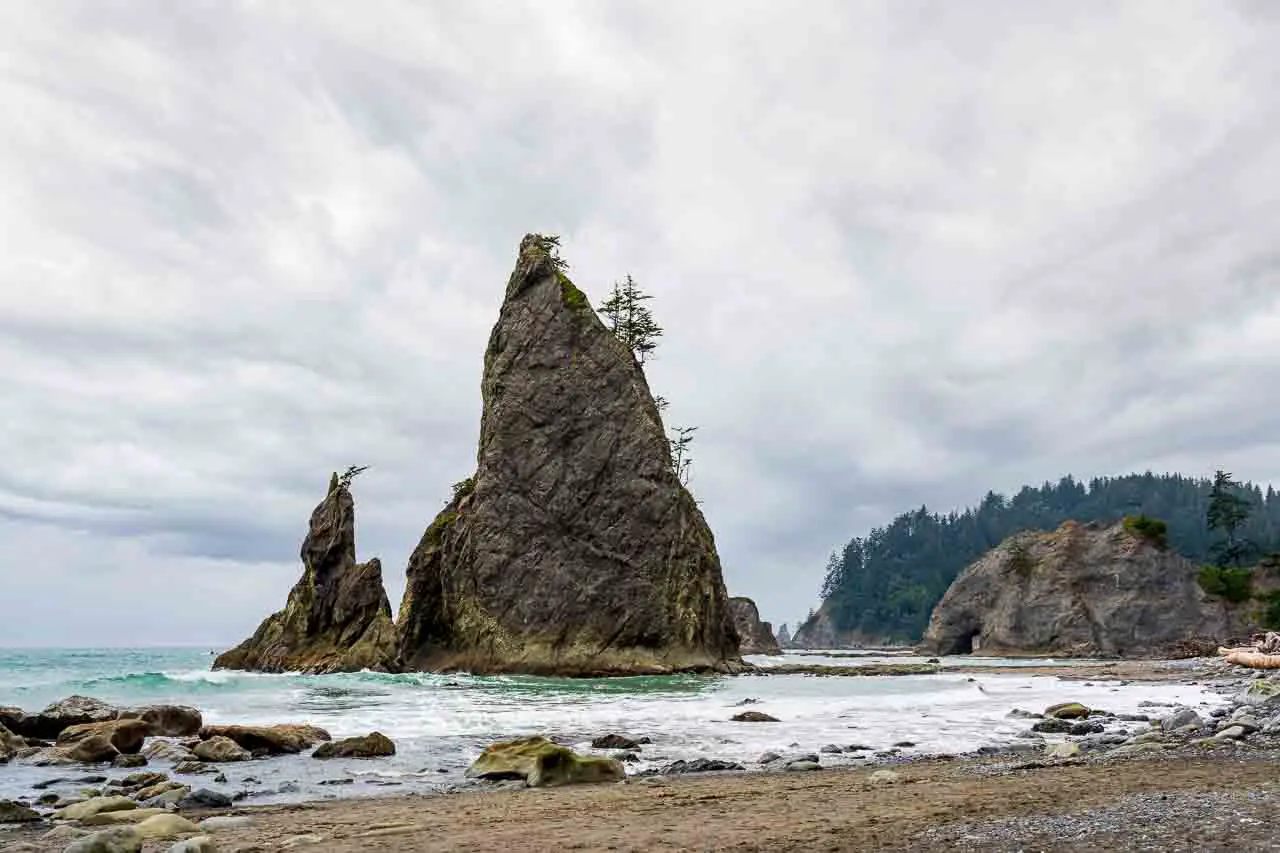
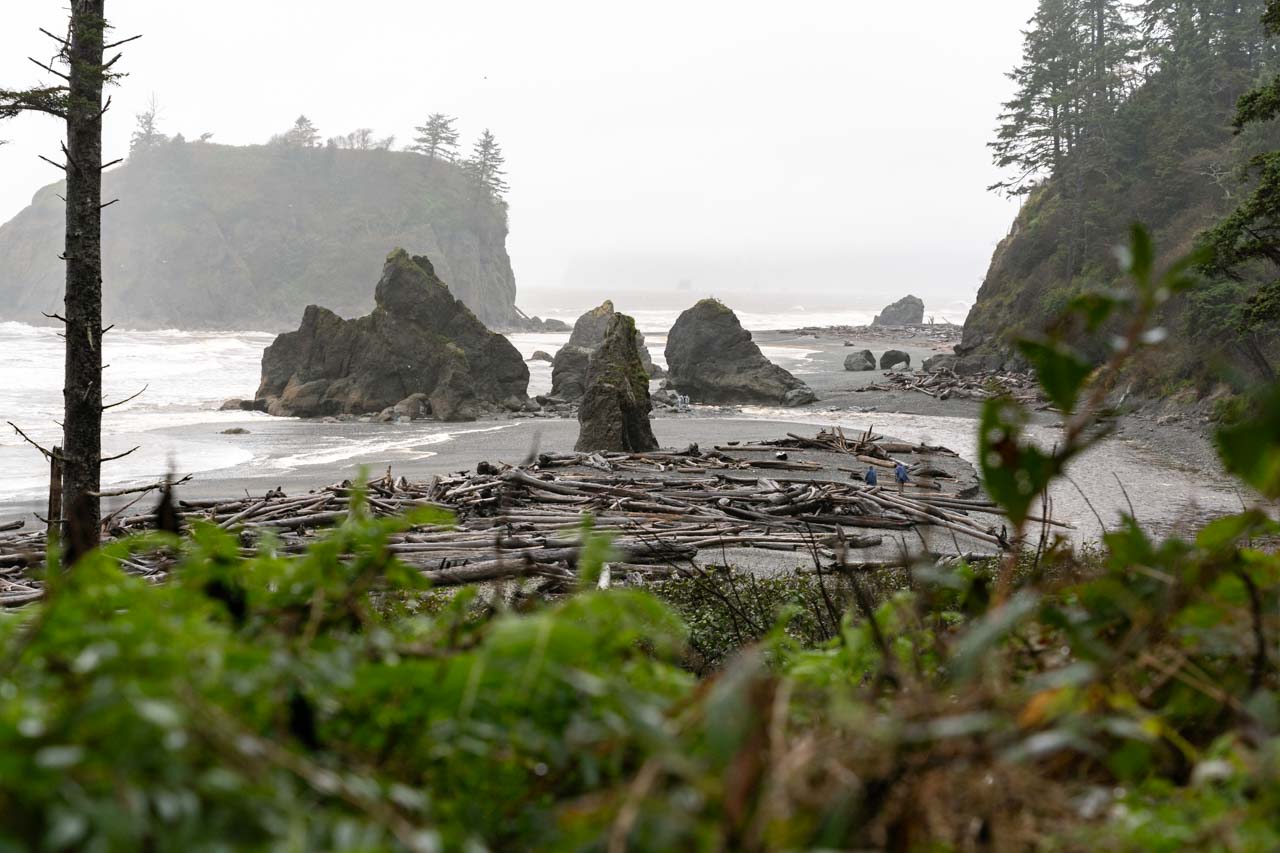
Sea stacks, epic driftwood and black sand make Olympic National Park beaches quite dramatic. Though it’s unlikely you’ll feel the need to get in the water (it’s too cold), you can still enjoy the scenery and explore tidal pools. Spot migrating whales from the beach in April through May and October through November, as well as other ocean life such as otters, sea lions and harbor seals.
Some beaches are accessible by road and others you will need to hike. Rialto Beach is a popular choice with drive up access (good for short timeframes), while Second Beach (La Push) requires you to hoof it. Ruby Beach, revered for its beauty, can be seen from the carpark, or explored more actively. Just make sure you check the tides when making your itinerary and again before you set out for the day.
1-Day Olympic National Park itinerary
While it’s impossible to see everything in Olympic National Park in just one day, you can still get a taste of the park’s natural beauty with this recommended itinerary:
Morning: Hurricane Ridge
Start your day at Hurricane Ridge, where you can enjoy stunning views of the Olympic Mountains. Take a short hike on the Hurricane Hill Trail for even more spectacular views.
Lunch: Lake Crescent
After Hurricane Ridge, head to Lake Crescent for a picnic lunch and a swim in the crystal-clear waters. Take a stroll along the shoreline and keep an eye out for wildlife.
Afternoon: Sol Duc Falls
End your day with a hike through old growth forest to the Park’s most unique waterfall: Sol Duc Falls. The short 2.5-km (1.6-mi) route is an easy trek. The triple-drop Falls are especially beautiful, so be sure to bring your camera.

2-Day Olympic National Park itinerary
Day 1: Hurricane Ridge, Lake Crescent, Sol Duc Falls & Rialto Beach
Begin at the top of Hurricane Ridge, where you can enjoy stunning views of the Olympic Mountains. Take a longer hike on the Hurricane Hill Trail or explore some of the other trails in the area. Proceed to Lake Crescent and Sol Duc Falls as per the 1-day itinerary. Finish up the day with a sunset walk among the sea stacks and giant driftwood along Rialto Beach. Overnight in Forks
Day 2: Hoh Rainforest, Ruby Beach & Kalaloch
Wander the haunting Hoh Rainforest. Take the Hall of Mosses Trail or the Spruce Nature Trail to immerse yourself in Olympic National Park’s lush, temperate rainforest.
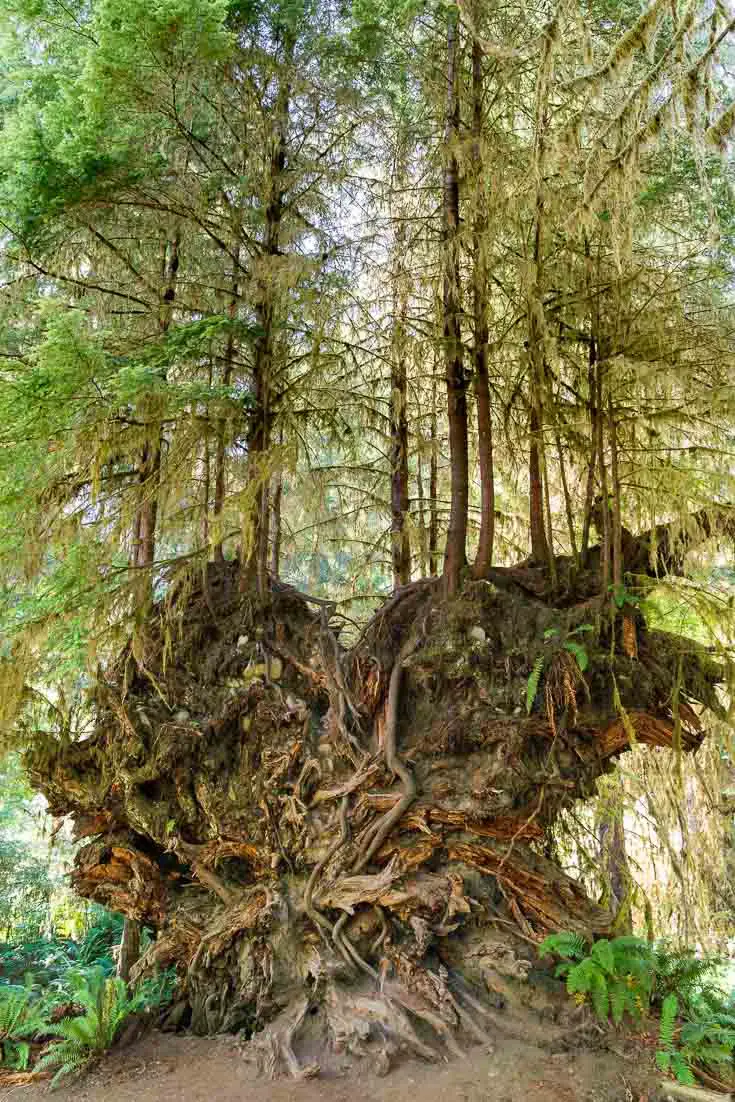
Make stops at Ruby Beach and the Tree of Life at Kalaloch, before grabbing a late lunch at Quinault Lake. Oyster lovers should allow time to drop into Taylor’s Shellfish Farms as you depart the Peninsula.
3-Day Olympic National Park itinerary
If you have three days to explore Olympic National Park, consider this itinerary:
Day 1: Hoh Rainforest and Ruby Beach
Start your visit to Olympic National Park with a trip to the Hoh Rainforest. Take the Hall of Mosses Trail or the Spruce Nature Trail to immerse yourself in the Park’s lush rainforest.
Spend the late afternoon seeing the Tree of Life at Kalaloch and exploring the tide pools of Ruby Beach (tides permitting). The Peninsula experiences some outstanding sunsets and the west-facing beaches are a great place to take them in. Overnight in Kalaloch or Forks
Day 2: Lake Crescent and Sol Duc Falls
Head out to Ruby Beach and wander along the driftwood-strewn stretch to Hole-in-the-Wall. Proceed to Sol Duc Falls for the easy easy 2.5-km (1.6-mi) round trip trail to these iconic and unusual waterfall. Next up is Lake Crescent for a picnic lunch. Afterwards, take the short hike to Marymere Falls. The 27-m (90-ft) waterfall is an easy to moderate 2.9-km (1.8-mi) round trip from the edge of Lake Crescent. Overnight at Lake Crescent or Port Angeles.
Day 3: Hurricane Ridge
On your final day, take to the top of Hurricane Ridge, where you can enjoy stunning views of the Olympic Mountains. Take a longer hike on the Hurricane Hill Trail or explore some of the other trails in the area.
7-Day Olympic National Park itinerary
If you have a week to explore Olympic National Park, consider this itinerary:
Day 1: Hoh Rainforest
Start your visit to Olympic National Park with a trip to the Hoh Rainforest. Take the Hall of Mosses Trail or the Spruce Nature Trail to immerse yourself in the park’s lush rainforest.
Day 2: Coastal exploration
Spend your second day exploring the Park’s rugged coastline. Some of the Peninsula’s top beaches feature tide pools, mega driftwood and sculptural sea stacks. Highlights include the Tree of Life located on the beach near the Kalaloch Campground, the sea stacks at Ruby Beach and the hike to Hole-in-the-Wall at Rialto Beach.
Day 3: Sol Duc Hot Springs
Spend your second day relaxing at the Sol Duc Hot Springs Resort, where you can soak in the park’s mineral-rich hot springs pools. Also, while in the area, don’t miss the hike to the Park’s most iconic waterfall: Sol Duc Falls.
Day 4: Lake Crescent
On your fourth day, head to Lake Crescent for a picnic and swim or kayak in the beautiful glacier-carved Lake. Take a stroll along the shoreline and watch for wildlife.
Follow up with hike to nearby Marymere Falls, a popular plunge just a short roundtrip hike from the Lake’s edge. For a more challenging hike, try Mount Storm King. This 6.5-km (4-mi return) leg burner is a steep upward haul, rewarded with panoramic views over Lake Crescent and surrounds. The good news is you don’t have to go all the way to the top. There are various viewpoints along the way.
Day 5: Hurricane Ridge
Spend your fifth day at Hurricane Ridge, where you can enjoy stunning views of the Olympic Mountains. Take a hike along Hurricane Hill for endless views or explore some of the other trails in the area.
Day 6: Staircase
Spend your sixth day hiking the Staircase Rapids Loop, in one of the Park’s less visited corners. The gorgeous trail takes you through mossy, old growth forest to a suspension bridge over the North Fork Skokomish River. There are optional spurs trails to an enormous fallen cedar and river viewpoint.
Day 7: Departure
On your final day, say goodbye to Olympic National Park and start planning your next visit!

Tips for visiting Olympic National Park
Here are some tips to help you make the most of your visit to Olympic National Park:
– Plan ahead: The park is vast, and there’s a lot to see and do. Make sure to plan your itinerary ahead of time to ensure you don’t miss anything.
– Dress in layers: The weather in Olympic National Park can be unpredictable, so make sure to dress in layers and bring rain gear.
– Bring plenty of water and snacks: The Park is remote, and there aren’t many convenience stores or restaurants nearby. Bring plenty of water and snacks to keep you fueled throughout the day.
– Respect wildlife: Olympic National Park is home to a diverse range of wildlife, including black bears and mountain goats. Make sure to keep a safe distance and never approach or feed wild animals.
– Leave no trace: The Park’s natural beauty is fragile, so make sure to pack out all your trash and leave the park as you found it.
Olympic National Park is a true gem of the Pacific Northwest. With so much to see and do, it’s no wonder that it’s become a popular destination for nature enthusiasts. Whether you’re interested in hiking, wildlife, or scenic drives, you’ll find plenty of options to keep you busy. So pack your bags, hit the road, and get ready to discover the magic of Olympic National Park!
Peace, love & nature,
Madam ZoZo