

Want to know the secret to being an expert travel souvenir buyer, collector and gifter? Here are my tried and tested tips for seeking unique, authentic and ethical souvenirs that will be the delight and envy of your friends. You’ll find a downloadable list of 133+ unique souvenirs from around the world at the end of this post.
Soulful travel souvenirs
“Soulful souvenirs” is the term I use to describe the best type of travel mementoes. They are meaningful objects that have a positive impact on the community you’re visiting. They are unique to a destination and reflect your experience of being in that place. Soulful souvenirs don’t need to be expensive, but they’ll likely set you back more than a mass-produced, keychain. They are thoughtful, and may require a little more effort to find, but you’ll treasure them forever. So how do you go about finding a soulful souvenir? Read on…
Tips for better travel souvenir shopping
Research
Read up on your destination, its people, culture and traditional crafts. Reading forums, such as those on Tripadvisor, relating to specific destinations will give you an idea of availability and prices. If you have an idea of what you would like to buy, research tips and tricks for telling genuine or high-quality items from fakes or poor-quality products. Be an informed buyer.

Avoid imports
In many parts of the world, artisans are abandoning traditional crafts as they cannot compete with mass produced imports. A traditional craft is evidence of a unique culture. Often it has been handed down from generation to generation. Sometimes this is a purely oral process and the techniques and/or significance of the craft is never documented. Once younger generations give it up, it is lost forever.
Support local economies and prolong the survival of traditional, artisan crafts by checking the label and avoid purchasing travel souvenirs mass produced in other locations. In return, you are likely getting something much more authentic and made by local crafts people who have honed their technique over a lifetime.
Shop direct
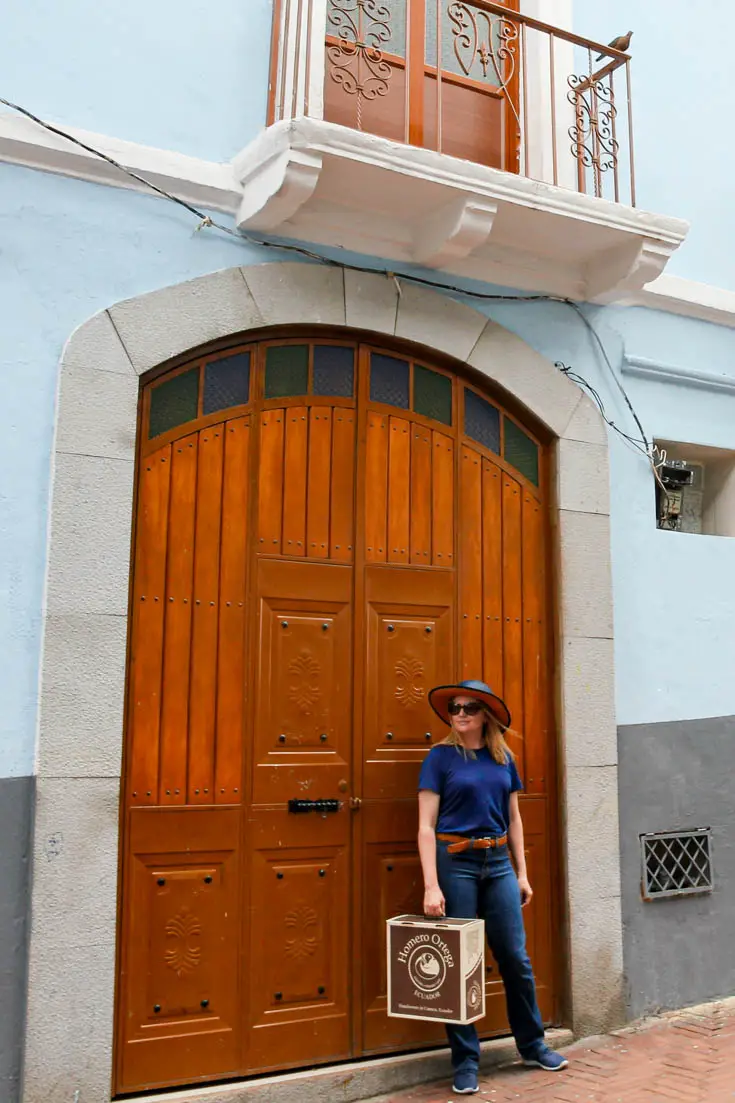
Buy from the person who made it wherever possible. In Laos, I found it easy to get right to the source and bought scarves in small weaving villages where they were being made, rather from centralised, tourist markets where prices are generally higher and manufacturer unknown. Not only is it more interesting to visit the villages and see the items in production, but it is easier to tell how genuine they are. It’s also fun to be able to photograph your souvenir with its maker (remember to seek permission before photographing people).
Find Fairtrade
If in doubt, look for Fairtrade endorsed items, stores and galleries. In the words of the Fairtrade website:
“When a product carries the FAIRTRADE Mark it means the producers and traders have met Fairtrade Standards. The Fairtrade Standards are designed to address the imbalance of power in trading relationships, unstable markets and the injustices of conventional trade.” – http://www.fairtrade.net/
Ask for guidance
You many notice tour guides have a tendency to disappear when you come to make a purchase. This often leaves you to negotiate with a language barrier and a calculator. Without the means to ask detailed questions about the product. Ask your guide ahead of time to assist in determining how genuine a product is and/or to estimate a fair price. They might also know where to shop for a particular item that isn’t the typical tourist market, but hopefully isn’t their uncle’s rug shop.
Don’t buy from children
Travellers should avoid from buying from children, who should be at school and not utilised as another source of income by their parents. Cute kids can be hard to resist, but educating the next generation is crucial in breaking the cycle of poverty in the long term.
Consider customs
On my first trip to Thailand I bought the cutest, elephant-shaped decorative cushion in local fabrics. However, when I declared the item upon return to Australia, I was informed that my delightful pillow would need sterilization by gamma irradiation if I wanted to take it home.
Apparently, these types of “stuffed” items have been found to contain goodness knows what, including dirty bandages – ick! I decided the cost of irradiation wasn’t worth what I paid for the cushion. So, I sadly left it with customs to dispose of safely.
My point being, depending on the customs regulations in your home country, you should carefully consider fresh food and items made of untreated natural materials, or of unknown contents. These things can harbour agricultural diseases, pests etc that can disrupt or even destroy local ecosystems and farming. That’s why certain souvenirs are taken so seriously by officials. If you aren’t willing to pay for it to be quarantined, scanned and/or treated, don’t buy it.
Look for repurposed
There are some fantastic options for repurposed items, each with their own unique history and story. For instance these three companies make bags from a variety of discarded treasures: Scenery Bags in NYC makes accessories from Broadway theatre backdrop. Sustenta Carnaval, reimagines Brazilian Carnival costumes. While Sea Bags in Maine, U.S.A. creates bags from retired sails. Upcycled items are unlikely to yield two identical pieces, so you get an exclusive souvenir and save items from landfill.

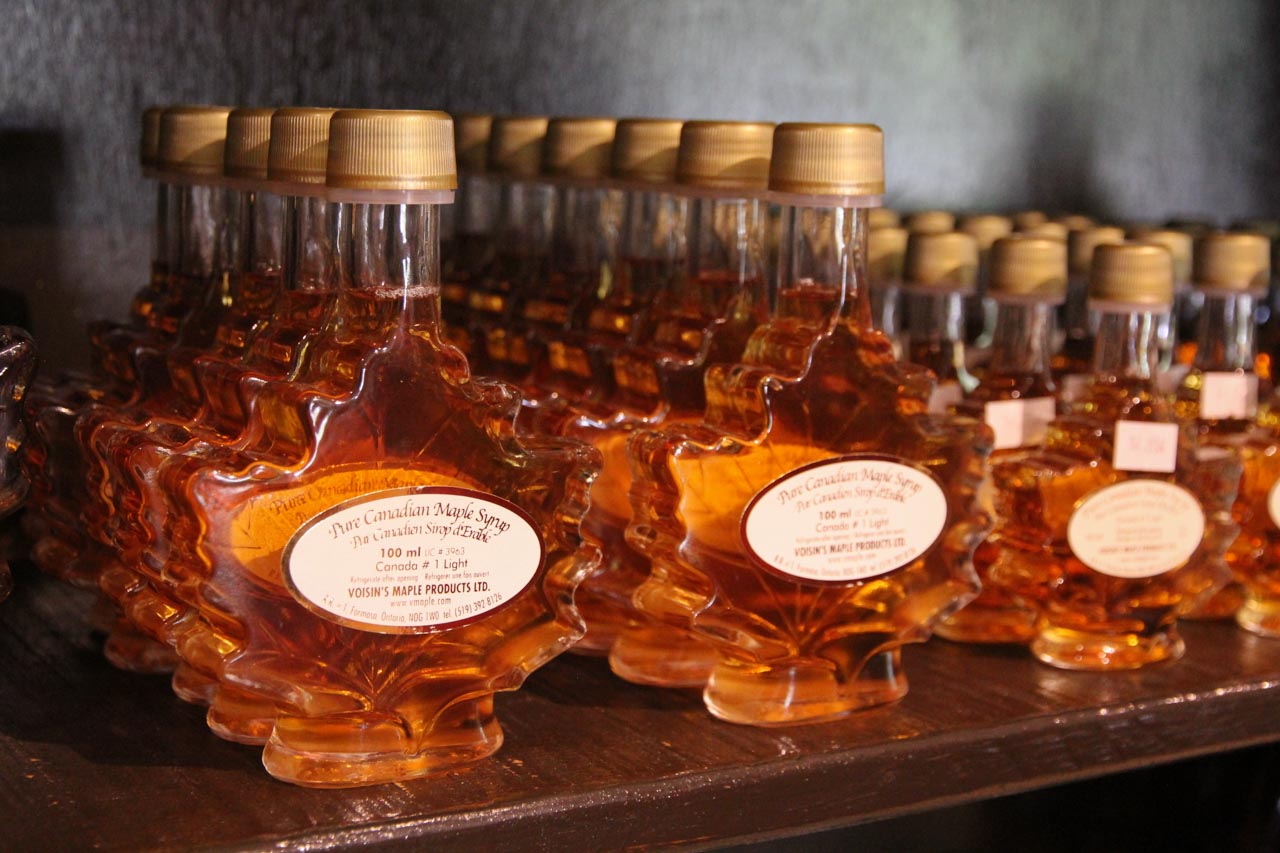
Negotiating for souvenirs – what’s a fair price?
Having come from a culture where prices are generally set and there is little room for negotiation, I have never been overly comfortable with bartering for goods and services. I believe in paying a fair price, fair for the buyer and the seller.
However, hubby and I have heated debates over what that fair price is?! What is a swindle, and what is being affordably generous considering the relative situations between a seller in the developing world, and a middle-class tourist from the developed world?
Negotiating for souvenirs in different economies and cultures can be challenging. Here is my personal philosophy when it comes to making purchasing decisions abroad. I’m no economist, this is purely based on my experiences travelling and negotiating for souvenirs over many years.
Arm yourself with knowledge
Researching souvenir ideas and pricing in specific destination gives me a rough handle on what people have paid previously. If I have an idea of what I would like to buy, I research tips and tricks for telling genuine or high-quality items from the rest. I also look at the benchmark for living wages (hourly rate) in my destination. This helps me with the next step.
Ask “what did it take to make?”
As a lifelong crafter, I have a great appreciation for handmade items and artisanship. I understand the time it takes to lovingly stitch a quilt, make a doll, bead a necklace or paint a picture. So, if my initial reaction is “that a price is too high”, I ask more questions.
What is the process to make the item? Where do the materials come from? How many hours would it take to make this? This information combined with the hourly living wage rate that I researched, gives me a better picture of a reasonable price to pay. Remember to factor in cost of materials and a mark-up for profit.
Ask “what is it worth in my homeland?”
When all else fails, I decide based on what I think the item would be worth if bought in my home country. Generally, items sold in developing nations are much cheaper than I could buy them for at home. As long as the price feels reasonable, I don’t barter too hard.
Some would debate that by paying more I drive up prices generally and then tourism dries up because it is no longer a “cheap” destination. I haven’t seen tourism dry up in the developed world because it’s too expensive, I just see different values applied to different locations and peoples. I don’t believe in holding some back economically, so others have the luxury of holidaying on the cheap.
At the same time, there are good reasons for not paying artificially high prices. That’s why taking the time to do your research and learning to negotiate a fair price for souvenirs is important.

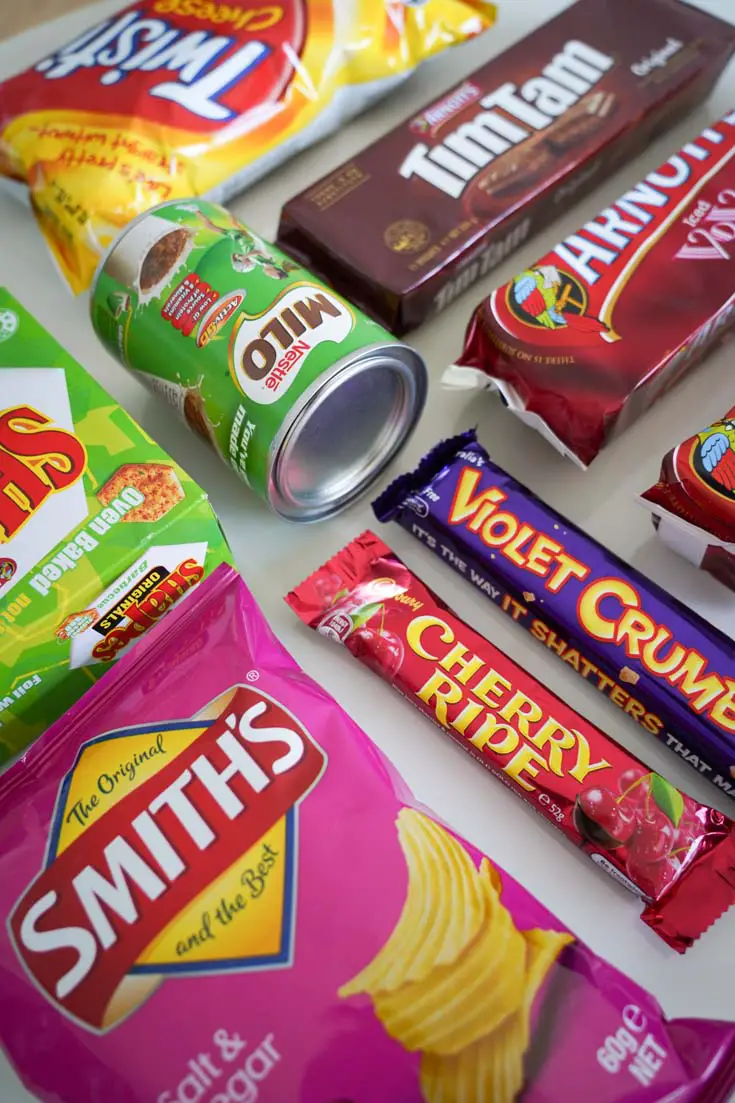
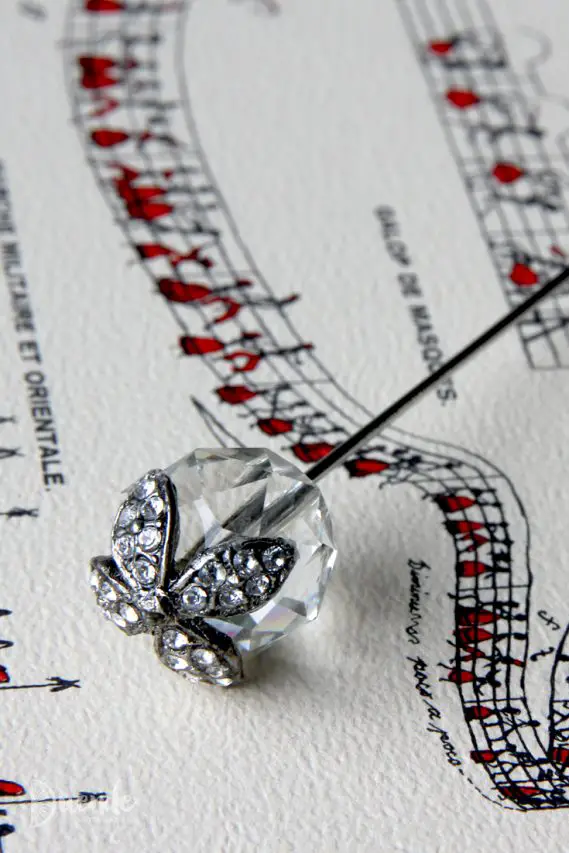
Travel souvenir ideas
DIY travel souvenirs
There are lots of fun ways to create your own travel souvenirs. Scrapbook tickets, maps and other ephemera; create beautiful coffee table albums of your photos; turn your foreign coins into cool accessories; and put your Mardi Gras beads to use. There are oodles of fun and unique ways to turn simple and often free items into very personal souvenirs. You can find more DIY souvenir ideas in this post.
Collectable travel souvenirs
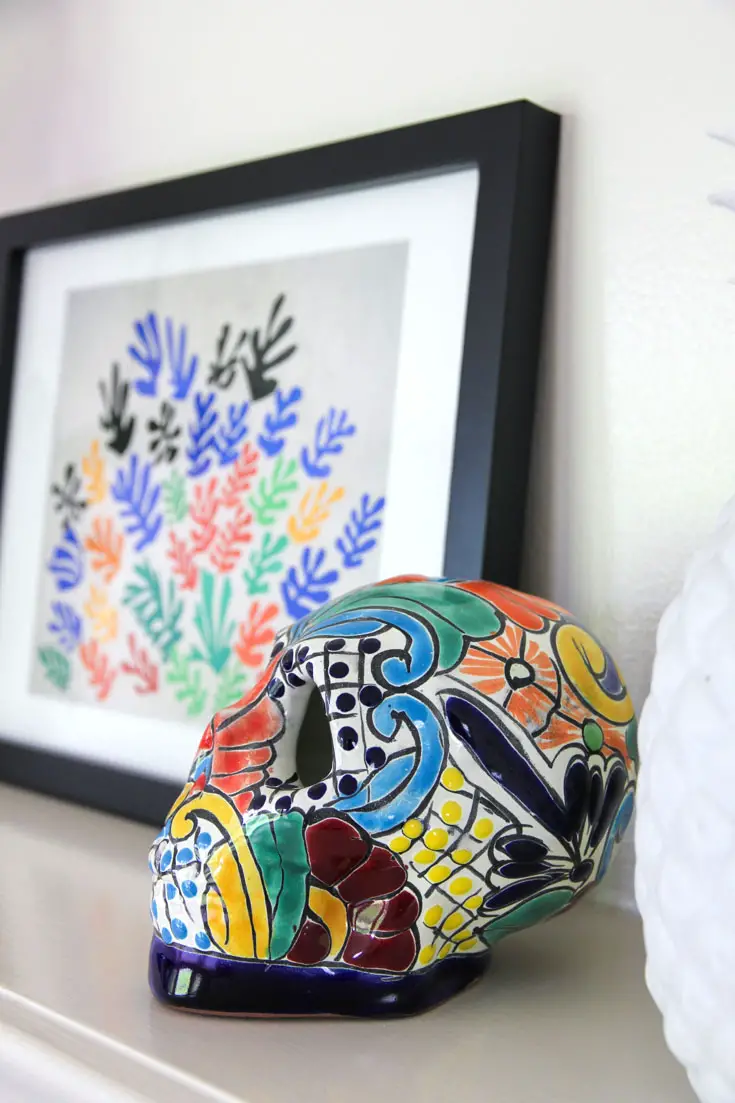
If you’re a frequent traveller, it can be fun to start a collection of something. Having a common theme running through your souvenirs helps you make shopping decisions when you’re confronted with lots of different options. It also makes a beautiful display at home. From art to teapots, holiday ornaments to hand fans. There are lots of cross-cultural items that can be collected from multiple locations around the world that still show off the individuality of the destinations, while staying in-theme.
Useful souvenir ideas
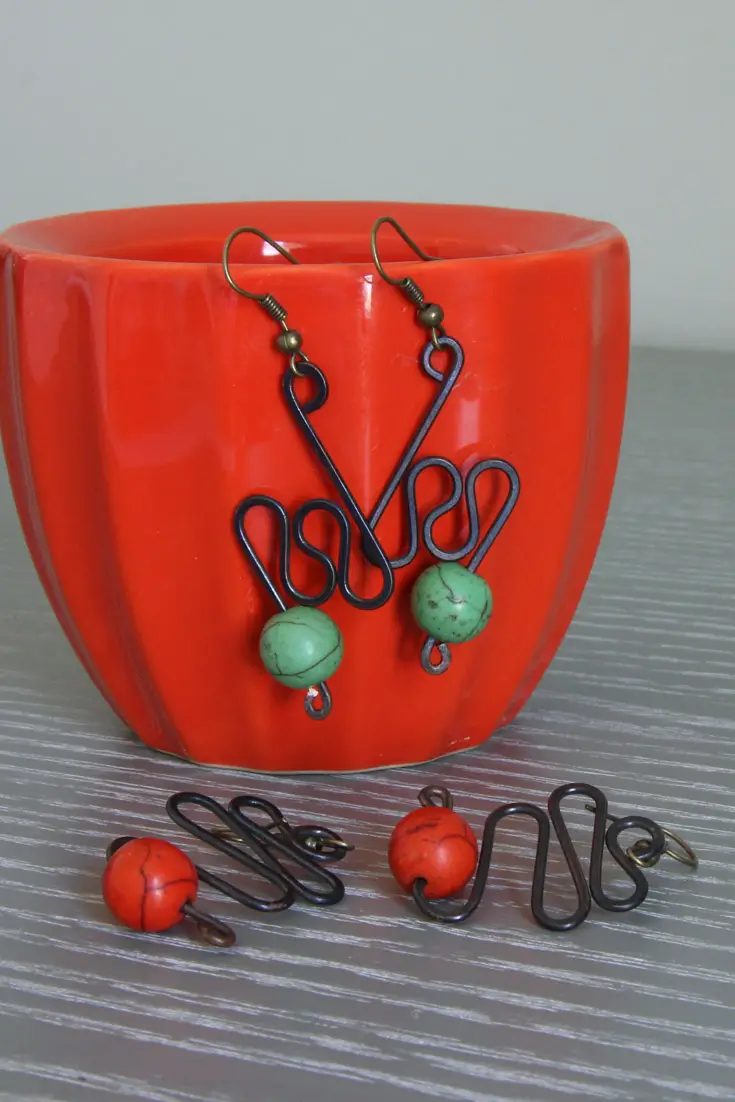
Pragmatic travellers know that some of the best souvenirs are usable ones. Think unique ingredients, recipe books, clothing and accessories (I’m a big jewellery collector), ceramics and glassware for serving.
“Useful” might also stretch to a destination photography shoot. Hire a professional photographer to capture you and your travel companions in landmark locations. Posed or candid, styled or come-as-you-are. Holiday cards – check. Wall art-check. Lifelong memories captured-check.
Travel souvenirs for gifting
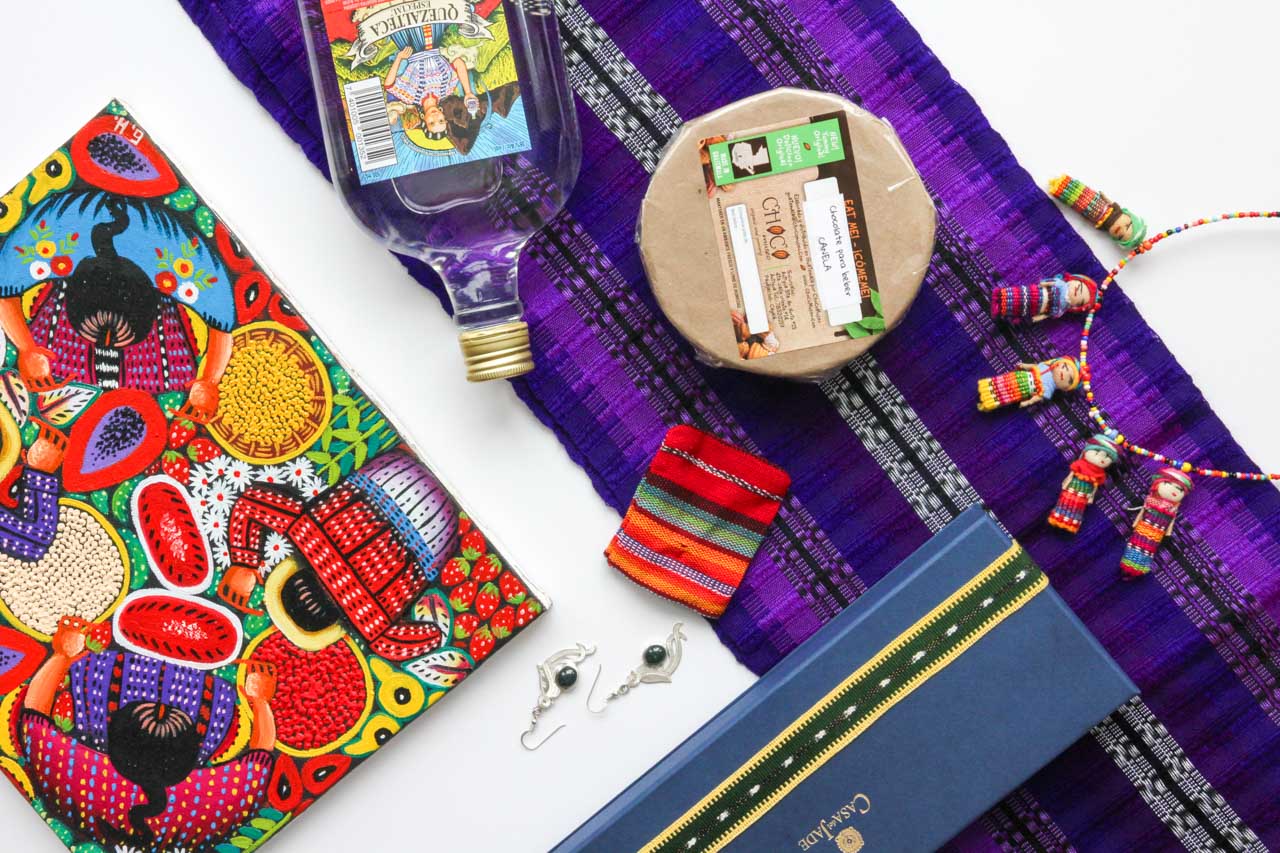
Thoughtful gifting goes hand-in-hand with soulful souvenirs. Think about the recipients’ interests and match it up with something local. A small piece of art, olive oil, wine, a unique musical instrument. Even a framed print of a beautiful photo you took, can make a meaningful gift.
Say no to plastic trinkets and tourist tat. Say yes to artisanal, culturally-significant treasures to provide lasting memories of your travels. Tell me, what are your favourite souvenirs? Share in the comments below.
Peace, love and inspiring travel,
Madam ZoZo