
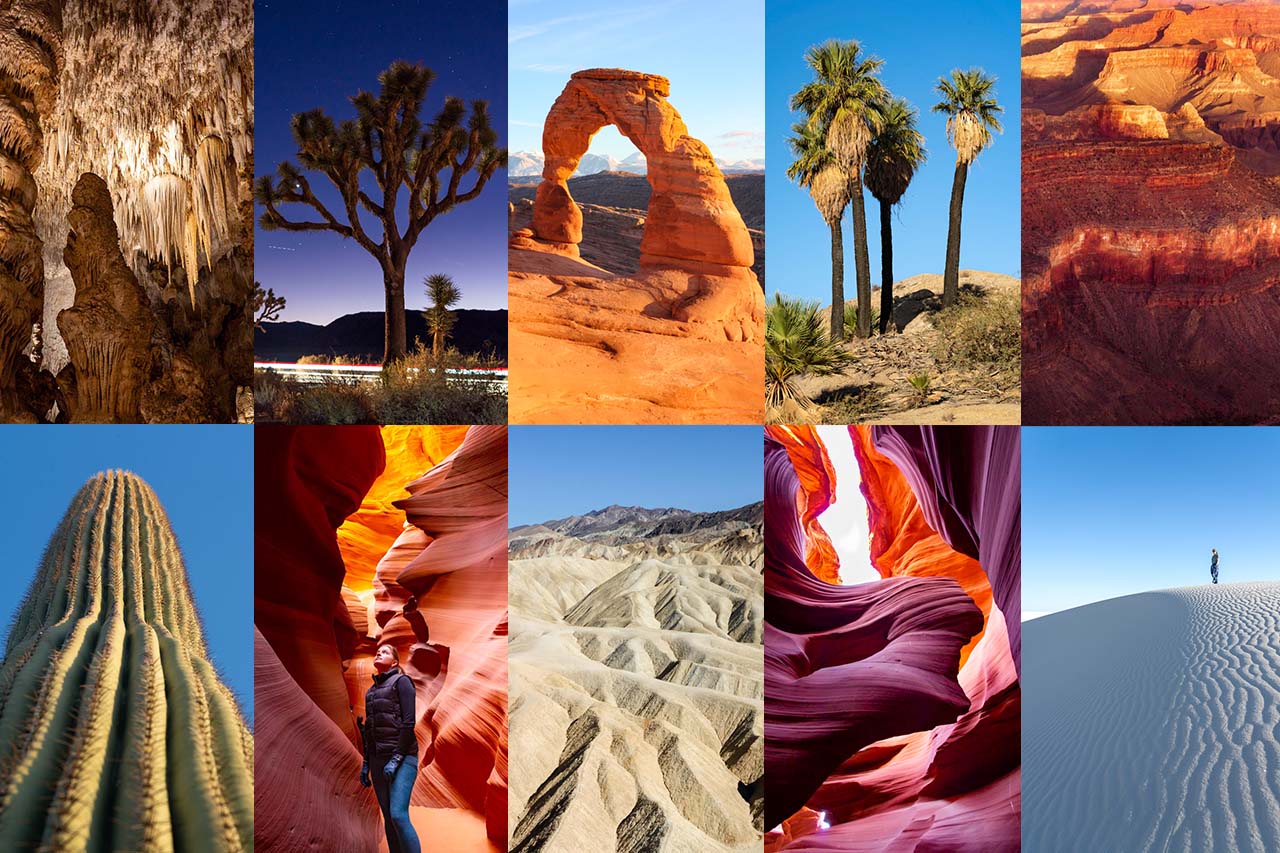
Planning an arid adventure or desert vacay? Take to whispering dunes, awe-inspiring canyons or sipping cocktails poolside, secure you know what to wear in the desert. Deserts are some of the most extreme environments on Earth, with dramatic shifts in temperature, relentless sun and tricky terrain. They are also spectacular and varied landscapes to visit, which is why I can’t get enough. In this guide, I’ll walk you through the essentials—from fabrics to footwear—so you can travel prepared and comfortable.
Disclosure: I may earn compensation from the purchase of any product or service linked on this website, at no extra cost to you. I only link to products I use and love, therefore feel comfortable recommending.
Table of contents
Understanding the four major types of deserts
Not all deserts are the same. In fact, there are four main types, each with unique conditions that will shape your desert packing list. What kind are you travelling to?
1. Hot and dry deserts
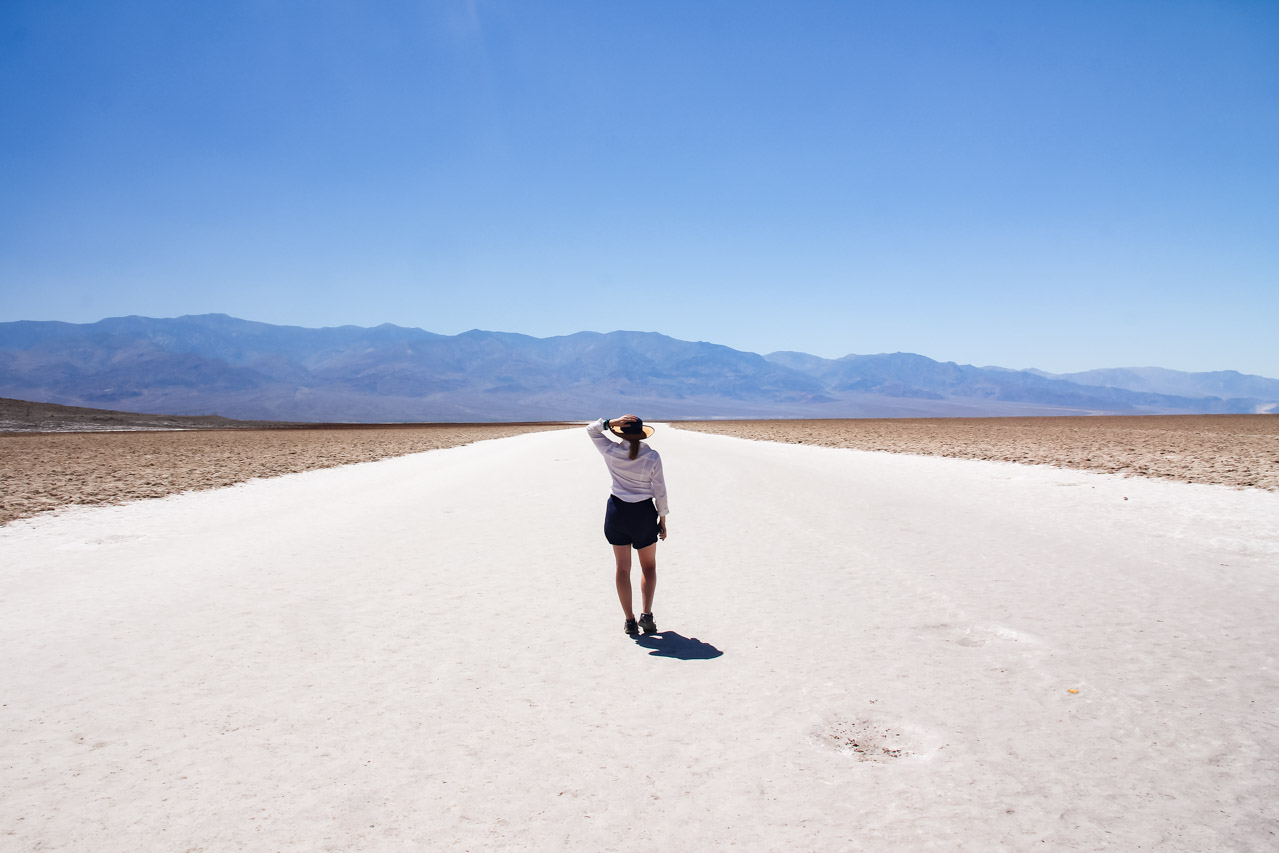
These are the deserts most travellers picture—arid landscapes with rolling dunes and scorching summer days. Popular examples include the Sahara Desert in Morocco, the Simpson Desert of Australia and Death Valley in California. Daytime temperatures soar, but nights can dip dramatically.
2. Semi-arid deserts
Semi-arid deserts receive a little more rainfall, meaning they often have scrubby vegetation. The Great Basin Desert in the U.S. and parts of Patagonia fall into this category. Expect hot summers but colder winters with more noticeable seasonal variation.
3. Coastal deserts
Surprising to some, coastal deserts exist where cool ocean currents limit rainfall. The Atacama Desert in Chile and the Namib Desert in Namibia are prime examples. In addition to parts of the Sonoran Desert along the Gulf of California. These regions often experience cooler air temperatures and fog, despite being bone-dry.
4. Cold deserts
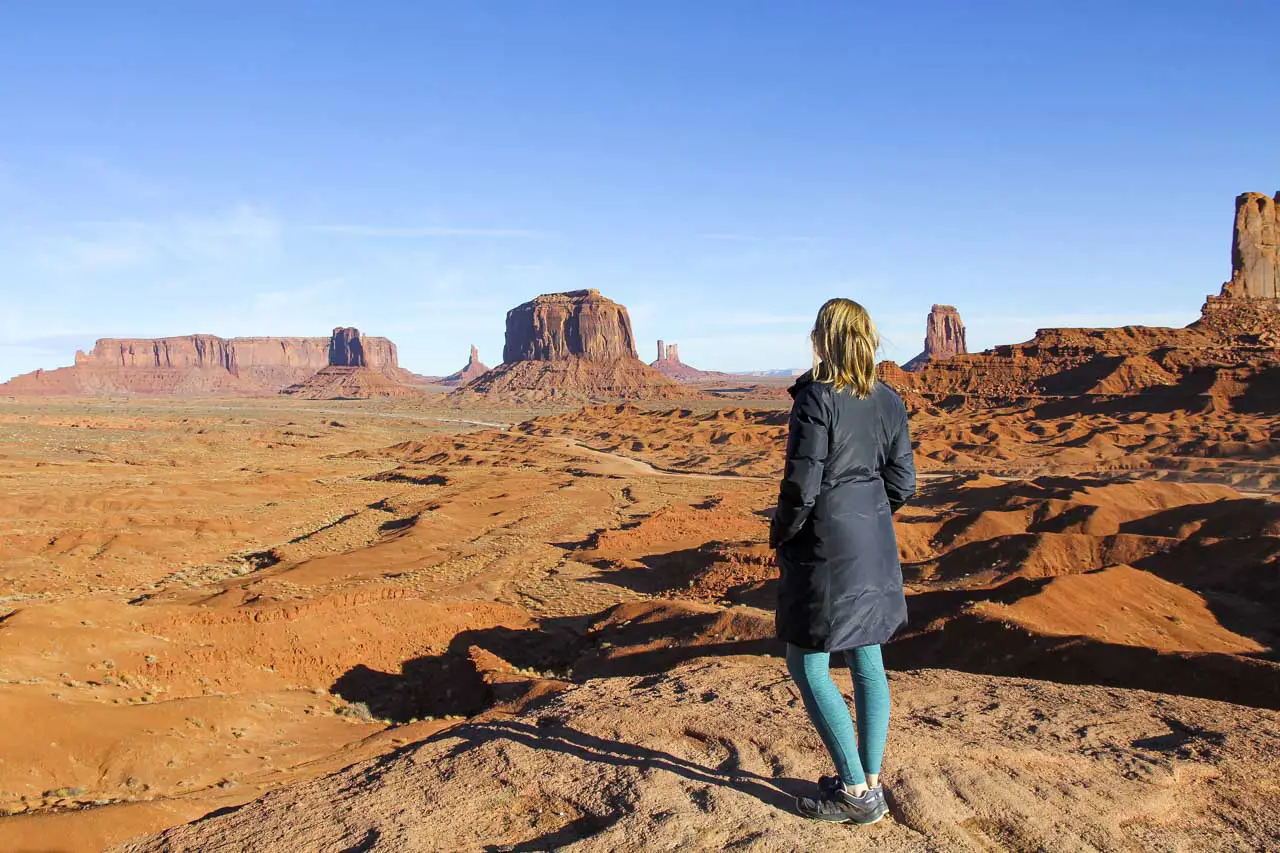
Cold deserts, like the Gobi Desert in Mongolia or the Colorado Plateau in the U.S., are marked by icy winters and mild summers. Snow is not uncommon, and clothing must be adapted to freezing conditions.
Seasonality in the desert
The biggest mistake travellers make is assuming deserts are always hot. In reality, temperatures fluctuate seasonally and even daily. Always check local conditions before you finalise your desert trip packing list.
Summer: Expect scorching daytime highs. Lightweight, breathable and sun-protective clothing is essential.
Winter: Nights and mornings can be bitterly cold, requiring warm layers, especially in cold and semi-arid deserts.
Shoulder seasons (spring and autumn): These are often the most comfortable times to visit, but layering is still key.
Monsoon seasons: Some deserts, particularly in North America, experience a monsoon pattern. The North American Monsoon occurs in places like Arizona and New Mexico during July–September, bringing sudden thunderstorms and flash floods. Be prepared with quick-dry clothing, waterproof layers, and sturdy footwear for muddy conditions.
Fabrics: best and worst choices
When deciding what to wear in desert heat, fabric choice is crucial.
Pack fabrics are natural, breathable fibres like cotton, linen, and merino wool. These allow airflow, wick moisture, and help regulate body temperature. Merino wool is particularly effective for both hot days and chilly nights.
Incorporate blends or lightweight, performance synthetics engineered for Ultraviolet Protection Factor (UPF), sweat wicking and quick-dry characteristics, especially for active pursuits.
Avoid heavy synthetics such as polyester and nylon trap heat and make you sweat. Denim is also a poor choice—it’s hot, heavy, and takes forever to dry.
Wear light-coloured clothing. Dark colours absorb the sun’s heat and will make you more uncomfortable than is necessary.
Essential safety considerations
The desert environment is unforgiving, so your desert packing list should prioritise protection from the elements.
Sun protection
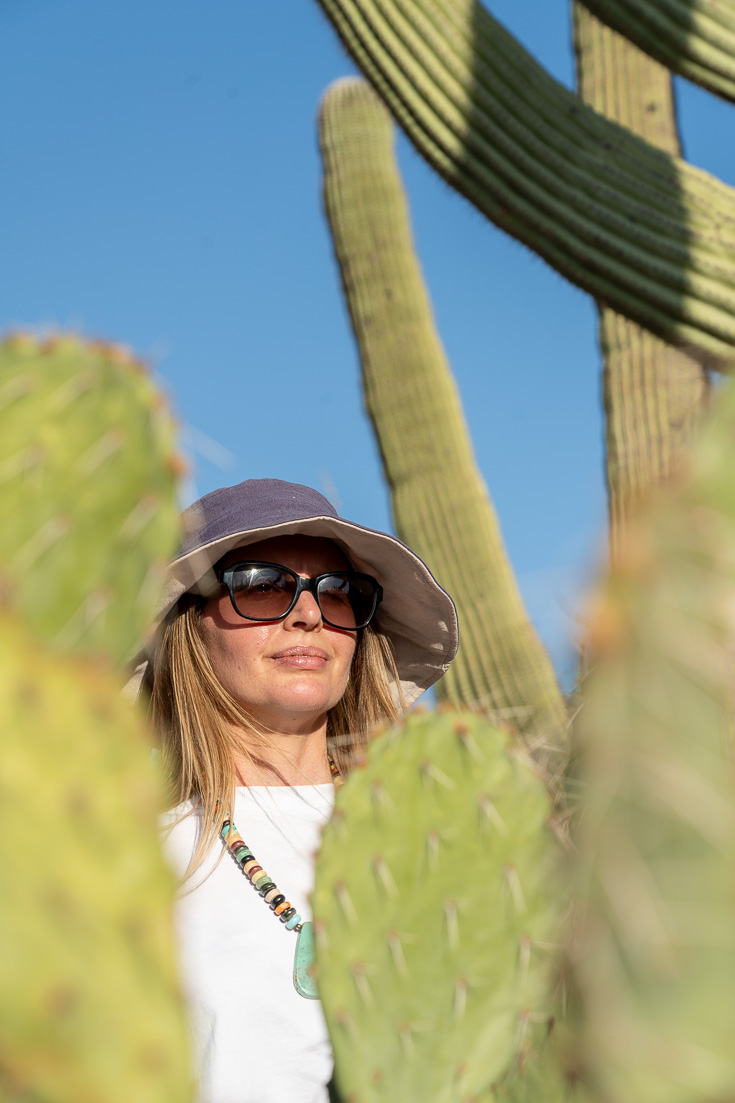
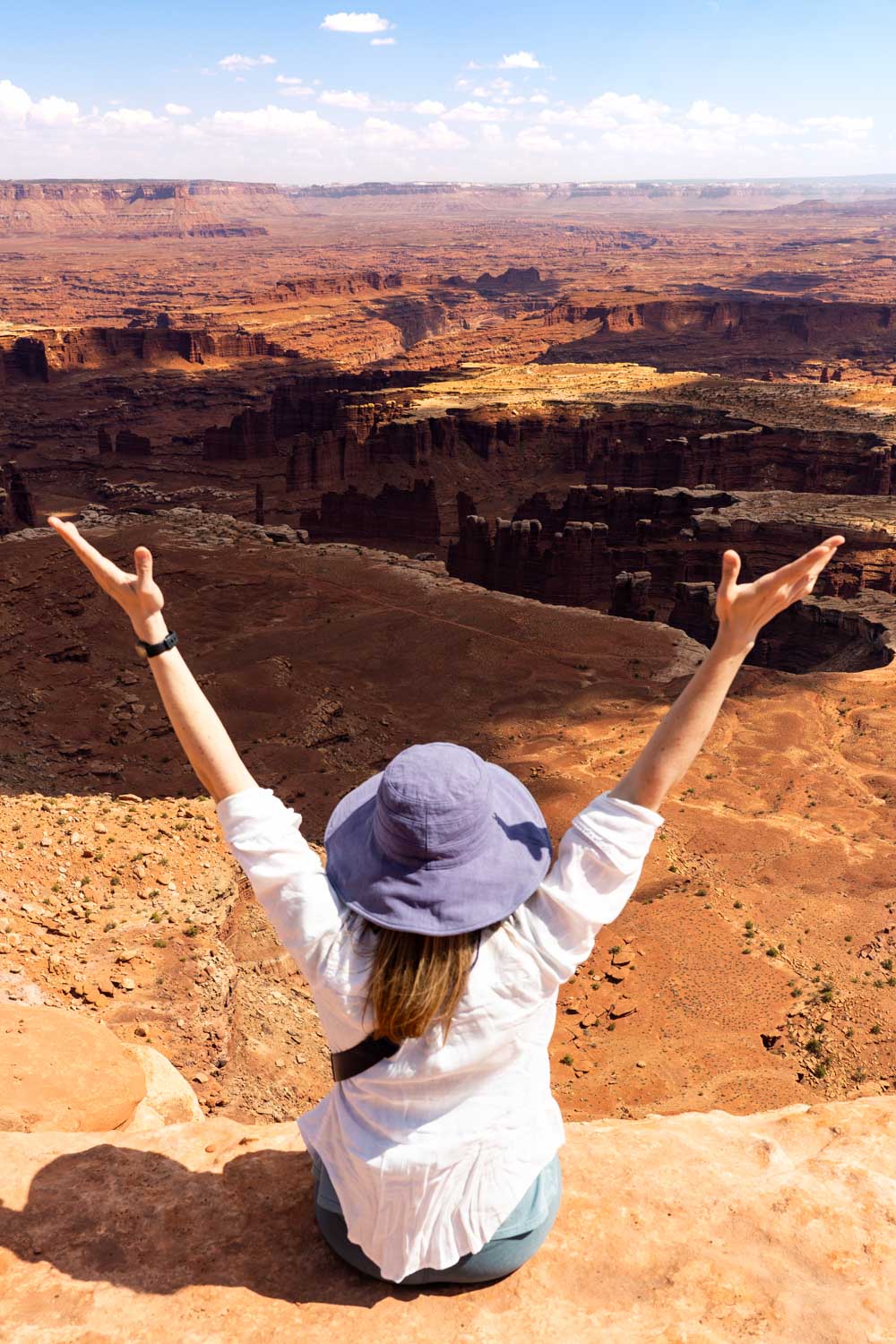
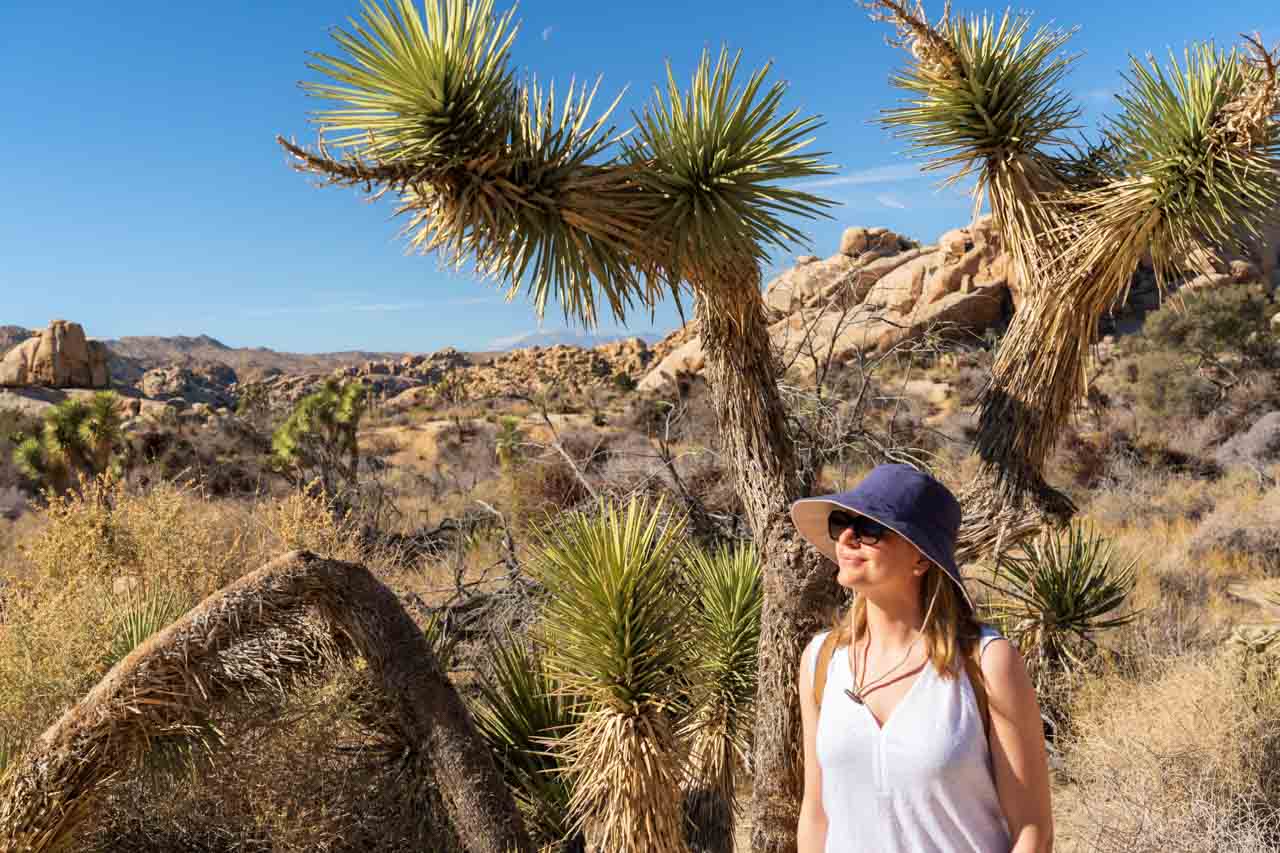
A wide-brimmed hat, sunglasses with a UV-rating and a shirt with long sleeves and a collar are must-haves. Lightweight, long-sleeve shirts and trousers protect against both sunburn and dehydration.
Eye protection
Polarised sunglasses have the added benefit of reducing glare from sand and rock. Wrap-around sunglasses are better for sun protection and help to shield your eyes from sand and dust on windy occasions.
Wind and dust protection
A buff, bandana, or lightweight scarf helps shield your mouth and nose during windstorms.
Footwear
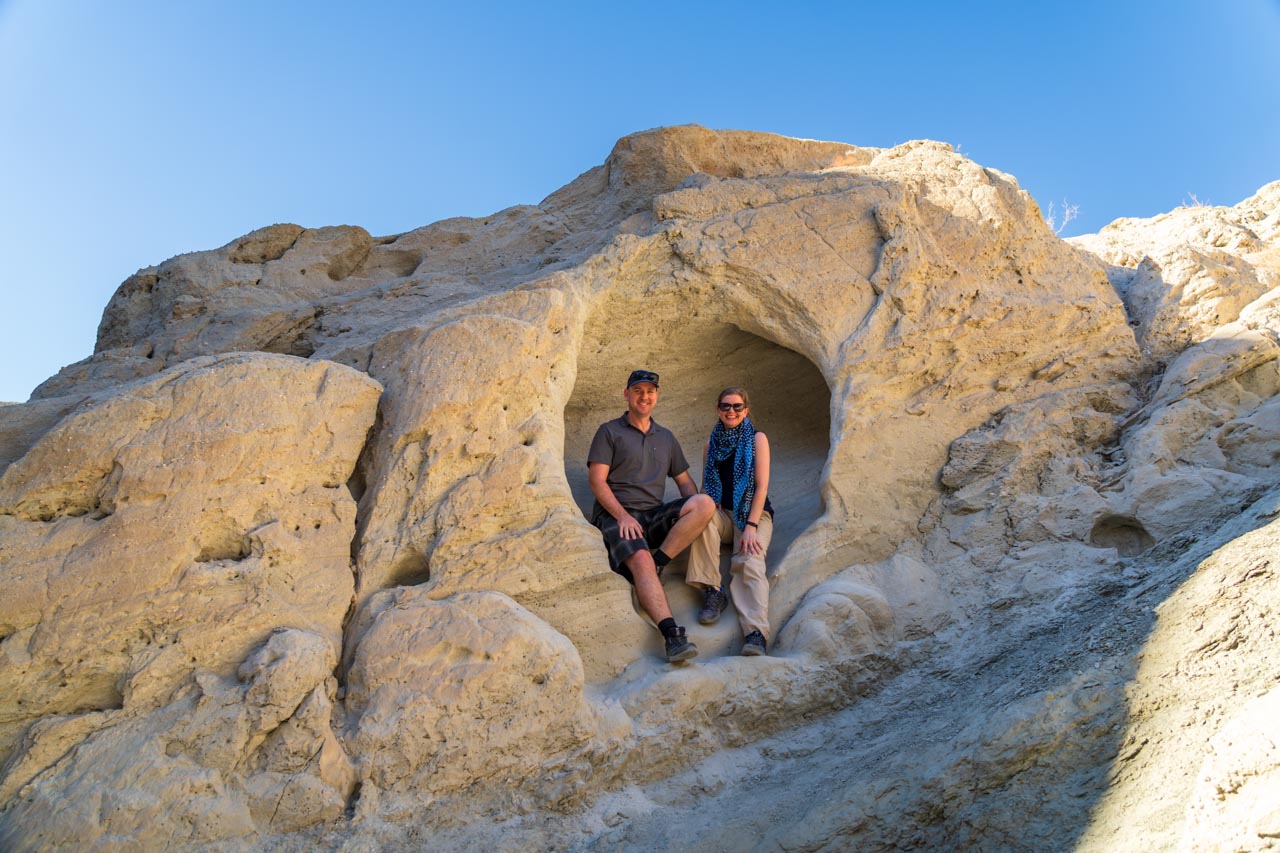
Sturdy hiking boots are ideal for trails, while sandals or lightweight shoes may be fine for resort stays. For hiking, choose boots that cover your ankles to protect against cacti, rocks, and sand abrasion. Even if they are hiking sandals—trust my big toe on this one.
Leg protection
Long trousers are best when walking around vegetation. Many desert plants have sharp spines or thorns. In addition, you may come across insects, snakes and lizards that have a painful or poisonous bite.
Dressing for desert activities
Your clothing will vary depending on whether you’re adventuring or relaxing.
Desert hiking
If you’re wondering what to wear hiking in the desert, think breathable, moisture-wicking layers. Start with a lightweight long-sleeve shirt that has a collar for additional sun protection. Pair with durable hiking trousers and supportive, closed-toe hiking boots or trail-runners. A wide-brimmed hat with a chin strap will stay put in windy conditions. I wear a cotton hat for hiking because it’s comfortably breathable, easy to back and washable (sunscreen, sweat and dust = ick).
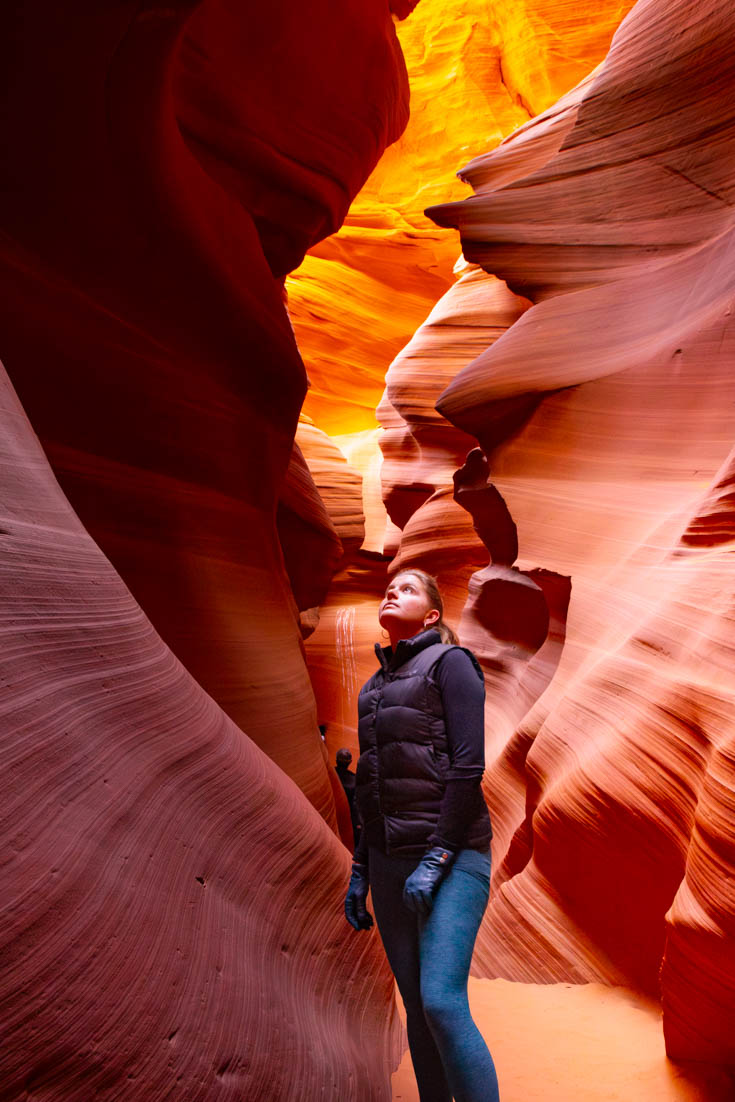
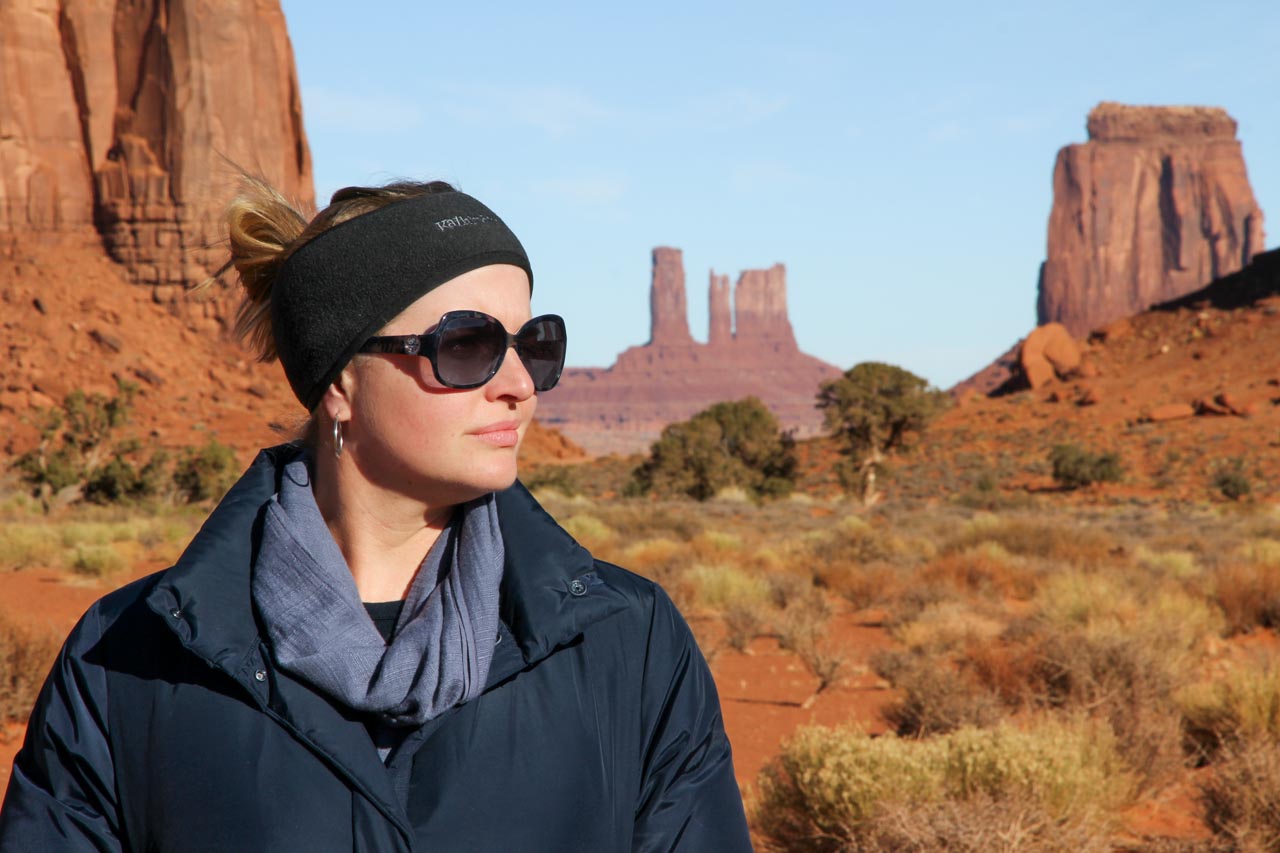
In the winter or at night, you might need heavier pants, a base layer and warm outerwear, including a beanie or ear protection, scarf and gloves. In the transitional months I wear a merino base layer and puffer vest, which have proved a wining combination time and again.
Sunny escapes
If your desert travel leans more towards relaxation, you’ll want swimwear, airy dresses, linen shirts and sandals. Wide-leg pants, oversized shirts and roomy kaftan-style dress combine sun protection and air-flow. Just remember that moving between the pool and the resort’s air-conditioned interiors may require a light jacket or wrap.
Urban desert destinations
Cities like Dubai or Las Vegas combine desert climates with cosmopolitan attractions. For these desert destinations, balance comfort with fashion—cotton tops, linen trousers and casual dresses work perfectly. Modesty may also be important in certain cultural contexts, so research before you pack.


Skincare and cosmetics
Sunscreen
Of course, sun protection is the numero uno for desert travel and leisure. Get yourself a minimum 30+ SPF factor, broad spectrum (protects from UVA and UVB rays) sunscreen. Apply and reapply regularly. Ensure you give it a good 10-15-mins to dry and form its protective film before you apply make-up over the top or get in the water. Remember to apply an SPF-rated lip balm as well, particularly if you’re a fellow cold sore sufferer.
Tip: If you use a mineral sunscreen, like I do, you might find it’s hard fully to at the end of the day. A good balm/oil cleanser is really helpful.
Moisturiser
Second most important after sunscreen, is moisturiser – particularly in hot and dry deserts. The lack of humidity in the desert can really dry out your skin. Bring plenty of your preferred moisturiser, both face and body.
Tip: I usually take a richer moisturiser in the desert, than my usual summer day-to-day product. I rotate to a thicker moisturiser in the winter, and that’s the one I take to the desert.
Building your desert vacation packing list
To pull it all together, here’s a quick reference desert vacation packing list. This desert packing list should be adapted to the season, destination and activities you’ve chosen.
- Wide-brimmed hat with chin strap
- UV-rated, polarised sunglasses
- Lightweight, breathable, long-sleeve shirts with a collar
- Breathable trousers or hiking pants
- Comfortable synthetic or merino underlayers
- Sturdy hiking boots or supportive walking shoes
- Sandals for downtime and urban environments
- Buff or scarf for dust protection
- Sunscreen SPF 30+ or more and lip balm with SPF
- Moisturiser for rehydrating skin in the evening
- A light jacket for cool evenings and mornings
- Refillable water bottles (yes, plural) or hydration pack
Don’t stress over what to wear in the desert. You now have the know-how to wander and wonder with confidence. From sun protection to sturdy footwear, your clothing choices are your best defence against the elements. Use this desert trip packing list as your starting point, and you’ll be ready for anything the desert wind blows your direction.
Peace, love and inspiring travel,
Madam ZoZo
Pin for later…


