

I had to do some mining for hidden Jamaican gems before I came across Greenwood Great House. I visited on good authority that the home’s original condition and furnishings make it a more interesting choice than other, better known great houses on the island. Greenwood is owned by a local and has been almost continuously occupied since it was built, making it one of the greatest of the great houses you can visit in Jamaica. If you want to learn more about Jamaica’s past, you’ll be fascinated by the stories that come with each of Greenwood’s museum-worthy artifacts and objets d’art. For more things to do in Jamaica, see this post.
Disclosure: I may earn compensation from the purchase of any product or service linked on this website, at no extra cost to you. I only link to products I use and love, therefore feel comfortable recommending.
What is a great house?
A great house is a large home or mansion. In Jamaica, the term refers to 18th– and 19th-century homes that were constructed and used by plantation owners in the height of the sugar and slave era. They were often two stories, the lower of brick, stone and mortar and an upper level of wood, and positioned on high ground to invite cool breezes and avoid diseases. Many of the original great houses were burnt to the ground during the slave rebellion of 1831-32. Almost 50 great houses survive, ranging in condition from ruins to completely restored.
The Barrett Family
Greenwood Great House was built in 1780 by Richard Barrett and his family who were synonymous with Wimpole Street, London at the time i.e. well-to-do folk. You’ve probably heard of Richard’s cousin, British poet Elizabeth Barrett Browning, best known for the sonnet that begins “How Do I Love Thee? Let me count the ways”.
The first Barrett to arrive in Jamaica was Hersey Barrett, who was an officer in the unsuccessful raid of Hispaniola (contemporary Haiti and the Dominican Republic) in 1655. Defeated in Hispaniola, the British decided to try their luck taking Jamaica from the Spaniards and won. Hersey Barrett was granted land and settled into growing a sugar empire. In a short time, the Barrett patriarch became very wealthy amassing 84,000 acres of land and 2,000 slaves.
The Barrett family resided at nearby Barrett Hall but also owned Cinnamon Hill Great House and a place in London as well. Greenwood Great House was built merely for entertaining when cousin Richard Barrett became speaker of the House of Assembly and supervisor of St. James Parish. Richard was the only Barrett to remain in Jamaica once the slave trade was abolished and the bottom fell out of the sugar industry.
Greenwood Great House
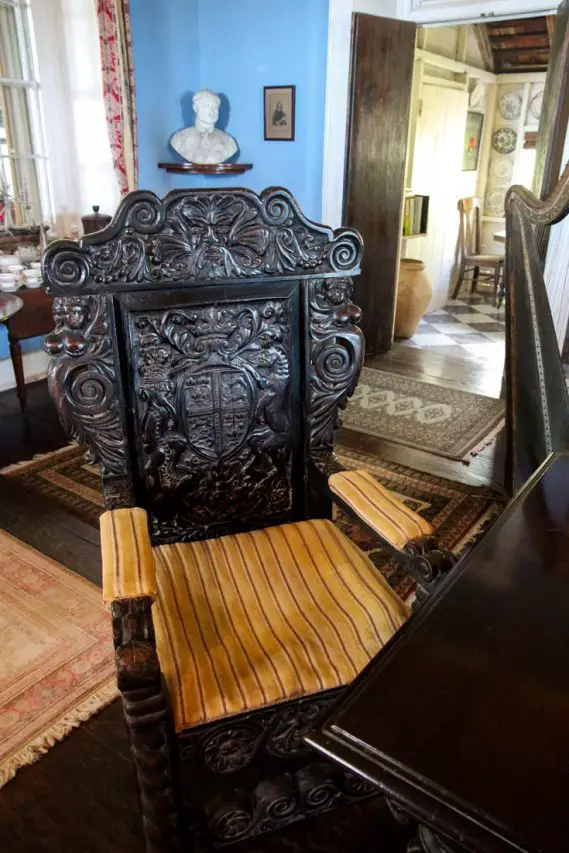
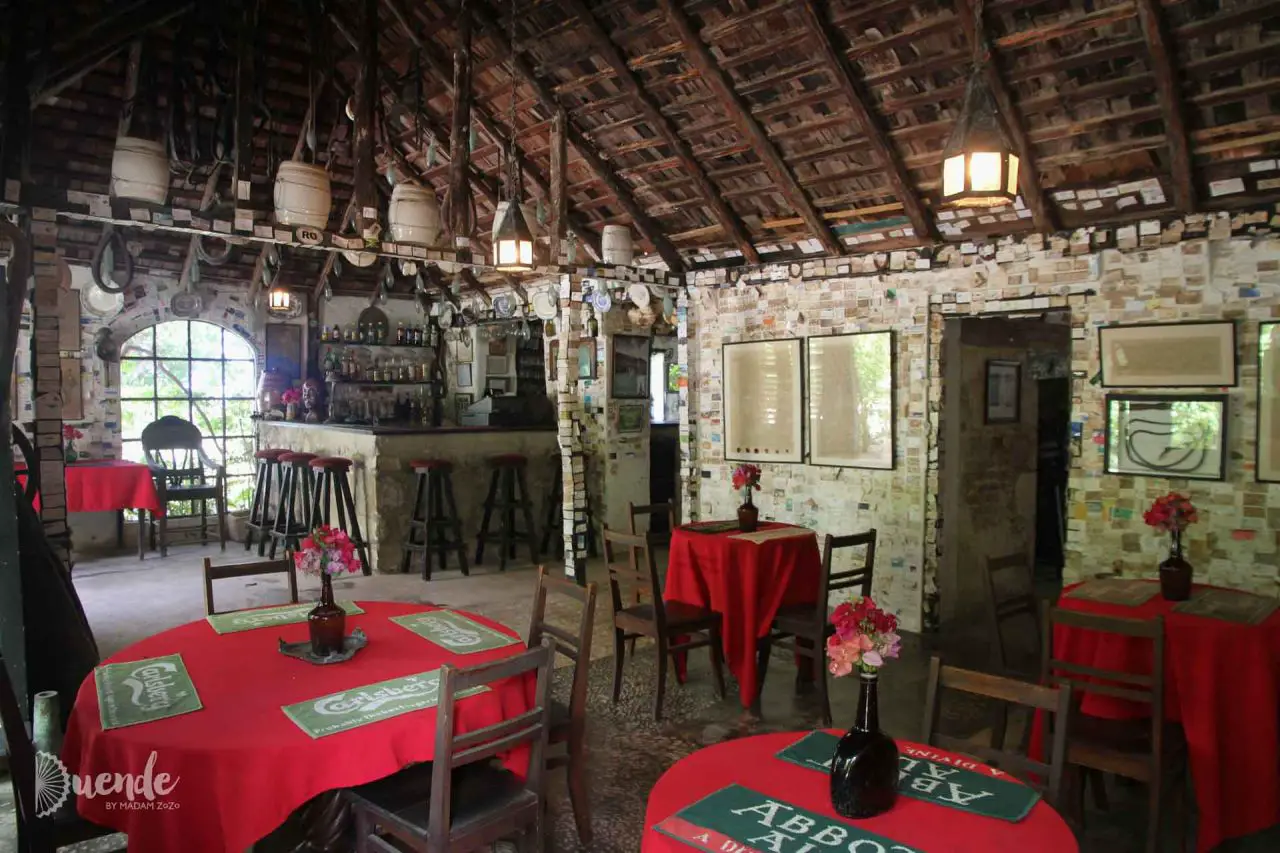
Greenwood Great House has been occupied continuously since it was built and therefore is one of the mansions that boasts a high degree of originality in structure and furnishings. Approximately eighty per cent of the furnishings and artifacts that can be seen inside the home were found on-site by the current owners Thomas “Bob” and Ann Betton. The rest are historically accurate for the era in which the Barretts would have resided in the house. The Bettons purchased the property in 1975 and have applied a lot of love in restoring, maintaining and showcasing the gorgeous property.
I asked our guide Patricia about hurricane damage, and she noted that the worst damage was sustained in 1988 when the front verandah was torn off and found deposited in the carpark at the rear of the home. This seems to be very fortunate given the prominent hillside position that Greenwood takes at the border of St. James and Trelawny parishes.





Antiques and Artifacts
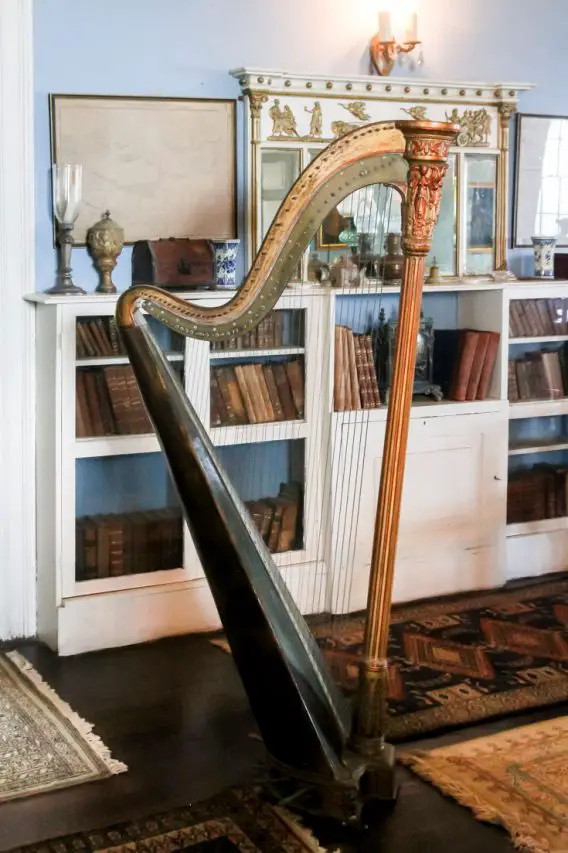
Greenwood houses a collection of beautiful antiquities from all over the world, brought to Jamaica by the Barretts. Among them are the family’s custom Wedgwood porcelain, fire-fighting equipment, oil paintings, maps, punch clock and a library of around 300 books that include a first edition, Dickens. Furnishings include a number of Victorian chaises Spanish chandeliers and a rosewood inlaid piano made by Beethoven approved John Broadwood.
There are desks with secret compartments to hide paperwork in case of a pirate attack and a menacing mantrap used to capture escaping slaves. Most impressive is the collection of old musical instruments that have been restored to working condition, including a polyphone and a wind-up barrel organ.
Resources for experiencing Greenwood
- For a list of remaining great houses in Jamaica see the Heritage Trust website.
- Greenwood Great House visitor information can be found here.
- Find a comprehensive resource on Jamaica’s great houses in this blog: The Last Great Great House.
If you have an appreciation for history, architecture and/or antiques then Greenwood Great House will make a great addition to your Jamaica itinerary. This home may have a low profile, but I assure you it is no less great. The property and its treasures tell important stories about Jamaica’s past that should not be missed.
Peace, love & inspiring travels,
Madam ZoZo